Scientists discover protein that may help reverse brain ageing

&imwidth=600&imheight=450&format=webp&quality=medium "Scientists discover protein that may help reverse brain ageing")
Scientists discover protein that may help reverse brain ageing Photograph: (AI)
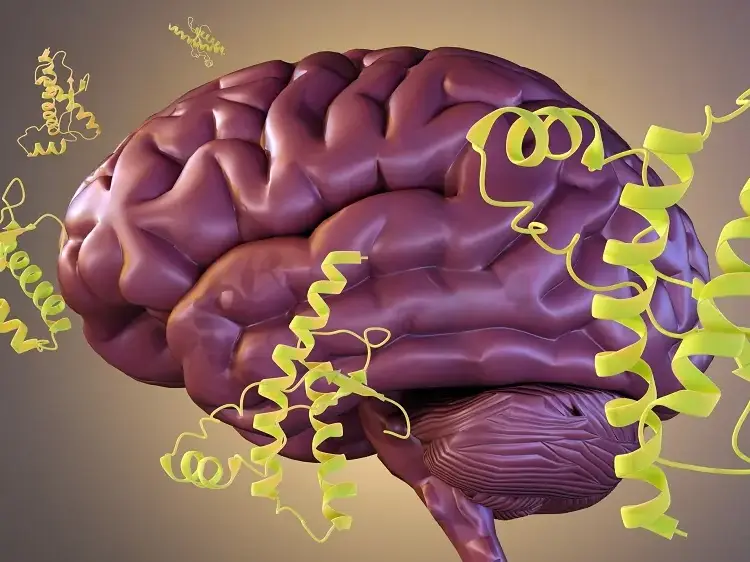
Researchers at UCSF have found a protein, FTL1, that may speed up brain ageing and memory loss. Blocking it in mice restored youthful brain activity. Could this lead to future dementia treatments? Know more below.
Scientists at the University of California, San Francisco (UCSF) have discovered a protein that may play a major role in brain ageing and memory loss.
The research, published in ScienceDaily, focused on a protein called FTL1. In their study, scientists found that when the protein was present in excessive amounts, it damaged brain cells and led to memory problems in mice.
When researchers removed the protein, the effects were remarkable. The brains of the mice began to function as if they were younger, with improved memory and cell activity.
Lead researcher Professor Li Gan explained that the study offers “a promising path” to understanding age-related cognitive decline, although much more work is needed before it can be applied to humans.
)
Scientists discover protein that may help reverse brain ageing Photograph: (AI)
How FTL1 Affects the Brain
As the brain ages, proteins and other substances can build up in ways that disrupt normal function.
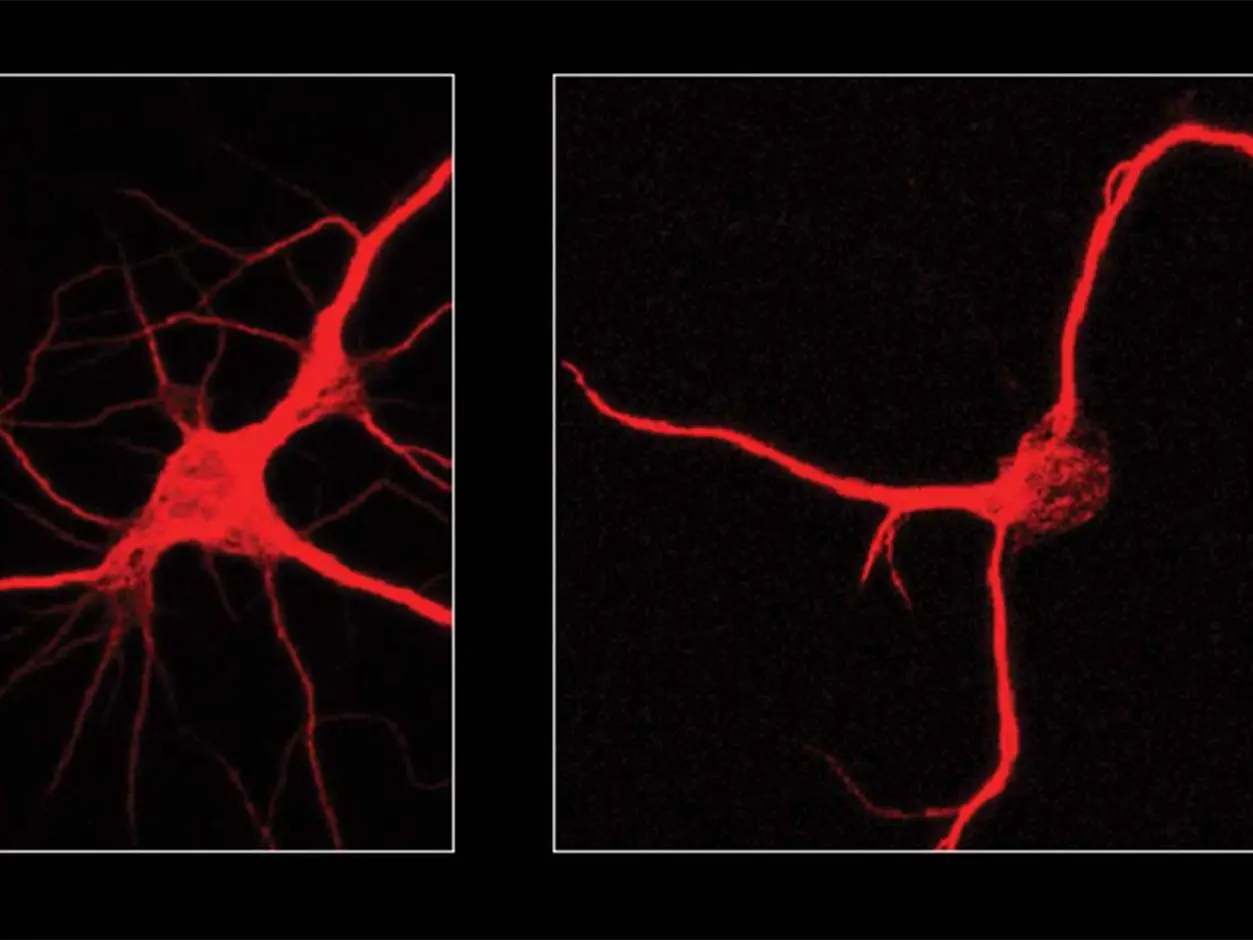
The UCSF team discovered that FTL1 interferes with the brain’s ability to maintain healthy connections between neurons, the cells responsible for processing and storing information. This disruption can lead to memory loss and other symptoms linked to ageing and conditions like Alzheimer’s disease.
By reducing or blocking the protein, researchers were able to reverse these effects in laboratory experiments, restoring brain activity to a more youthful state.
For the Future
While the findings are early, they raise hope for new treatments that could slow or even reverse cognitive decline in humans.
Trending Stories
)
&im=FitAndFill=(700,400))
)
)
)
)
)
)
)
)
)
)
&im=FitAndFill=(700,400))
)
)
)
)
)
)
)
)
)
)
)
)
)
)
)
)
)
)
&im=FitAndFill=(700,400))
)
)
)
)
)
)
)
)
)
According to the World Health Organization (WHO), more than 55 million people worldwide currently live with dementia. Understanding how proteins like FTL1 work could help scientists develop drugs to prevent or treat these conditions.
Professor Gan stressed that clinical trials are still years away, but this research represents an important step in the fight against age-related brain diseases.
