Scientists find why pancreatic cancer spreads at alarming speed, discovery may hold key to cure


Representational image of cancer cells
Researchers from the UK and the United States have uncovered crucial insights into how pancreatic cancer spreads in the human body. Their work has paved the way for potential new treatments for one of the world's deadliest diseases.
How pancreatic cancer spreads?
The team discovered that pancreatic cancer can deactivate molecules in a critical gene due to which the disease spreads at an alarming speed. The development is being deemed as a game-changer in the battle against pancreatic cancer.

Pancreatic cancer has the lowest survival rates among common cancers.
It ranks as the 12th most common cancer globally, with over half a million new cases each year. The disease is notorious for its poor prognosis, with most patients succumbing within three months of diagnosis.
)
'Fund people, not bombs': Hundreds take to New York streets as Netanyahu delivers speech at UN; dozens arrested
)
Scientists detect first radio signals directly from faraway planet
)
Trump gifts Xi a bald eagle sculpture at White House dinner: Here’s what it symbolises
)
Trump-Xi state dinner 2026: Who is invited? Full guest list of tech CEOs, business leaders and officials
)
'We do not wish to continue. It's America that must choose': Iran president Pezeshkian calls on US to end war
)
'Making history': Xi Jinping praises Trump as US-China leaders dine at White House
)
China to test supersonic jet that moves at Mach 2, double the speed of sound
)
'Partners rather than rivals': Xi Jinping's first message after landing in US for Trump summit
)
UNGA 2026: Israeli PM attacks Britain, France for past colonialism
)
Yemen called Trump for US military support in fight against Houthis: Official
)
CNN, Politico and MS NOW back in White House after judge blocks Trump’s media ban
)
Mumbai Indians appoint Luke Williams as head coach for Women’s Premier League
)
IIT Bombay CCTV footage emerges: Sahil Wakode seen looking at phone in examination hall
&im=FitAndFill=(700,400))
Netanyahu at UN: Mass walkout, attack on Mamdani and Iran threats | In Pics
)
WION Iconic Tourism Summit: How local tourism MSMEs must upskill for AI integration
)
Bollywood mourns Mushtaq Khan: Sunny Deol, Rajpal Yadav and others pay tribute
)
'We would all be dead': Netanyahu defends decision to strike Iran's nuclear facilities in his UN speech
)
'AI got into my speech': Prince Harry jokes after teleprompter failure at event in New York
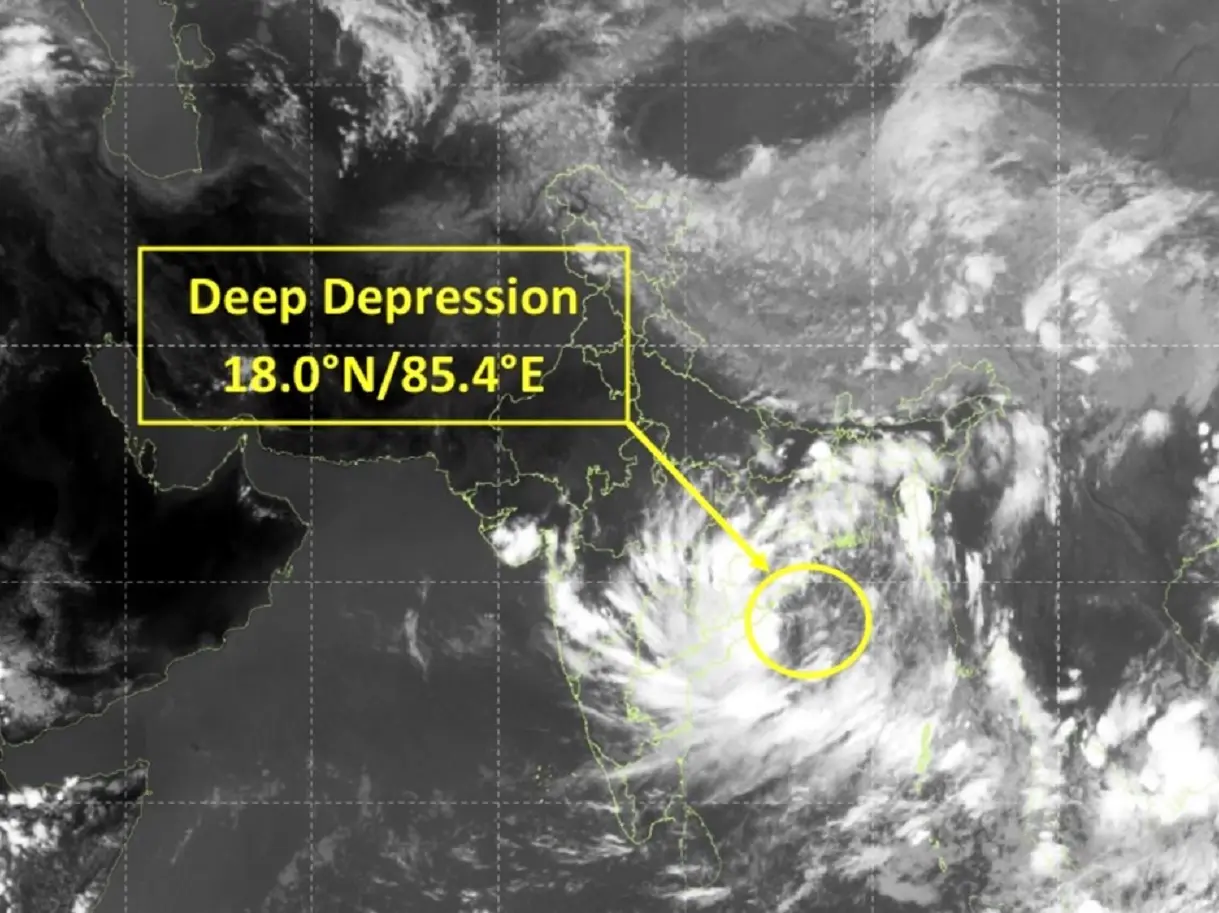)
Cyclone Arnab: Landfall expected before midnight tomorrow as IMD issues orange alerts across six states
)
'What kind of confession is this?': Pakistan PM Shehbaz Sharif’s 'terrorists would be roaming New York' remark goes viral, raises alarm online. Watch
)
Nearly half of young people trust AI over humans to check facts, major study finds
)
Meet Adrian Abraham: 9-year-old Indian-origin guitar prodigy aiming for a Guinness World Record
)
WION Iconic Tourism Summit 2026: Union Minister Shekhawat on 'experiential travel', peace diplomacy
)
2,000-foot tube, laser tests and more: China builds towns to expand nuclear arsenal, satellite images show
)
Israeli envoy to US Yechiel Leiter’s son critically injured in West Bank ramming attack
)
Xi Jinping's 'special plane' vs Trump's Air Force One: What's the difference?
)
‘We’ve never gotten along better’: Trump praises Xi, jokes about White House ballroom at high-stakes state dinner
)
Trump's welcome to Xi demonstrates 'attraction' to dictators: Chuck Schumer
)
Welcome actor Mushtaq Khan dies at 56 after battling cancer
)
A seven-day roadmap? Iran proposes plan to end war, reopen Strait of Hormuz and resume nuclear talks
)
Australian PM Anthony Albanese calls OpenAI AI incident 'unacceptable' after restricted data access
)
Alarming video emerges as landslide damages houses in Sikkim’s Rimbi village. Watch
)
‘Not just a local tragedy’: Nepal PM Shah warns UN of growing climate threat, says Nepal floods were 'a warning to the world'
)
US faces fresh cost crunch as mortgage rates hit 7%, oil tops $107 and gas prices surge
)
Who is Lt-Gen Nauman Mahmood, Pakistan's first secretary general of Makkah Defence Alliance?
)
US judge questions Trump’s decision to ban CNN, MS NOW and Politico from White House
)
What’s in a name? Trump’s 'Lake America' move gets a tit-for-tat response from Canada
)
West Indies coach Sammy looking at India series as opportunity to finetune ahead of ODI World Cup 2027 qualifiers
)
Nations League: Germany draw on Klopp debut; Portugal, Norway win
)
EC appointment law: Why is the 2023 act controversial, and what happens next? WION explains
High-profile victims include Alan Rickman, John Hurt, Steve Jobs, and Patrick Swayze.
Dr. Maria Hatziapostolou from Nottingham Trent University's John van Geest Cancer Research Centre told the Guardian: "This work has provided new understanding and knowledge of how pancreatic cancer behaves. It will hopefully help pave the way for potential new treatments in the future."
Pancreatic cancer triggers DNA methylation: Research
The study, published in the journal Gastro Hep Advances, involved the analysis of both healthy and cancerous pancreatic tissue samples.
Researchers identified that pancreatic cancer triggers DNA methylation, a process that switches off molecules in the HNF4A gene. This gene is essential for the proper functioning of many organs, but pancreatic cancer can deactivate its benefits, leading to rapid tumor growth.
Also watch |Obesity fuelling 32 types of cancer: Research
"Loss of HNF4A drives pancreatic cancer development and aggressiveness and we now know correlates with poor patient survival," Dr Hatziapostolou added.
The project included scientists from the University of Nottingham, Stanford University, the University of California, and Cedars-Sinai Medical Centre in Los Angeles.
(With inputs from agencies)