Omega-6 fatty acid decreasing ability to fight against cancer cells, warns study

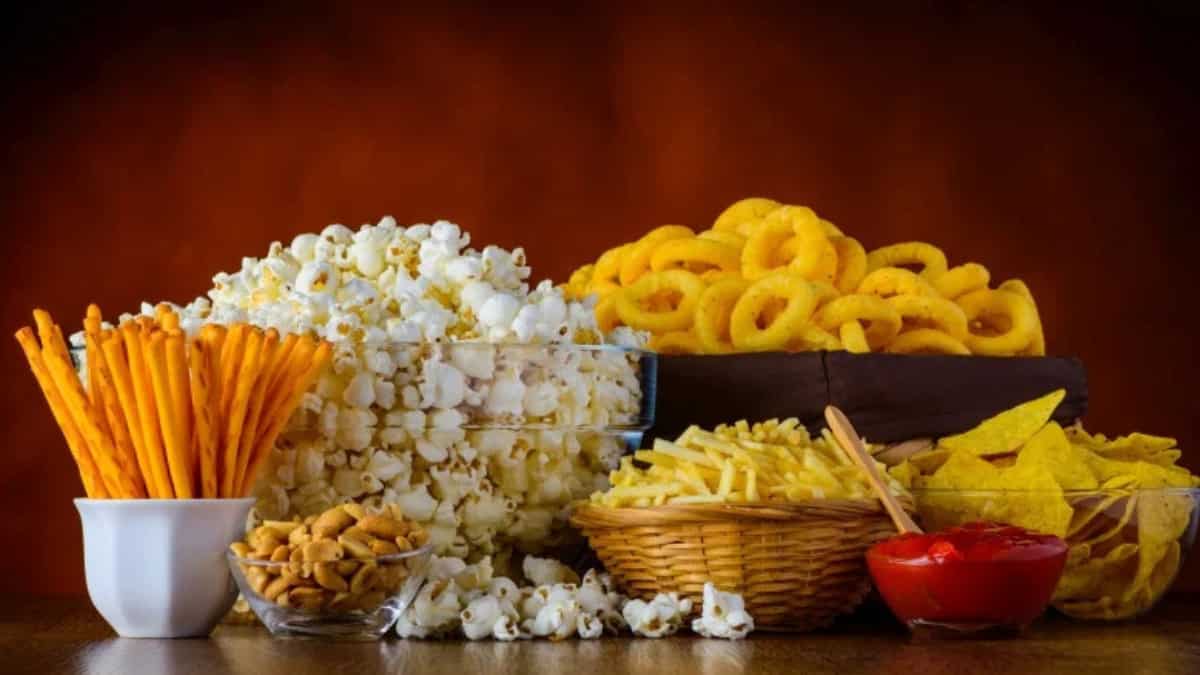
Representational image of ultra-processed foods.
As per a new study, the food you are consuming may have been badly affecting the ability of the body to fight cancer cells present in the colon.
The overconsumption of a certain kind of omega-6 fatty acids, which is most probably becoming a part of the diet because of ultra-processed foods, is most likely hindering tumour-fighting and anti-inflammatory properties of essential fatty acid omega-3.

“There are mutations every day in the GI (gastrointestinal) tract, and normally they’re quashed right away by the immune system with the help of molecules or mediators from omega-3s,” said DrTimothy Yeatman, who is the study's senior co-author which was published on Tuesday (Dec 10).
Also Read:Killer dumplings? Woman dies after eating momo, 15 others suffer food poisoning
The study has been published in Gut,the journal of the British Society of Gastroenterology .
)
Trump-Xi Summit: Trade, Taiwan and the red lines shaping US-China talks | Race To Power
)
US citizen injured in Illinois after ICE agents mistook him for fugitive, hospitalised
)
US judge questions Trump’s decision to ban CNN, MS NOW and Politico from White House
)
Afghan woman cyclist who disguised herself as a boy to escape Taliban, wins Asian Games medal
)
'There will be elections': Venezuela's interim leader Delcy Rodriguez makes big announcement at UN
)
IIT Bombay CCTV footage emerges: Sahil Wakode seen looking at phone in examination hall
)
Cyclone Arnab: Landfall expected before midnight tomorrow as IMD issues orange alerts across six states
)
9 killed, several injured as tourist bus catches fire on Yamuna Expressway
)
NBA player Steven Adams shares hilarious GTA VI theory
)
WION Iconic Tourism Summit 2026: Union Minister Shekhawat on 'experiential travel', peace diplomacy
)
ICC plans T20I expansion and fewer ODIs in 2027–2031 FTP cycle: Report
)
'AI got into my speech': Prince Harry jokes after teleprompter failure at event in New York
)
Scientists detect first radio signals directly from faraway planet
)
China to test supersonic jet that moves at Mach 2, double the speed of sound
)
WION Iconic Tourism Summit: 'Hanuman Ansh' Director on blockbuster success
)
Open AI, Anthropic CEO urges caution over rapid AI development at UN Security Council, call for 'extreme care'
)
Bomb scare in New York amid UNGA: Suspicious suitcase found near UN headquarters
)
Hours before Xi-Trump meeting, US announces visa curbs targeting birth tourism: What is it?
)
'Partners rather than rivals': Xi Jinping's first message after landing in US for Trump summit
)
WION Iconic Tourism Summit: Is India's travel boom outrunning its airports, airlines and hotels?
)
WION Iconic Tourism Summit and Awards 2026: Key voices to discuss India’s tourism future
&im=FitAndFill=(700,400))
New OTT releases this week (September 21-27, 2026): Shaque: Trust No One, Hunkkaar, Don’t Be Shy- 5 new titles coming to Netflix, Prime Video and more
)
WATCH | China President Xi Jinping lands in US as Trump greets him ahead of high-stakes summit
)
Australian PM Anthony Albanese calls OpenAI AI incident 'unacceptable' after restricted data access
)
'What kind of confession is this?': Pakistan PM Shehbaz Sharif’s 'terrorists would be roaming New York' remark goes viral, raises alarm online. Watch
)
WION Iconic Tourism Summit: How local tourism MSMEs must upskill for AI integration
)
Eight USS Abraham Lincoln sailors attempted suicide, Acting Navy Secretary says
)
Pilot recreates Mona Lisa in sky over Oklahoma and Arkansas in four-hour flight: VIDEO
)
Elephants hide behind trees, stage surprise attack on poachers targeting rhinos in South Africa
)
'Putin is patient zero': Zelensky slams Russian president at UNGA, accuses him of using fighters from 47 countries
&im=FitAndFill=(700,400))
National Film Awards 2026: Kartik Aaryan, Mammootty, Yami Gautam, Randeep Hooda and other key winners
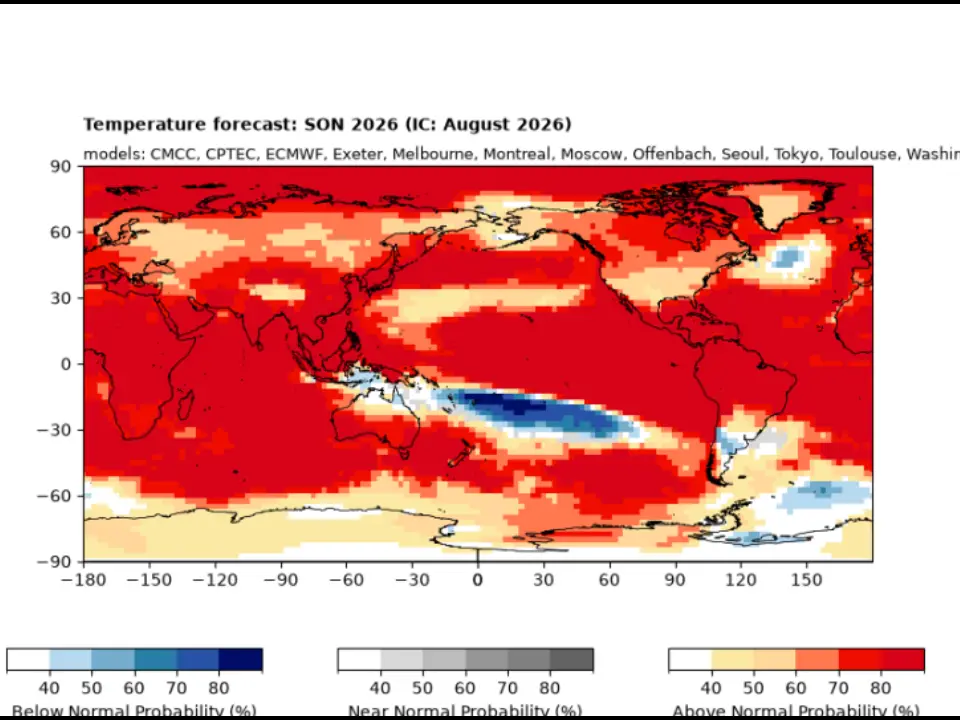)
El Niño 2026 heats up to become strongest in 1,000 years
)
Israeli envoy to US Yechiel Leiter’s son critically injured in West Bank ramming attack
&im=FitAndFill=(700,400))
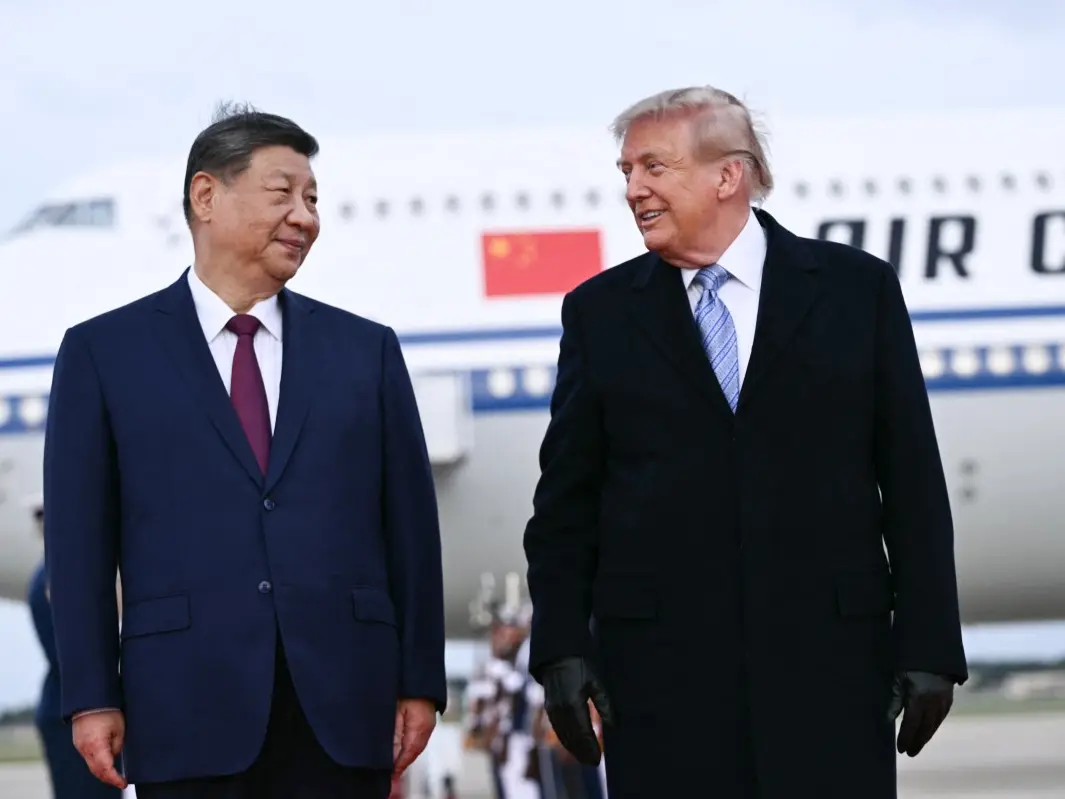
Trump welcomes Xi Jinping in rare airport gesture: Photos from Chinese President's arrival in US
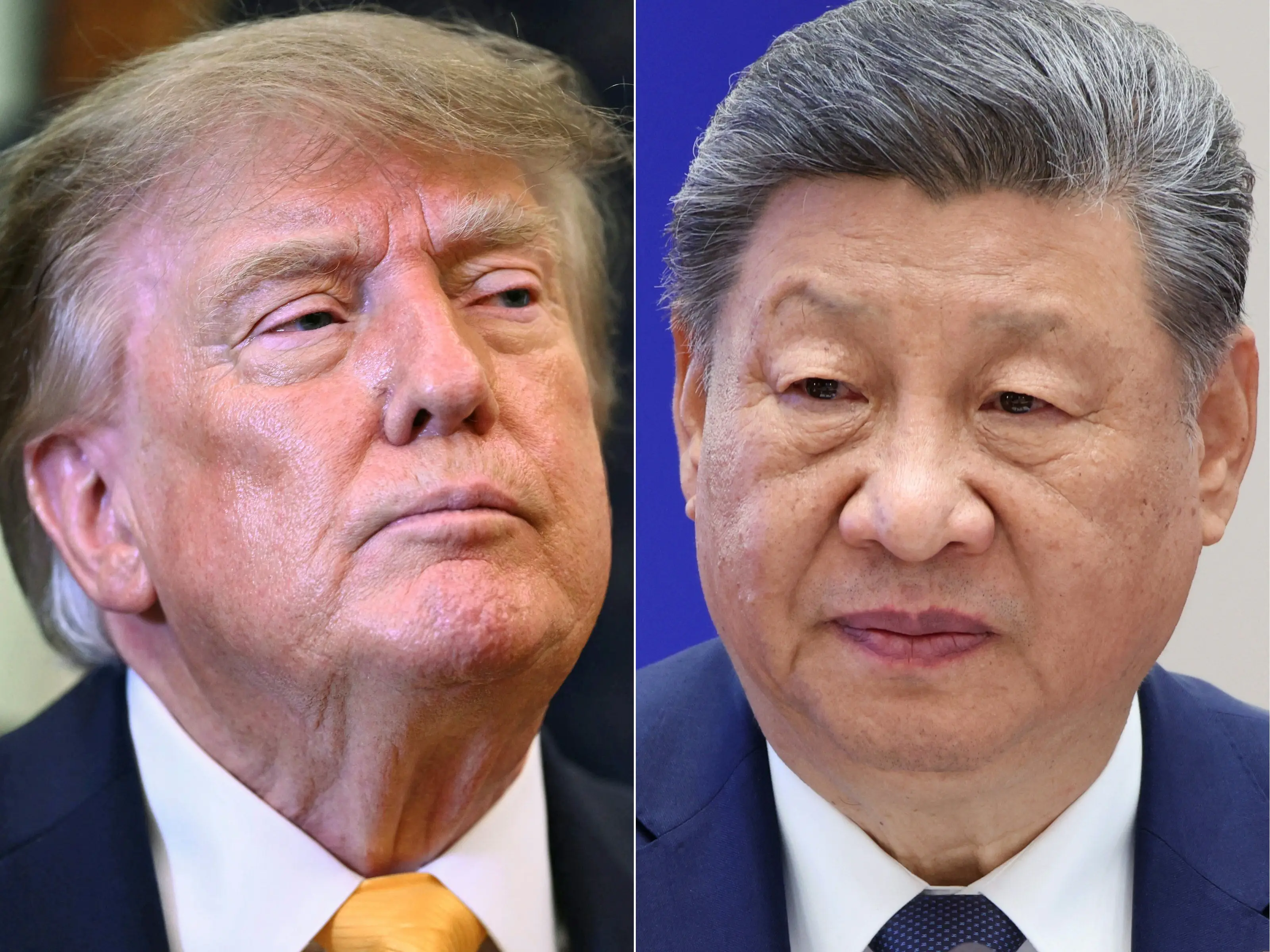)
Xi-Trump meeting: China’s human rights red line and past protests explained
“But if you have a body subjected to years of a chronic inflammatory milieu created by an imbalance of omega-6s, the type commonly found in ultra-processed and junk foods, I believe it’s easier for a mutation to take hold and harder for the body to fight it,” said Yeatman, who is a professor at the Tampa General Hospital Cancer Institute.
Omega-6 fatty acids dominate the Western diet?
As per experts, a Western diet is filled with omega-6 fatty acids because of seed oils used to prepare it and 70 per cent of the food supply in the United States is dominated by ultra-processed foods.
Watch:UK Government's Restriction On Junk Food Advertisements Before 9 PM
Linoleic acid, which is an omega-6 fatty acid that is available in sunflower, corn, peanut, soybean and safflower oils, is themost common omega-6 present in the food supply of the US.
“It’s a leap to say that omega-6s from ultra-processed foods are the cause. Americans have few omega-3s because they dislike fatty fish such as mackerel, herring and sardines, which are great sources,” said Dr. Bill Harris, who is a professor at the University of South Dakota, while speaking to CNN.
“Don’t blame the omega-6s, it’s not their fault — it’s the lack of omega-3 fatty acids that’s the problem,” he added.
(With inputs from agencies)