Octopus gives startling warning on West Antarctic ice sheet's potential collapse


Octopus on a tray (Representative Image)
Recent research, published in the journal Science, unveiled a surprising connection between the movements of Turquet’s octopuses and the stability of the West Antarctic ice sheet. These cephalopods, inhabitants of the Southern Ocean, navigated the region when the ice sheet melted approximately 125,000 years ago.
The study suggested that this historical event, coinciding with the last period of temperatures comparable to today's, might warn us of a potential collapse of the West Antarctic ice sheet.
Tim Naish, a co-author of the study reportedly stated, "The findings are concerning as they provide very strong evidence that [the] West Antarctic Ice Sheet becomes unstable and collapses when global temperatures warm by more than 1.5°C above preindustrial and if that warming is sustained."

Also Read |2,300-year-old mosaic, made of coral and shells, emerge from Rome after five-year dig
The research explored the genetic data of Turquet’s octopuses, revealing surprising similarities among specimens from distant seas—Weddell, Amundsen, and Ross.
These areas are now separated by the West Antarctic Ice Sheet.
)
Mumbai: Gallops restaurant at Mahalaxmi Racecourse licence suspended over food safety violations
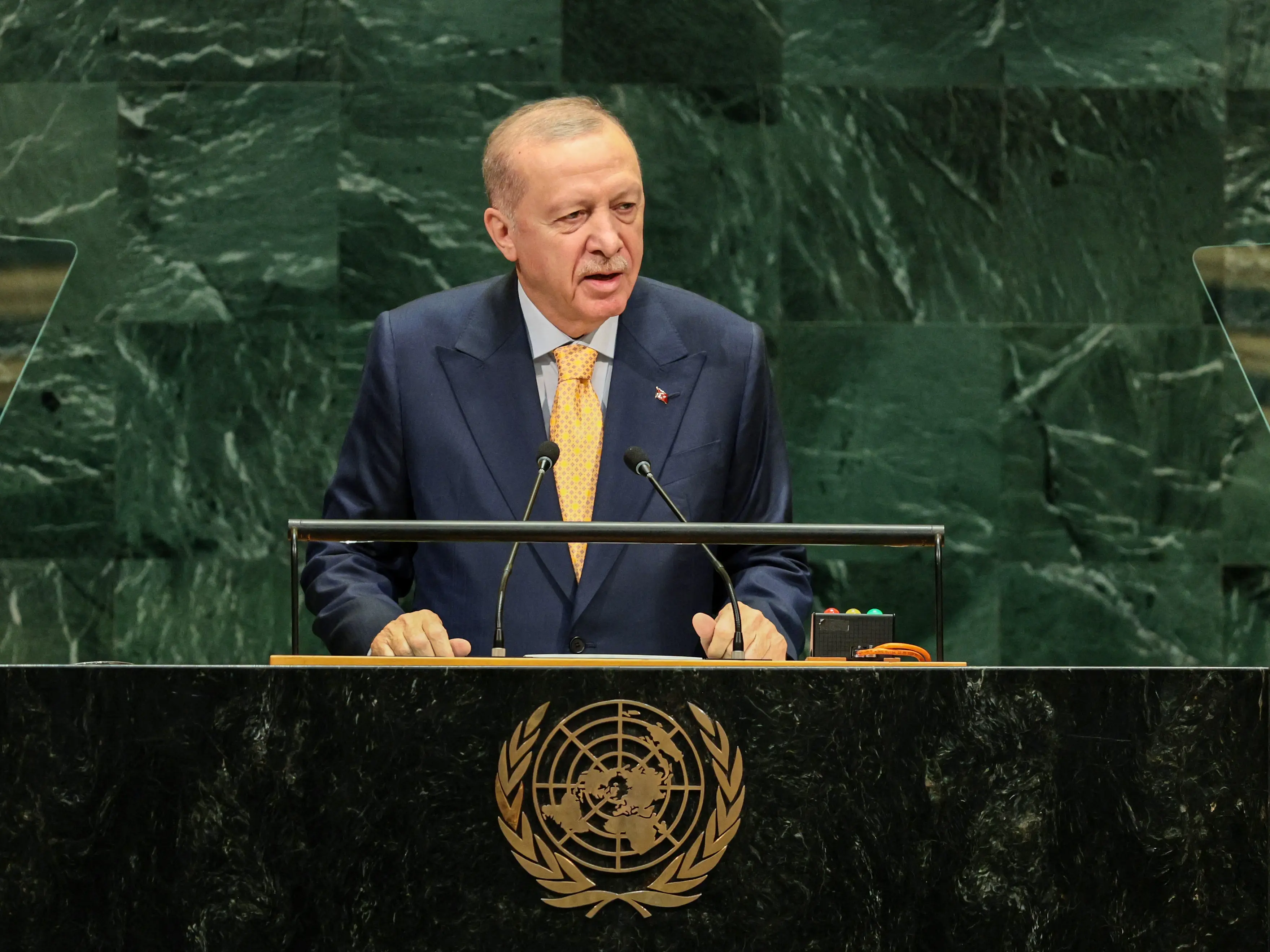)
Erdogan again raises Kashmir issue at UNGA, calls for dialogue under UN Charter
)
Ten days from Delhi to Washington: What Xi's BRICS-to-White-House sprint means for India
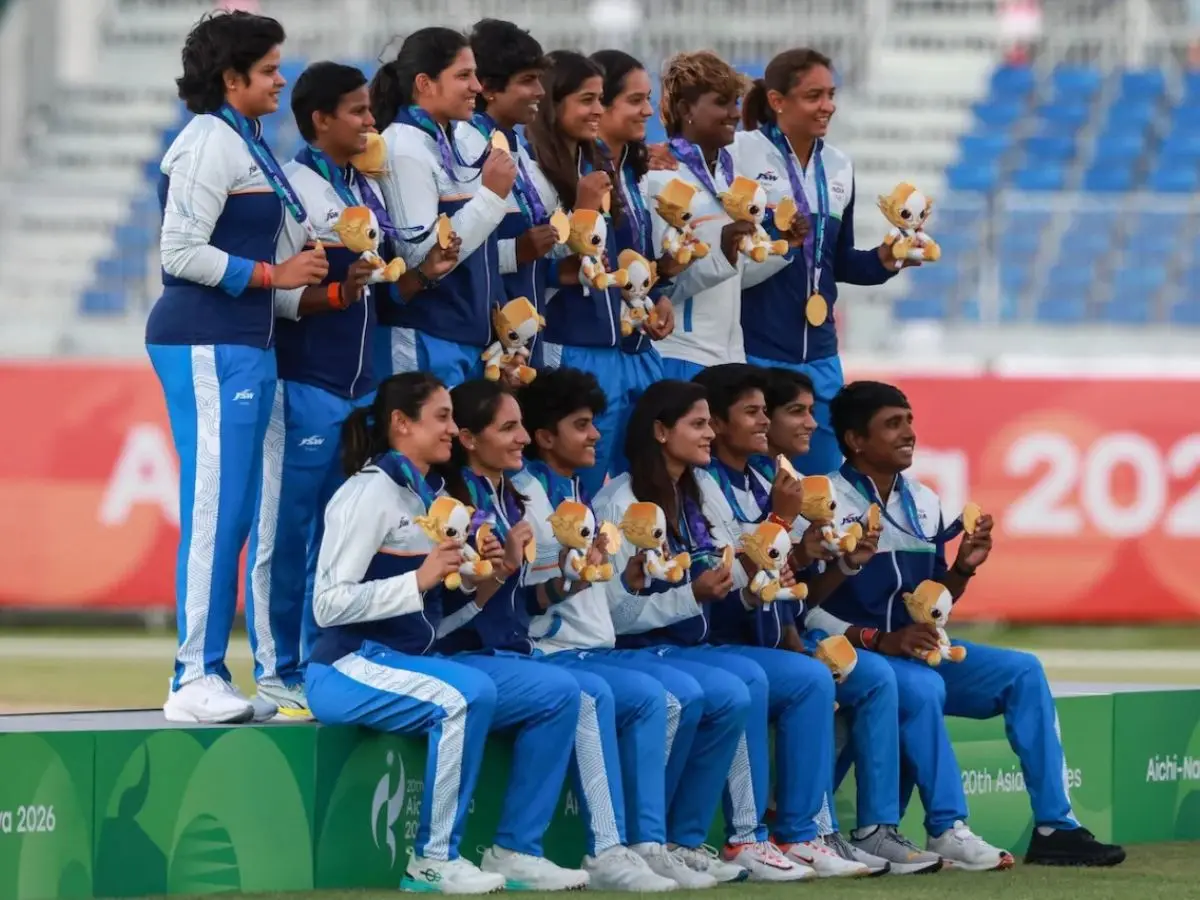)
'Our team opened the gate of gold medals': Harmanpreet Kaur on India’s Asian Games final win
)
'Needs time away from the international scene': England white-ball captain Brook on pacer Brydon Carse's future
)
Four decades after leaving Kolkata, the Birlas may be coming back for more
)
The Verdict | Moral policing isn’t culture or discipline, it’s crime
)
Glitch in the matrix caught on camera: Woman vanishes after talking to reporter
)
Rani Mukerji's mother Krishna Mukerji passes away; Karan Johar, Jaideep Ahlawat visit actress
)
Asian Games 2026: India women's cricket team beats Sri Lanka by 147 runs for first gold
)
Key accused in Bihar's Jamui molestation case, arrested after police shoot him in leg
)
ICC plans T20I expansion and fewer ODIs in 2027–2031 FTP cycle: Report
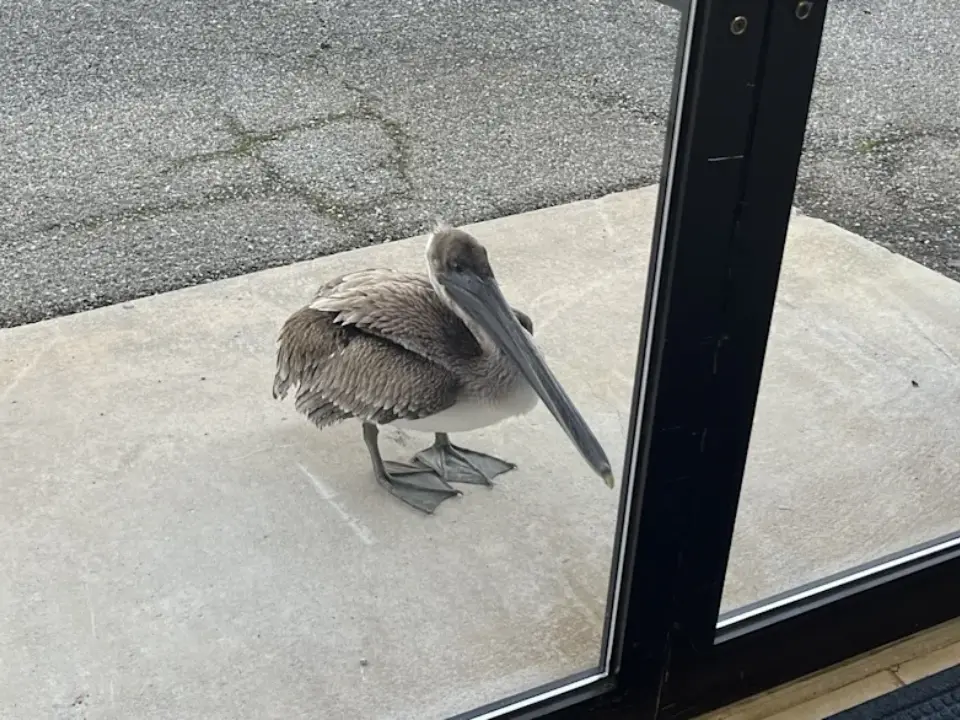)
Injured pelican knocks on NOAA facility door in Florida seeking help
)
'Mumma’s boy from Gwalior who dared to dream': Kartik Aaryan pens long note after first National Award win
)
US and China vie for AI dominance as calls grow for regulation | Gravitas
72nd National Film Awards: Kartik Aaryan receives Best Actor honour for Chandu Champion in Gujarat
)
IND vs JPN, one-off T20I: Japan captain Kendel on pushing India to the brink - ‘It was special’
)
Saudi Arabia exits China-led mBridge digital currency platform amid Saudi-Houthi conflict
)
National Film Awards 2026: Yami Gautam wins Best Actress for Article 370
)
World leaders repeatedly call Gaza crisis ‘genocide’ as Israel’s war dominates opening sessions of UNGA
)
WION Iconic Tourism Summit and Iconic Awards 2026: India's travel economy leaders gather in Delhi
)
Trump-Xi state dinner 2026: Who is invited? Full guest list of tech CEOs, business leaders and officials
)
American manufacturing is reshoring faster than its factory floors can absorb
&im=FitAndFill=(700,400))
New OTT releases this week (September 21-27, 2026): Shaque: Trust No One, Hunkkaar, Don’t Be Shy- 5 new titles coming to Netflix, Prime Video and more
)
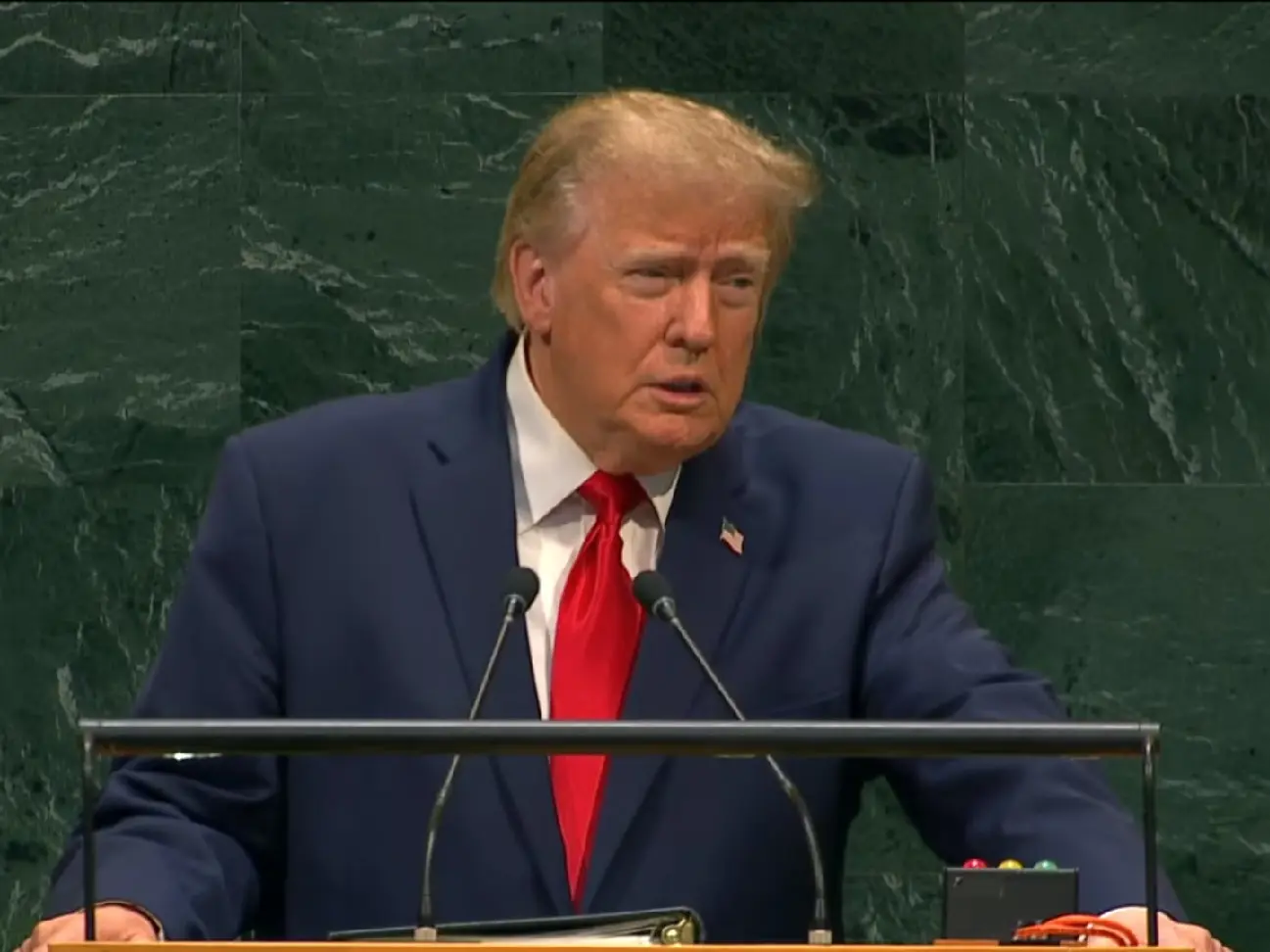
Trump calls on nations to quit ‘rogue’ and ‘out-of-control’ International Criminal Court, rips UN
)
Who is Clavicular? The 20-year-old controversial 'Looksmaxxing' influencer charged with rape allegations
)
'This is normally what toddlers do': Why a psychiatrist is raising fresh questions about Trump’s recent behaviour
&im=FitAndFill=(700,400))
National Film Awards 2026: Kartik Aaryan, Mammootty, Yami Gautam, Randeep Hooda and other key winners
)
‘We are all held hostage’: Brazil’s Lula attacks Security Council inaction, Guterres calls for reform
)
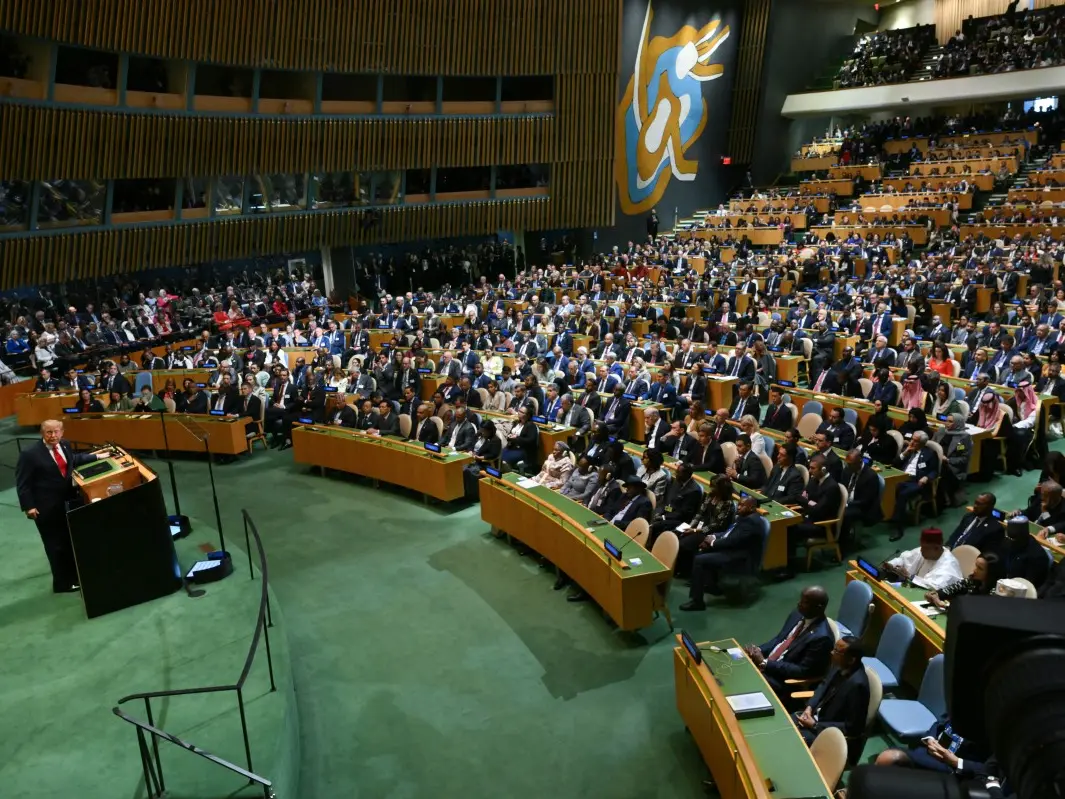
‘Strike a deal or drive Iran into hell’: Trump issues fresh warning to Tehran at UNGA
)
Trump calls Cuba a ‘failed state’ at UN, Cuban delegation walks out
)
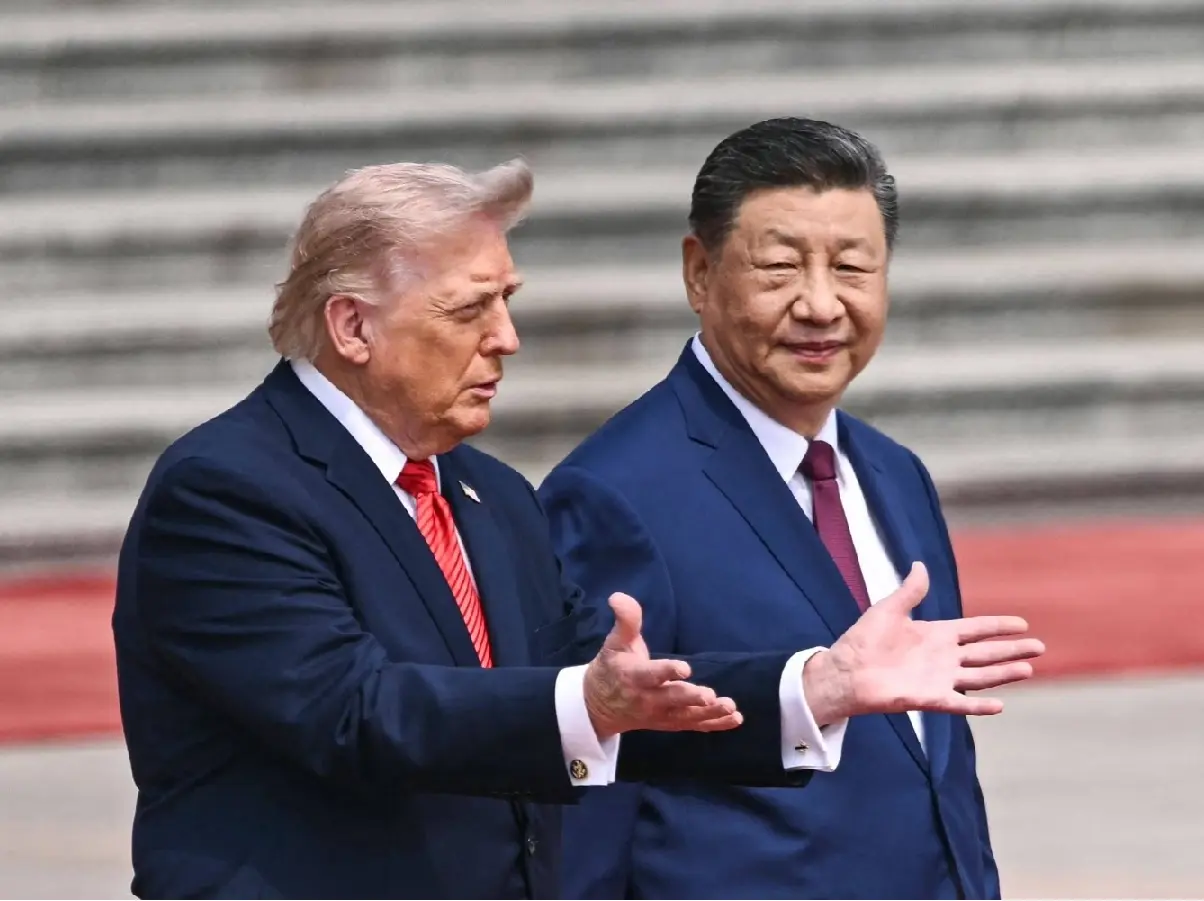
Trump’s China visa crackdown puts US universities, Chinese students in focus ahead of Trump- Xi summit
)
Explainer: Why rare-earth export licences and Board of Trade are US priorities ahead of Trump-Xi summit
)
BTS fans mock iHeartRadio’s day 2 turnout after short set controversy
)
Oil slips to $98 as Saudi Arabia restarts East-West oil pipeline
)
‘Shame on you’: Netanyahu vows to ‘tell the truth’ about Mamdani at UN ahead of New York visit
)
The Scandal: Why so scandalous? Ji Chang Wook leaves you gasping for air
Sally Lau, the lead author, reportedly explained that the octopuses found migration "pathways" through the sea after the ice sheet melted, enabling interbreeding and gene flow between populations.
The study focused on a critical period, the Last Interglacial, occurring around 129,000 to 116,000 years ago, characterised by global temperatures 0.5 to 1.5 degrees celsius warmer than preindustrial levels. During this time, global sea levels rose 5 to 10 metres higher than today, with Antarctic meltwater contributing significantly.
Also Read |Ferocious Scythians used human skin to make leather: Researchers
Today's Earth faces a parallel scenario, with global temperatures already 1.2 degrees Celsius above the preindustrial average. Concerns have risen about the potential collapse of the Antarctic Ice Sheet, leading to an increasein global sea levels.
Watch |AI could replace 300 million jobs suggests report | Will ChatGPT take your jobs?
Van de Flierdt concludes, "The geological past provides a window into a future world that might be 1, 2, 3 or even 4 degrees warmer. ... But the geological past is our best bet to learn about how the planet might react to unprecedented greenhouse gas emissions."
(With inputs from agencies)