Guess which wild animal was used to be man's pet 1,500 years ago. Hint: Not dogs

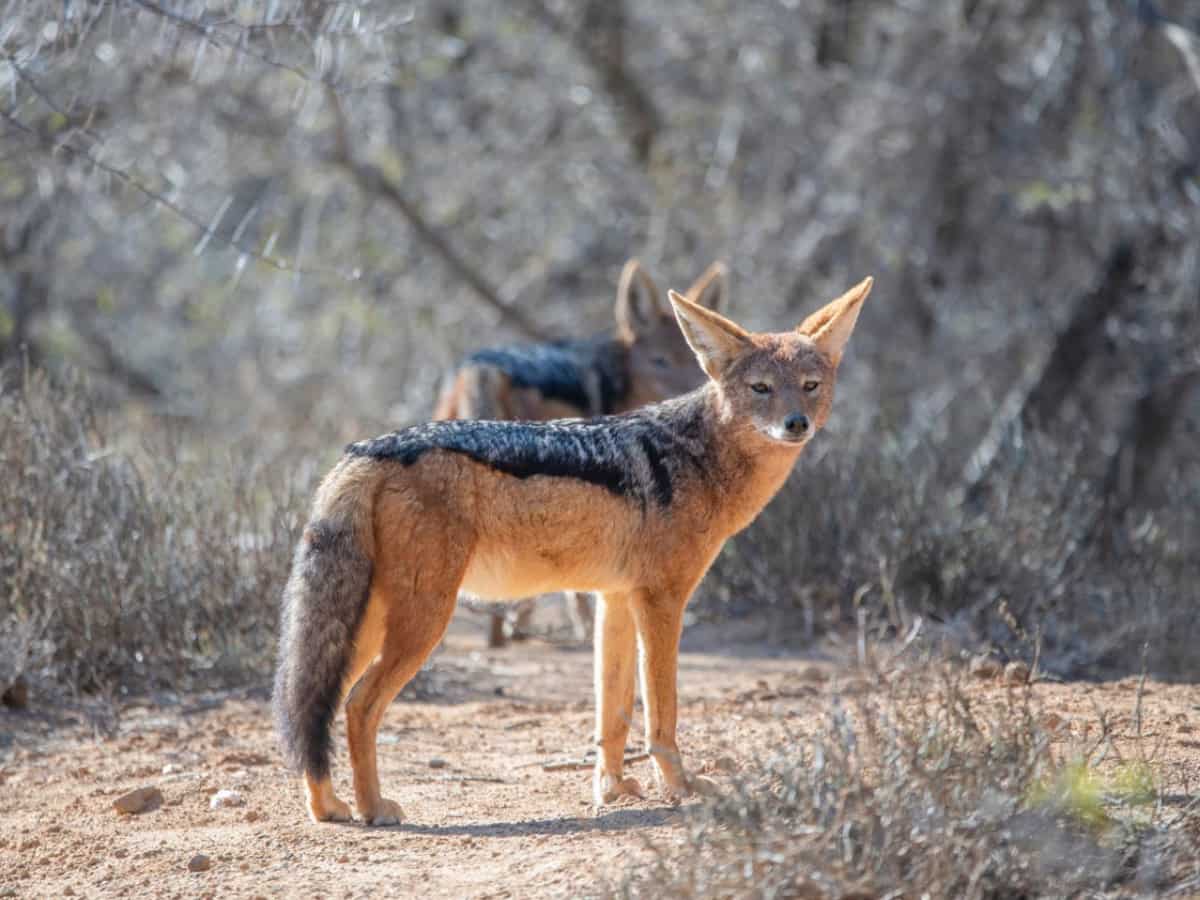
Wild fox
Remains of ancient foxes, that were once domesticated, were found buried with their owners at an archaeological site in Argentina. These foxes, called Dusicyon avus, were kept as pets by hunter-gatherers some 1500 years back, in Patagonia, Argentina.
Previously, some studies opined that after the arrival of European dogs, people started disregarding foxes as pets. However, a recent study shows that climate change was the actual reason for their extinction among various other factors, and not the arrival of European dogs.
Also Read |Rover and first Japanese astronaut on Moon: US, Japan announce historic space collaboration

The study was conducted in parts of South America by Ophelie Lebrasseur among others, who is a zooarchaeologist at the University of Oxford. During the study, the team also found the remains of afox that had “been deliberately buried alongside the person in the grave,” told Lebrasseur to Live Science.
Lebrasseur is a co-author of the new study, which was led by molecular biologist Cinthia Abbona of Argentina's Institute of Evolution, Historical Ecology and Environment (IDEVEA) in Mendoza.
Proof of people keeping foxes as pets in parts of South America
&imwidth=180&imheight=135&format=webp&quality=medium)
Poland: 19-year-old stabs several at Polish vocational school
&imwidth=180&imheight=135&format=webp&quality=medium)
'Baseless and misconceived': India issues statement after Elon Musk's 'oligarchs' claim over Starlink delay
&imwidth=180&imheight=135&format=webp&quality=medium)
‘Team first and team ahead’: India coach Gambhir pens heartfelt wish for chief selector Ajit Agarkar
&imwidth=180&imheight=135&format=webp&quality=medium)
Trump's naked 23-karat gold statue unveiled near European Parliament
&imwidth=180&imheight=135&format=webp&quality=medium)
Nana Patekar: Remembering a legend of the Indian cinema
&imwidth=180&imheight=135&format=webp&quality=medium)
Russia warns Lithuania over nuclear weapons, Europe braces for massive hybrid attack | Gravitas
&imwidth=180&imheight=135&format=webp&quality=medium)
Captain Smit Machchhar on feet again, walks 10 steps as recovery continues after Flydubai flight attack
&imwidth=180&imheight=135&format=webp&quality=medium)
'They came in, they hit us': New videos show Iranian attacks on US Camp Buehring in Kuwait | Watch
&imwidth=180&imheight=135&format=webp&quality=medium)
Trump distances himself from senior political advisers over work for pro-Russian government
&imwidth=180&imheight=135&format=webp&quality=medium)
Narendra Modi Stadium bomb threat declared hoax; India & Australia U19 squads safe
&imwidth=180&imheight=135&format=webp&quality=medium)
US midterms 2026: Why the Latino vote could shape control of Congress
&imwidth=180&imheight=135&format=webp&quality=medium)
US Midterms 2026: Barack Obama hits campaign trail to boost Democratic candidates
&imwidth=180&imheight=135&format=webp&quality=medium)
Shia LaBeouf and Mia Goth head for divorce after nearly 10 years
&imwidth=180&imheight=135&format=webp&quality=medium)
Nicolas Maduro, wife likely to face new charges over alleged torture of US citizens: Report
&imwidth=180&imheight=135&format=webp&quality=medium)
Texas man executed by lethal injection; first US execution since botched Christa Pike execution
&imwidth=180&imheight=135&format=webp&quality=medium)
Jon Rahm quits LIV Golf as breakaway tour attempts to relaunch itself
&imwidth=180&imheight=135&format=webp&quality=medium)
Christa Pike wakes after failed execution, asks 'Where am I and who are you?'
&imwidth=180&imheight=135&format=webp&quality=medium)
Christa Pike 'angry' and 'confused' after failed execution; judge orders to preserve evidence
&imwidth=180&imheight=135&format=webp&quality=medium)
Nigerian President Bola Ahmed Tinubu hails Modi’s 25-year leadership milestone, calls for deeper Nigeria-India strategic ties
&im=FitAndFill=(700,400)&imwidth=180&imheight=135&format=webp&quality=medium)
US midterms 2026: 10 leaders and candidates to watch in the battle for Congress
&imwidth=180&imheight=135&format=webp&quality=medium)
Africans knew how to build 20-storey skyscrapers 2,800 years ago
&imwidth=180&imheight=135&format=webp&quality=medium)
Nana Patekar's #MeToo controversy: From Tanushree Dutta’s allegations to court ruling
&imwidth=180&imheight=135&format=webp&quality=medium)
Veteran actor Nana Patekar dies at 75 after suffering cardiac arrest
&imwidth=180&imheight=135&format=webp&quality=medium)
Musk alleges ‘oligarchs’ blocking Starlink in India, here is what we know so far
&imwidth=180&imheight=135&format=webp&quality=medium)
Lightning strikes IndiGo Patna-Lucknow flight at 17,000 feet, damages nose; all 110 safe
&imwidth=180&imheight=135&format=webp&quality=medium)
Mall of America attack: FBI arrests man over alleged ISIS-inspired mass shooting plot with AK-47 and 200 rounds
&imwidth=180&imheight=135&format=webp&quality=medium)
France holds talks with Taliban government amid diplomatic outreach
&imwidth=180&imheight=135&format=webp&quality=medium)
'I should win it': Trump renews Nobel Peace Prize claim ahead of 2026 announcement
&imwidth=180&imheight=135&format=webp&quality=medium)
IndiGo flight struck by lightning at 17,000 feet, nose of Patna-Lucknow flight damaged
&imwidth=180&imheight=135&format=webp&quality=medium)
US readying to strike Iran? Report suggests Trump preparing to put on show of strength ahead of US midterms
&im=FitAndFill=(700,400)&imwidth=180&imheight=135&format=webp&quality=medium)
World’s top vehicle producers: Top 10 countries making the most cars. Check where India stands
&imwidth=180&imheight=135&format=webp&quality=medium)
Trump to honour Elon Musk, Sergey Brin and Jensen Huang with top science honour at White House. Check the full list here
&imwidth=180&imheight=135&format=webp&quality=medium)
'We don't think so': Trump says Russian plague lab worker's death not linked to bio-weapon
&imwidth=180&imheight=135&format=webp&quality=medium)
France protests: How a Gen Z school movement turned into a political war | The Verdict
The remains of a fox buried with a human were found at the Cañada Seca site. Researchers initially thought that the bone specimens were from the Lycalopex genus of South American foxes.
However, upon carrying out precise measurements and DNA analysis, it was later found to be the remains of Dusicyon avus.
Watch |Peru archaeologists unearth 1,000-year-old mummies of children in Lima
An analysis of the carbon and nitrogen isotopes present in the fox bones indicated that the animal had eaten a plant-rich diet similar to that of the person buried in the grave, said Lebrasseur. Wild foxes were generally habitual of eating more meat, but the fox found inside the grave had been eating whatever the human ate.
Also Read |‘I think this is pretty doable,’ says Elon Musk on Mars settlement plans
"The most plausible explanation is that this fox was a valuable companion to the hunter-gatherer groups," the authors wrote in the study.
"Its strong bond with human individuals during its life would have been the primary factor for its placement as a grave good after the death of its owners or the people with whom it interacted," they wrote.
Spread of dogs as pets in South America
Dogs (Canis familiaris) first came to the South American continent about 4000 years ago, but by 3000 years ago, their spread seems to have stopped north of Patagonia.
Also Read |Accelerated ageing is heightening cancer risk in younger population: Study
Due to this, the first evidence of dogs in the region is from the 16th century, when some indigenous societies started breeding dogs of European descent.
It is highly unlikely that the modern dogs of the region could have descended from a mixture of dogs and foxes, as was thought previously.
(With inputs from agencies)