Hubble captures ‘monster merger’ of two galaxies. Is this the future of Milky Way?

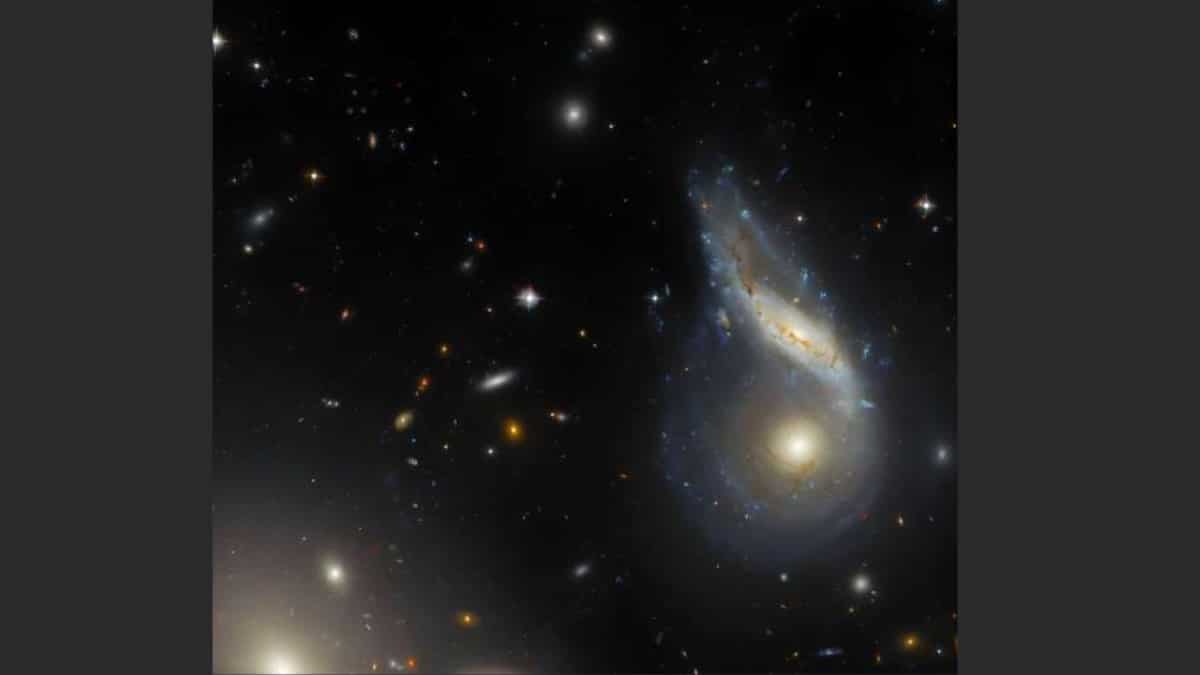
Hubble captures 'monster merger'
The National Aeronautics and Space Administration (NASA) and European Space Agency (ESA) announced that the Hubble Space Telescope released an image of a "monster merger" of two galaxies.
The image features Arp 122, which is a peculiar galaxy that in fact comprises two galaxies – NGC 6040, the tilted, warped spiral galaxy and LEDA 59642, the round, face-on spiral.
What's interesting is that NASA has said that both galaxies are in the midst of a collision — similar to the Andromeda–Milky Way prediction, which is said to occur in about 4.5 billion years.

This prediction is expected between the two largest galaxies in the Local Group—the Milky Way, which contains the Solar System and Earth, and the Andromeda Galaxy.
Notably, the galactic collisions and mergers are a slow process and would take hundreds of millions of years to unfold.
)
How Zaheer Khan came to be CSK's head coach of IPL 2027
)
India at UNGA81: Jaishankar warns global order under 'growing stress', pushes for ‘reformed multilateralism’
)
Randeep Hooda arrives in Gujarat for his first National Film Award: ‘Very grateful’
)
Delhi Air pollution: Strict crackdown on waste burning
)
'Needs time away from the international scene': England white-ball captain Brook on pacer Brydon Carse's future
)
The Verdict | The Mecca Agreement is under scrutiny as Houthis attack Saudis
)
Trump's helipad event overshadowed by audio failure as major TV networks suspend pool coverage
)
Raaka creates history! Allu Arjun’s film secures Guinness World Record ahead of release
)
Microsoft executive called AI training the ‘largest theft of labour in human history’
)
IIT Bombay tensions ease after three-hour open house; director’s assurances pacify students
)
US-Iran war, peace deals and more: What to expect from Trump's UNGA 2026 speech
)
Russia-Ukraine war: Russian strikes knock out three of Ukraine's largest steel plants
)
From ‘communist’ to ‘great mayor’: Trump praises Mamdani after New York meeting, discusses immigration and housing
)
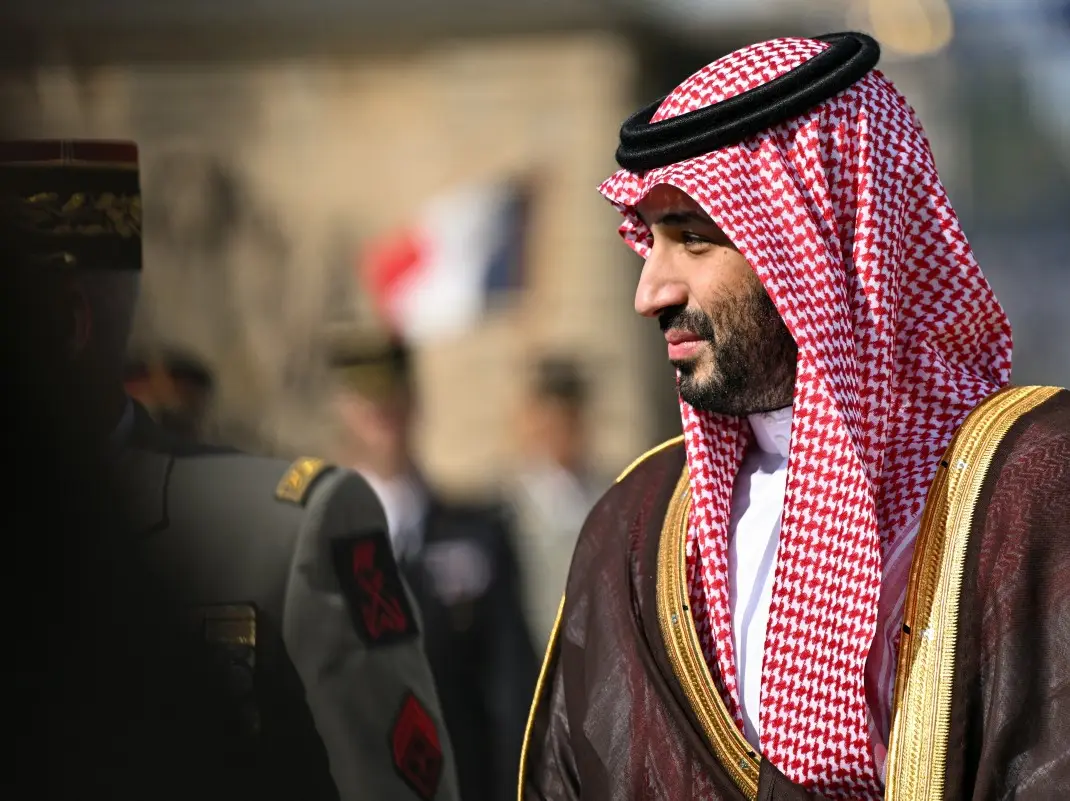
UK PM Burnham agrees to 'defensive' military support for Saudi Arabia against Houthis
)
Saudi Arabia exits China-led mBridge digital currency platform amid Saudi-Houthi conflict
&im=FitAndFill=(700,400))
New OTT releases this week (September 21-27, 2026): Shaque: Trust No One, Hunkkaar, Don’t Be Shy- 5 new titles coming to Netflix, Prime Video and more
)
$110 billion Warner Bros merger: Paramount reaches settlement with 12 US states
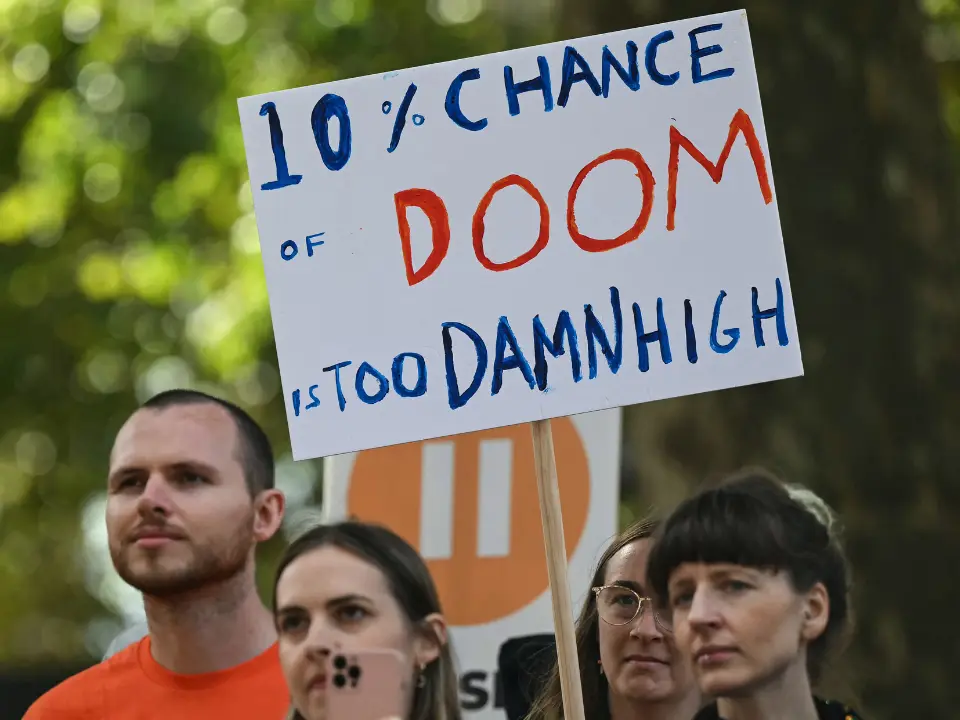)
Anti-AI activists storm summit, say 'incompetent' leaders are leading us into a disaster - 'We need a vote'
)
US and China vie for AI dominance as calls grow for regulation | Gravitas
)
Putin's United Russia party wins 355 seats in Duma election; 4 other parties cross threshold to enter parliament
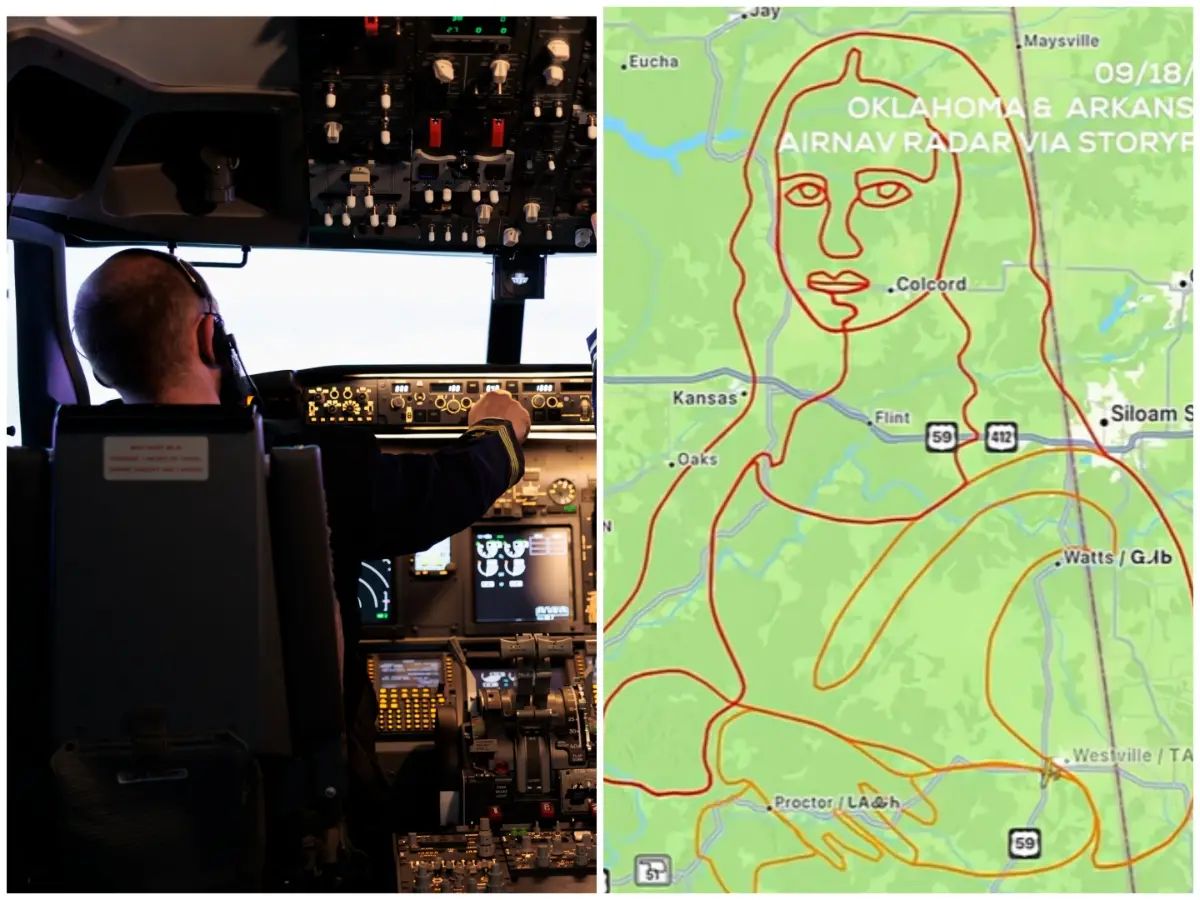)
Pilot recreates Mona Lisa in sky over Oklahoma and Arkansas in four-hour flight: VIDEO
)
'Lot of things to learn from experienced players': Jayasuriya backs Rohit, Virat for 2027 ODI World Cup
)
Report: Zelensky meets CIA chief Ratcliffe at Shannon airport, weeks after his secret Moscow trip
)
Samsung raises Galaxy S26 prices by Rs 20,000: Here’s what each model now costs
)
Glitch in the matrix caught on camera: Woman vanishes after talking to reporter
)
J&K Assembly Session begins amid chaos: BJP, ruling alliance clash as statehood demand dominates
)
Samay Raina-Mukesh Chhabra controversy explained: What happened over girlfriend joke on India's Got Latent?
)
‘0% chance’: Nvidia CEO Jensen Huang dismisses AI extinction fears by 2030
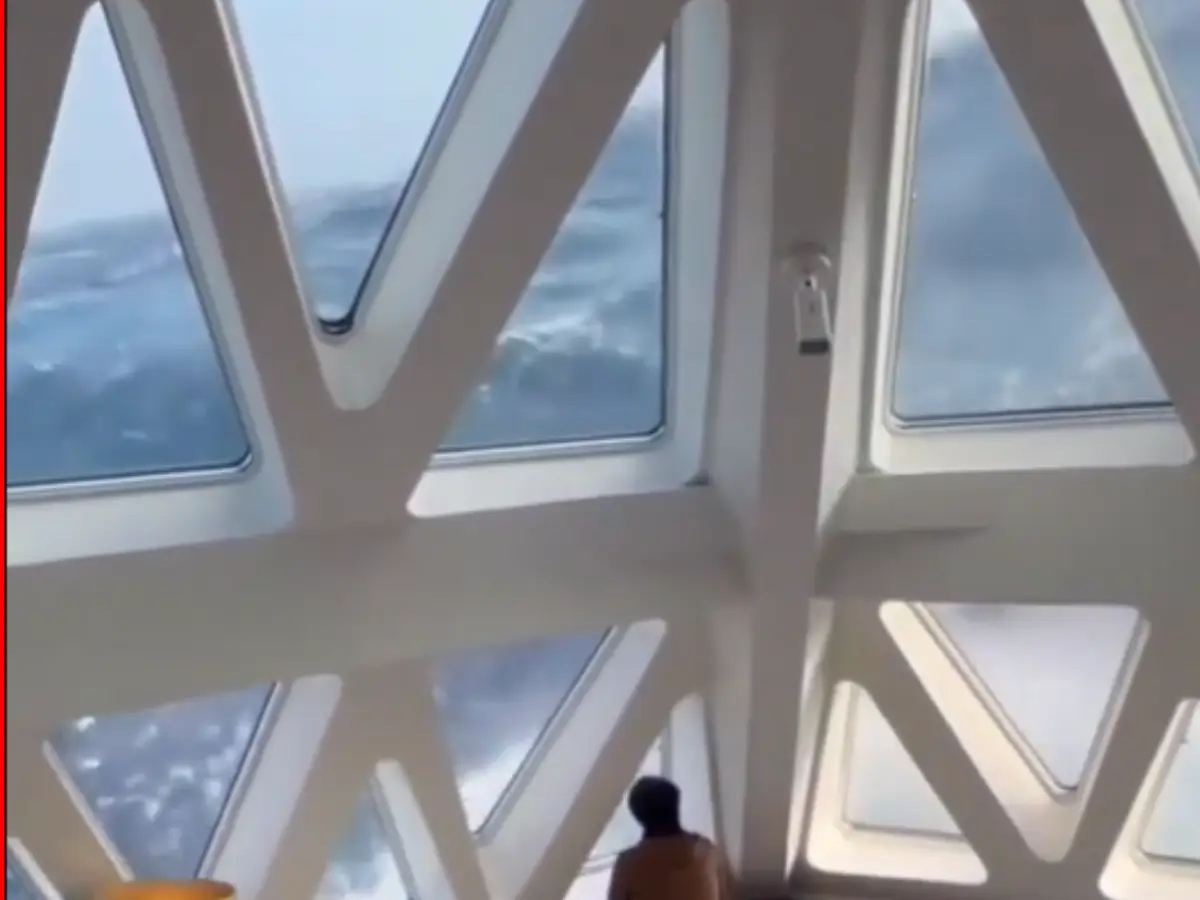)
40-foot waves crash into cruise ship in dangerous stretch near Antarctica. Watch
)
FIFA chief Infantino wants to reform governing body with consultation from federations
)
Explainer: Why rare-earth export licences and Board of Trade are US priorities ahead of Trump-Xi summit
)
BTS fans mock iHeartRadio’s day 2 turnout after short set controversy
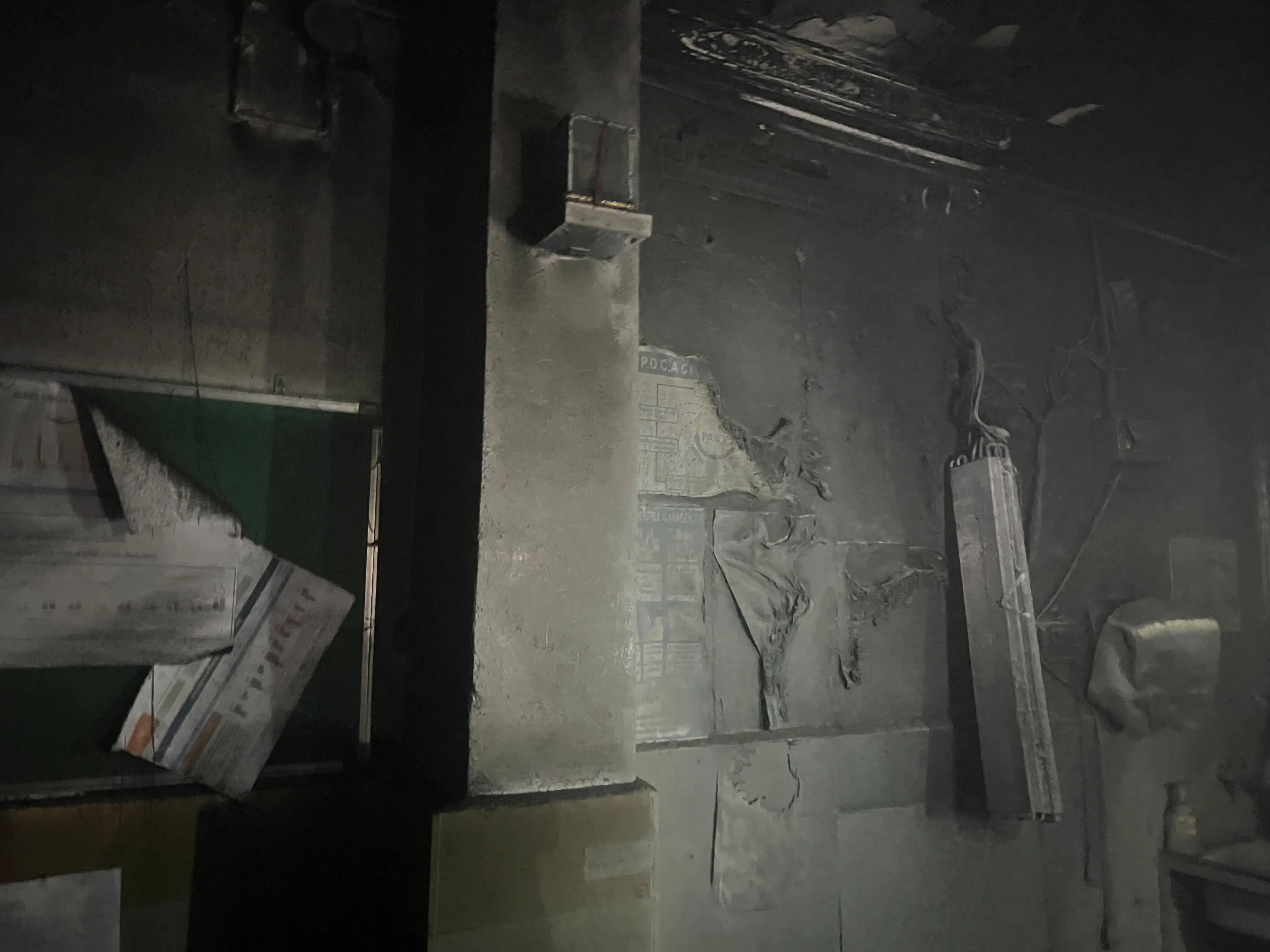)
Two infants die after fire breaks out at RIMS newborn care unit in Telangana's Adilabad
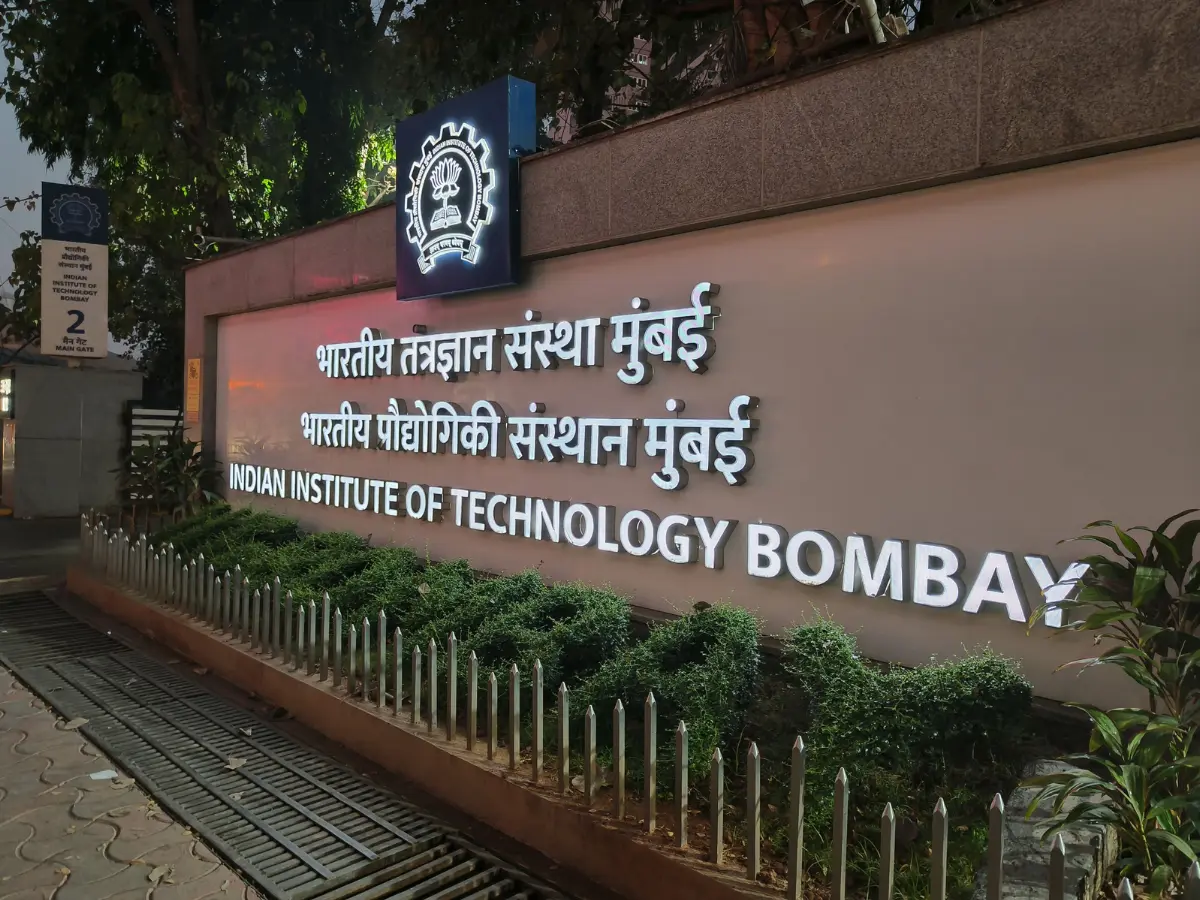)
IIT Bombay student death: CCTV footage becomes key evidence as police reconstruct Sahil Wakode's final hours
)
Jailer 2: Vidya Balan joins Rajinikanth's upcoming film as Kantha | Watch
NASA's report mentioned that the dramatic cosmic encounter is located roughly 570 million light-years from Earth, which is a very safe distance.
It added that at the lower-left corner is the elliptical galaxy NGC 6041, which is a central member of the galaxy cluster that Arp 122 resides in, but otherwise not participating in the merger.
The announcement read: "Galaxies are composed of stars and their solar systems, dust, gas, and invisible dark matter. In galactic collisions, therefore, these constituent components may experience enormous changes in the gravitational forces acting on them."
It added, "In time, this completely changes the structure of the two (or more) colliding galaxies, and sometimes ultimately results in a single, merged galaxy. That may well be what results from the collision pictured in this image."
Galaxies formed by mergers are considered to have a regular or elliptical structure, as the merging process disturbs more complicated structures. NASA said in its post: "It would be fascinating to know what Arp 122 will look like once this collision is complete… but that will not happen for a long, long time."