Australian study finds honeybee venom fights aggressive breast cancer, promising future therapies

&imwidth=600&imheight=450&format=webp&quality=medium "Australian study finds honeybee venom fights aggressive breast cancer, promising future therapies")
Photograph: (AFP)
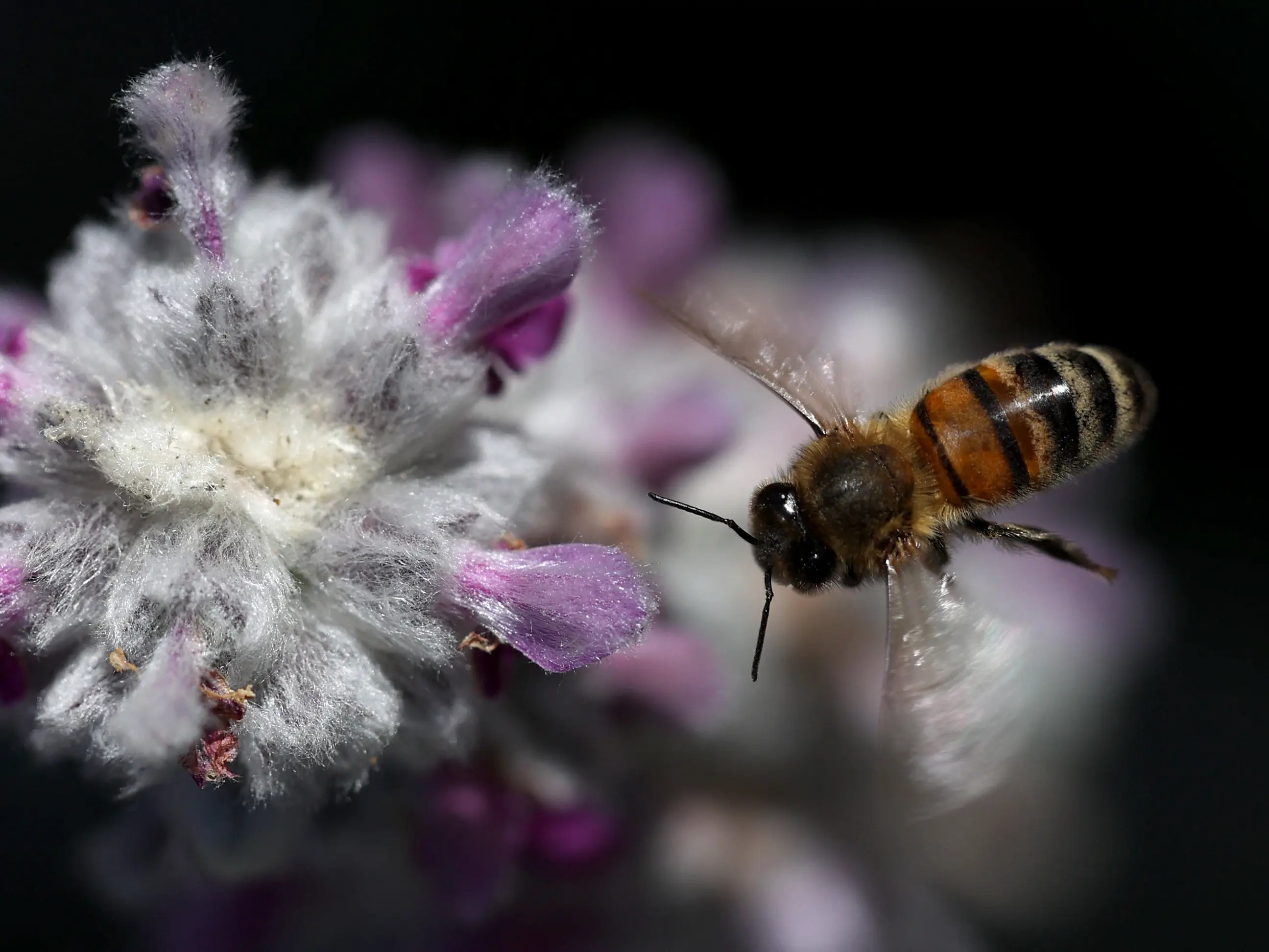
A team of scientists in Australia has found that honeybee venom and a compound in it called melittin are extremely effective in destroying breast cancer cells, the most common cancer affecting women worldwide.
In groundbreaking research, Australian scientists found that venom from honeybees is able to destroy aggressive breast cancer cells in a laboratory experiment. Describing the discovery as 'exciting', scientists cautioned that further studies are needed before it is used in the medical treatment of the most common cancer affecting women around the world.
The bee venom, along with a compound in it called melittin, was used against two cancer types, which are the most difficult to treat: triple-negative and HER2-enriched.
The combination was found potent in reducing viability of these cells “We found both honeybee venom and melittin significantly, selectively and rapidly reduced the viability of triple-negative breast cancer and HER2-enriched breast cancer cells,” Ciara Duffy, a 25-year-old PhD researcher who led the study.
The study, conducted by the Harry Perkins Institute of Medical Research in Western Australia, was published in Nature Precision Oncology, a peer-reviewed journal.
Major findings of the study
Trending Stories
&im=FitAndFill=(700,400)&imwidth=280&imheight=210&format=webp&quality=medium)
&imwidth=280&imheight=210&format=webp&quality=medium)
&imwidth=280&imheight=210&format=webp&quality=medium)
&imwidth=280&imheight=210&format=webp&quality=medium)
&imwidth=280&imheight=210&format=webp&quality=medium)
&imwidth=280&imheight=210&format=webp&quality=medium)
&imwidth=280&imheight=210&format=webp&quality=medium)
&imwidth=280&imheight=210&format=webp&quality=medium)
&imwidth=280&imheight=210&format=webp&quality=medium)
&imwidth=280&imheight=210&format=webp&quality=medium)
&imwidth=280&imheight=210&format=webp&quality=medium)
&imwidth=280&imheight=210&format=webp&quality=medium)
&imwidth=280&imheight=210&format=webp&quality=medium)
&imwidth=280&imheight=210&format=webp&quality=medium)
&imwidth=280&imheight=210&format=webp&quality=medium)
&imwidth=280&imheight=210&format=webp&quality=medium)
&imwidth=280&imheight=210&format=webp&quality=medium)
&imwidth=280&imheight=210&format=webp&quality=medium)
&im=FitAndFill=(700,400)&imwidth=280&imheight=210&format=webp&quality=medium)
&imwidth=280&imheight=210&format=webp&quality=medium)
&imwidth=280&imheight=210&format=webp&quality=medium)
&imwidth=280&imheight=210&format=webp&quality=medium)
&imwidth=280&imheight=210&format=webp&quality=medium)
&imwidth=280&imheight=210&format=webp&quality=medium)
&imwidth=280&imheight=210&format=webp&quality=medium)
&imwidth=280&imheight=210&format=webp&quality=medium)
&im=FitAndFill=(700,400)&imwidth=280&imheight=210&format=webp&quality=medium)
&imwidth=280&imheight=210&format=webp&quality=medium)
&imwidth=280&imheight=210&format=webp&quality=medium)
&imwidth=280&imheight=210&format=webp&quality=medium)
&imwidth=280&imheight=210&format=webp&quality=medium)
Dr Ciara Duffy studied the effects of venom taken from 312 honeybees and bumblebees in Western Australia, Ireland, and England on different types of breast cancer, including triple-negative breast cancer, which has few treatment options.
The study found that one specific concentration of the venom was able to kill cancer cells within an hour while causing minimal damage to healthy cells. However, higher doses were found to be more toxic.
Researchers also discovered that melittin, a compound found in honeybee venom, was effective on its own in stopping or disrupting the growth of cancer cells. Although melittin occurs naturally in honeybee venom, it can also be produced synthetically.
“We tested a very small, positively charged peptide in honeybee venom called melittin, which we could reproduce synthetically, and found that the synthetic product explained the majority of the anti-cancer effects of honeybee venom", Dr Ciara said
Triple-negative breast cancer is one of the most aggressive forms of the disease and is usually treated with surgery, radiotherapy, and chemotherapy. It accounts for about 10–15% of all breast cancer cases.