Earth is round, but Jupiter was once most likely flat: Scientists


Representational image of Jupiter.
In a breakthrough study, scientists have claimed that large planets like Jupiter, which were formed at a far distance from their host stars, may have once been like flattened disks and not spherical structures as they are currently.
Thousands of planets have been discovered by astronomers outside the Solar System, butscientists have still not understood how these worlds were formed.
In the latest study, computer simulations were used by scientists to create a model of the formation of planets on the basis of a theory that the protoplanets or young planets, get created in short timescales after the large rotating disks of gas which are orbiting young stars break up.
Also Read:NASA’s Juno spacecraft delivers stunning close-up picture of Jupiter’s moon Io
The research discovered that the protoplanets, which are most likely to have existed like flattened structures called oblate spheroids, are similar to the shape of an M&M candy or a Smarties.
“We have been studying planet formation for a long time but never before had we thought to check the shape of the planets as they form in the simulations. We had always assumed that they were spherical,” said study co-author Dimitris Stamatellos.
“We were very surprised that they turned out to be oblate spheroids, pretty similar to smarties,” said Dr Stamatellos.

Scientists decode how planets turned into large gas giants
In the study, the astronomers determined the properties of the planet compared it to the known observations, and examined the creation of mechanism of gas giant planets like Saturn and Jupiter.
The study also investigated the properties of planets which were formed in different conditions like gas density and varying temperature.
Watch:Migrating species crucial to planet under threat: UN report
)
US vs China over South China Sea: Washington backs Philippines, Beijing hits back
)
Outrage erupts after 3-year-old is married to 60-year-old man in Pakistan, link to her sister's murder being probed
)
‘Anti-social elements spreading false rumours’: LPU issues statement amid massive unrest over alleged rape
)
LPU students go on rampage, vandalise campus amid widespread protest: What's happening
)
OpenAI AI Agents hacked 4 websites before Hugging Face, researchers reveal
)
US Treasury Secretary Scott Bessent hails global crackdown on Iranian banks and airlines
&im=FitAndFill=(700,400))
New Friday OTT releases (September 25, 2026): Don’t Be Shy, Hunkkaar: The Roar, Mango Pachcha- 6 movies and TV shows on Netflix, Prime Video and more
)
Asian Games 2026: India face Afghanistan in quarterfinal on Sep 28; Pakistan clash with Hong Kong
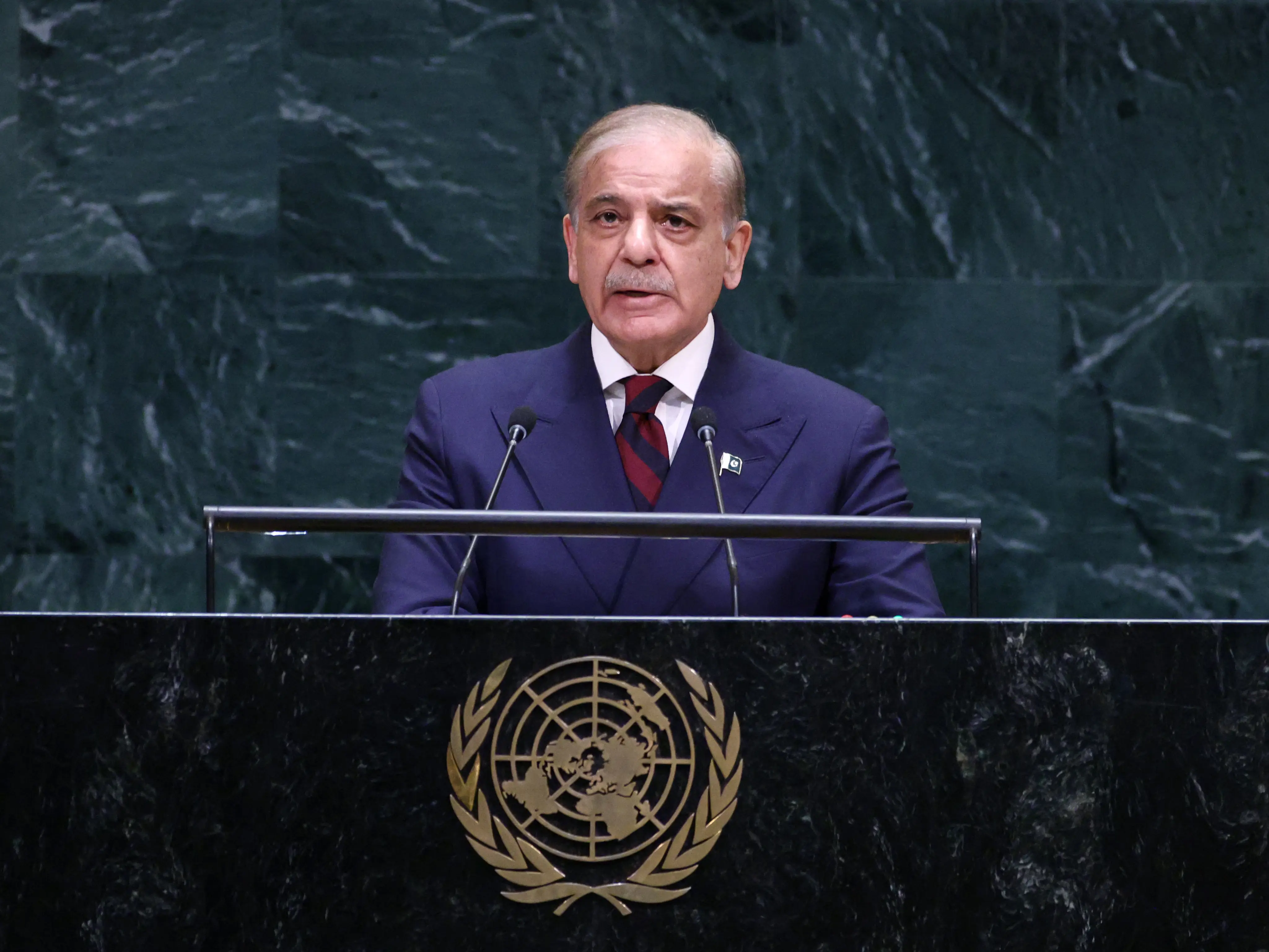)
‘Attack on Mecca a red line for Pakistan’: Shehbaz Sharif warns Houthis at UN
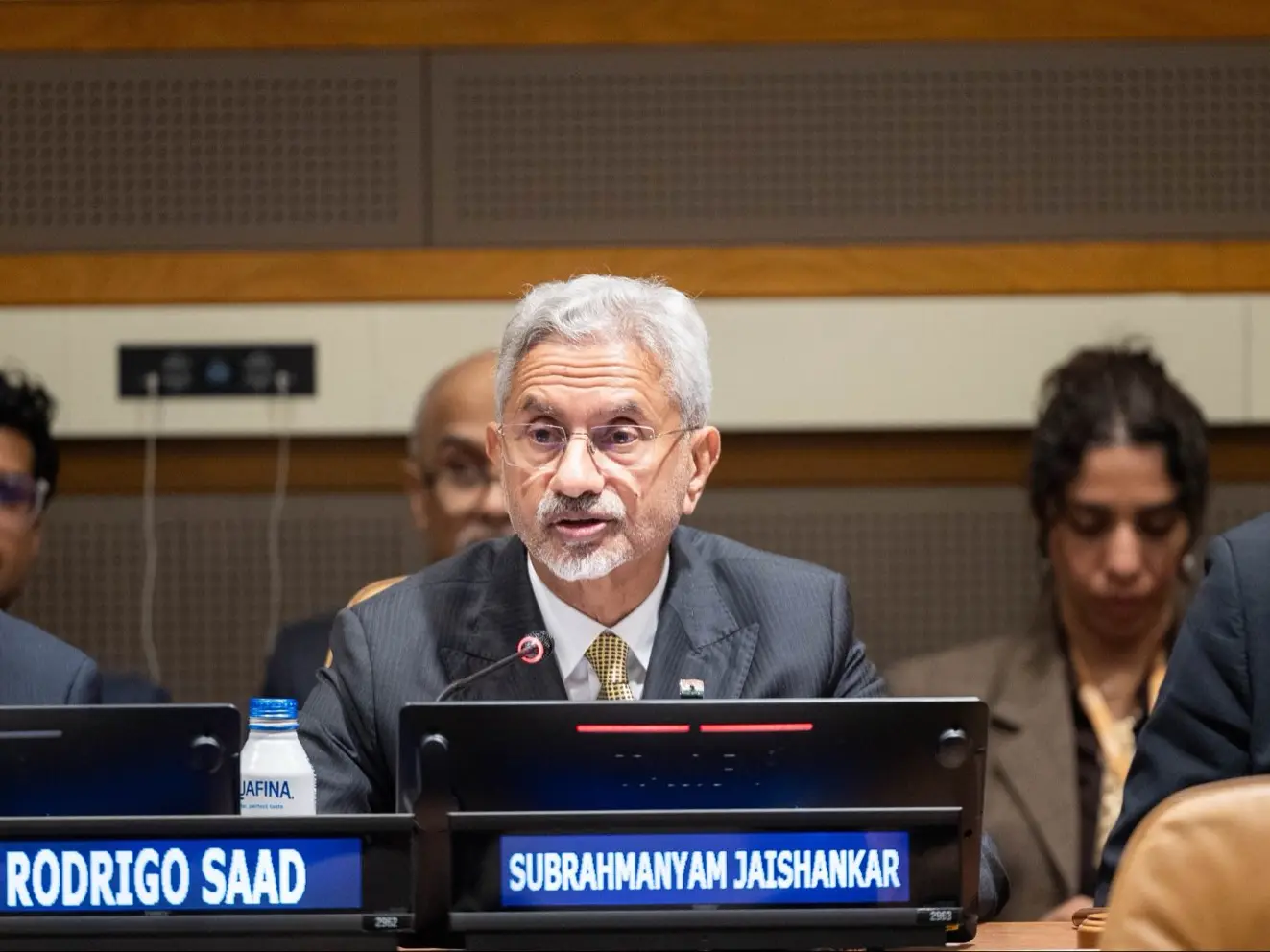)
'Countries far from conflict are penalised': Jaishankar calls for Gulf peace, seafarer safety at UN
)
Bigg Boss 20: Salman Khan schools Rhiti Tiwari over Qazi Touqeer clash, compares her to Dolly Bindra
&im=FitAndFill=(700,400))
Humanoid robots to virtual worlds! Korean sci-fi dramas to watch: Are You Human Too?, Memories of the Alhambra and more
)
IND vs WI 1st ODI: Naman Dhir debuts as India bowl first in Trivandrum; check playing XIs
)
Gaza's war turned environmental damage into second crisis
)
Nations League: Spain sink England at Wembley; Modric shines for Croatia
)
Two men die of suspected chemical exposure inside public toilet in Mumbai
)
Trump-Xi summit wrap: Big pageantry, Iran talks, few major developments and more meetings planned
)
‘Could kill billions...’: Bill Gates backs calls to slow AI development amid fears of catastrophe
)
Bollywood x K-pop crossover! LE SSERAFIM’s Kazuha charms fans with Shah Rukh Khan’s ‘Chammak Challo’ steps
)
US-Iran war: Trump rejects Iran's Hormuz proposal, reports suggest talks expected next week
)
'What kind of confession is this?': Pakistan PM Shehbaz Sharif’s 'terrorists would be roaming New York' remark goes viral, raises alarm online. Watch
)
Jaishankar at UNGA: Goodwill and friendship can't coexist with terrorism
)
Sri Lankan Tamil migrant worker gets death sentence in Saudi Arabia, help sought from India
)
'FIRST LOOK from inside Noah’s Ark': Researchers share video from inside mysterious mound in Turkey
)
UNSC reform momentum grows: Russia, Portugal, Mauritius push for India's permanent seat bid
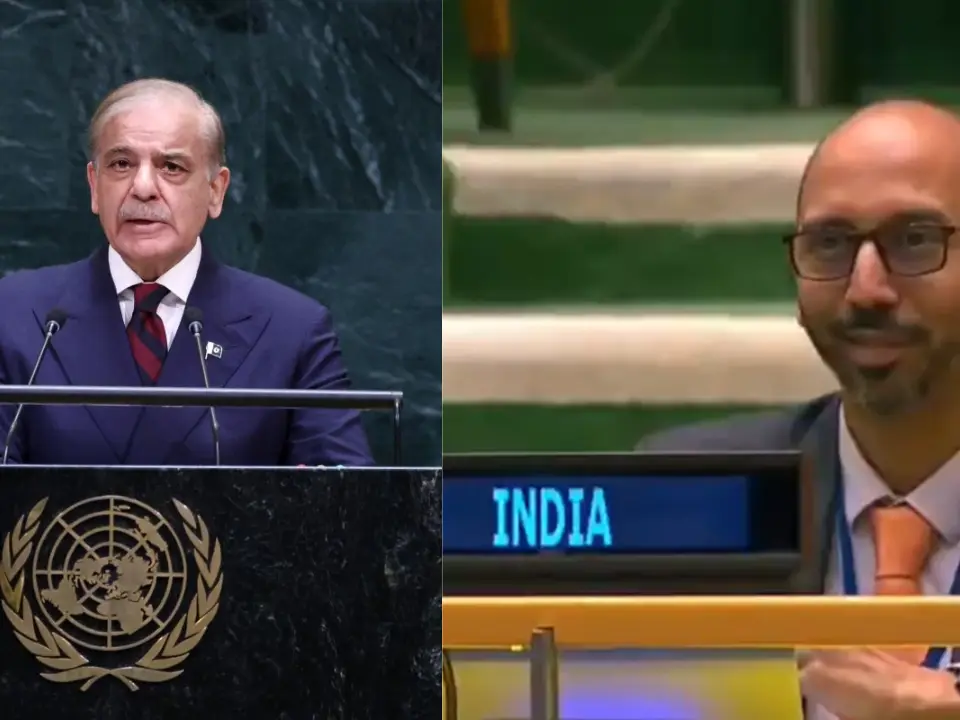)
WATCH | As Shehbaz Sharif claims Pakistan’s ‘victory’ during 2025 conflict, Indian diplomat R Srinivas laughs at UN
)
Ceuta migrant crisis: Protesters take to streets as Spain grapples with migrant challenge
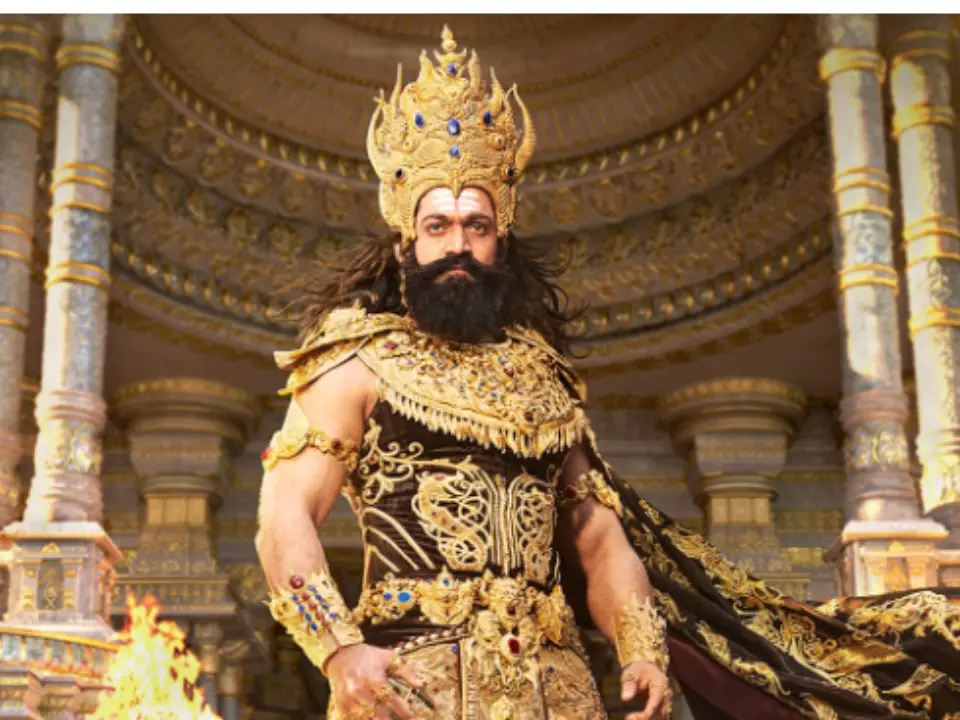)
Ramayana: Yash’s Ravana gets first official poster from Nitesh Tiwari’s epic
)
'A terrorist country is asking me that question?': Jaishankar hits back at Pakistani journalist at UN; flags attacks on commercial shipping
)
Russia will achieve Ukraine war aims; Europe doing everything to block peace talks: Lavrov at UN
Till now, researchers have theorised that planets are formed by either of the two processes. One of these processes called “core accretion”, is the gradual growth of dust particles which remain together to create progressively larger objects on long timescales.
Planets are also likely to have been formed directly by the particles of the large rotating disks of material after they broke up around young stars in short timescales in a process known as the theory of disk instability.
“The large majority of the protoplanets that form in the simulations are oblate spheroids rather than spherical, and they accrete faster from their poles,” wrote scientists.
(With inputs from agencies)