New Zealand at risk of tsunami waves as high as 92 feet every 580 years: Study


Representative image of high Tsunami waves
New Zealand faces the threat of colossal tsunamis, as high as 92 feet, once every 580 years, according to a groundbreaking study that employed a new method to assess tsunami risk.
The research, conducted by a team of experts from Victoria University of Wellington, used synthetic earthquakes, and computer models incorporating factors such as fault system geometry and physics, spanning 30,000 simulated years to comprehend potential tsunami risks to both the country's North and South Islands.
The study holds significance due to the critical proximity of New Zealand to subduction zones, specifically the Hikurangi subduction zone, where the Pacific tectonic plate is beneath the Australian plate just offshore.A subduction zone is a place on Earth where two tectonic plates meet, and one plate is forced beneath the other into the Earth's mantle.

In the study, lead author Laura Hughes highlighted the urgency of comprehending the risks associated with these devastating waves due to the "really short timespan [between] when these earthquakes happened and when the tsunami waves hit."
Also Read |US rejects claims that it was plotting violent attacks against Cuba
"We're able to put in a variety of properties we think may exist and get that range of potential earthquakes and range of potential tsunamis that may happen," Hughes stated.
&imwidth=180&imheight=135&format=webp&quality=medium)
India at UN: Pak allows terror groups to operate from its soil
&imwidth=180&imheight=135&format=webp&quality=medium)
'Nidal Hasan's firing-squad execution to be livestreamed', says Pentagon; first US military execution since 1961
&imwidth=180&imheight=135&format=webp&quality=medium)
OpenAI shuts down Russian, Iranian influence operations using ChatGPT to spread propaganda
&imwidth=180&imheight=135&format=webp&quality=medium)
Zendaya gives The Odyssey white lace jacket a stylish twist at Paris Fashion Week 2026
&imwidth=180&imheight=135&format=webp&quality=medium)
New Cold War: Why is China buying more gold? Explained
&imwidth=180&imheight=135&format=webp&quality=medium)
Who is Nana Patekar's wife Neelakanti? The bank officer who earned Rs 2,500 when he earned Rs 50
&im=FitAndFill=(700,400)&imwidth=180&imheight=135&format=webp&quality=medium)
435 House seats, 35 Senate races: The numbers behind US midterms 2026
&imwidth=180&imheight=135&format=webp&quality=medium)
Premier League: Haaland wants Manchester City to 'try to enjoy the situation and win the game'
&imwidth=180&imheight=135&format=webp&quality=medium)
A Love Other Than Yours: The temptation to cheat and what pushes people over the edge
&imwidth=180&imheight=135&format=webp&quality=medium)
Pakistan denies reports of PAF jets being used in attacks against Iran-backed Houthis in Yemen
&imwidth=180&imheight=135&format=webp&quality=medium)
BTS agency HYBE announces first-ever Weverse Con Festival in India
&imwidth=180&imheight=135&format=webp&quality=medium)
Flydubai flight attack: Indian pilot Smit Machchhar to receive Israel's highest civilian bravery award for saving 174 lives
&imwidth=180&imheight=135&format=webp&quality=medium)
Musk doubles down on Starlink India licence allegations; Rahul Gandhi says ‘wait till...’
&imwidth=180&imheight=135&format=webp&quality=medium)
‘Wait till you discover the other guy’: Rahul Gandhi takes a swipe as Musk's 'Ambani real boss of India' remark triggers X subscription cancellations
&imwidth=180&imheight=135&format=webp&quality=medium)
KATSEYE’s Sophia Laforteza to return in 2027 after hiatus, agency issues statement
&imwidth=180&imheight=135&format=webp&quality=medium)
Nana Patekar's #MeToo controversy: From Tanushree Dutta’s allegations to court ruling
&imwidth=180&imheight=135&format=webp&quality=medium)
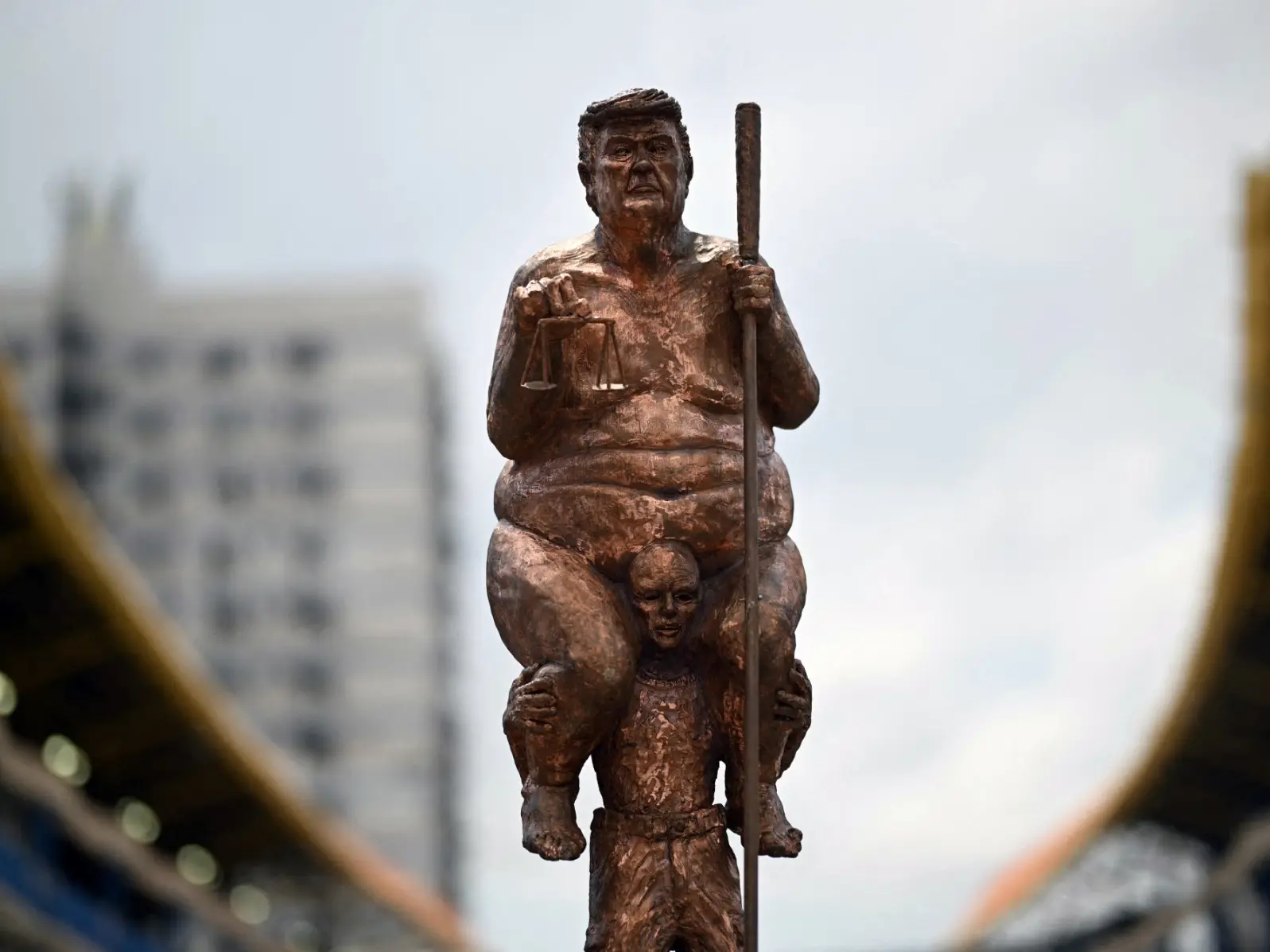
Trump's naked 23-karat gold statue unveiled near European Parliament
&imwidth=180&imheight=135&format=webp&quality=medium)
Russia president Putin promises to 'do everything' to help settle Middle East conflict as US-Iran negotiations stall
&imwidth=180&imheight=135&format=webp&quality=medium)
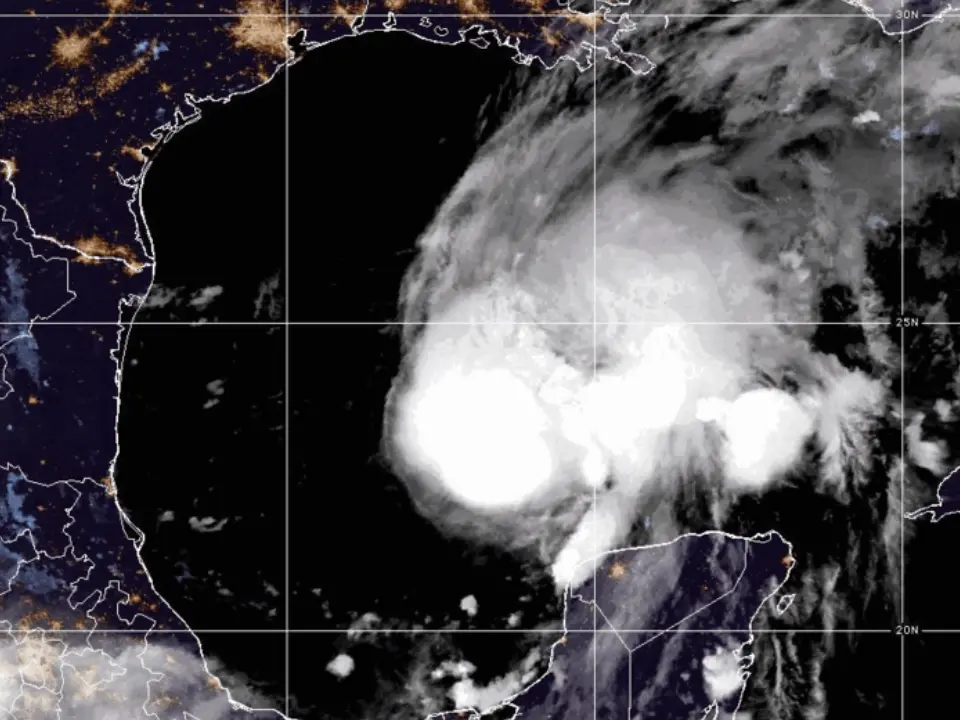
Atlantic hurricane Isaias could make landfall as a strong Category 2 storm, tornado warnings issued
&im=FitAndFill=(700,400)&imwidth=180&imheight=135&format=webp&quality=medium)
From Kramatorsk buses to Yandex fire: Russia-Ukraine war in the last 48 hours
&imwidth=180&imheight=135&format=webp&quality=medium)
New York ICE shooting sparks protests as Mamdani to call on Trump to halt ICE operations
&im=FitAndFill=(700,400)&imwidth=180&imheight=135&format=webp&quality=medium)
Fastest-growing Asian economies in 2026: Who tops the chart? Where does India rank?
&imwidth=180&imheight=135&format=webp&quality=medium)
'Understood consequences of a few mistakes': Ishan Kishan reflects on journey back to India team
&imwidth=180&imheight=135&format=webp&quality=medium)
Air India, Air India Express increase fuel surcharge on domestic, international flights amid rising ATF costs
&imwidth=180&imheight=135&format=webp&quality=medium)
Trump honours Microsoft CEO Satya Nadella with top technology honour amid immigration scrutiny
&imwidth=180&imheight=135&format=webp&quality=medium)
French students light European bonfire, protests erupt in Belgium, Italy & Greece | Gravitas
&imwidth=180&imheight=135&format=webp&quality=medium)
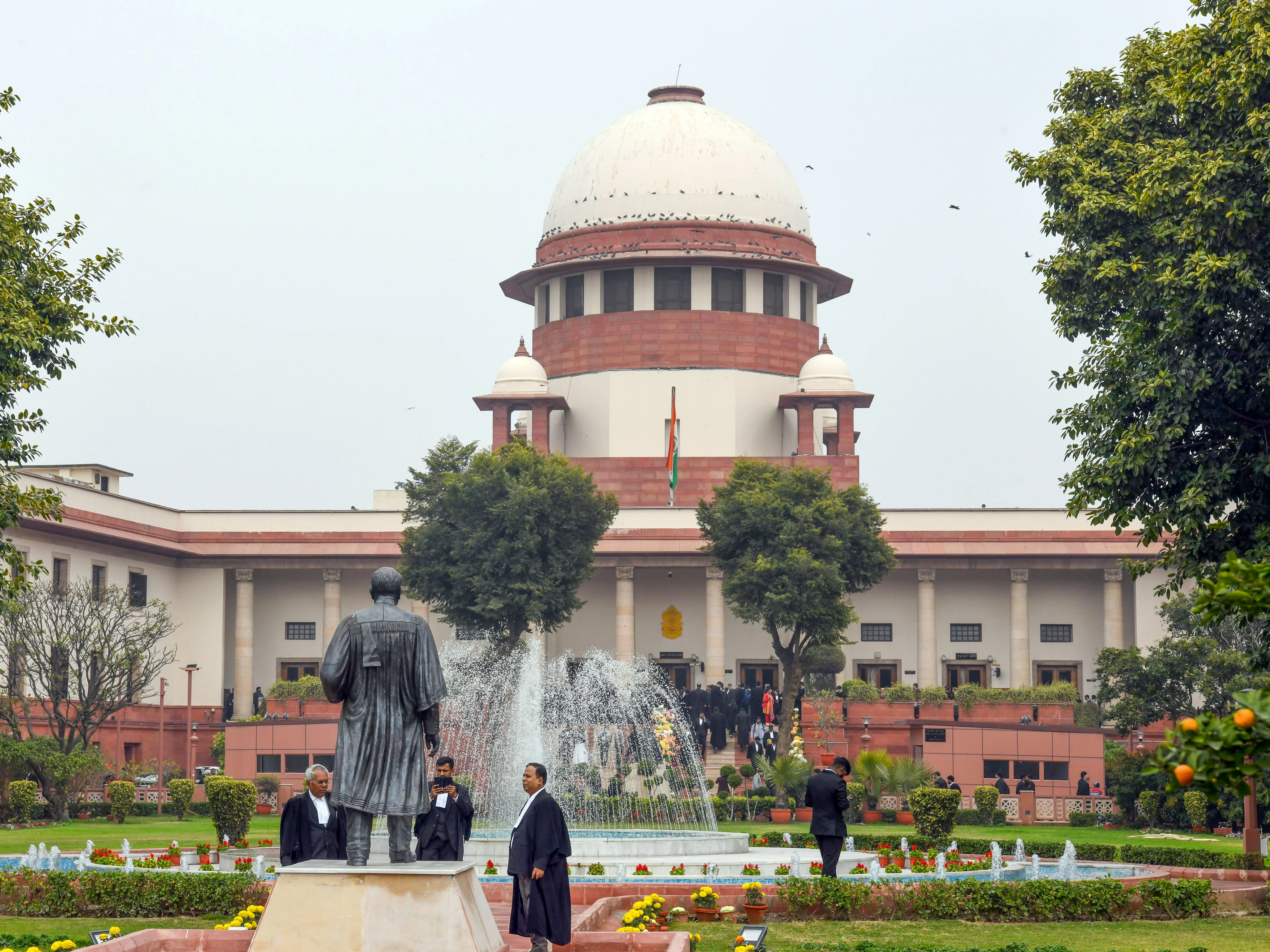
SC asks Centre to frame mechanism against unethical pharma marketing practices
&imwidth=180&imheight=135&format=webp&quality=medium)
Trump has a new 'enemy': Anyone who calls it 'artificial intelligence'. Here's what we wants instead
&imwidth=180&imheight=135&format=webp&quality=medium)
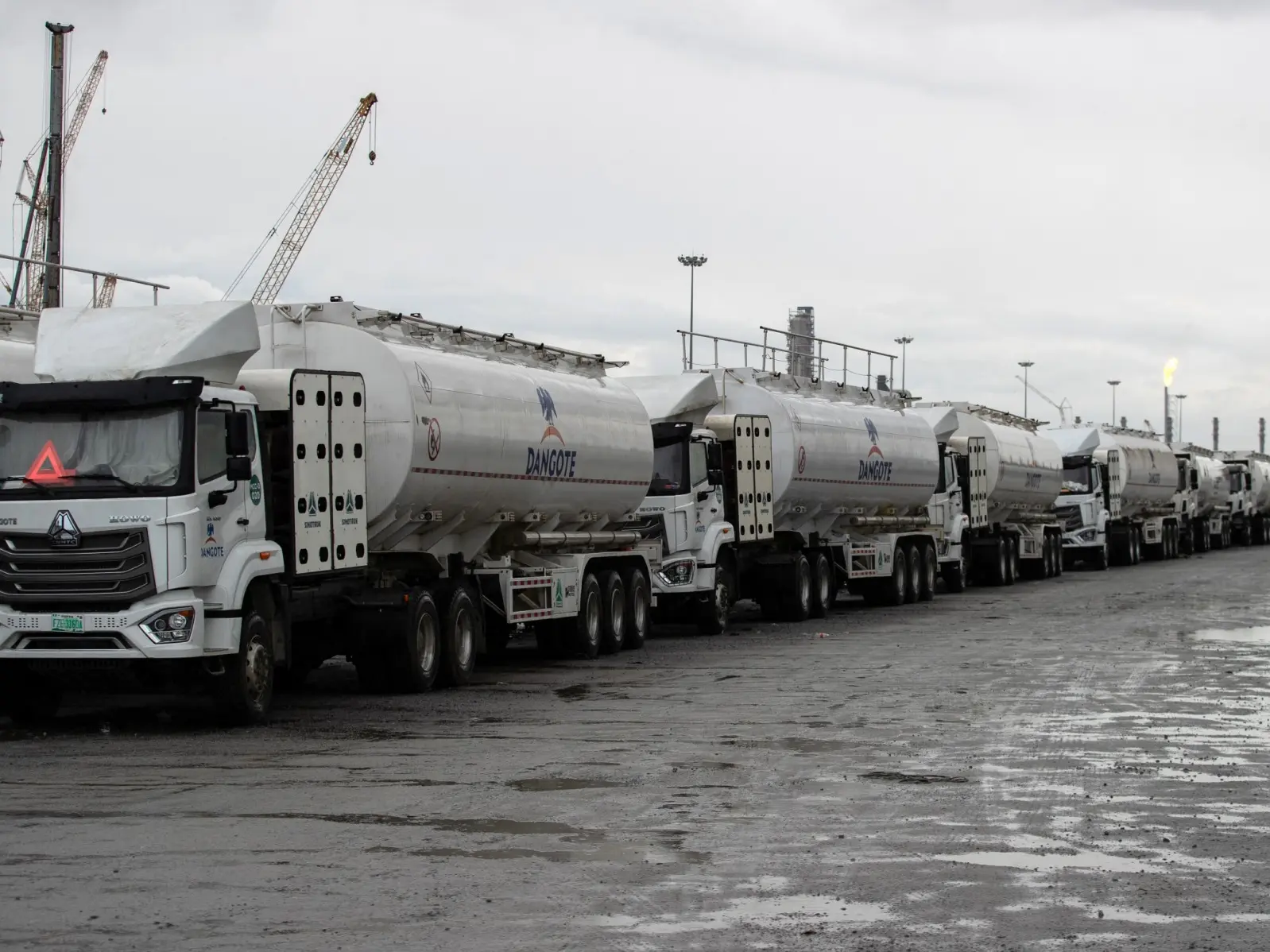
Nigeria govt rolls out 30-day NNPC petrol discount, insists it is not a subsidy
&imwidth=180&imheight=135&format=webp&quality=medium)
'Something truly catastrophic will happen': Former OpenAI researchers sound the alarm, claim they were fired for prioritising AI safety
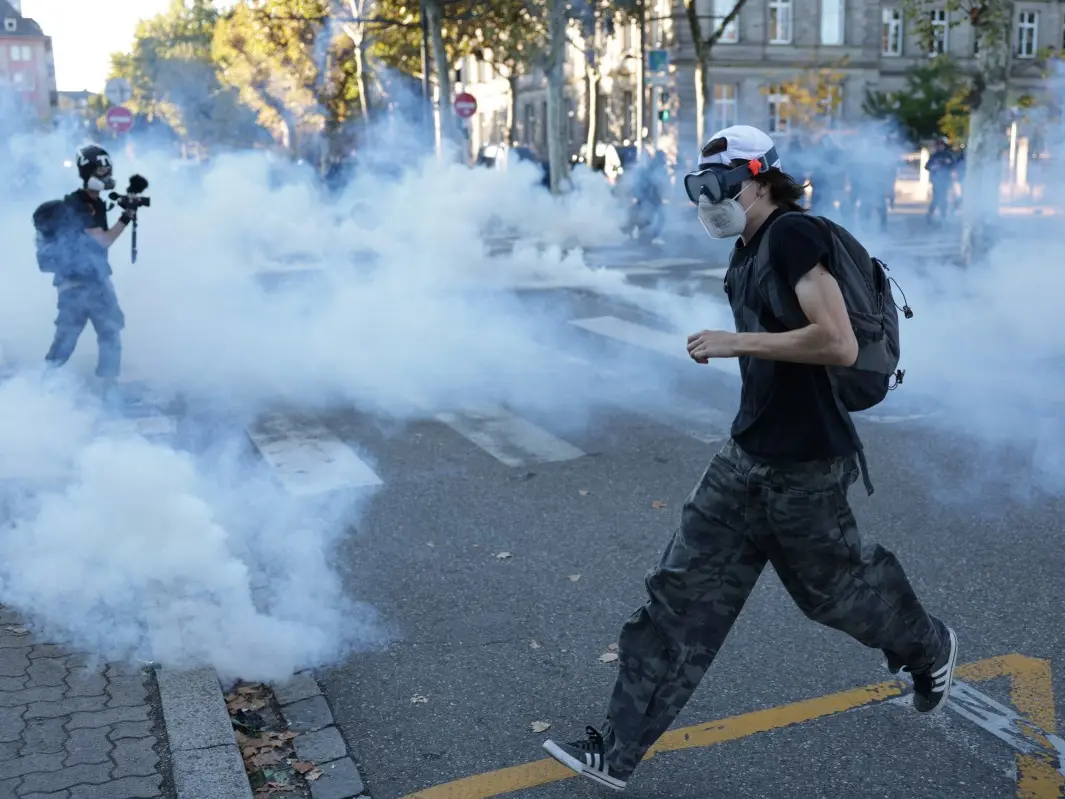&imwidth=180&imheight=135&format=webp&quality=medium)
France student protests: Over 500 arrested, govt promises 3,000 substitute teachers
&imwidth=180&imheight=135&format=webp&quality=medium)
Arizona congressional candidate claims she was sexually assaulted while repairing signs
&imwidth=180&imheight=135&format=webp&quality=medium)
US suspends Microsoft, Infosys, Tata, Wipro from green card programme over alleged H-1B abuse
&imwidth=180&imheight=135&format=webp&quality=medium)
Thai Actors Fourth Nattawat, Gemini Norawit face racism accusations from Indian fans over viral Bollywood act
&imwidth=180&imheight=135&format=webp&quality=medium)
24-year-old Sri Lankan man sentenced to death for blasphemy in Saudi Arabia
Also Read |Canadian faces 14 murder charges for allegedly selling suicide kits
The research, published in the journal JGR Solid Earth on November 29, revealed that the Hikurangi subduction zone poses the most significant threat, though the Tonga-Kermadec subduction zone to the north can also generate sizable, tsunami-inducing earthquakes.
The study found that smaller, shallower crustal faults, rather than subduction faults, contribute significantly to the tsunami hazard.
The results indicated a maximum tsunami height of 92 feet, stemming from a potential 9.13 magnitude earthquake northeast of Auckland in the South Pacific. The study estimated a tsunami of 16.4 feet every 77 years, with waves exceeding 49.2 feet occurring approximately every 580 years.
Watch |Gravitas: What Happened to 'Putin Critic' Alexei Navalny?
Laura Hughes stressed that tsunamis exceeding 3.3 feet trigger land evacuations, with smaller waves causing damage to ports and harbours.
While this marks the first application of the synthetic earthquake method to study tsunamis, Hughes suggested its potential use for assessing risks in other vulnerable regions globally.
Nevertheless, more work is needed to map out the comprehensive risk to New Zealand, as the current study did not account for distant earthquakes in the Pacific capable of generating tsunamisacross the entire ocean.
(With inputs from agencies)