
&imwidth=800&imheight=600&format=webp&quality=medium "China's secretive Shenlong space plane releases mystery object in orbit. What is Beijing up to?")
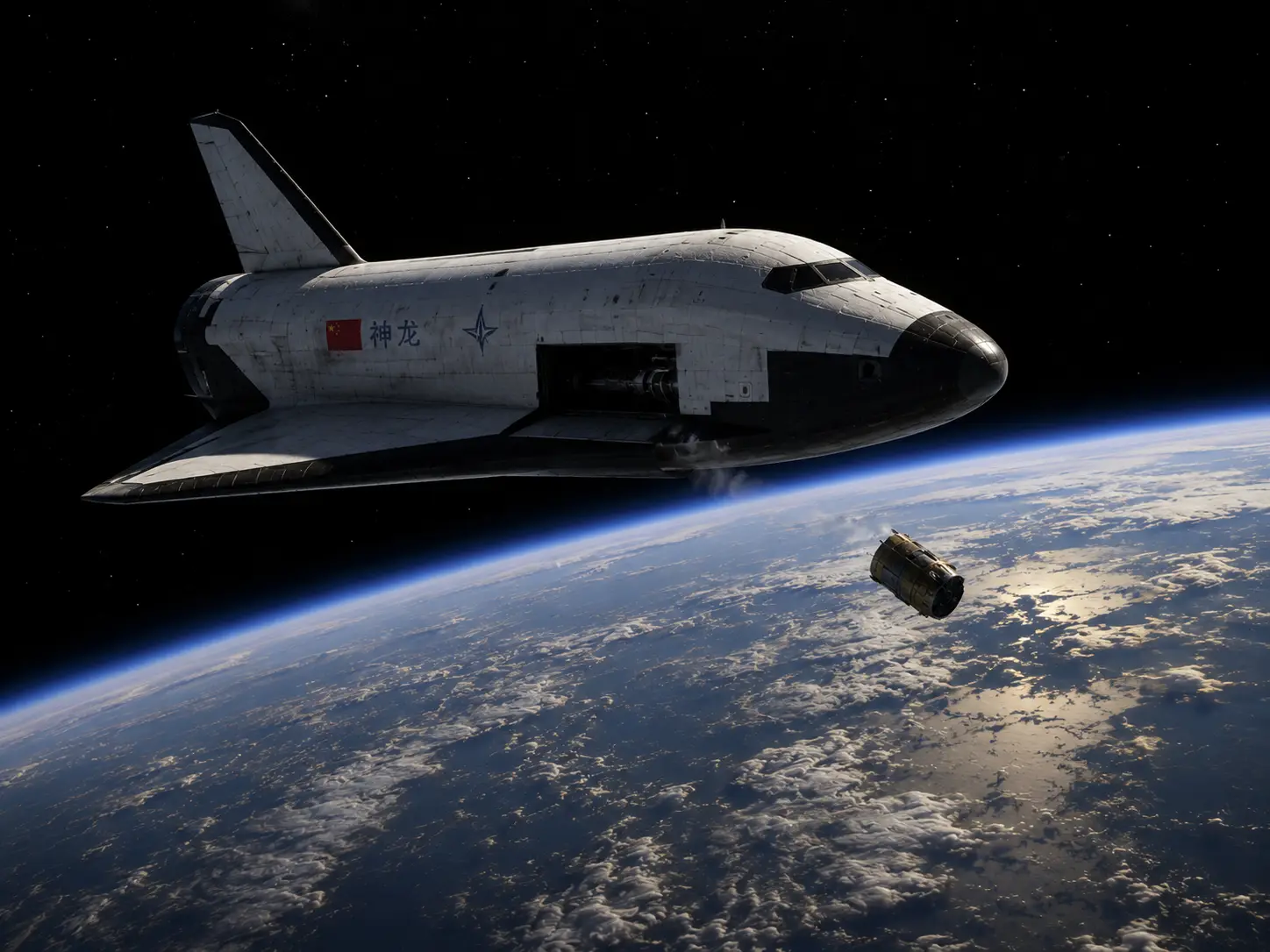
China's secretive Shenlong space plane has once again sparked intrigue among space watchers after reportedly releasing an unidentified object while orbiting Earth. According to commercial space tracking firm LeoLabs, the object was detected on June 22 near Shenlong, which has been in orbit since launching on its fourth mission in February this year.
What did China release in space?
"At 02:30 UTC on 22 June 2026, LeoLabs detected an unknown object in the vicinity of the Chinese Shenlong reusable space plane," LeoLabs said in a post on X. After tracking the object across its global radar network, LeoLabs said it had “assessed with high confidence that it was released from the Chinese spaceplane."

Also read | 'Message from space': Did CIA destroy an alien message? Newly released UFO files reveal bizarre 1958 mystery
The newly detected object has since been catalogued by the US Space Force, according to astrophysicist and satellite tracker Jonathan McDowell.
What is Shenlong?
Shenlong, which translates to "Divine Dragon", is China's reusable space plane programme. Much like the US military's X-37B space plane, Shenlong launches atop a rocket but is designed to return and land on a runway like a conventional aircraft.
China has released very little information about the vehicle, and most details about it have emerged through satellite tracking and telescope observations conducted by independent researchers.
The space plane was launched on February 6 aboard a Long March 2F rocket from the Jiuquan Satellite Launch Center in the Gobi Desert. Beijing did not disclose the mission's objectives.
Not China's first mysterious deployment
According to Space, this is not the first time Shenlong has attracted attention for unusual activity in orbit.
Trending Stories
)
Trump-Xi Summit: Trade, Taiwan and the red lines shaping US-China talks | Race To Power
)
US citizen injured in Illinois after ICE agents mistook him for fugitive, hospitalised
)
US judge questions Trump’s decision to ban CNN, MS NOW and Politico from White House
)
Afghan woman cyclist who disguised herself as a boy to escape Taliban, wins Asian Games medal
)
'There will be elections': Venezuela's interim leader Delcy Rodriguez makes big announcement at UN
)
IIT Bombay CCTV footage emerges: Sahil Wakode seen looking at phone in examination hall
)
Cyclone Arnab: Landfall expected before midnight tomorrow as IMD issues orange alerts across six states
)
9 killed, several injured as tourist bus catches fire on Yamuna Expressway
)
NBA player Steven Adams shares hilarious GTA VI theory
)
WION Iconic Tourism Summit 2026: Union Minister Shekhawat on 'experiential travel', peace diplomacy
)
ICC plans T20I expansion and fewer ODIs in 2027–2031 FTP cycle: Report
)
'AI got into my speech': Prince Harry jokes after teleprompter failure at event in New York
)
Scientists detect first radio signals directly from faraway planet
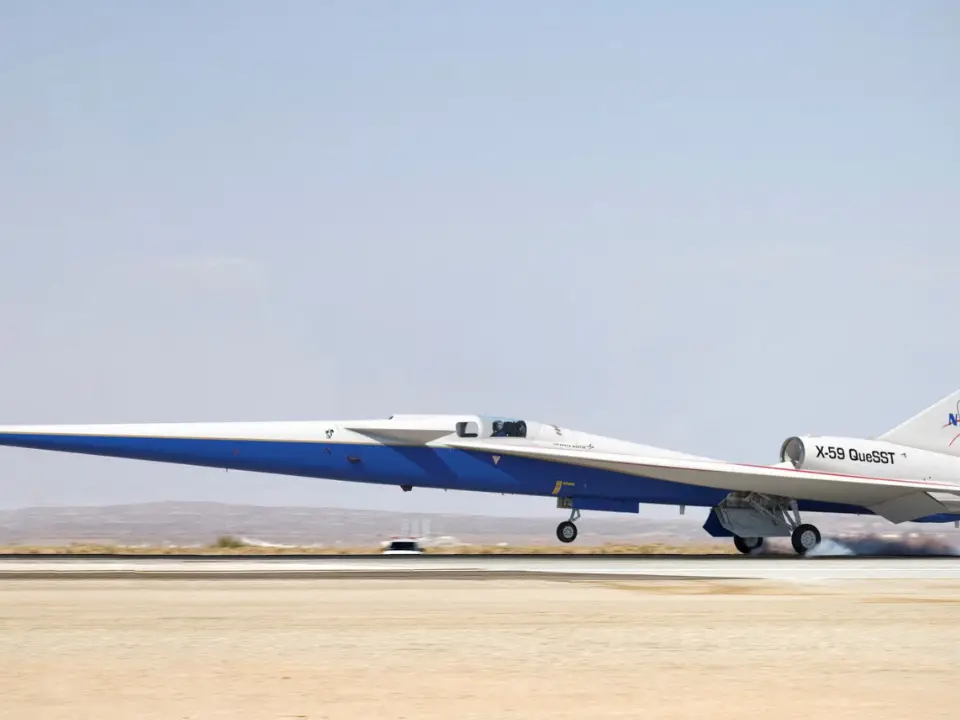)
China to test supersonic jet that moves at Mach 2, double the speed of sound
)
WION Iconic Tourism Summit: 'Hanuman Ansh' Director on blockbuster success
)
Open AI, Anthropic CEO urges caution over rapid AI development at UN Security Council, call for 'extreme care'
)
Bomb scare in New York amid UNGA: Suspicious suitcase found near UN headquarters
)
Hours before Xi-Trump meeting, US announces visa curbs targeting birth tourism: What is it?
)
'Partners rather than rivals': Xi Jinping's first message after landing in US for Trump summit
)
WION Iconic Tourism Summit: Is India's travel boom outrunning its airports, airlines and hotels?
)
WION Iconic Tourism Summit and Awards 2026: Key voices to discuss India’s tourism future
&im=FitAndFill=(700,400))
New OTT releases this week (September 21-27, 2026): Shaque: Trust No One, Hunkkaar, Don’t Be Shy- 5 new titles coming to Netflix, Prime Video and more
)
WATCH | China President Xi Jinping lands in US as Trump greets him ahead of high-stakes summit
)
Australian PM Anthony Albanese calls OpenAI AI incident 'unacceptable' after restricted data access
)
'What kind of confession is this?': Pakistan PM Shehbaz Sharif’s 'terrorists would be roaming New York' remark goes viral, raises alarm online. Watch
)
WION Iconic Tourism Summit: How local tourism MSMEs must upskill for AI integration
)
Eight USS Abraham Lincoln sailors attempted suicide, Acting Navy Secretary says
)
Pilot recreates Mona Lisa in sky over Oklahoma and Arkansas in four-hour flight: VIDEO
)
Elephants hide behind trees, stage surprise attack on poachers targeting rhinos in South Africa
)
'Putin is patient zero': Zelensky slams Russian president at UNGA, accuses him of using fighters from 47 countries
&im=FitAndFill=(700,400))
National Film Awards 2026: Kartik Aaryan, Mammootty, Yami Gautam, Randeep Hooda and other key winners
)
El Niño 2026 heats up to become strongest in 1,000 years
)
Israeli envoy to US Yechiel Leiter’s son critically injured in West Bank ramming attack
&im=FitAndFill=(700,400))
Trump welcomes Xi Jinping in rare airport gesture: Photos from Chinese President's arrival in US
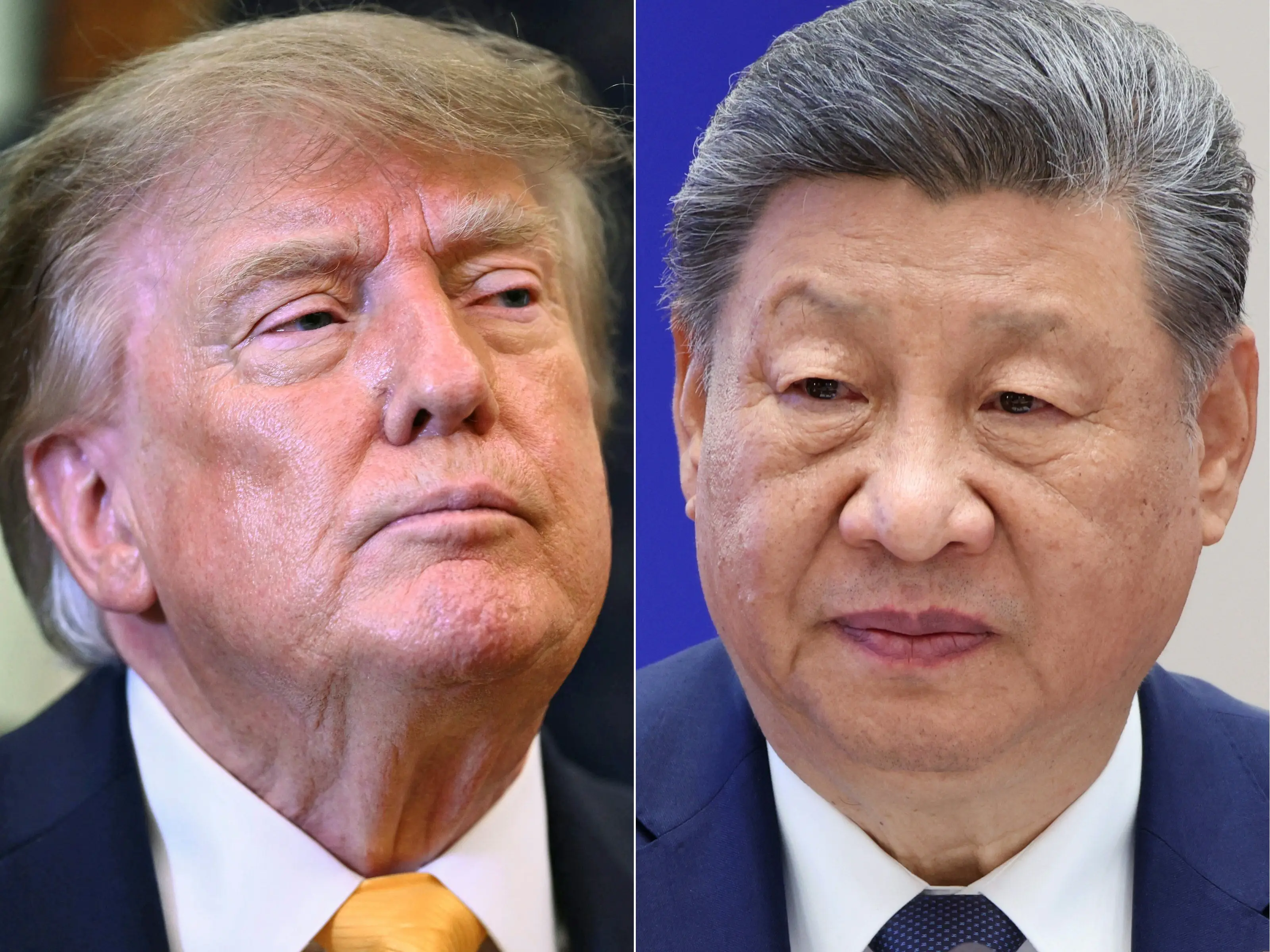)
Xi-Trump meeting: China’s human rights red line and past protests explained
In 2024, observers reported that the spacecraft may have deployed a small subsatellite or ejected an unnecessary piece of hardware before returning to Earth. Earlier missions also generated speculation after multiple objects appeared near the spacecraft, though some were later identified as launch-related debris.
Astronomers have additionally reported signs that Shenlong may deploy solar arrays while in orbit, suggesting it can remain operational for extended periods.
Also read | Scientists discover world's largest 'whale graveyard' hidden 7km beneath the Indian Ocean
Why are experts watching closely?
According to SpaceNews, one possibility is that China is testing rendezvous and proximity operations (RPO), a capability that allows spacecraft to manoeuvre close to other satellites.
Wile such technology has legitimate civilian uses, including satellite inspection, servicing and refuelling, it also has military applications including tamper with adversary satellites in orbit.
China is not alone in developing such technologies. Russia has conducted similar manoeuvres with so-called inspector satellites, while the United States is also believed to be pursuing advanced orbital servicing and proximity-operation capabilities.

