Before the dinosaurs ruled: 210-million-year-old crocodile ancestors who died gazing at each other discovered

&imwidth=600&imheight=450&format=webp&quality=medium "Before the dinosaurs ruled: 210-million-year-old crocodile ancestors who died gazing at each other discovered")
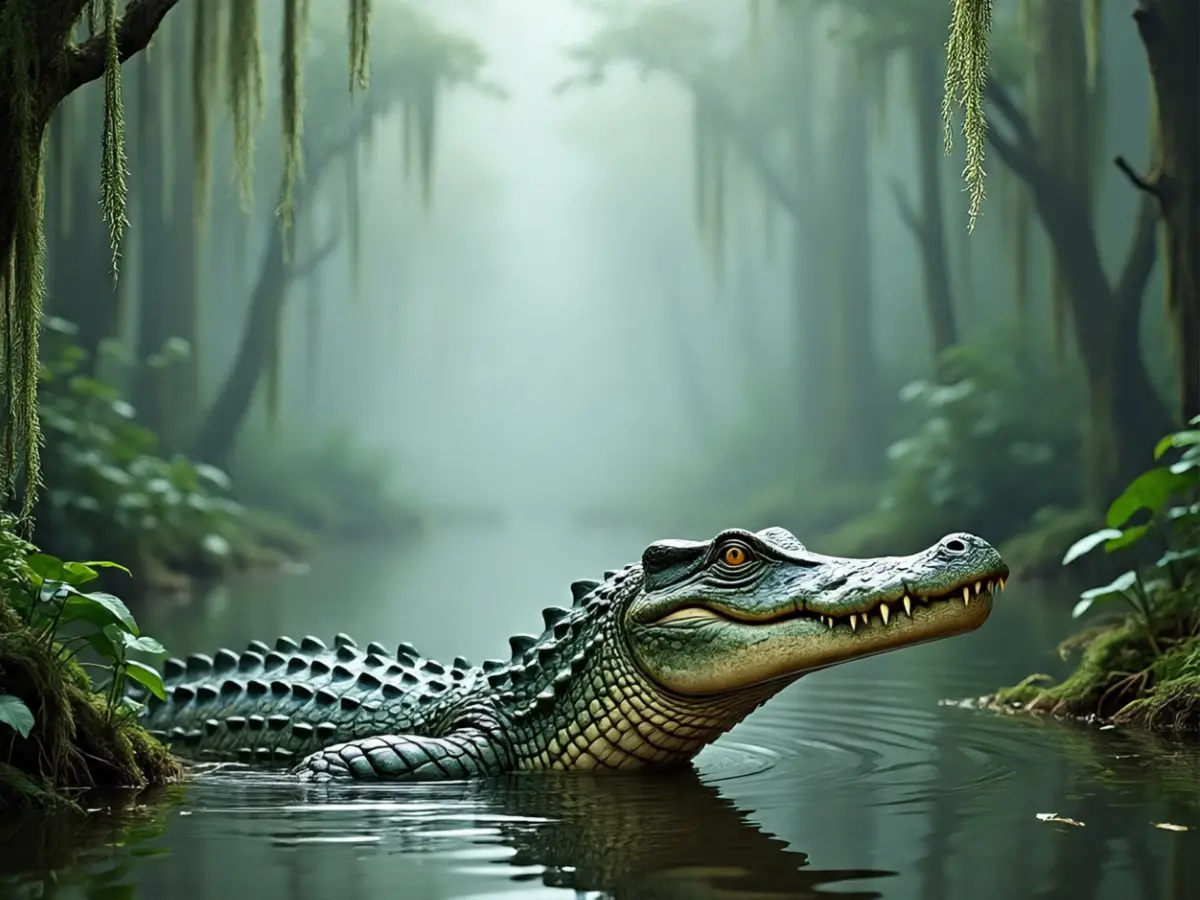
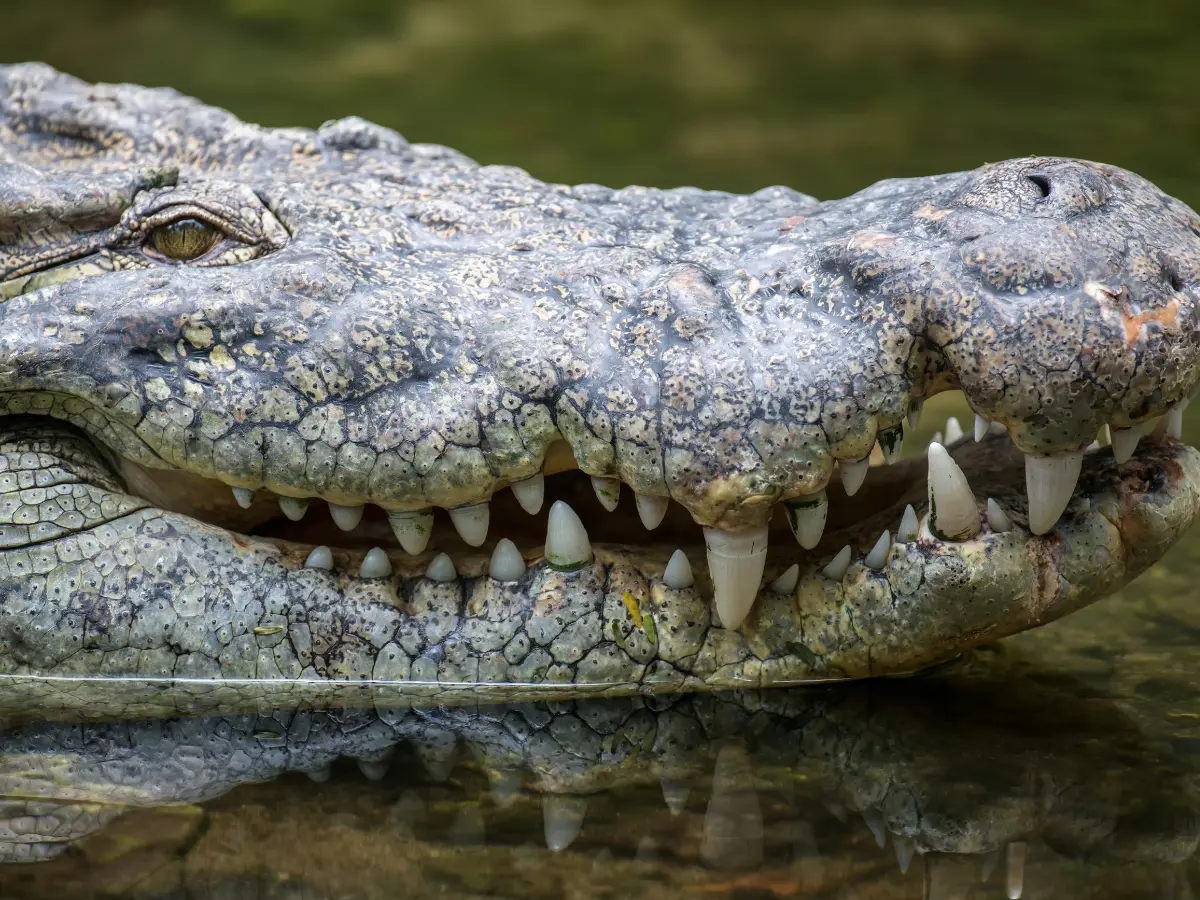
Crocodile cousins died looking at each other in a flash flood. Photograph: (Image by byrdyak on magnific)
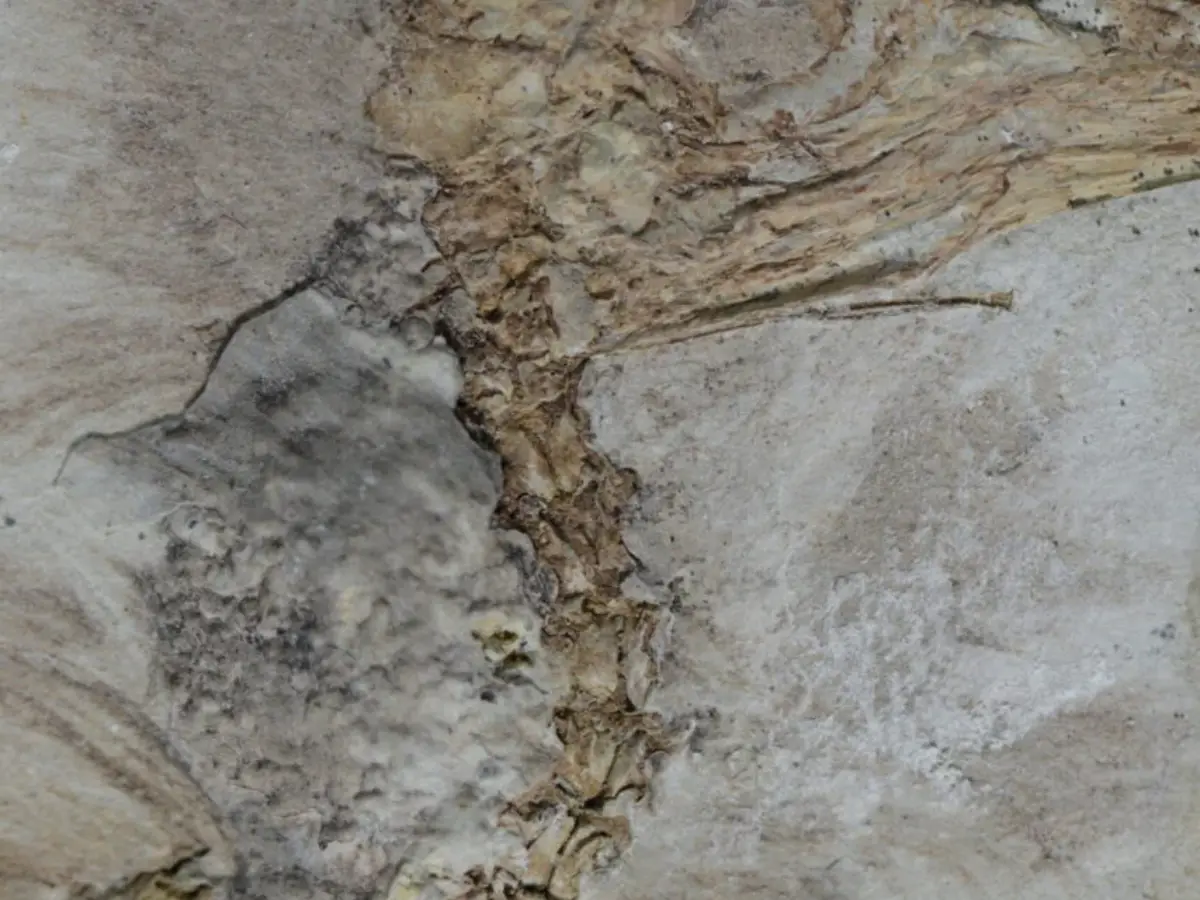
Palaeontologists at Yale University have re-discovered a fossil from New Mexico which tells of a time when dinosaurs did not rule the planet, and species were diversifying 210 million years ago. It is of two creatures who spawned crocodiles and were face-to-face when they died.
Yale palaeontologists have made a rare discovery from when dinosaurs were still finding their place on Earth. Two new fossils uncovered in New Mexico reveal a tragic moment in the lives of two crocodile ancestors who died in a flash flood, potentially, "looking at each other" at the time. The fossils are nearly 210 million years old and also present an insight into the diversification of proto-crocodiles at the dawn of the “Age of Reptiles.” This is the time when crocodiles were diversifying, and dinosaurs had not yet become the top predator. First author Margulis-Ohnuma described the discovery as a "time slice" where two proto-croc cousins interacted and competed with each other at the same time. Their fossils were kept at the Peabody Museum of Natural History at Yale, where the researchers of the new study found them and analysed them.
The new discovery offers a peek into a time when two reptile dynasties were competing for dominance. One of them led to the rise of crocodiles and alligators, while another produced dinosaurs and birds. Researchers explained in the paper that at the time, dinosaurs were similar to herons, with slender legs, while crocodiles walked on all fours and were the primary predators. A press release describes the ecosystem just before the Age of Reptiles as "sufficiently rich," a period when close relatives evolved highly specialised feeding anatomy to share available resources. But as species diversified, they found themselves drifting apart from their own lineages while remaining closely related. They learned to coexist and adapt to one another for ecological balance, occasionally competing and bickering with each other.
Tragic day of death
First author Miranda Margulis-Ohnuma, a PhD student in Earth and planetary sciences in Yale’s Graduate School of Arts and Sciences (GSAS), digitally disassembled the fossil. She noted that these creatures were the size of jackals. Hesperosuchus agilis had long snouts, and their large back legs and smaller, thinner arms helped them hunt for food in rivers and other water bodies. On the day he died, his cousin, with a short snout from the Eosphorosuchus lacrimosa species, an early crocodile relative, was with him. Physical evidence of early species diversification is incredibly rare. This discovery offers a window into an ancient rivalry where two reptile dynasties—one leading to modern crocodiles and alligators, and the other producing dinosaurs and birds—were competing for dominance.
Trending Stories
&im=FitAndFill=(700,400))
)
)
)
)
)
)
)
)
)
)
)
)
)
)
&im=FitAndFill=(700,400))
)
)
&im=FitAndFill=(700,400))
)
)
)
)
)
)
)
&im=FitAndFill=(700,400))
)
)
)
)
)
)
&im=FitAndFill=(700,400))