Astronomers detect oldest black hole ever observed. It's a million times the mass of Sun: Report

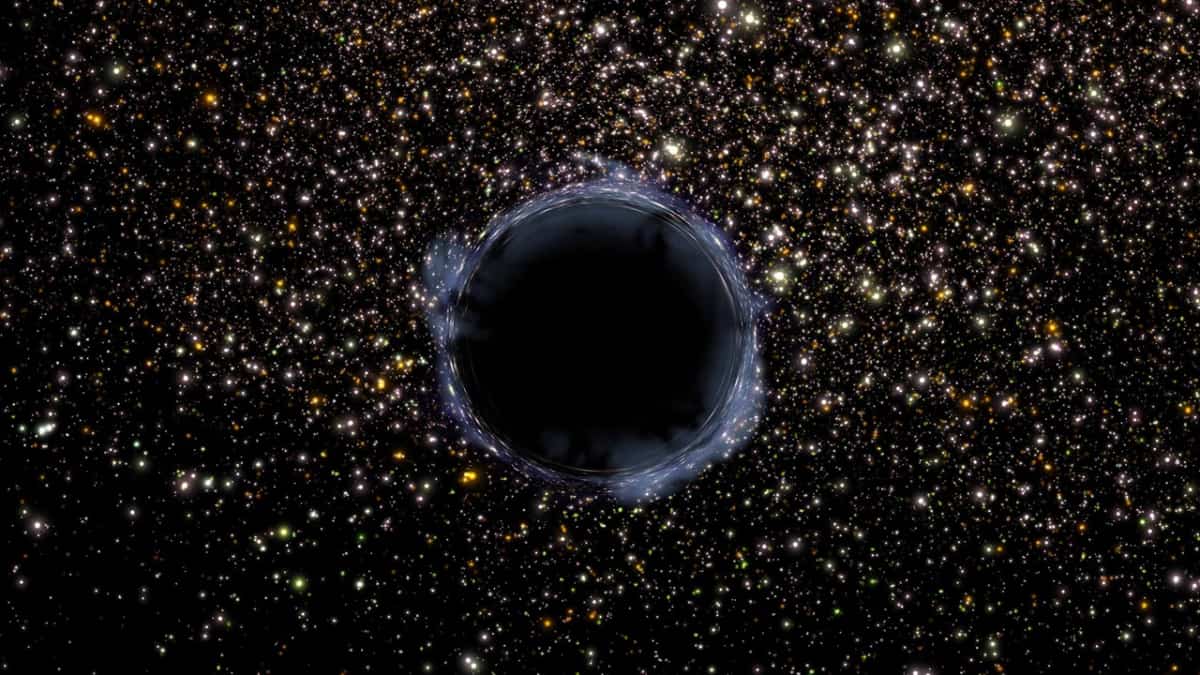
File photo.
Astronomers have detected the oldest black hole ever observed, with around a million times the mass of the Sun. Citing observations published in Arxiv, a report by The Guardian on Sunday (Dec 10) said that the black hole dates back more than 13 billion years to the dawn of the universe. The observations, made by the James Webb Space Telescope (JWST), reveal it to be at the heart of a galaxy 440 million years after the big bang.
The observations of the GN-z11 galaxy, push the origins of this mystery back to black holes’ infancy and suggest that they were either born big or ballooned extremely rapidly early on, the report said.

There is no direct image of the black hole captured, which is unseeable as no light can escape it. However, astronomers found telltale signatures of its accretion disk, the halo of gas and dust that swirls around the cosmic sinkhole.
A puzzle that seems to be deepening
Professor Roberto Maiolino, an astrophysicist at the University of Cambridge, who led the observations, said, “The surprise is in it being so very massive. That was the most unexpected thing.”
)
Trump-Xi Summit: Trade, Taiwan and the red lines shaping US-China talks | Race To Power
)
US citizen injured in Illinois after ICE agents mistook him for fugitive, hospitalised
)
US judge questions Trump’s decision to ban CNN, MS NOW and Politico from White House
)
Afghan woman cyclist who disguised herself as a boy to escape Taliban, wins Asian Games medal
)
Trump signs Greenland security deal with Denmark, paving way for two new US military bases
)
IND vs JPN T20I: How an overturned wide became point of difference between India's win and a tie
)
IIT Bombay CCTV footage emerges: Sahil Wakode seen looking at phone in examination hall
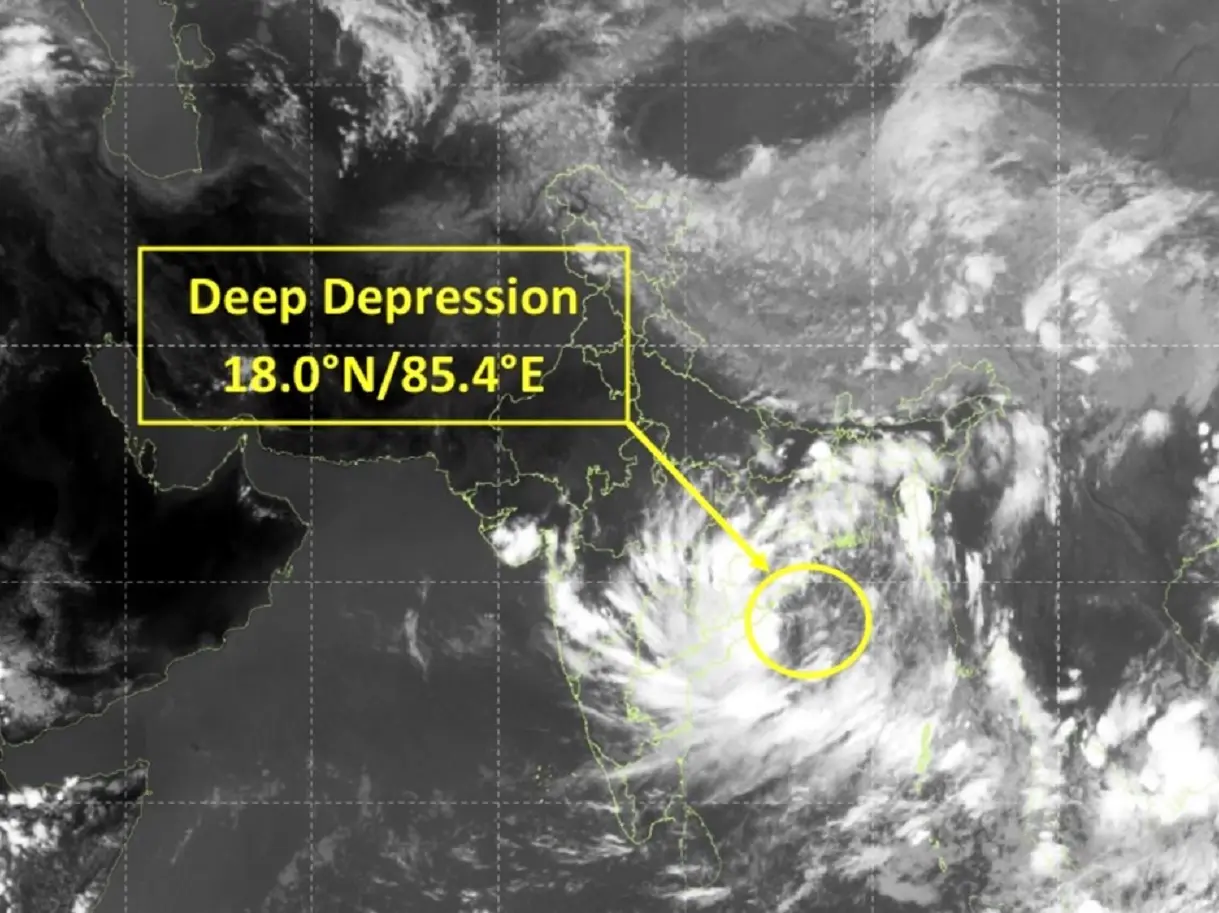)
Cyclone Arnab: Landfall expected before midnight tomorrow as IMD issues orange alerts across six states
)
NBA player Steven Adams shares hilarious GTA VI theory
)
TMC revives impeachment push against CEC Gyanesh Kumar after report of internal dissent
)
WION Iconic Tourism Summit 2026: Union Minister Shekhawat on 'experiential travel', peace diplomacy
)
ICC plans T20I expansion and fewer ODIs in 2027–2031 FTP cycle: Report
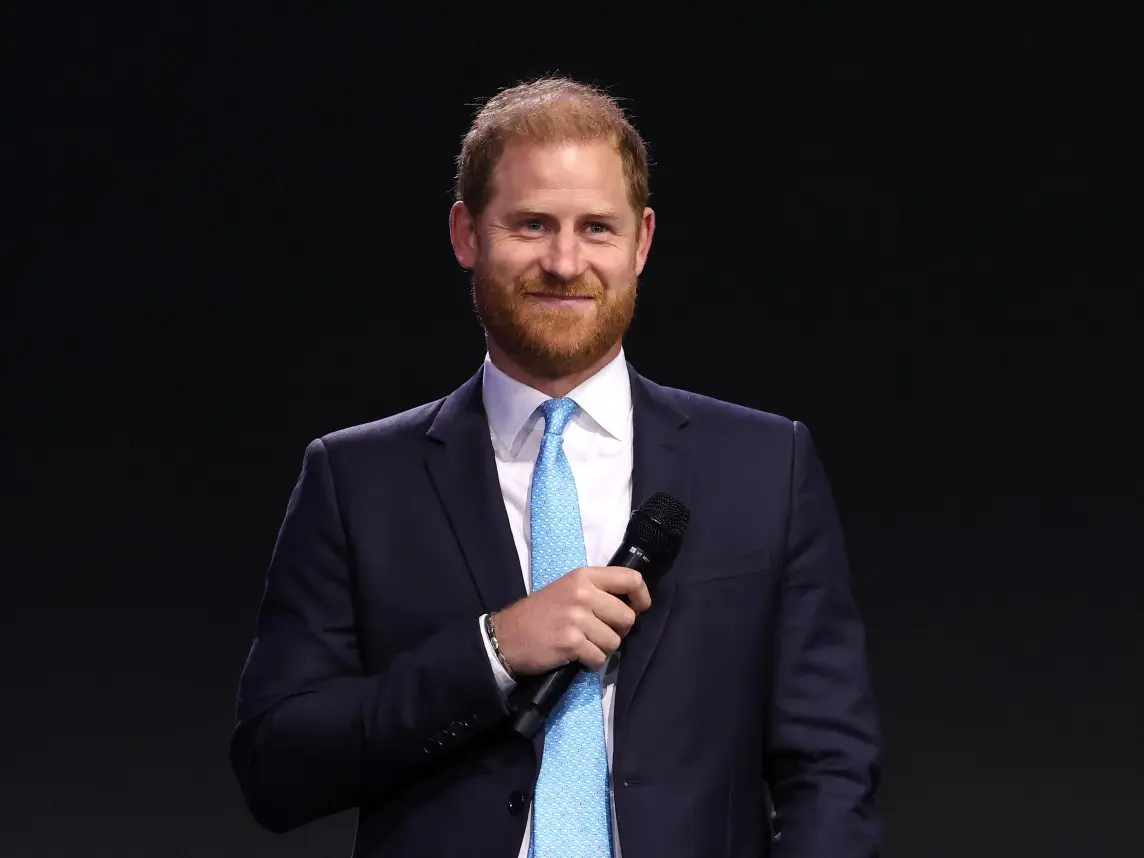)
'AI got into my speech': Prince Harry jokes after teleprompter failure at event in New York
)
WION Iconic Tourism Summit: Seychelles envoy says India partnership is important for Seychelles
)
Scientists detect first radio signals directly from faraway planet
)
China to test supersonic jet that moves at Mach 2, double the speed of sound
)
WION Iconic Tourism Summit: 'Hanuman Ansh' Director on blockbuster success
)
Open AI, Anthropic CEO urges caution over rapid AI development at UN Security Council, call for 'extreme care'
)
Bomb scare in New York amid UNGA: Suspicious suitcase found near UN headquarters
)
Hours before Xi-Trump meeting, US announces visa curbs targeting birth tourism: What is it?
)
WION Iconic Tourism Summit: Is India's travel boom outrunning its airports, airlines and hotels?
)
WION Iconic Tourism Summit and Awards 2026: Key voices to discuss India’s tourism future
)
Trump-Xi state dinner 2026: Who is invited? Full guest list of tech CEOs, business leaders and officials
)
American manufacturing is reshoring faster than its factory floors can absorb
&im=FitAndFill=(700,400))
New OTT releases this week (September 21-27, 2026): Shaque: Trust No One, Hunkkaar, Don’t Be Shy- 5 new titles coming to Netflix, Prime Video and more
)
WATCH | China President Xi Jinping lands in US as Trump greets him ahead of high-stakes summit
)
Australian PM Anthony Albanese calls OpenAI AI incident 'unacceptable' after restricted data access
)
'What kind of confession is this?': Pakistan PM Shehbaz Sharif’s 'terrorists would be roaming New York' remark goes viral, raises alarm online. Watch
)
WION Iconic Tourism Summit: How local tourism MSMEs must upskill for AI integration
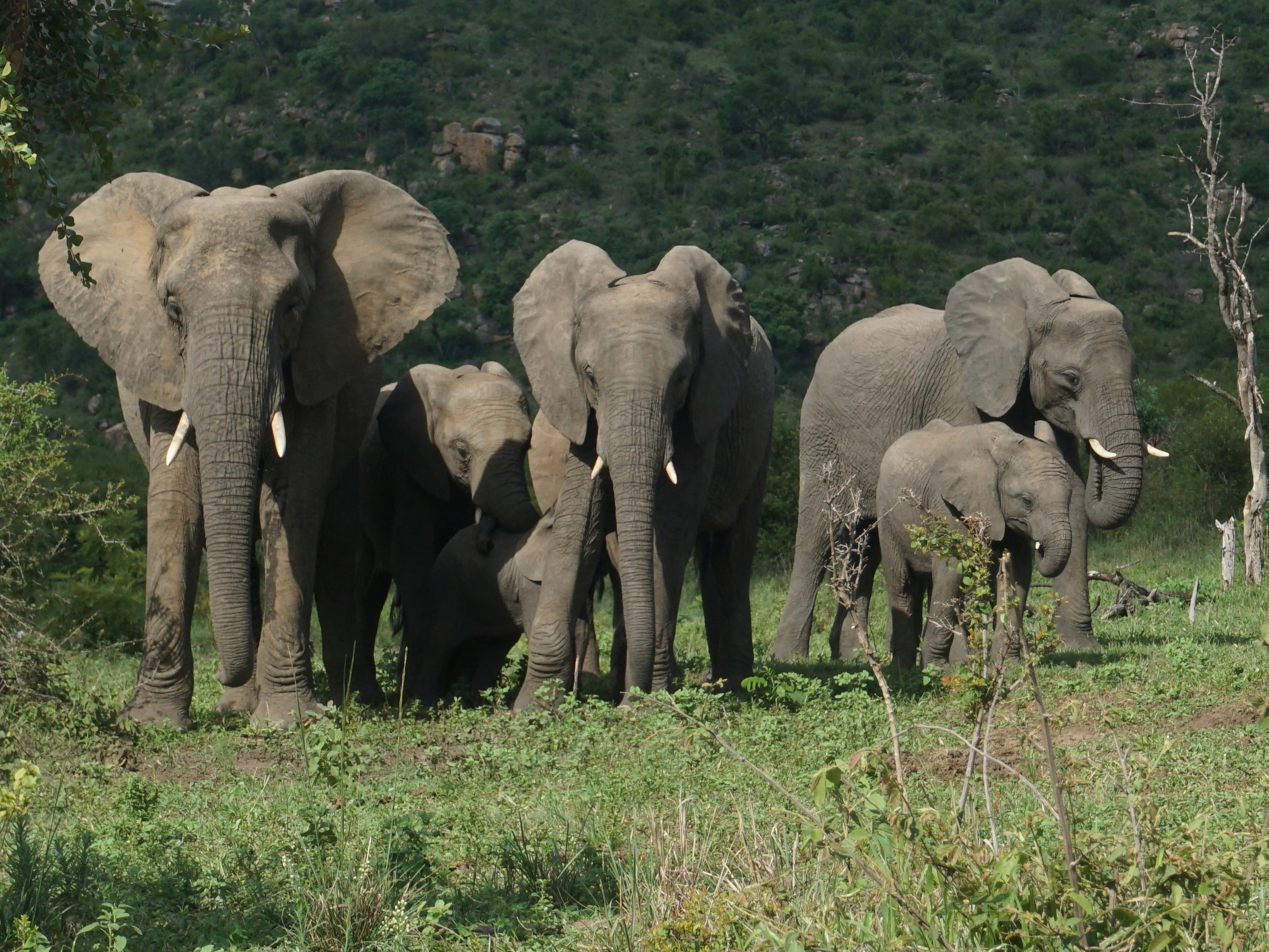)
Elephants hide behind trees, stage surprise attack on poachers targeting rhinos in South Africa
)
'Putin is patient zero': Zelensky slams Russian president at UNGA, accuses him of using fighters from 47 countries
&im=FitAndFill=(700,400))
National Film Awards 2026: Kartik Aaryan, Mammootty, Yami Gautam, Randeep Hooda and other key winners
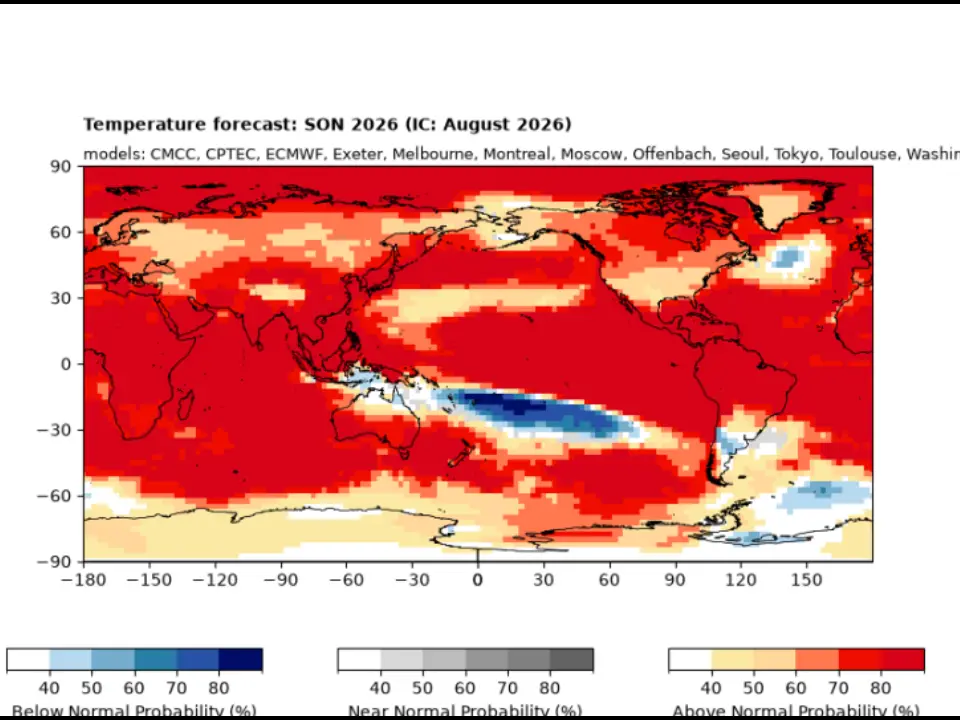)
El Niño 2026 heats up to become strongest in 1,000 years
)
Israeli envoy to US Yechiel Leiter’s son critically injured in West Bank ramming attack
&im=FitAndFill=(700,400))
Trump welcomes Xi Jinping in rare airport gesture: Photos from Chinese President's arrival in US
)
Anne Hathaway to run in supporting race for Nolan's epic
)
Xi-Trump meeting: China’s human rights red line and past protests explained
Professor Andrew Pontzen from University College London (UCL), who was not involved in the research, said the observations suggested that some black holes instead grew at a tremendous rate in the young universe, far faster than expected.
"Understanding where the black holes came from in the first place has always been a puzzle, but now that puzzle seems to be deepening," Professor Pontzen told the publication.
The observations are the latest in a series of stunning discoveries by the National Aeronautics and Space Administration's (NASA) space observatory.
What is a black hole?
According to NASA, a black hole is an astronomical object with a gravitational pull so strong that nothing, not even light, can escape it. Its surface is called the event horizon which defines the boundary where the velocity needed to escape exceeds the speed of light, which is the speed limit of the cosmos.
"Two main classes of black holes have been extensively observed. Stellar-mass black holes with three to dozens of times the Sun’s mass are spread throughout our Milky Way galaxy, while supermassive monsters weighing 100,000 to billions of solar masses are found in the centres of most big galaxies, ours included," NASA said.
Once formed, black holes can grow by accreting matter that falls into them, including gas stripped from neighbouring stars and even other black holes.
(With inputs from agencies)