Asian masalanomics for spice trade spiced up in Vietnam 2000 years ago, reveals study

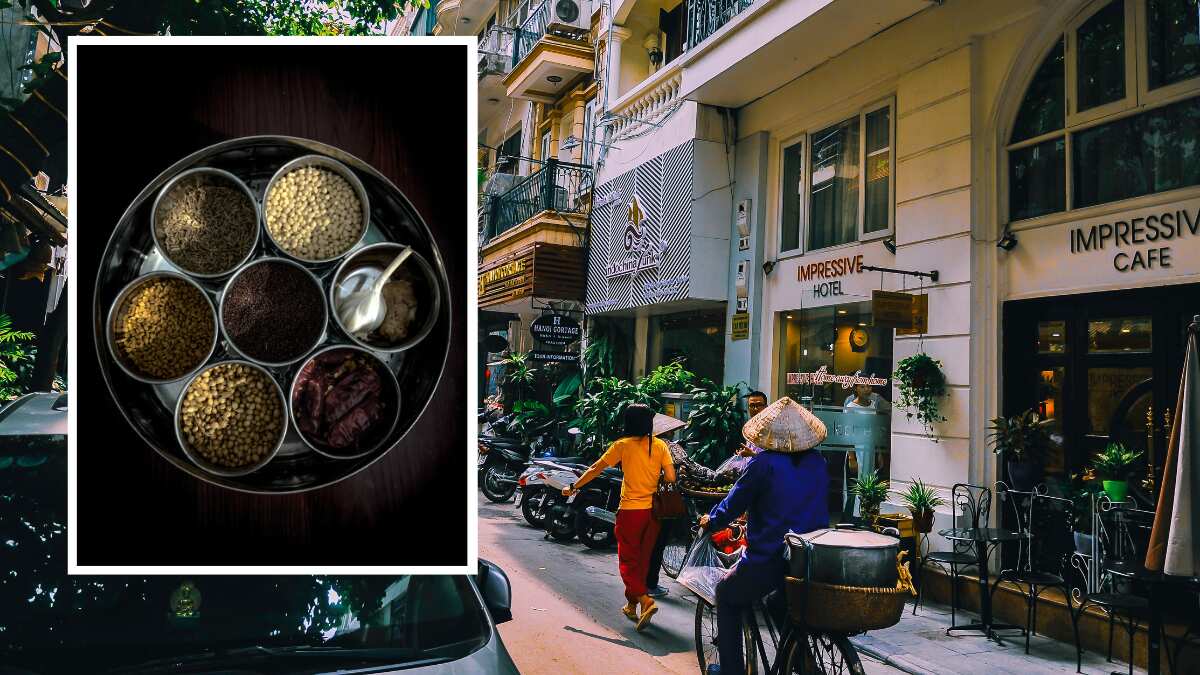
Vietnam spice trade
The spicing up or mellowing down of our cuisines has been defined by spices almost since time immemorial. But a recent study appears to be the evidence of Southeast Asia's oldest known curry, and the oldest curry ever found outside Indian subcontinent.
The research, published in Science Advances, sheds light on the historical spice trade, dating back around 2,000 years.
The study by a group of researchers from Australian National University (ANU) in Canberra presents their remarkable discovery at the Oc Eo archaeological complex in southern Vietnam as the evidence of aforementioned curry.

The intriguing find includes eight distinct spices sourced from different origins, presumably used for preparing curry. The most fascinating aspect is that some of these spices had been transported over vast distances, traversing thousands of kilometres by sea.
Initially focused on understanding ancient stone grinding tools called "pesani," the team's research expanded to explore the broader context of the ancient spice trade. Using a technique known as starch grain analysis, they examined microscopic plant remains from various grinding and pounding tools excavated at the Oc Eo site, dating from the 1st to 8th centuries CE.
)
Mushtaq Khan dies at 56: When Welcome actor opened up about his salary for iconic role Ballu
)
US Supreme Court backs Trump administration's use of SAVE database to check voter citizenship
)
Heart of the Beast review: Brad Pitt leads a gripping tale of survival and loyalty
)
Outrage erupts after 3-year-old is married to 60-year-old man in Pakistan, link to her sister's murder being probed
)
Pakistan deploys over 20,000 security personnel as PTI vows march for Imran Khan's release
)
Asian Games: Shooting spree continues as India win silver in women’s 50m rifle 3P team event
)
‘Not just a local tragedy’: Nepal PM Shah warns UN of growing climate threat, says Nepal floods were 'a warning to the world'
)
OpenAI AI Agents hacked 4 websites before Hugging Face, researchers reveal
)
Pentagon quietly adds 37 wounded troops to Iran war tally without explaining when or how
)
Asian Games 2026: India women’s kabaddi team edge Iran 37-34 to clinch 3rd gold medal
)
Saudi Arabia still harbours intent to develop nuclear weapons, reveals US intelligence: Report
&im=FitAndFill=(700,400))
New Friday OTT releases (September 25, 2026): Don’t Be Shy, Hunkkaar: The Roar, Mango Pachcha- 6 movies and TV shows on Netflix, Prime Video and more
)
Yemen's war escalates: Saudi-backed leader calls for general mobilisation against the Houthis
)
‘Attack on Mecca a red line for Pakistan’: Shehbaz Sharif warns Houthis at UN
)
Tesla is preparing something big for Optimus: new Gen 3 models surface in app
)
Did Hitler kill his niece Geli Raubal? Newly found records reopen a 95-year-old mystery
)
Indian diplomat Petal Gahlot raises deteriorating situation in Pakistan-occupied Kashmir in right of reply at UN
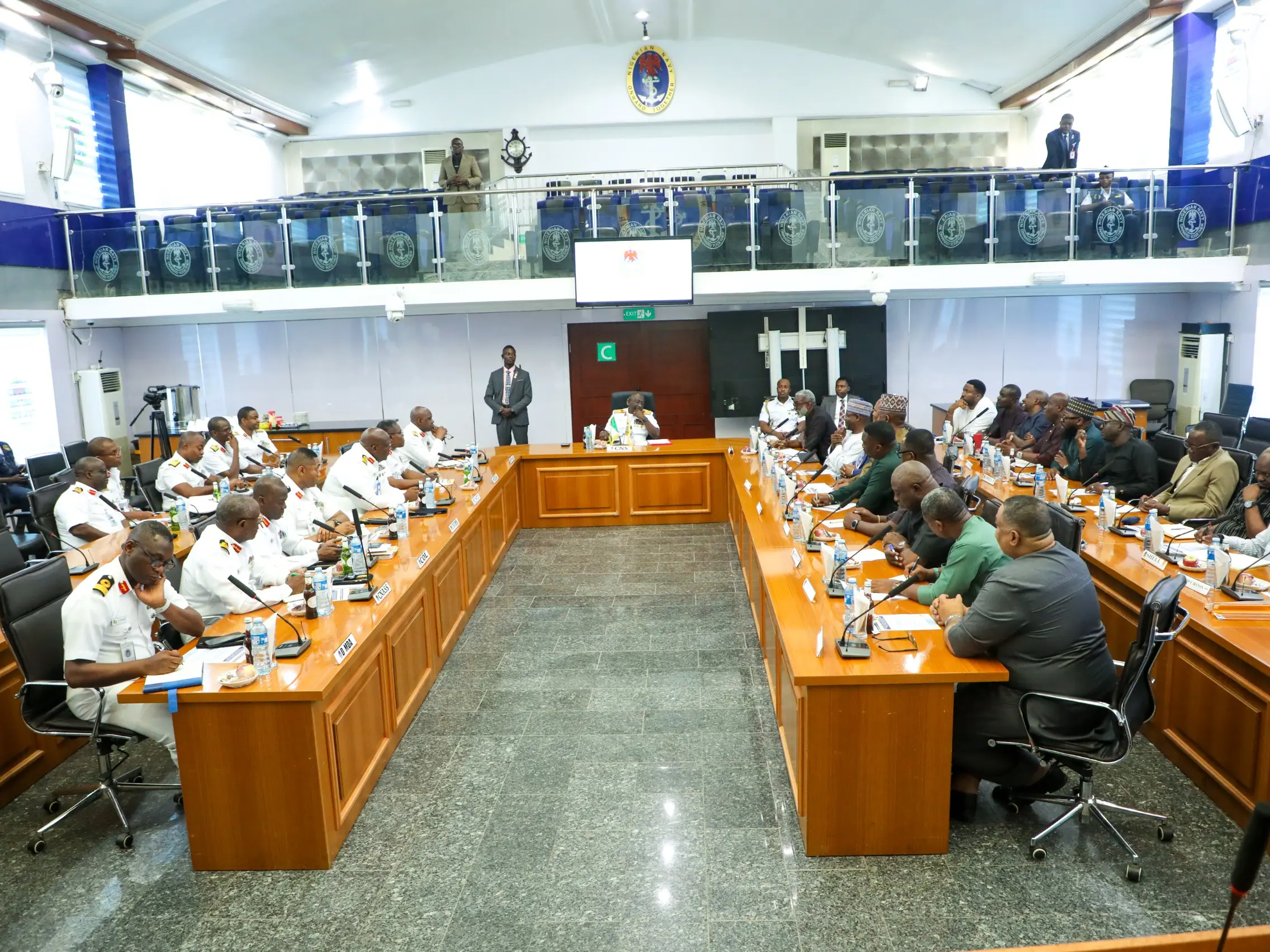)
Nigeria Navy moves to boost oil security, tackle crude theft and infrastructure threats
)
Scientists detect first radio signals directly from faraway planet
)
‘It is all possible’: Putin weighs next steps on Ukraine talks, rules out Europe conflict
)
10,000 gather in support of 87-year-old forcefully evicted from home of 71 years
)
India flags brutal violence in Pak-occupied Jammu Kashmir
)
Trump rejects Iran's 7-day ceasefire proposal as US weighs renewed bombing after midterms: Report
)
Gaza's war turned environmental damage into second crisis
)
Saudi oil exports surge despite Iran war
)
Trump-Xi summit wrap: Big pageantry, Iran talks, few major developments and more meetings planned
)
'Making history': Xi Jinping praises Trump as US-China leaders dine at White House
)
India's UN Envoy slams Pakistan: 'They claim security by day, terrorism by night'
)
Jay-Z rape case: Accuser says allegations were false, never met rapper
)
Myanmar training camp case: US national, 6 Ukrainians allowed to meet their families abroad
)
Trump-Xi summit: Xi wraps up us visit with 21-gun salute as Trump, Xi lock in 'strategic stability'
)
'FIRST LOOK from inside Noah’s Ark': Researchers share video from inside mysterious mound in Turkey
)
Cindy Crawford’s son Presley Gerber cremated as death probe continues
)
India's insurance regulator overhauls policies
)
WATCH | As Shehbaz Sharif claims Pakistan’s ‘victory’ during 2025 conflict, Indian diplomat R Srinivas laughs at UN
)
‘Goal is to win it’: Virat Kohli confirms 2027 ODI World Cup will be his final tournament for India
)
'A terrorist country is asking me that question?': Jaishankar hits back at Pakistani journalist at UN; flags attacks on commercial shipping
)
US court backs Pentagon's decision to exclude Anthropic over Claude AI restrictions
Trade of spices: Which all spices were traded?
The analysis of 40 tools produced a range of spices, including turmeric, ginger, fingerroot, sand ginger, galangal, clove, nutmeg, and cinnamon. This evidence strongly suggests that the site's inhabitants utilised these tools to process spices, transforming rhizomes, seeds, and stems into flavourful powders.
Also watch |Gravitas: In a first, India gifts a warship to Vietnam | An eye on China
To determine the site's age, the team obtained 29 separate dates from charcoal and wood samples. Additionally, a separate team employed thermoluminescence dating on bricks from the site's architecture. The combined results indicate that the Oc Eo complex was occupied between the 1st and 8th centuries CE.
What does it mean?
This research fills a significant gap in our knowledge of ancient curry, as previous evidence mainly originated from India. It vividly confirms the historical significance of spices as valuable commodities traded in a global network nearly 2,000 years ago.
“Our study suggests that curries were most likely introduced to Southeast Asia by migrants during the period of early trade contact via the Indian Ocean,” the study’s first author, Weiwei Wang, a PhD candidate at the Australian National University (ANU) in Canberra, was quoted as saying by the South China Morning Post.
The presence of spices at Oc Eo indicates that they were likely transported to the region through maritime trade via the Indian or Pacific Ocean, highlighting the captivating history of curry beyond India's borders.
The study also reveals the enduring nature of culinary traditions. The curry recipe used in Vietnam today remains remarkably consistent with that of nearly 2,000 years ago, with key ingredients like turmeric, cloves, cinnamon, and coconut milk standing the test of time.
Continued dating of the site may also reveal insights into the global trade and distribution of various spices and plants throughout history.
WATCH WION LIVE HERE
You can now write for wionews.com and be a part of the community. Share your stories and opinions with us here.