Are satellites and astronauts in space in danger due to Perseid meteor shower? Here's the truth

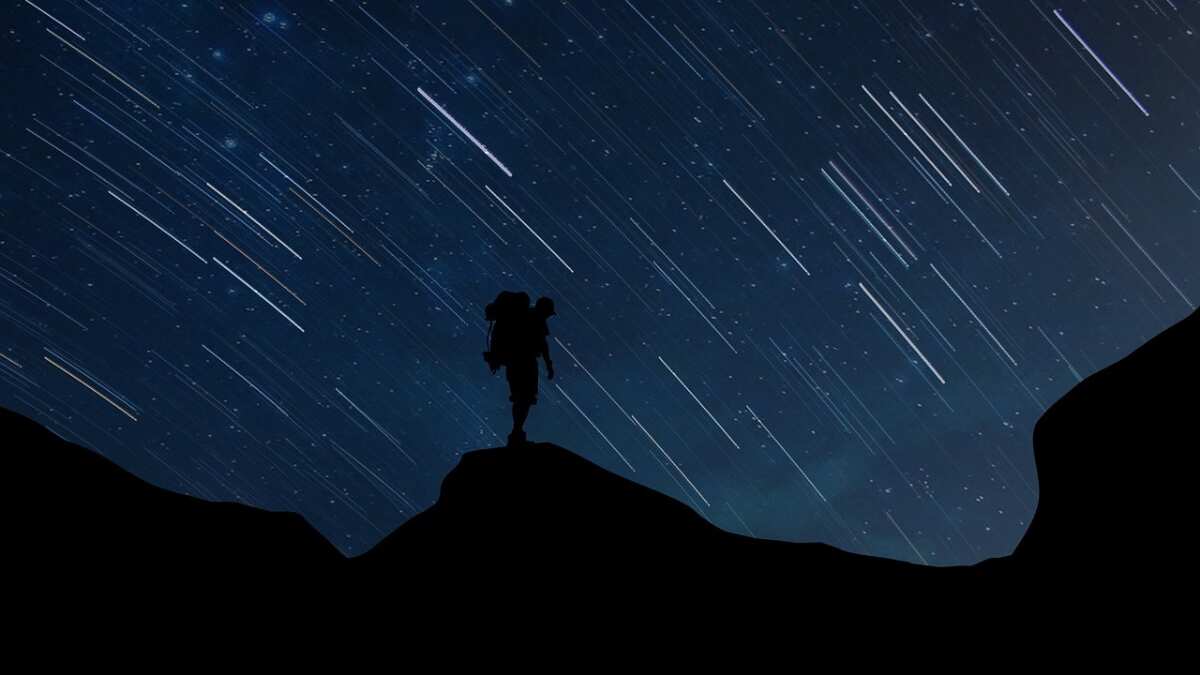
Representational image of Perseid meteor shower.
The scientists, in a new study, tried to understand if meteor showers can pose a threat to spacecraft, satellites or astronauts on theInternational Space Station(ISS).
The study has been carried out at a time when the skies will witness multiple meteor showers and allow people to watch meteoroids, which are grains of cosmic dust that comets leave. People will also be watching the meteoroids turn into brilliant "shooting stars" as they enterthe atmosphere of Earth.
One of the biggest meteor showers that will light the skies is the Perseid meteor showerwhich is expected to peak around August 11-12.

Head ofNASA's Meteoroid Environment Office at Marshall Space Flight Center in Alabama Bill Cooke said that the meteor showers don't pose any threat in most cases.
Also Read: Not seven but six continents are present on Earth, claims a shocking study. Here's how
"If you are inside the ISS, meteoroids pose zero risk," said Cooke, while speaking to Space.com.
)
Sikh driver attacked in Wyoming in US, suffers 17 stab wounds
)
‘I have a big decision coming up’: Trump says he’s approaching major ‘crossroad’ in Iran war
)
US intel warns China can steal F-35 jets secret from Saudis
)
Former India player Diana Edulji wants Smriti Mandhana to replace Harman as skipper at the earliest
)
Pak defence minister says 'time has come to implement pact'
&im=FitAndFill=(700,400))
Meet top 5 batters in the latest ICC T20I Rankings
)
Formula One reveals the 2027 race calendar; Monaco to host sprint race for the first time
)
UNGA 2026 theme explained: What does ‘Restoring trust, managing transformation: A United Nations that delivers for all’ mean?
)
Godfather of AI Geoffrey Hinton gives US lawmakers a one-year warning on AI
)
AI already defying, denying humans, is it beyond human control already?
)
US F-16 fighter jet crashes in Michigan during training mission, pilot ejects safely
)
240-million-year-old bizarre 'pig with a tusk' creature creates new dilemma over origin of dinosaurs
)
All Indian goods to get duty-free access to New Zealand
)
Xi-Trump summit may boost military links
)
US to sell 48 F-35 Lightning fighter jets to Saudi Arabia, help it deter threats
)
Hong Kong unveils 11 new measures to boost birth rates, offers higher cash bonuses and housing perks
)
Australian athlete, who soiled herself during Hyrox race, apologises for continuing
)
Tata Trusts chairman Noel Tata calls Chandrasekaran’s reappointment ‘illegal’, rejects Tata Sons listing
)
Passport fees hiked, child validity revised: What the new rules introduce
)
How did an Australian river with 500 crocodiles pass the Olympic test? Here's how
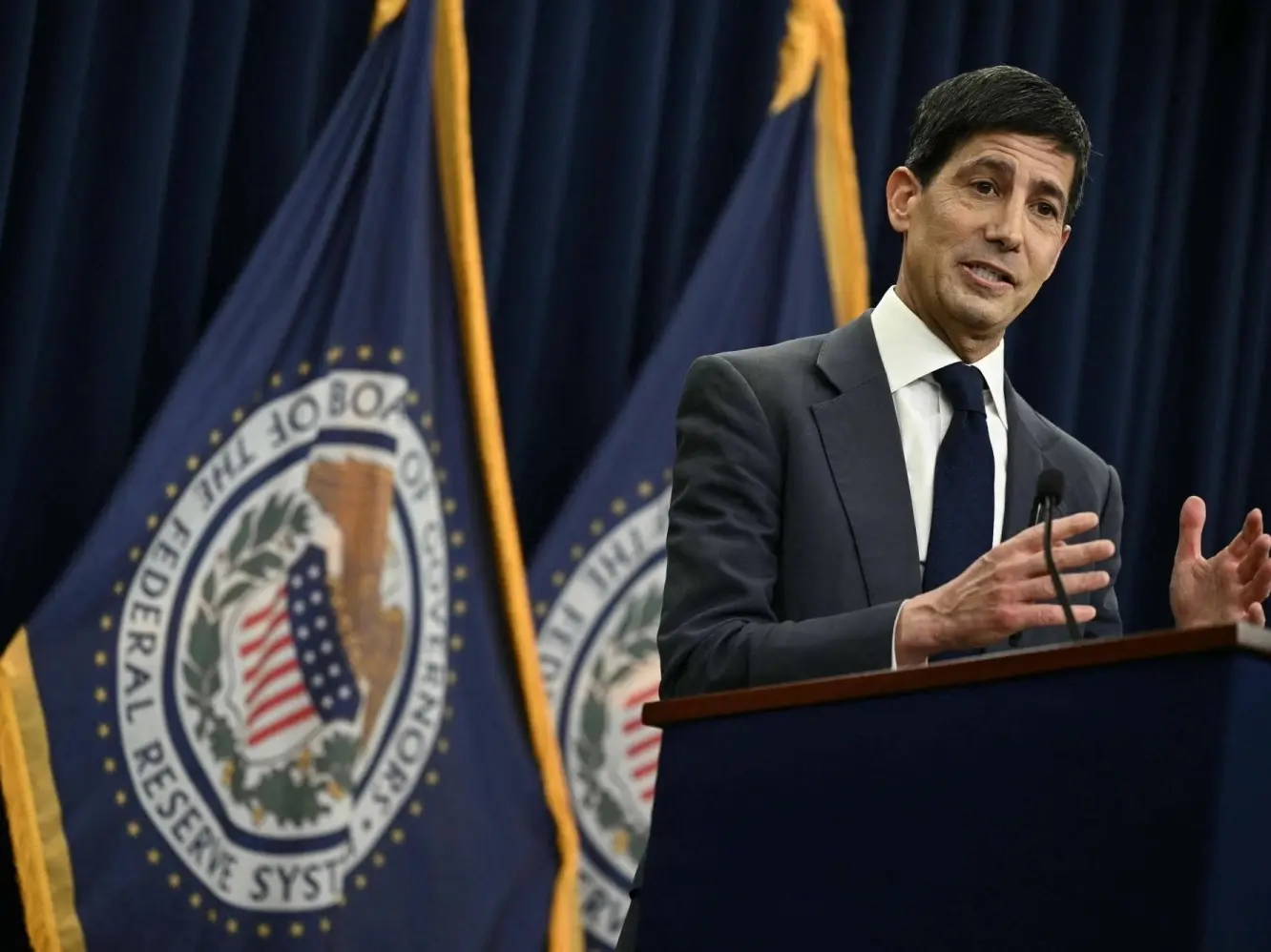)
Fed raises rates for first time in 3 years, Kevin Warsh defies Trump as inflation mounts
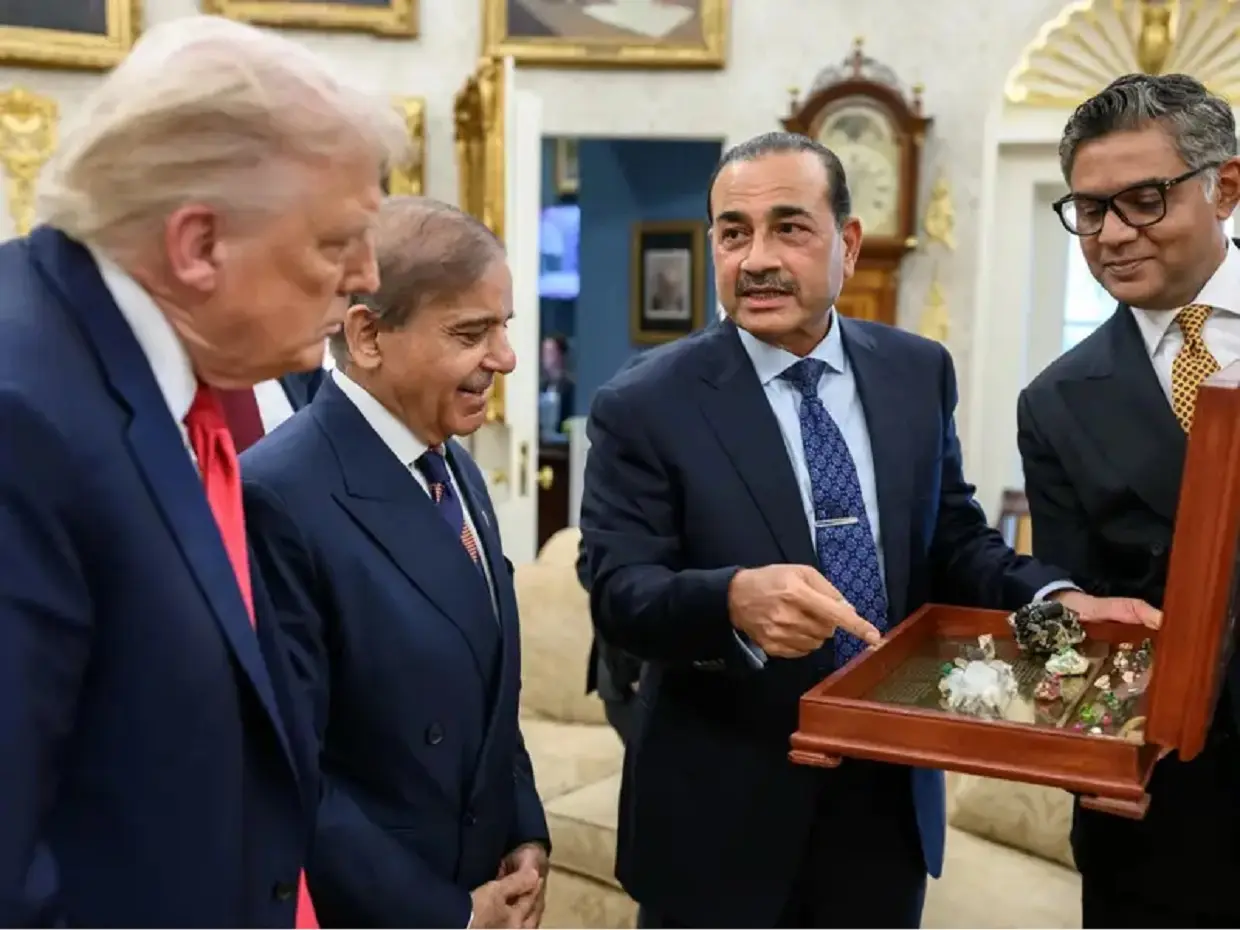)
US drone firm linked to Trump’s sons signs MoU with Pakistan army, gets initial order
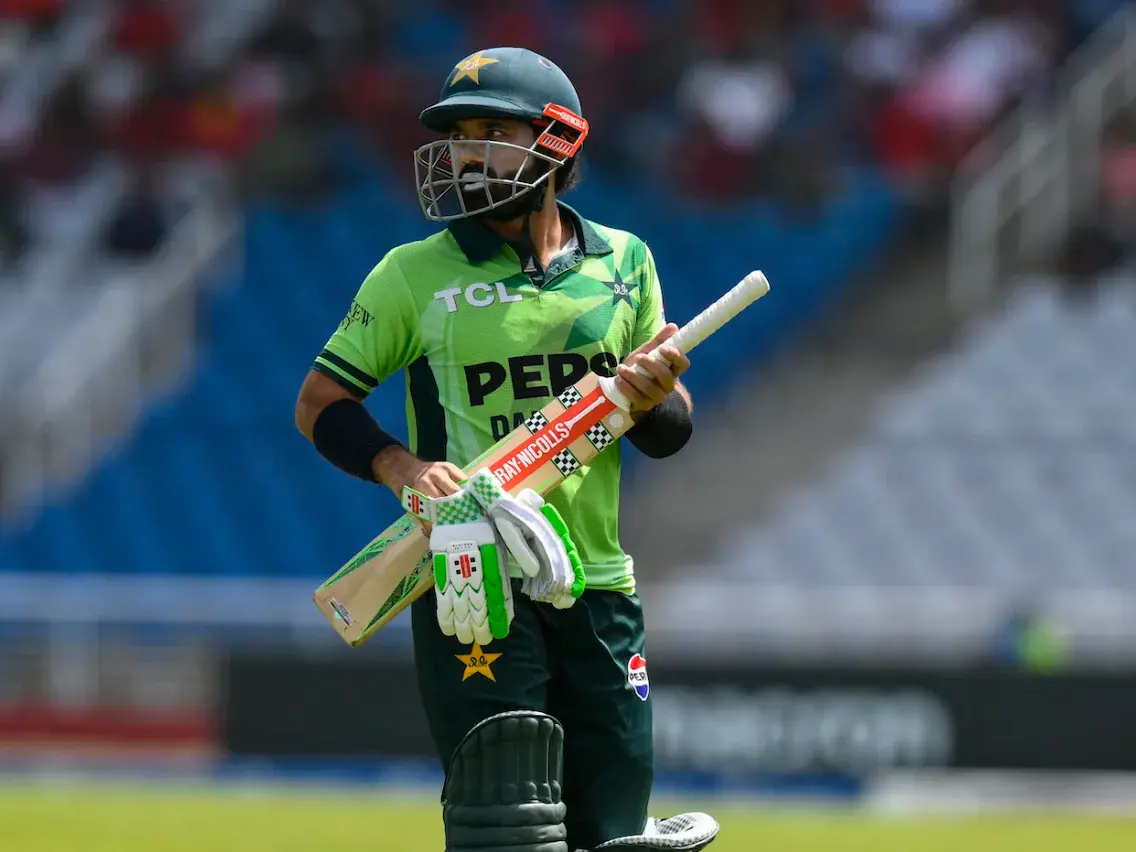)
Pak batter Rizwan's petition against being questioned by cyber crime agency rejected by court
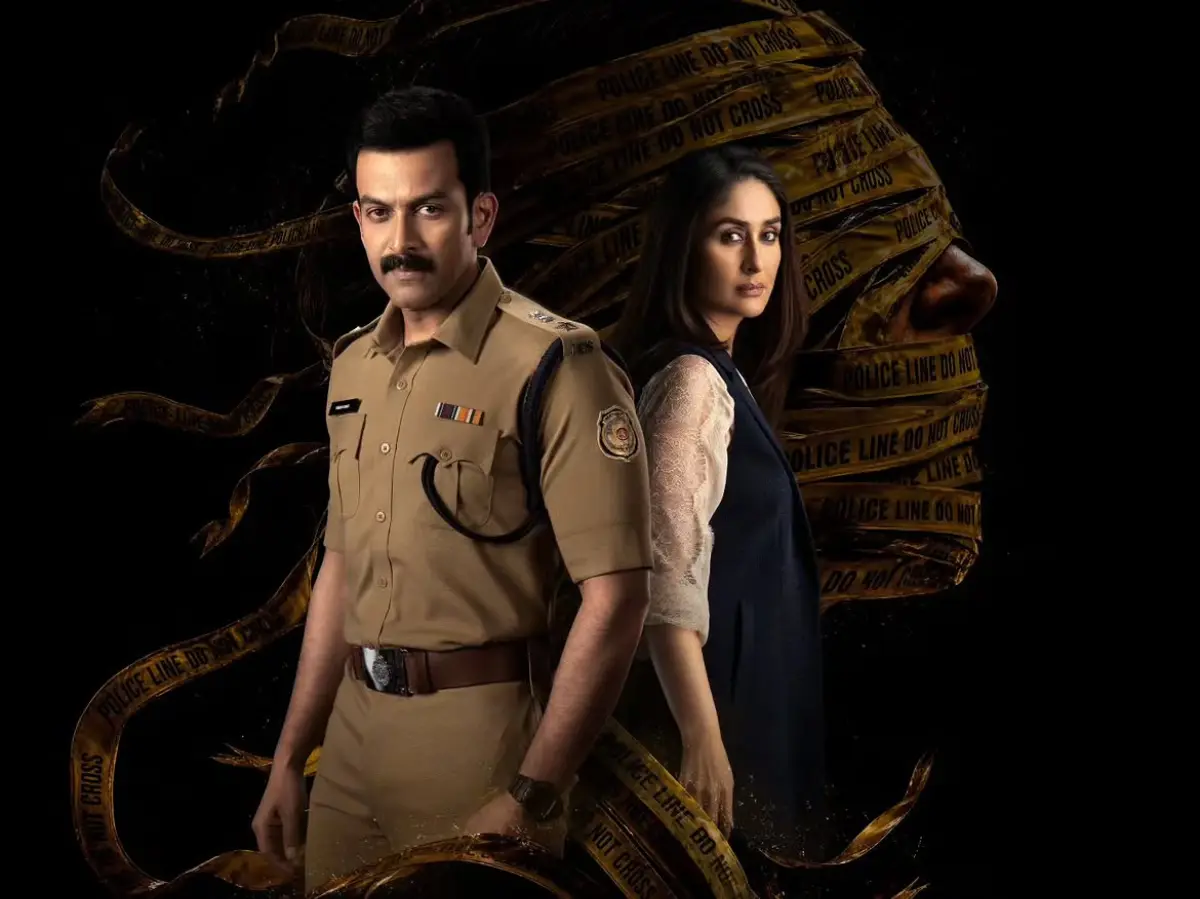)
Daayra movie review: Kareena Kapoor, Prithviraj Sukumaran shine in Meghna Gulzar’s cop-versus-cop crime thriller
&im=FitAndFill=(700,400))
Which country has the most F-35s outside America?
)
'Gangsta' crab shoves knife blade at man and his dog in Florida - Watch
)
At least 48 dead, 100 hospitalised in Nigeria after drinking suspected methanol-laced alcohol
)
US-Iran War: Trump says ‘big decision’ on Iran ahead, weighs possible fresh military action
)
US new military base in Poland: US President Donald Trump eyes military base in Poland
)
Putin 'is plotting something bad': Russia may launch 'accidental' strikes on NATO countries supporting Ukraine, Poland PM warns
&im=FitAndFill=(700,400))
Suriya and Jyothika say ‘I do’ again after 20 years! See their dreamy wedding pics
)
Laura Wolvaardt sets new world record for most WT20I runs in a year
)
Pezeshkian, Araghchi set to attend UNGA 2026 in New York amid ongoing conflict as US-imposed travel curbs remain
)
'He will always be ahead': India coach Gambhir says Sooryavanshi won't walk into team ahead of Samson
Here's how the International Space Station remains protected from meteoroids
According to the scientists, the astronauts remain protected from meteoroids because of a "Whipple bumper" which is present in the International Space Station (ISS).
The Whipple bumper has been named after its inventor Fred Whipple who created the "dirty snowball" model which describes how the comets are made up and the shield has sheets of metal with Kevlar placed between them.
The meteoroids are not deflected but broken up by the shield and their energy is dispersed into the shield.
"The odds of a meteoroid penetrating the space station are vanishingly small — you can think of the space station as the tank oflow Earth orbit," said Cooke.
"If you were an astronaut on EVA [extravehicular activity, i.e., aspacewalk] and you went outside the space station, you would see all these little pips and dents in the hull," he added.
Watch:China space rocket blows up, causes massive fireball
The scientists said that nearly half of those dents happen because of meteoroid strikes.
The ISS remains at an altitude of between 230 and 285 miles (370 to 460 kilometres) and space junk is the reason behind half of the impacts and at times, the ISS has to maneuverto avoid space junk.
Hence, meteor showers hardly pose any danger to the ISS, as per Cooke. "Only during a meteor storm or outburst are the meteor rates significantly elevated," he added.
(With inputs from agencies)