A hormonal connection? New mothers can see faces in objects where others don't

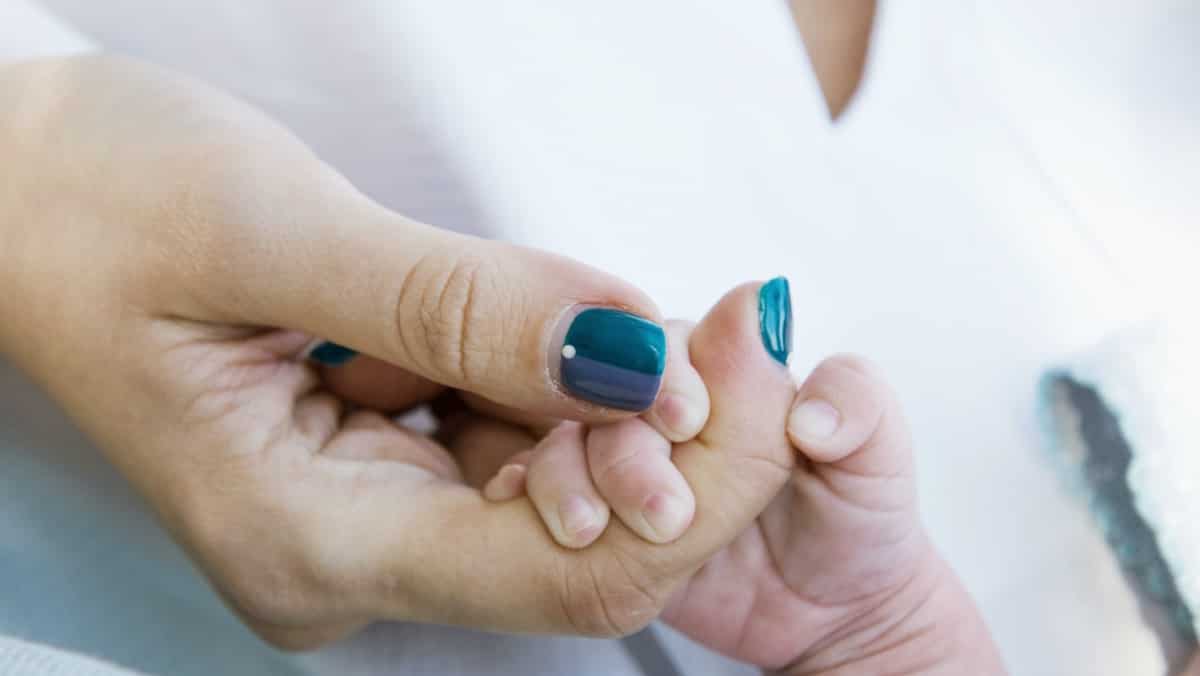
Higher oxytocin levels could be a factor in heightened ability to see faces in objects
Throughout history, humans have been known to spot familiar faces in the most unexpected and unrelated objects. This phenomenon, known as face pareidolia, has intrigued scientists for years.Recent research suggested that this tendency to perceive faces in inanimate objects may not be a fixed trait in adults. Instead, it appears to be heightened in women who have recently given birth. This intriguing observation has led researchers to explore a potential connection between this phenomenon and the hormone oxytocin, often referred to as the "love" or "trust" hormone due to its role in social bonding.
Also Read | Giant cracks appearing across southwestern US, scientists warn it as national crisis
“These data, collected online, suggest that our sensitivity to face-like patterns is not fixed and may change throughout adulthood,” the team reportedly wrote.

Role of Oxytocin
Previous studies have indicated that oxytocin administration can enhance the recognition of certain emotions in facial expressions. To investigate whether oxytocin plays a role in individuals' sensitivity to seeing faces in objects, researchers from Australia's University of Queensland and the University of the Sunshine Coast conducted a study.
Postpartum women
Using an online platform, the researchers recruited women, specifically targeting pregnant women and those who had just given birth, a period associated with elevated oxytocin levels.
Also Read | Sleeping late at night? Study warns about major risk of type 2 diabetes in night owls
Participants were presented with 320 images in random order and asked to rate, on an 11-point scale, how easily they could perceive a face within each image.
These images included 32 human faces, 256 inanimate objects with patterns that could resemble faces, and 32 inanimate objects lacking facial patterns.
Key findings
The results of the study revealed that all participants easily recognised the images of human faces, while they struggled to perceive faces in the 32 images of inanimate objects without facial patterns.
However, women who had recently given birth reported a higher ease in perceiving the 256 illusionary faces compared to pregnant women.
This suggests that the sensitivity to perceiving faces in objects is not a stable trait throughout adulthood and may change during early parenthood, potentially as a mechanism to enhance social bonding, possibly influenced by higher oxytocin levels.
Future research
While these findings are intriguing, the study has its limitations. Notably, oxytocin levels were not measured in participants, leaving room for other factors such as anxiety or stress to potentially explain the results.
Watch | Apple iPhone 15 Event: Most exciting takeaways from the Apple launch event
Additionally, the study only captured participants' abilities at one point in time, and it did not track changes in their propensity to see faces in objects before and after becoming parents.
Further research is needed to replicate these findings and provide a more comprehensive understanding of the hormonal and psychological factors at play in face pareidolia.
WATCH WION LIVE HERE You can now write for wionews.com and be a part of the community. Share your stories and opinions with us here.