Do look up! Don't miss planet parade of Venus, Mars, Jupiter, Saturn, Neptune and Uranus

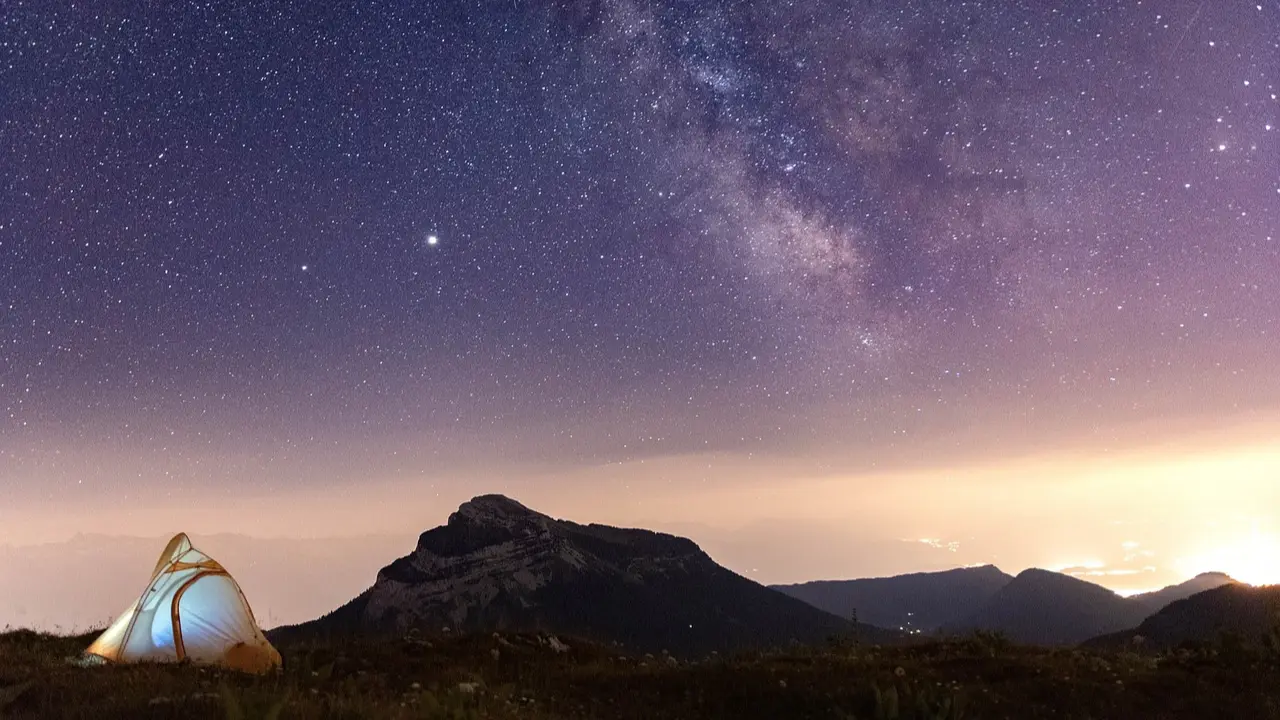
Science & Tech | Known as planetary alignment, this rare event lets sky-gazers see six planets, including Neptune and Uranus, with a telescope or binoculars.
There is a delightful treat on offer for the avid skygazers, as a stunning planet parade has brightened the sky throughout February. Bright planets are lighting up the night sky. Some of them are even visible to the naked eye.
Planet parade is a colloquial term, which means the simultaneous appearance of multiple planets in the night sky. Formally, it is known as planetary alignment. This time, six planets—Venus, Mars, Jupiter, Saturn, Neptune, and Uranus—will be visible.
It's time to look up, but you'll need a high-powered viewing device, such as a telescope or binoculars, to see Neptune and Uranus. Meanwhile, Mars, Venus, Jupiter, and Saturn should be visible to the naked eye in the Northern Hemisphere.
Trending Stories
)
)
)
)
)
)
)
)
)
)
)
)
)
)
)
)
)
)
&im=FitAndFill=(700,400))
)
)
)
&im=FitAndFill=(700,400))
)
&im=FitAndFill=(700,400))
&im=FitAndFill=(700,400))
)
When to watch it?
As quoted by US-based NBC News, Jackie Faherty, who is an astronomer and senior research scientist at the American Museum of Natural History in New York City, said, "I like to tell people that the nighttime sky is the original Netflix—it's what people used to do to entertain themselves."
Faherty suggested that peopleshould pick a clear sky night and enjoy the planetary spectacle. The best time to observe the planets is after dusk on a clear night. The suggested time is around 8:30 pm (local time) in an area away from city lights and other sources of light pollution. The best time to view the planet parade will be before February 21.
A CNET report mentioned that you may be able to see Venus, Saturn, and Neptune on the horizon. However, it depends on where you are. All three planets will be below the horizon by 11:30 pm to midnight (local time). Jupiter, Uranus, and Mars will all be visible for a few more hours.
Faherty said that Mercury should be visible to the naked eye, but due to its closeness to the sun, it is difficult to view.
You should be able to see all six planets every night till around the last week of February. Mercury will then momentarily join the other planets in the sky for a few days, making it a planetary parade of seven planets other than Earth.
NASA said in its report that while such planetary parades "aren’t once-in-a-lifetime events, planetary parades afford an uncommon opportunity to look up and appreciate our place in our solar system, with diverse worlds arrayed across the sky before our very eyes".
It also mentioned the next alignments. In October 2028, five planets will be visible before sunrise. And in late February 2034, five planets will be visible after sunset (Venus and Mercury will be challenging to observe).
(With inputs from agencies)