The Verdict | Nepal wants climate reparations, but what about its own responsibility?

&imwidth=600&imheight=450&format=webp&quality=medium "The Verdict | Nepal wants climate reparations, but what about its own responsibility?")
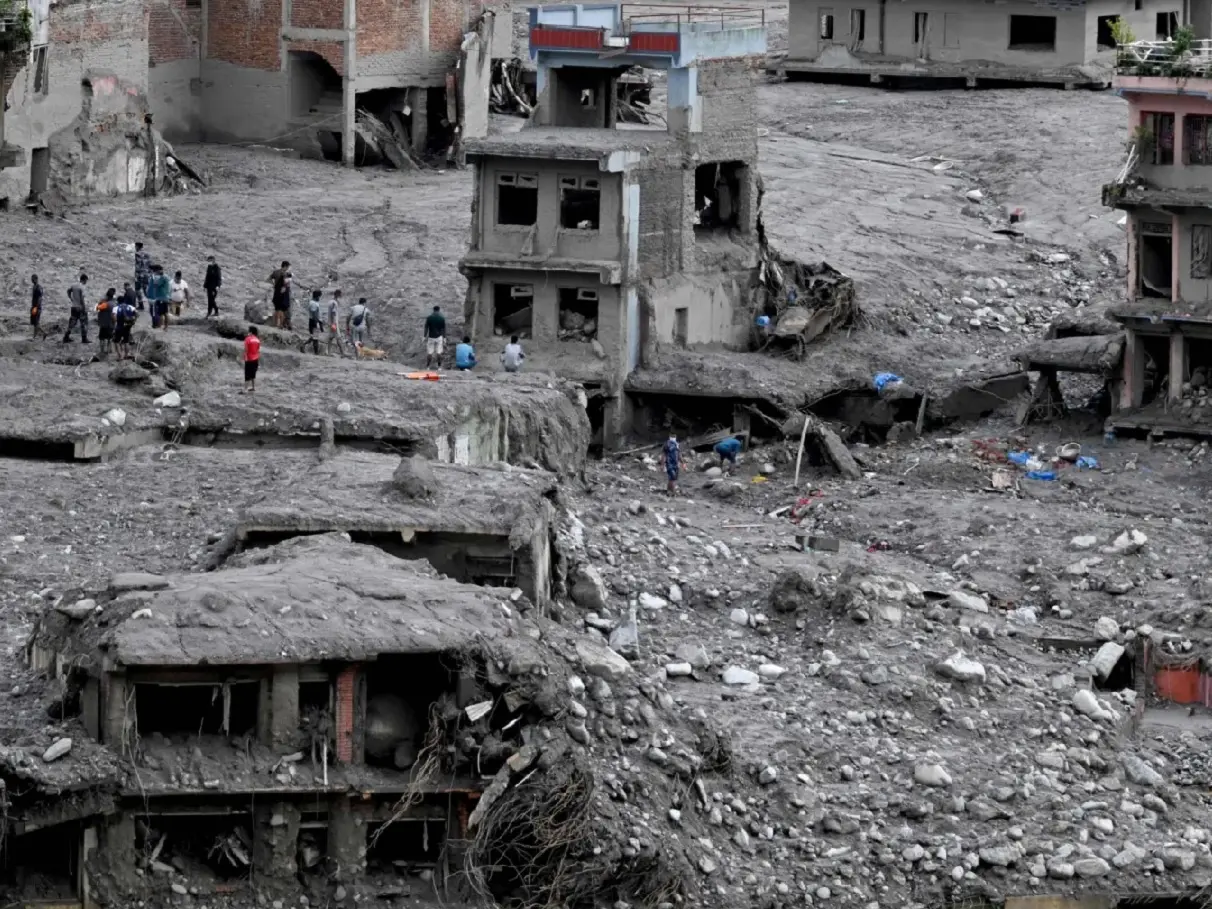
Nepal possesses enormous hydropower potential and is actively seeking foreign investment to exploit it Photograph: (AFP)
Nepal has long known that the world's highest mountain, Mt. Everest, is being subjected to extraordinary commercial pressure. Yet the response has too often been to raise permit prices rather than impose stricter rules. Overcrowding happens every year, despite a cap on the number of permits.
Can Nepal outsource its own responsibility towards the Himalayas?
Well, apparently, it has.
Even as families are still coming to terms with the tragedy, the Balendra Shah government has written to India, China and the United States to take blame for the recent flash floods, and pay compensation, instead of sending aid.
So, even as people suffer, Nepal doesn't want help. It needs accountability.
Is Nepal right in doing so?
Well, Nepal is right about one thing: the Himalayan climate crisis is real, and it is human-made.
Trending Stories
&imwidth=280&imheight=210&format=webp&quality=medium)
&imwidth=280&imheight=210&format=webp&quality=medium)
&imwidth=280&imheight=210&format=webp&quality=medium)
&imwidth=280&imheight=210&format=webp&quality=medium)
&imwidth=280&imheight=210&format=webp&quality=medium)
&imwidth=280&imheight=210&format=webp&quality=medium)
&imwidth=280&imheight=210&format=webp&quality=medium)
&imwidth=280&imheight=210&format=webp&quality=medium)

&imwidth=280&imheight=210&format=webp&quality=medium)
&imwidth=280&imheight=210&format=webp&quality=medium)
&imwidth=280&imheight=210&format=webp&quality=medium)
&imwidth=280&imheight=210&format=webp&quality=medium)
&imwidth=280&imheight=210&format=webp&quality=medium)
&imwidth=280&imheight=210&format=webp&quality=medium)
&im=FitAndFill=(700,400)&imwidth=280&imheight=210&format=webp&quality=medium)
&imwidth=280&imheight=210&format=webp&quality=medium)
&imwidth=280&imheight=210&format=webp&quality=medium)
&imwidth=280&imheight=210&format=webp&quality=medium)
&imwidth=280&imheight=210&format=webp&quality=medium)
&imwidth=280&imheight=210&format=webp&quality=medium)
&imwidth=280&imheight=210&format=webp&quality=medium)
&imwidth=280&imheight=210&format=webp&quality=medium)
&imwidth=280&imheight=210&format=webp&quality=medium)
&imwidth=280&imheight=210&format=webp&quality=medium)
&im=FitAndFill=(700,400)&imwidth=280&imheight=210&format=webp&quality=medium)
&imwidth=280&imheight=210&format=webp&quality=medium)
&imwidth=280&imheight=210&format=webp&quality=medium)
&im=FitAndFill=(700,400)&imwidth=280&imheight=210&format=webp&quality=medium)
&imwidth=280&imheight=210&format=webp&quality=medium)
&imwidth=280&imheight=210&format=webp&quality=medium)
&imwidth=280&imheight=210&format=webp&quality=medium)

&imwidth=280&imheight=210&format=webp&quality=medium)
But Kathmandu's demand for climate reparations cannot absolve it of responsibility.
The uncomfortable question Nepal must answer is this: what has Kathmandu itself done to protect the ecological system from which it earns billions of dollars in tourism, hydropower and other economic activity?
Take, for instance, Mount Everest. Nepal has long known that the world's highest mountain is being subjected to extraordinary commercial pressure. Yet the response has too often been to raise permit prices rather than impose stricter rules. Overcrowding happens every year, despite a cap on the number of permits.
Veteran sherpas have repeatedly argued for a ceiling of 250 climbers, yet thousands of people end up at Mount Everest, generating enormous quantities of waste and putting additional pressure on an extremely fragile environment.
Nepal possesses enormous hydropower potential and is actively seeking foreign investment to exploit it. And it has Chinese companies investing in it. Indian companies also have investments.
But are other countries invading and forcing themselves in? No. Nepal makes decisions about which projects to approve, which companies to invite, which environmental assessments to conduct and which rivers and valleys to develop.
If Kathmandu believes that Himalayan countries deserve compensation because they are disproportionately exposed to climate change, then the next logical step is for Nepal to become a model of Himalayan environmental governance. Limit tourism, impose scientific rules, enforce waste rules rather than merely announcing them, and conduct environmental assessments for hydropower and infrastructure projects.
The answer, therefore, is not to blame other countries immediately, when your own actions have contributed to your country's situation.
Every country has a responsibility to support genuine climate finance, and avert global warming. but it is not a one-way street.
The Himalayas don't know political borders. All they know is how to respond to human exploitation.
And that is exactly what they have done this time too.
