Why Donald Trump must seize Pakistan's nuclear weapons

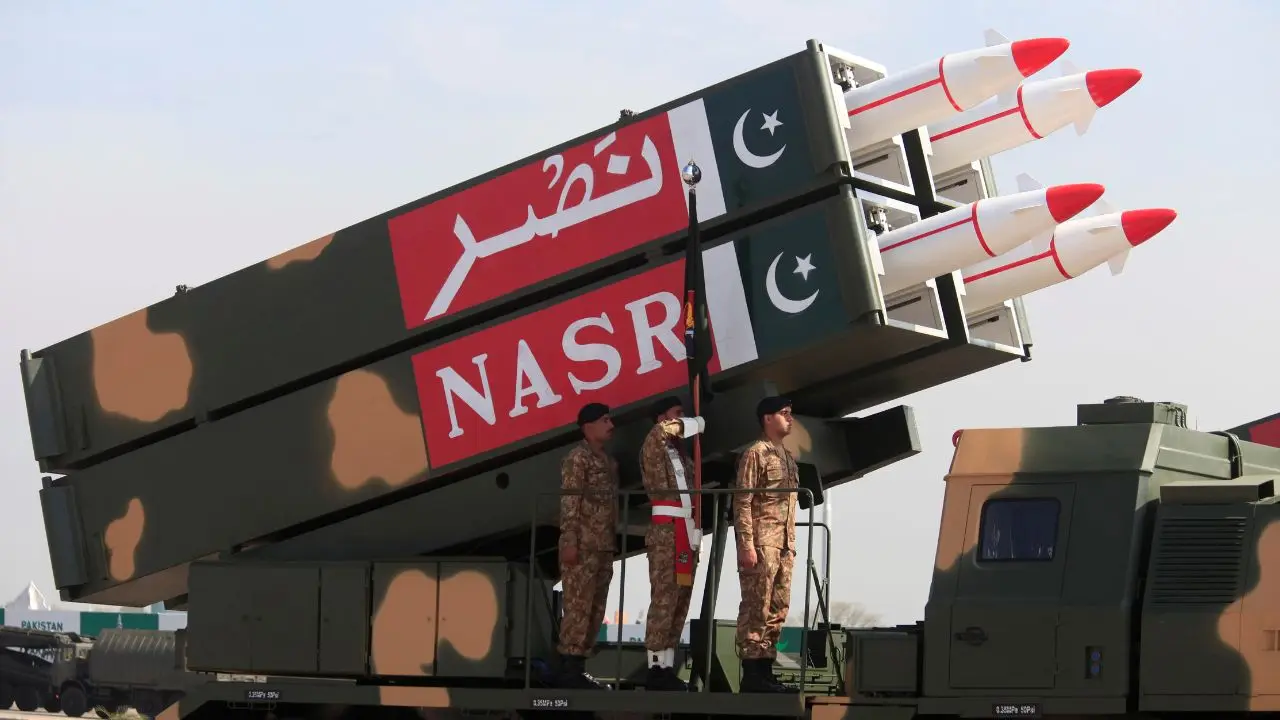
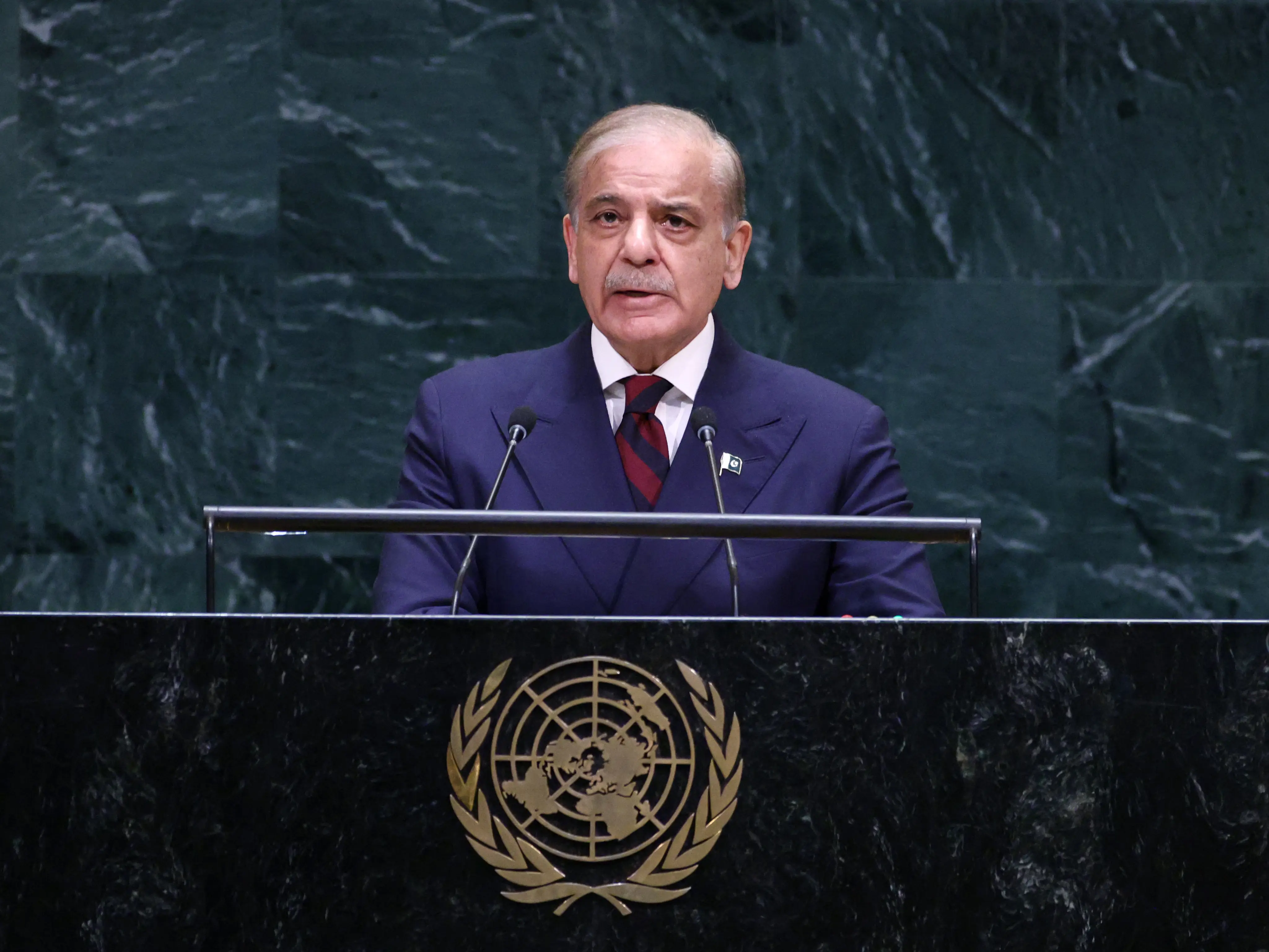
The US has long operated under the assumption that it can "manage" the risk by working with the Pakistani military. This assumption is growing outdated. Pakistan is currently experiencing one of the worst political crises in its history
As the world becomes more volatile, the idea of nuclear weapons sitting in the hands of a politically shaky state like Pakistan is no longer just a regional concern—it’s a global one. For years, Washington and its partners have relied on containment as the go-to strategy. However, that approach may no longer be enough.
It’s time to confront a hard truth: the international community must now seriously explore ways to prevent Pakistan’s nuclear arsenal from ever being used by the wrong actors—even if that means considering actions once deemed off-limits.
The Problematic Pakistan
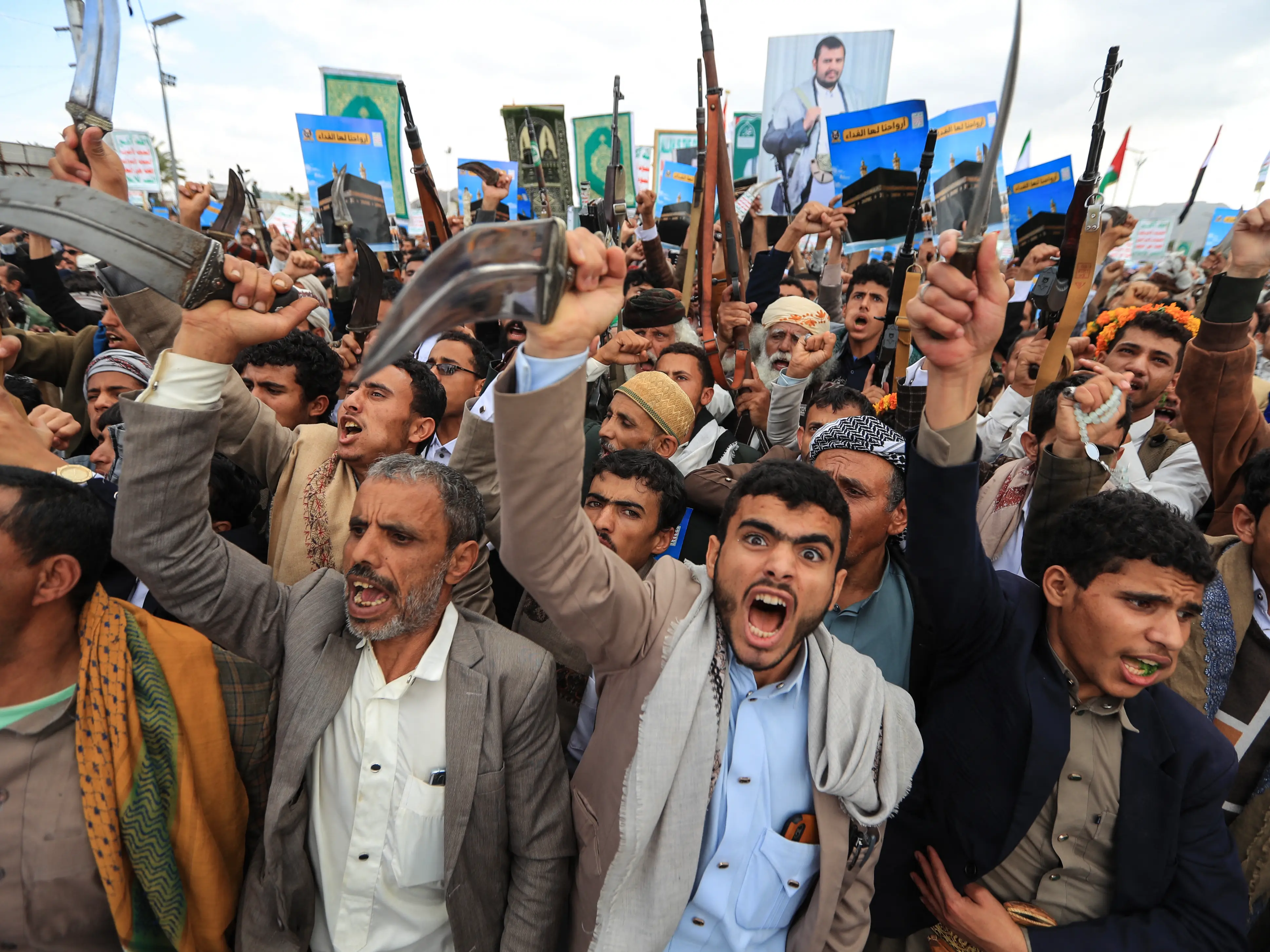
Pakistan is no longer just a nuclear-armed state. It is a nuclear-armed state teetering on the edge of political collapse, economic implosion and radicalisation. With its civilian government routinely overpowered by the military and shadowy intelligence agencies, and extremist ideologies increasingly seeping into the state's institutions, the line between national defence and rogue access is dangerously thin. The civilian leadership now exists under the constant shadow of a military that has a history of coups, electoral manipulation and building relationships with radical Islamist groups.
Also read: Pakistan threatens war against India over Indus waters! But will it march towards its own collapse?
Pakistan’s deep state—an opaque network of military generals, intelligence agencies like the ISI, and political puppets—has a long history of playing both sides of the war on terror. While accepting billions in US aid for counter-terrorism, Pakistan harboured Osama bin Laden for years and continues to provide safe havens to Taliban and Haqqani network leaders.
Trending Stories
)
)
)
)
)
)
)
)
&im=FitAndFill=(700,400))
)
)
)
)
)
)
)
)
)
)
)
)
)
)
)
)
)
)
)
)
)
)
)
)
)
)
)
)
&im=FitAndFill=(700,400))
)
Duality of Pakistan = Danger
This duality makes Pakistan uniquely dangerous. It is not merely a state with nuclear weapons—it is a nuclear state with divided loyalties, weak democratic institutions and rising religious extremism. In such a volatile environment, the greatest fear is not a deliberate nuclear strike, but a loss of control. What if radical elements inside the military gain access? What if a future coup is led by hardline Islamists? What if a rogue scientist decides to sell nuclear material to the highest bidder?
The US has long operated under the assumption that it can "manage" the risk by working with the Pakistani military. This assumption is growing outdated. Pakistan is currently experiencing one of the worst political crises in its history. With former Prime Minister Imran Khan imprisoned and the military-backed government facing intense public resistance, the state is unraveling. Meanwhile, its economy is on life support, relying on IMF bailouts and foreign aid to stay afloat. In this weakened condition, how secure can its nuclear assets truly be?
How to Disarm Pakistan?
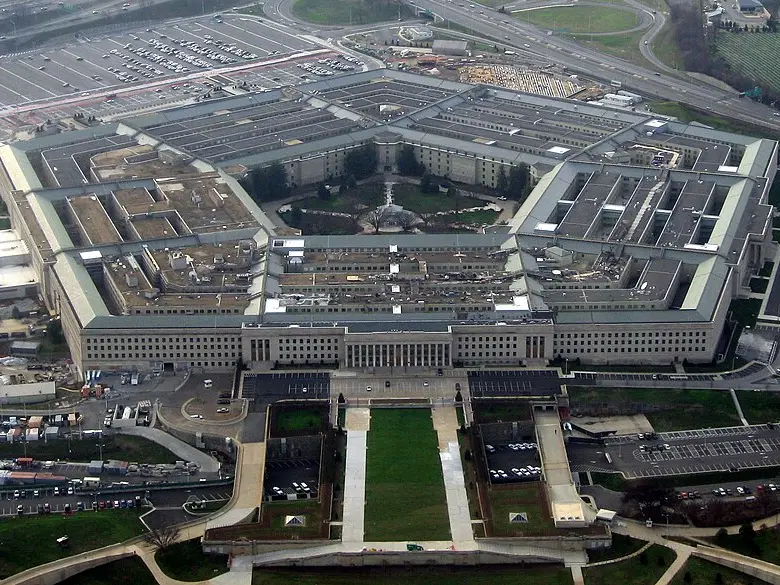
Disarming Pakistan doesn't necessarily mean military invasion or occupation. It could start with multilateral diplomacy, offering economic aid and security guarantees in exchange for denuclearisation. If that fails and a clear and present danger emerges, surgical strikes, cyber warfare, or covert operations should be on the table for US—just as they were in Syria or Iran.
Yes, it’s risky. But the risk of inaction is greater. A nuclear weapon in the hands of a rogue element—or worse, in the hands of a terrorist network—is not a theoretical concern. It's a plausible outcome.
Also read: Water, not guns, will be India's biggest weapon against Pakistan in the next war! Here's why
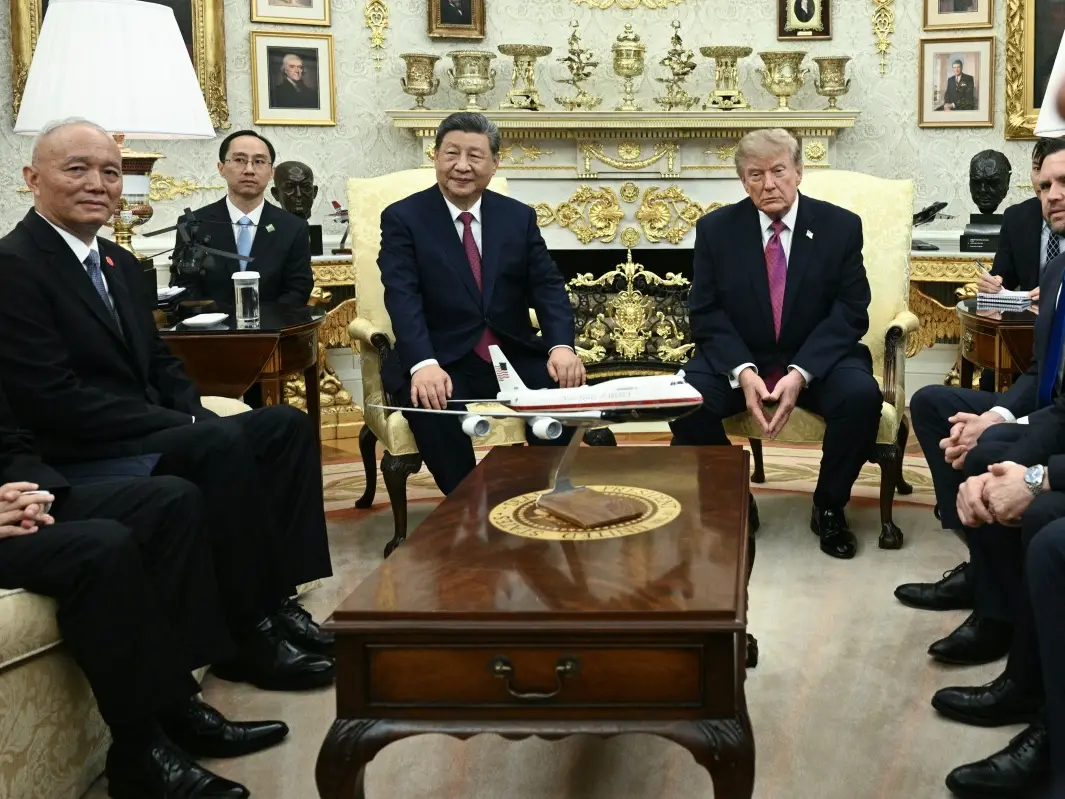
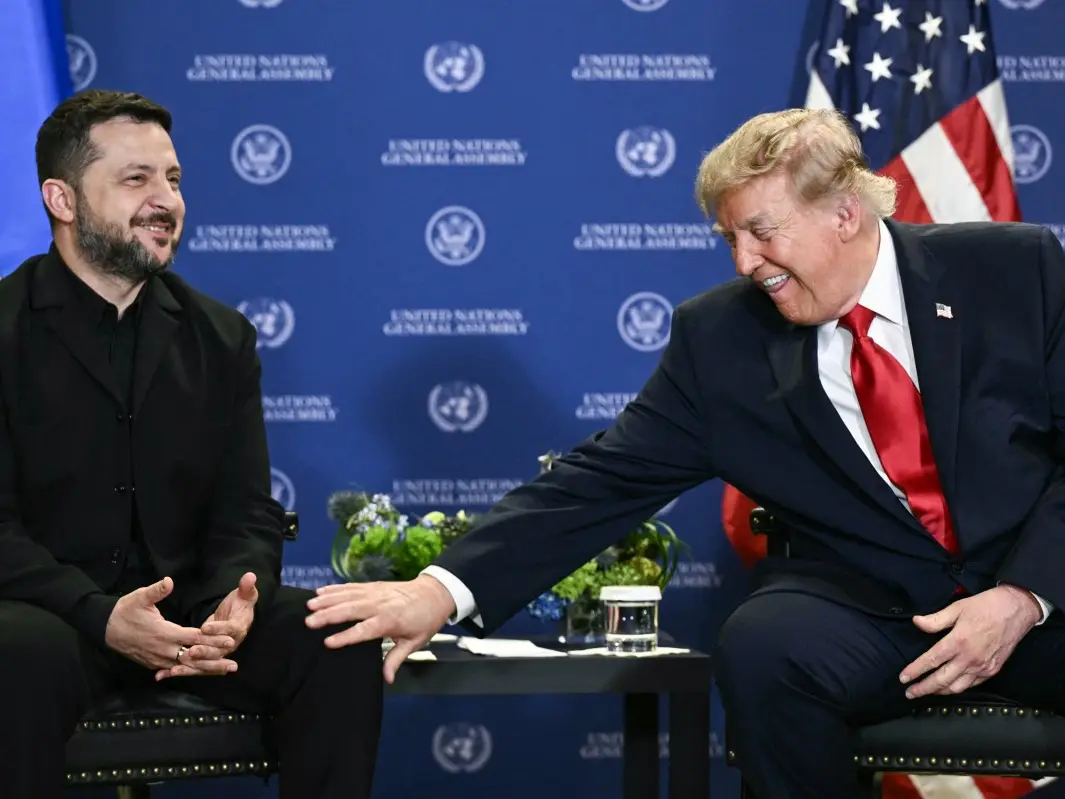
Current US President Donald Trump is known for taking bold and unpredictable decisions in sensitive matters like this. His close rapport with Indian Prime Minister Narendra Modi could further influence and accelerate such an approach.
The world can no longer afford to remain a passive spectator. If Pakistan’s descent into instability continues, global powers—led by the US—must be ready to act decisively, before a catastrophe unfolds that no nation on Earth could ever fully undo.
Disclaimer: The views of the writer do not represent the views of WION or ZMCL. Nor does WION or ZMCL endorse the views of the writer.
