Trump 2.0: The world’s military giant is losing the global soft power contest

&imwidth=600&imheight=450&format=webp&quality=medium "Trump 2.0: The world’s military giant is losing the global soft power contest")
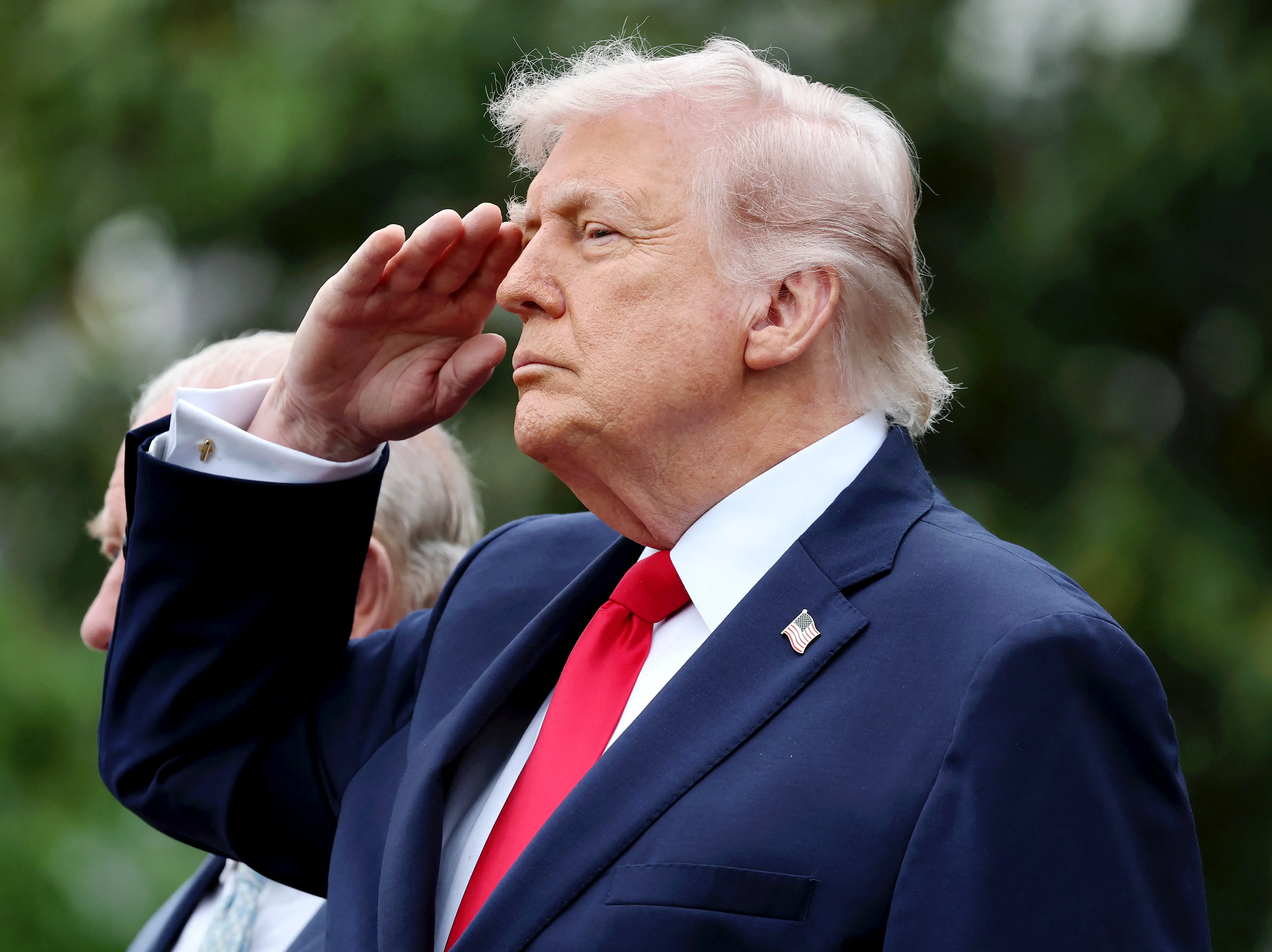
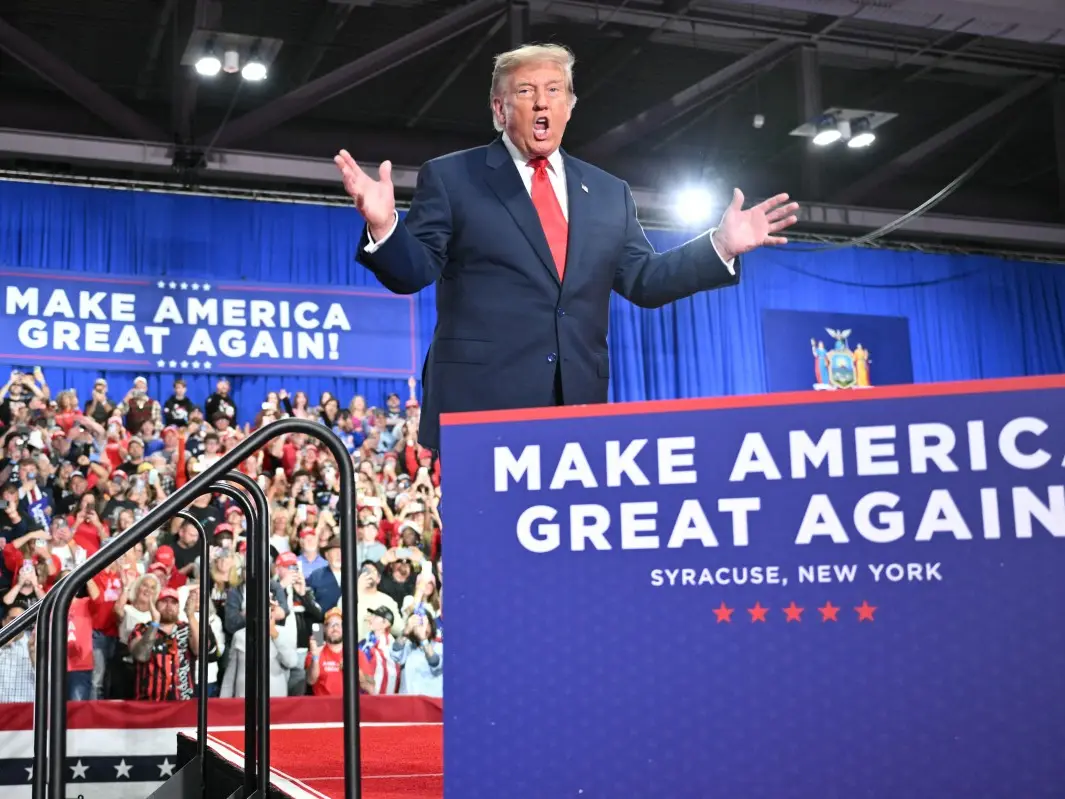
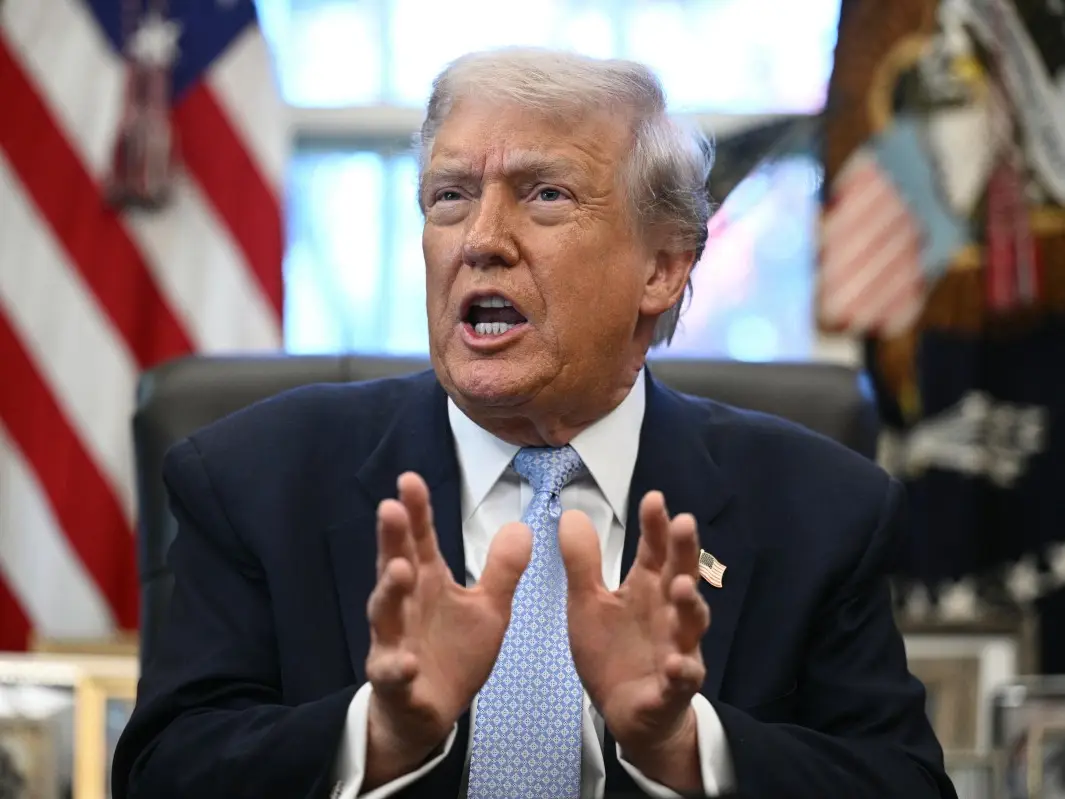
US President Donald Trump Photograph: (AFP)
Soft power has been a topic of concern among the foreign policy community for years but it has taken on urgency since the Donald Trump’s first term in office from 2017 to 2021 when he described the European Union as a “foe.”
WASHINGTON - For decades, the United States enjoyed a positive image in much of the world. No longer. Nothing highlights the sharp change in perceptions than a global survey that showed more positive views of China and Russia than America.
The survey is an annual exercise commissioned by the Alliance of Democracies Foundation, a watchdog group based in Denmark. Its findings were based on polling of more than 94,000 respondents in 85 countries. It is said to be the largest survey of its kind.
It was published on May 8 ahead of a Summit on Democracy in Copenhagen next week. Of the countries surveyed, 82 held negative views of the United States.
Also read | Missiles and deals at the same time? US-Iran war and peace dichotomy explained through history
The results underscore Washington’s disdain of what political scientists call “soft power,” a term coined in the mid-1980s by the late Harvard professor Joseph Nye. His last essay on the subject, published shortly after his death in June 2025, argued that U.S. foreign policy was doomed if America continued to turn its back on soft power.
The term defines the ability of a country to influence others by attraction and persuasion rather than coercion, force, or payments .Soft power covers the cultural appeal conveyed by, for example, movies, music and lifestyles. (During the Cold War between the U.S. and the Soviet Union, American-made blue jeans were prized possessions, soft power tools in a way.)
Trending Stories
&imwidth=280&imheight=210&format=webp&quality=medium)
&imwidth=280&imheight=210&format=webp&quality=medium)
&im=FitAndFill=(700,400)&imwidth=280&imheight=210&format=webp&quality=medium)
&imwidth=280&imheight=210&format=webp&quality=medium)
&imwidth=280&imheight=210&format=webp&quality=medium)
&imwidth=280&imheight=210&format=webp&quality=medium)
&imwidth=280&imheight=210&format=webp&quality=medium)
&imwidth=280&imheight=210&format=webp&quality=medium)
&imwidth=280&imheight=210&format=webp&quality=medium)
&imwidth=280&imheight=210&format=webp&quality=medium)
&imwidth=280&imheight=210&format=webp&quality=medium)
&imwidth=280&imheight=210&format=webp&quality=medium)
&imwidth=280&imheight=210&format=webp&quality=medium)
&imwidth=280&imheight=210&format=webp&quality=medium)
&imwidth=280&imheight=210&format=webp&quality=medium)
&imwidth=280&imheight=210&format=webp&quality=medium)
&imwidth=280&imheight=210&format=webp&quality=medium)
&imwidth=280&imheight=210&format=webp&quality=medium)
&imwidth=280&imheight=210&format=webp&quality=medium)
&imwidth=280&imheight=210&format=webp&quality=medium)
&im=FitAndFill=(700,400)&imwidth=280&imheight=210&format=webp&quality=medium)
&imwidth=280&imheight=210&format=webp&quality=medium)
&imwidth=280&imheight=210&format=webp&quality=medium)
&imwidth=280&imheight=210&format=webp&quality=medium)
&imwidth=280&imheight=210&format=webp&quality=medium)
&imwidth=280&imheight=210&format=webp&quality=medium)
&imwidth=280&imheight=210&format=webp&quality=medium)
&imwidth=280&imheight=210&format=webp&quality=medium)
&imwidth=280&imheight=210&format=webp&quality=medium)
&im=FitAndFill=(700,400)&imwidth=280&imheight=210&format=webp&quality=medium)

&im=FitAndFill=(700,400)&imwidth=280&imheight=210&format=webp&quality=medium)
&imwidth=280&imheight=210&format=webp&quality=medium)
&imwidth=280&imheight=210&format=webp&quality=medium)
&imwidth=280&imheight=210&format=webp&quality=medium)
&imwidth=280&imheight=210&format=webp&quality=medium)
&imwidth=280&imheight=210&format=webp&quality=medium)
&imwidth=280&imheight=210&format=webp&quality=medium)
&imwidth=280&imheight=210&format=webp&quality=medium)
“The fast decline of the United States’ perception around the world is saddening but not shocking,” former NATO Secretary General Anders Fogh Rasmussen told reporters when he presented the survey results.
He added: “U.S. foreign policy over the past 18 months has, among other things, called into question the transatlantic relationship, imposed widespread tariffs, and threatened to invade a NATO ally’s territory,” a reference to U.S. President Donald Trump’s repeatedly stated intention to take control of Greenland.
Add the painful economic impact resulting from the war on Iran Trump launched on February 28, and it is easy to understand why Rasmussen said the unprecedented decline of views of America was “not shocking.”
Iran responded to devastating waves of air and missile strikes on 13,000 targets, from military installations to suspected nuclear facilities, by closing the Strait of Hormuz, the narrow waterway which carries twenty percent of the world’s oil, gas and fertilisers.
The initial attack killed Iran’s Supreme Leader, Ayatollah Ali Khamenei, and most of his senior aides.
The war is now in its third month and indirect negotiations, brokered by Pakistan, have not been successful. The U.S. is clearly not as skilled in diplomacy and negotiations as it is in using its overwhelming military might.
Soft power has been a topic of concern among the foreign policy community for years but it has taken on urgency since the Donald Trump’s first term in office from 2017 to 2021 when he described the European Union as a “foe.”
His habit of breaking long-established norms of international relations gathered momentum since he began his second term in January 2025. Now, the expression “soft power suicide” tends to crop up in conversations about where the United States is going.
In an insightful essay in Foreign Policy magazine, an influential publication widely read by experts, Stephen Walt, professor of international relations at Harvard, argued that “the United States has given up one of its core international strengths.”
Walt noted that one of the most striking features of the Trump administration is its “absolute confidence in America’s hard power.” No other country can match America’s military might or the awe-inspiring skills of special forces that were on display in the operation to abduct the Venezuelan dictator Nicolas Maduro and his wife on January 3.
They were flown to New York to face charges of drug smuggling. Maduro was replaced by his deputy, Delcy Rodriguez. She soon made clear she would follow policies acceptable to Trump. The U.S. promptly re-opened its embassy in Caracas.
The success of the Maduro raid apparently convinced Trump that killing Iran’s Supreme Leader and almost all of the top leadership would result in a regime that would bend to his will. He was wrong. Ayatollah Khomeini was replaced by his son, Mojtaba Khomeini.
He is considered more hardline and inflexible than his father and the prospect of finding an Iranian equivalent of Delcy Rodriguez is remote.
Now, Iranian officials say Washington and Tehran are debating a one-page U.S. proposal for the two sides to reopen the Strait of Hormuz and begin a 30-day truce to give time for negotiations on a comprehensive deal to end the war. Iran has yet to respond.
Walt’s essay echoed a point shared by many critics of U.S. over-reliance on military power, a historic trend which failed to end in victory in the long wars in Vietnam and Afghanistan.
“What’s puzzling is that administration officials don’t recognise what’s happening,” he wrote. “Do they not understand…that treating the use of force as an act to be celebrated is going to make other countries less willing to work with an erratic, vengeful and potentially threatening America?
“Haven’t they ever heard the old adage that “you can catch more flies with honey than with vinegar”?
It’s no surprise that in the survey by the Alliance of Democracy Foundation, the United States was most frequently named in response to which country posed the greatest threat to the world, after Russia and Israel.
DISCLAIMER: The opinions expressed in this article are solely those of the author and do not necessarily reflect the views of WION.
