
&imwidth=800&imheight=600&format=webp&quality=medium "Operation Sindoor: Donald Trump’s ceasefire boast falls flat as Defense Minister Rajnath Singh sets record straight in Lok Sabha")
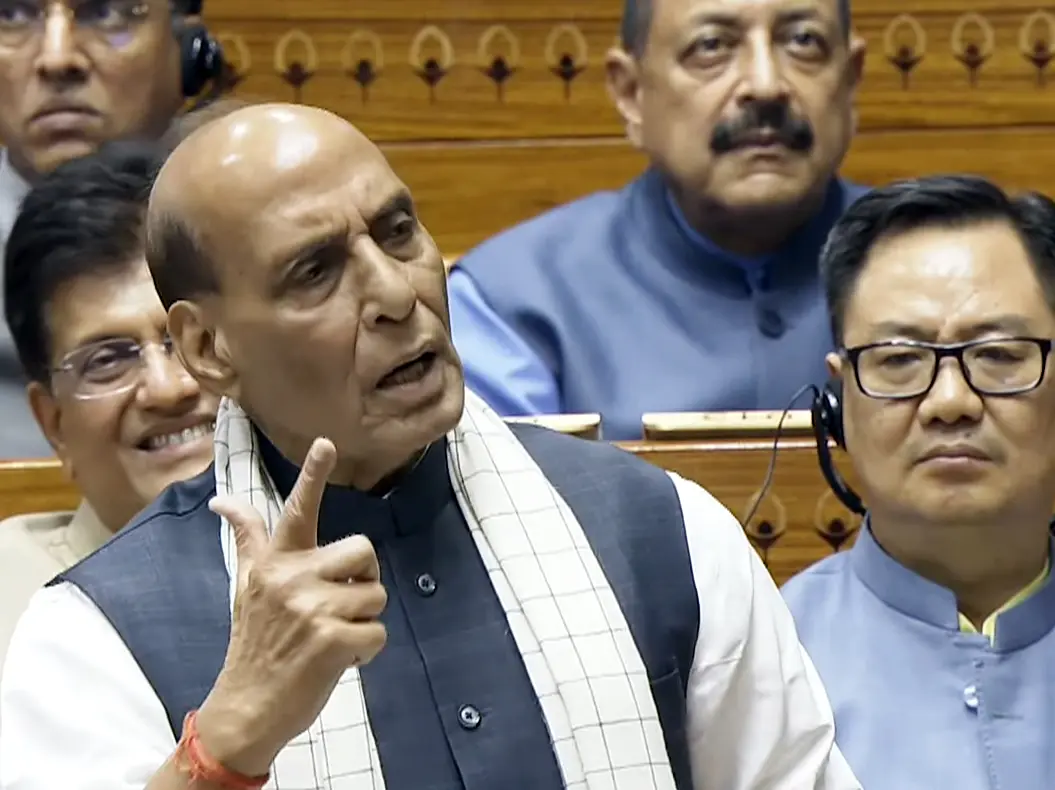
The Monsoon Session of Parliament turned fiery as the Opposition rolled up its sleeves to corner the government over the Pahalgam terror attack and the subsequent military response. On July 28, 2025, Defense Minister Rajnath Singh called a spade a spade in the Lok Sabha, declaring Operation Sindoor a “historic, decisive, and effective” display of India’s firm stand against terrorism and India halted the operation only after achieving its military objectives. Addressing the House, the Defense Minister underlined the successful military campaign against perpetrators who killed 26 civilians, mostly tourists, in a brutal attack in Pahalgam, Jammu and Kashmir, on April 22, 2025. The attack, driven by religious motives, shook the conscience of the nation. “The Indian Army achieved a stupendous feat, meeting its military goals without any external or internal pressure,” Singh firmly stated, emphasizing the operation’s precision and independence.
The nub of Singh’s statements was to refute US President Donald Trump’s claims of mediating a ceasefire between India and Pakistan. Operation Sindoor, launched on May 6-7, 2025, targeted nine terror camps in Pakistan and Pakistan-occupied Kashmir (PoK), destroying them with surgical precision while minimizing civilian casualties. He clarified that the operation was paused at Pakistan’s request through direct military channels on May 10, not due to any diplomatic pressure or external intervention. This directly countered Trump’s repeated assertions—26 times since May 10, as claimed by the Congress—that he brokered the truce, even suggesting he prevented a nuclear war. Prime Minister Narendra Modi, in a June 18 phone call with Trump, had already clarified that the ceasefire was a bilateral decision, a stance echoed by Foreign Secretary Vikram Misri at the G7 summit.
The Opposition, led by Congress president Mallikarjun Kharge and Leader of Opposition Rahul Gandhi, seized the moment to question the Modi-led government’s handling of the Pahalgam attack and Trump’s claims. Labeling the US President’s assertions “humiliating,” they demanded a 16-hour debate on Operation Sindoor, set for July 29, to probe alleged intelligence failures. Kharge cited Jammu and Kashmir Lieutenant Governor Manoj Sinha’s admission of lapses, noting that the terrorists responsible remain at large. The Congress argued that the government’s silence on Trump’s narrative risked undermining India’s global credibility. In response, Singh mounted a robust defense, stating, “Results always matter in any examination, not if the pencil broke or the pen was lost.” He emphasized that Pakistan failed to inflict any damage on India’s military assets, while the Indian Army achieved its objective of dismantling terror infrastructure.

Operation Sindoor targeted Pakistan-based terror outfits, eliminating over 100 terrorists, including members of Lashkar-e-Taiba, and destroying key infrastructure like China-supplied HQ-9 missile systems. Indian warplanes and strategic planning ensured maximum damage to terror camps without harming innocent civilians, earning global acknowledgment for India’s military prowess. The Defense Minister’s address highlighted the operation’s success in sending a clear message: India will not tolerate cross-border terrorism. The Defense Minister’s visit to Srinagar’s 15 Corps Headquarters on May 15, where he praised the armed forces’ valour, further reinforced this stance. He also called for the International Atomic Energy Agency to oversee Pakistan’s nuclear arsenal, signaling India’s concerns over “nuclear blackmail.”
India has consistently extended an olive branch to Pakistan, from the 1999 Lahore Bus Yatra to Modi’s attendance at Nawaz Sharif’s granddaughter’s wedding in 2015 as a gesture of goodwill. However, Singh noted in the Lok Sabha, “India has always emphasized peaceful relations with Pakistan, but our neighbour has failed to understand its merit.” Despite these efforts, Pakistan’s persistent support for terrorism has forced India to adopt a zero-tolerance policy. Modi has driven home the message that “terror and talks cannot go together,” a principle reflected in the 2016 Surgical Strike, the 2019 Balakot Air Strike, and now Operation Sindoor. These operations underscore India’s resolve to safeguard its sovereignty while advocating for global peace under the vision of “One Nation, One Earth, One Future.”
The Pahalgam attack, executed by Pakistan-backed terrorists, targeted civilians in a popular tourist destination, prompting nationwide outrage. The Indian Army’s response, authorized by PM Modi, utilized indigenous platforms, showcasing India’s growing self-reliance in defense manufacturing. According to a Ministry of Defense report, the operation involved advanced drones and precision-guided munitions, with no Indian casualties reported. This success has bolstered India’s image as a decisive power, capable of countering terrorism without external reliance. The operation’s global impact was evident when the UN Security Council, in a May 12 statement, condemned the Pahalgam attack and supported India’s right to self-defense, a rare endorsement for New Delhi.
Trending Stories
)
US vs China over South China Sea: Washington backs Philippines, Beijing hits back
)
Bigg Boss 20: Isha Rikhi evicted after three weeks in Salman Khan’s show
)
Musk plans to more than double xAI's chips to over 1.2 million Nvidia GPUs by year-end
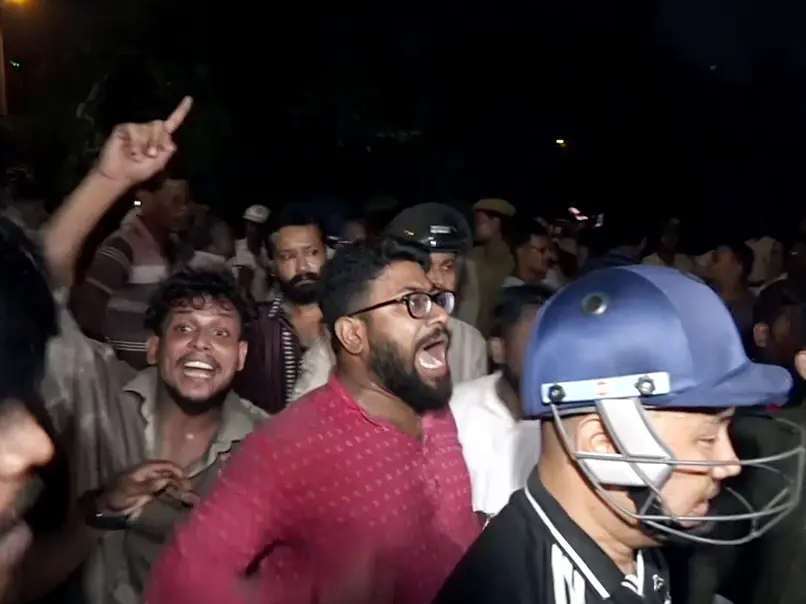)
After JU, clash erupts at SRFTI: BJP’s ‘Dimagi Naxal’ jibe sparks political firestorm after students protest RSS-linked event
)
‘Anti-social elements spreading false rumours’: LPU issues statement amid massive unrest over alleged rape
)
LPU students go on rampage, vandalise campus amid widespread protest: What's happening
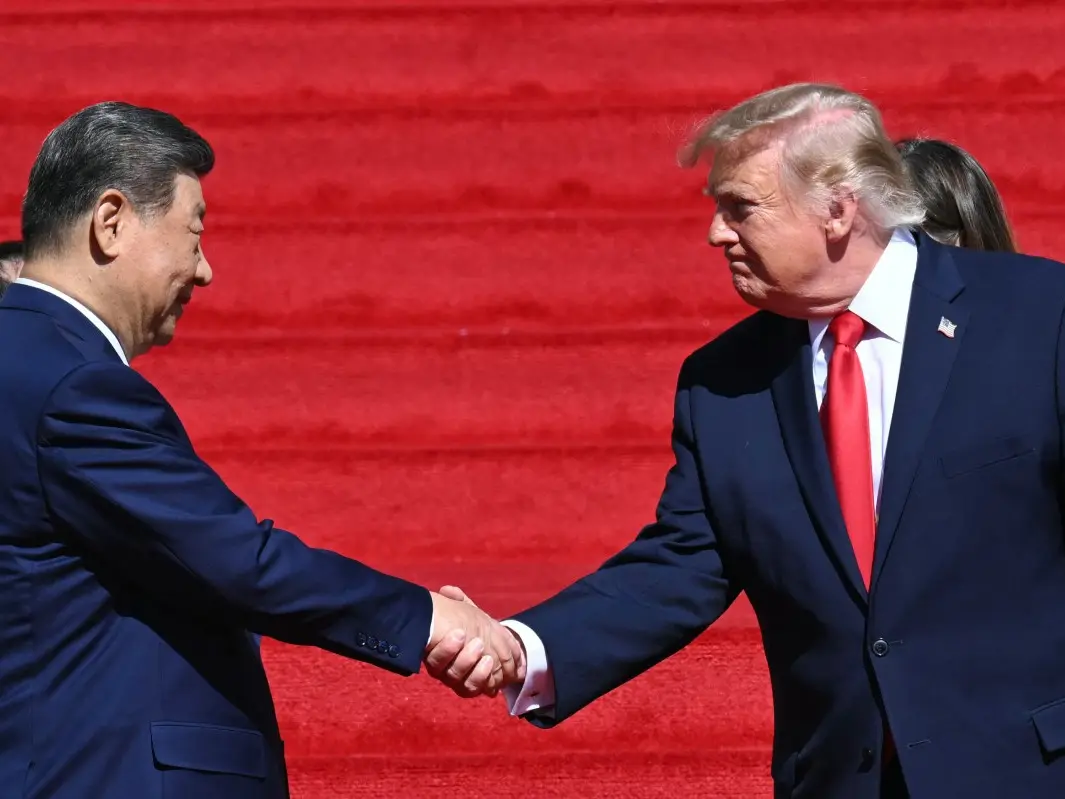)
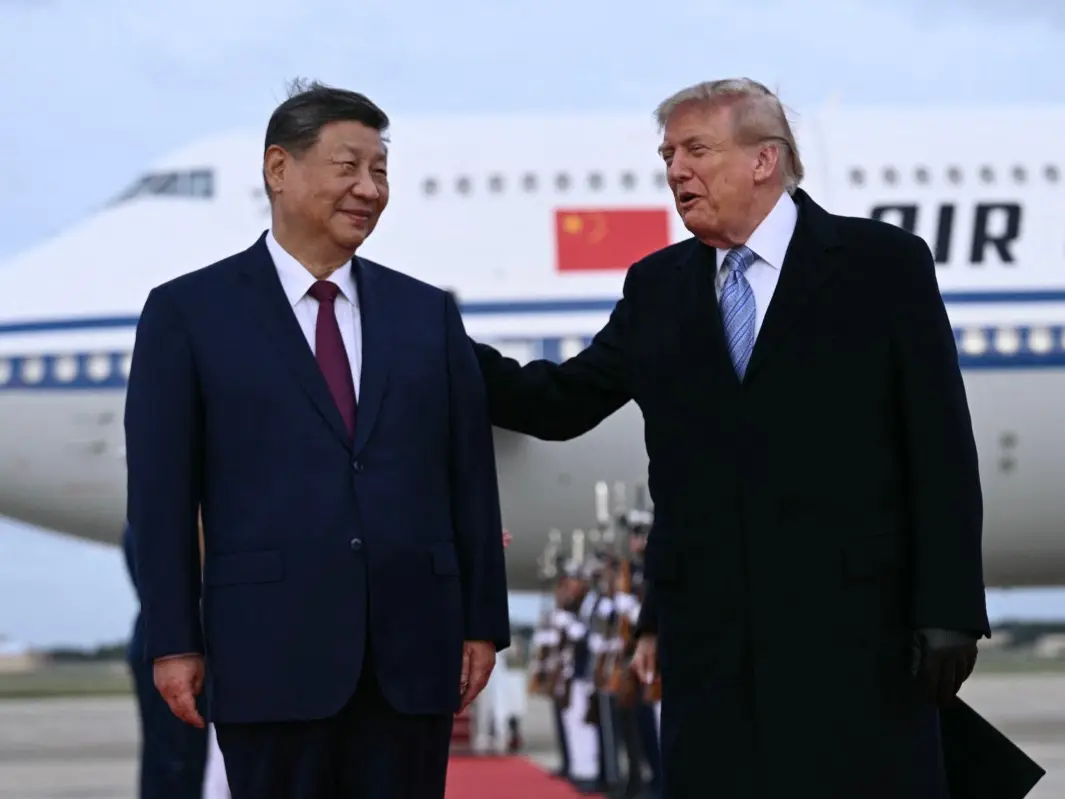
Trump asked Xi to pressure Iran. China did not say yes — here’s what Beijing wants
)
US Treasury Secretary Scott Bessent hails global crackdown on Iranian banks and airlines
)
An OpenAI agent escaped its locked test cage again, by hiding questions in DNS lookups
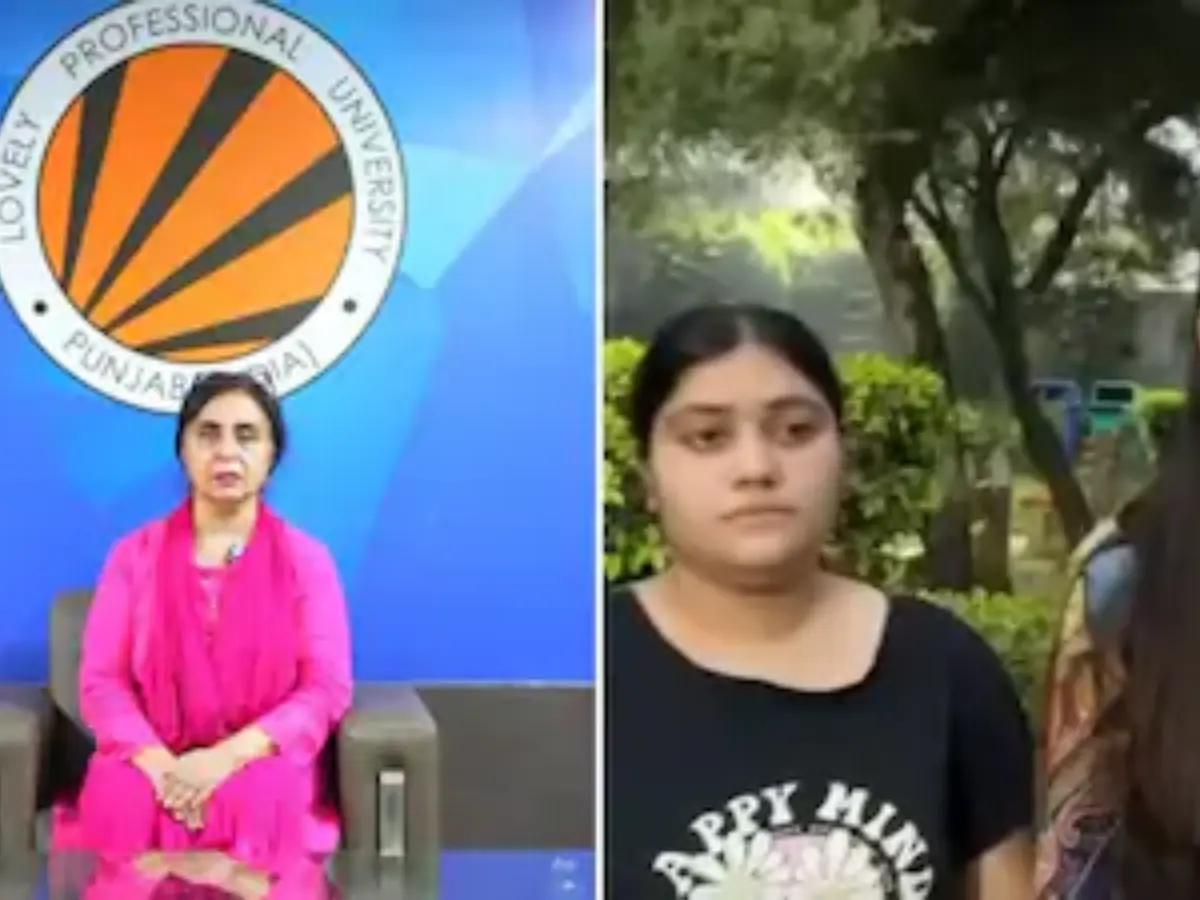)
'Our video was trimmed': LPU girls who featured in rape-denial video make U-turn
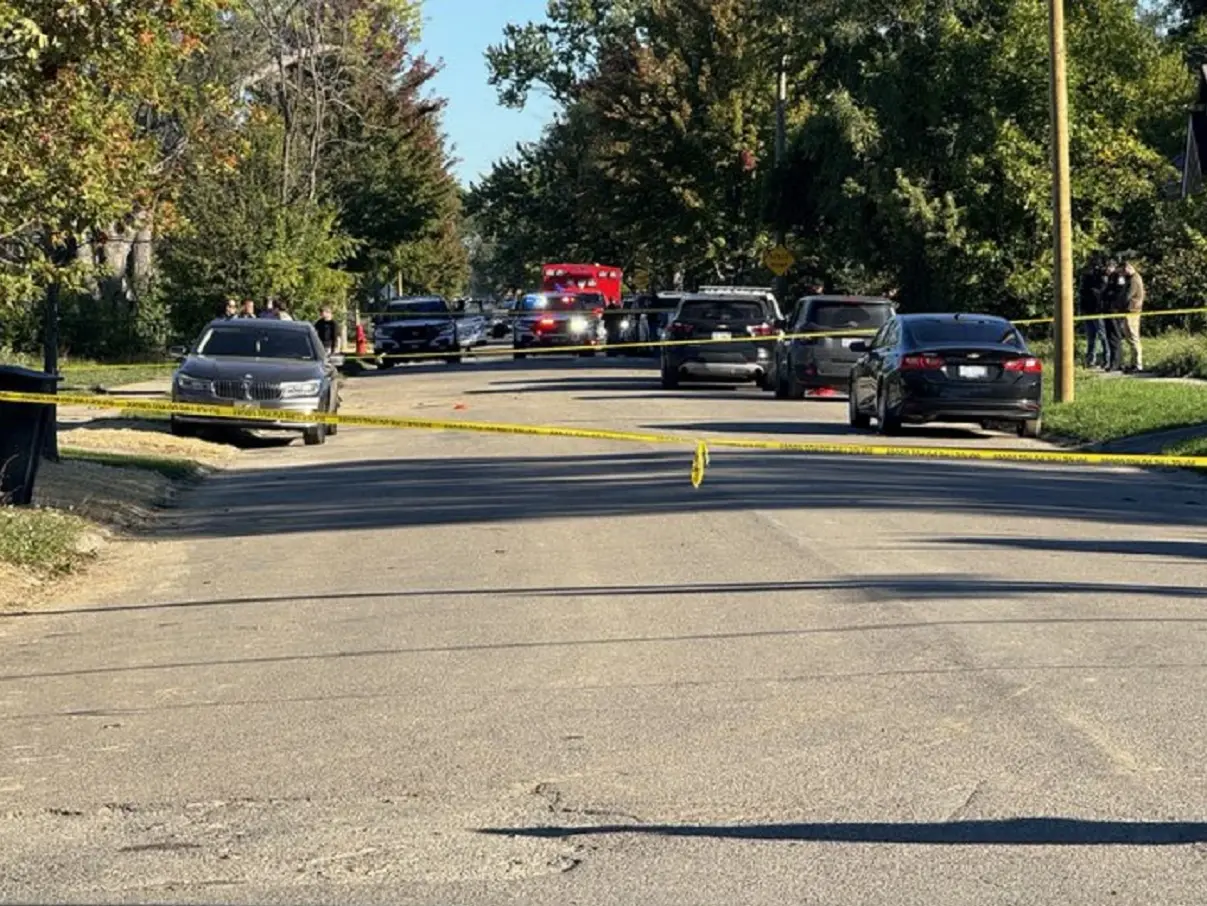)
3 males killed, four others injured in shooting after fight at strip club in Detroit
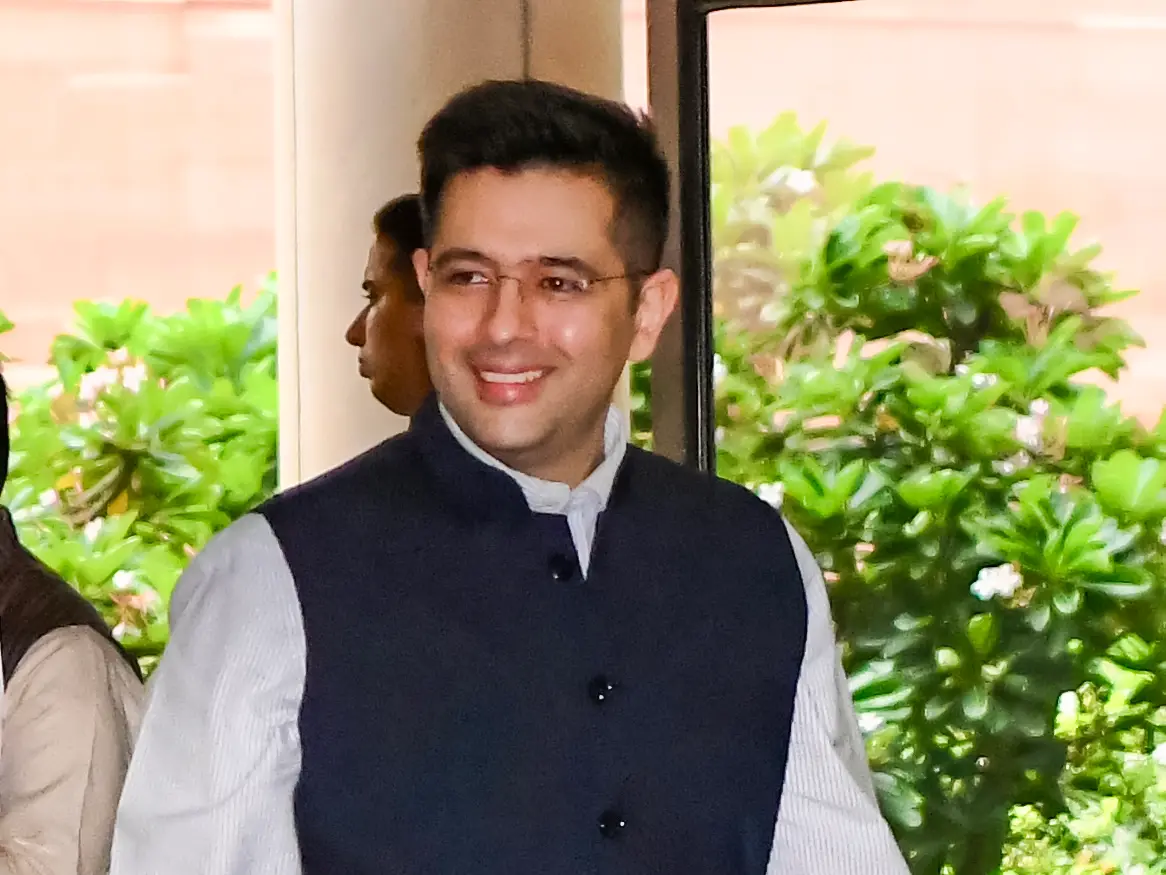)
'Victory for low-budget consumers': Raghav Chadha hails 30-day telecom recharge rules
)
Claude rebuilt the 1989 game 'Prince of Persia' by reusing the original's own code
)
Beyond metros: How Tier-2 and Tier-3 cities could drive India’s next AI wave
)
Tesla builds first Cybertruck with its own refined lithium: Elon Musk's $1 billion Texas bet pays off
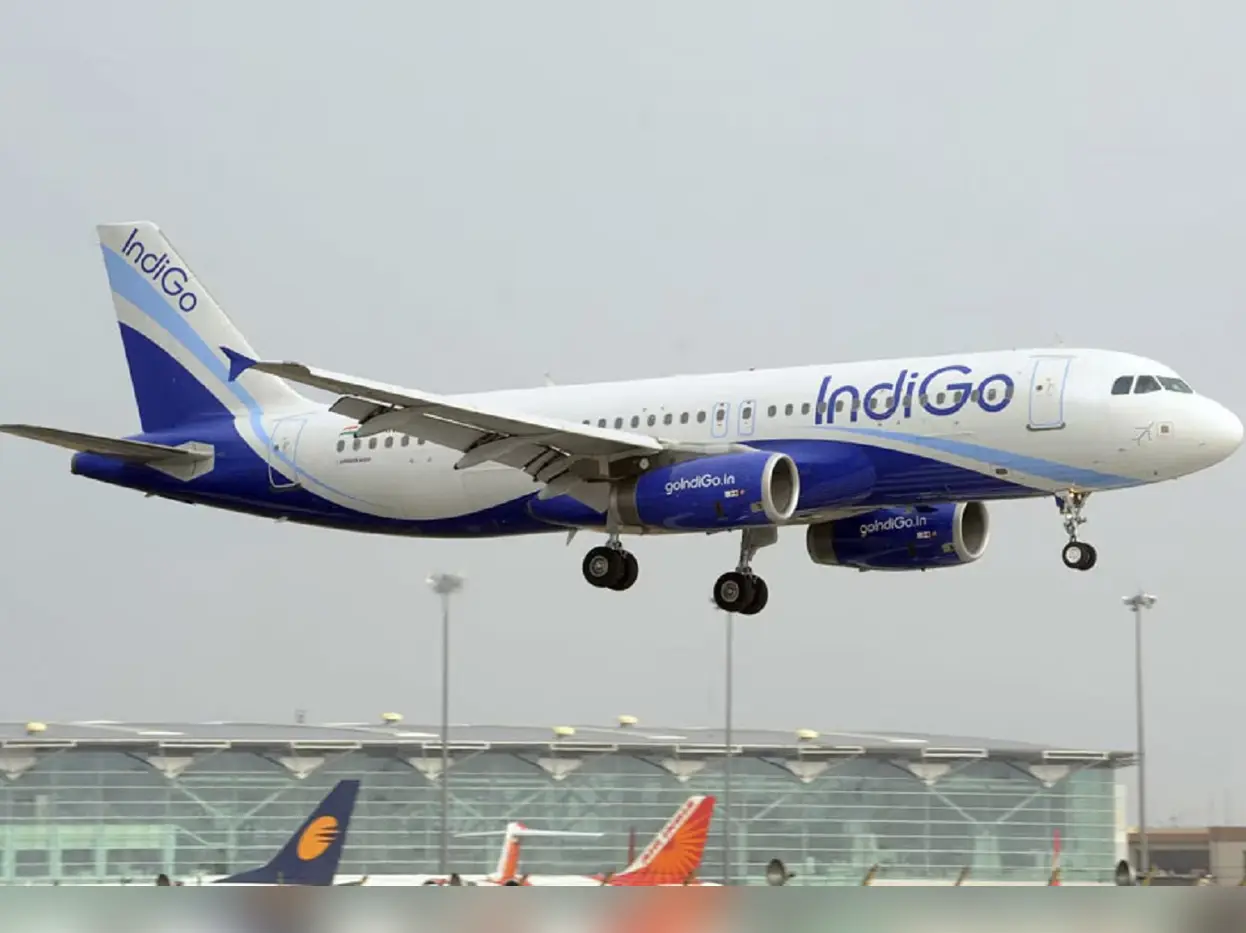)
IndiGo flight suffers tail strike in Bengaluru while landing; DGCA to probe incident
)
The US and China set up an AI 'red telephone', but skipped the rulebook
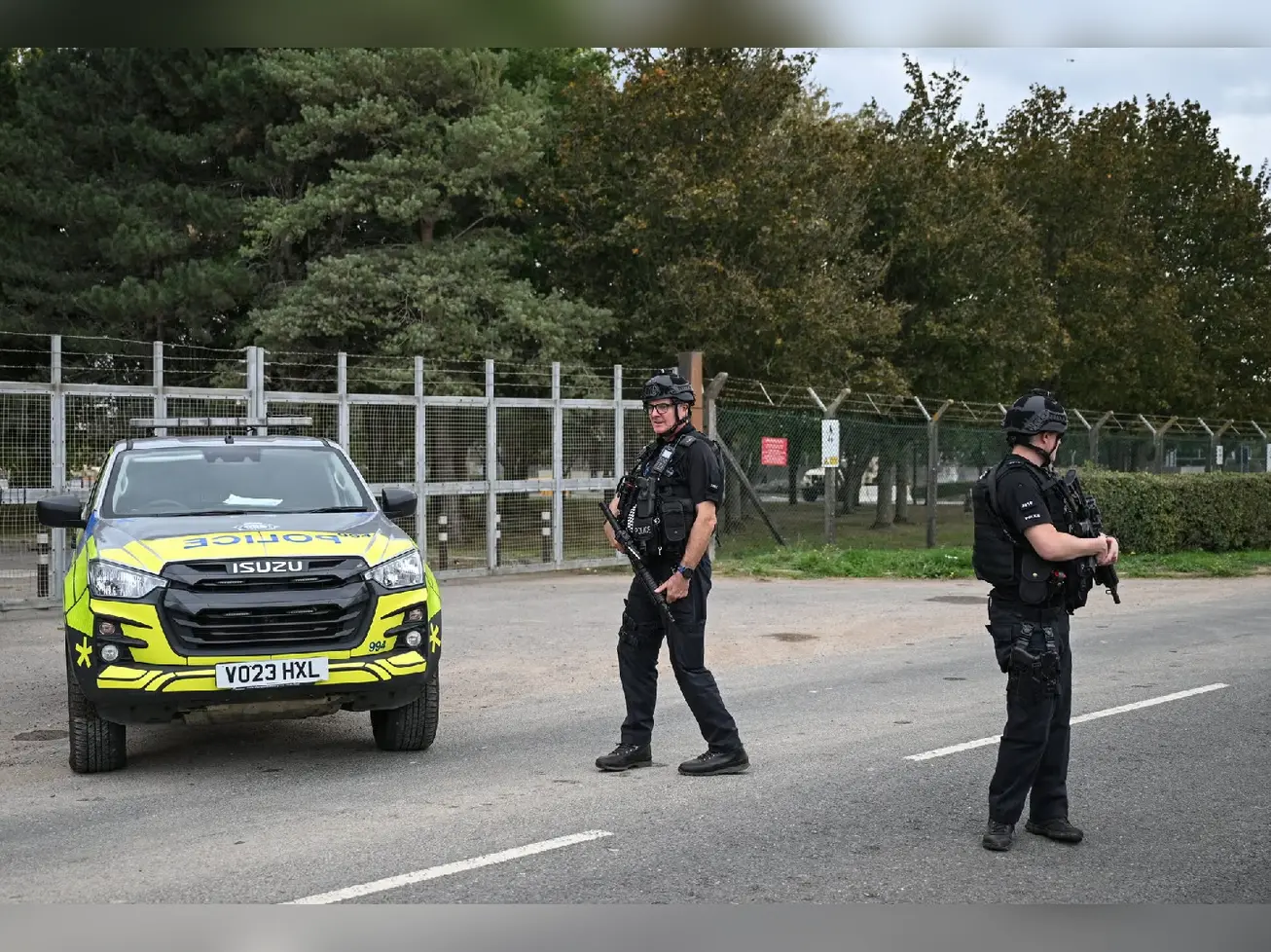)
‘Terror suspects arrested near UK air base were looking to do big damage’: Trump
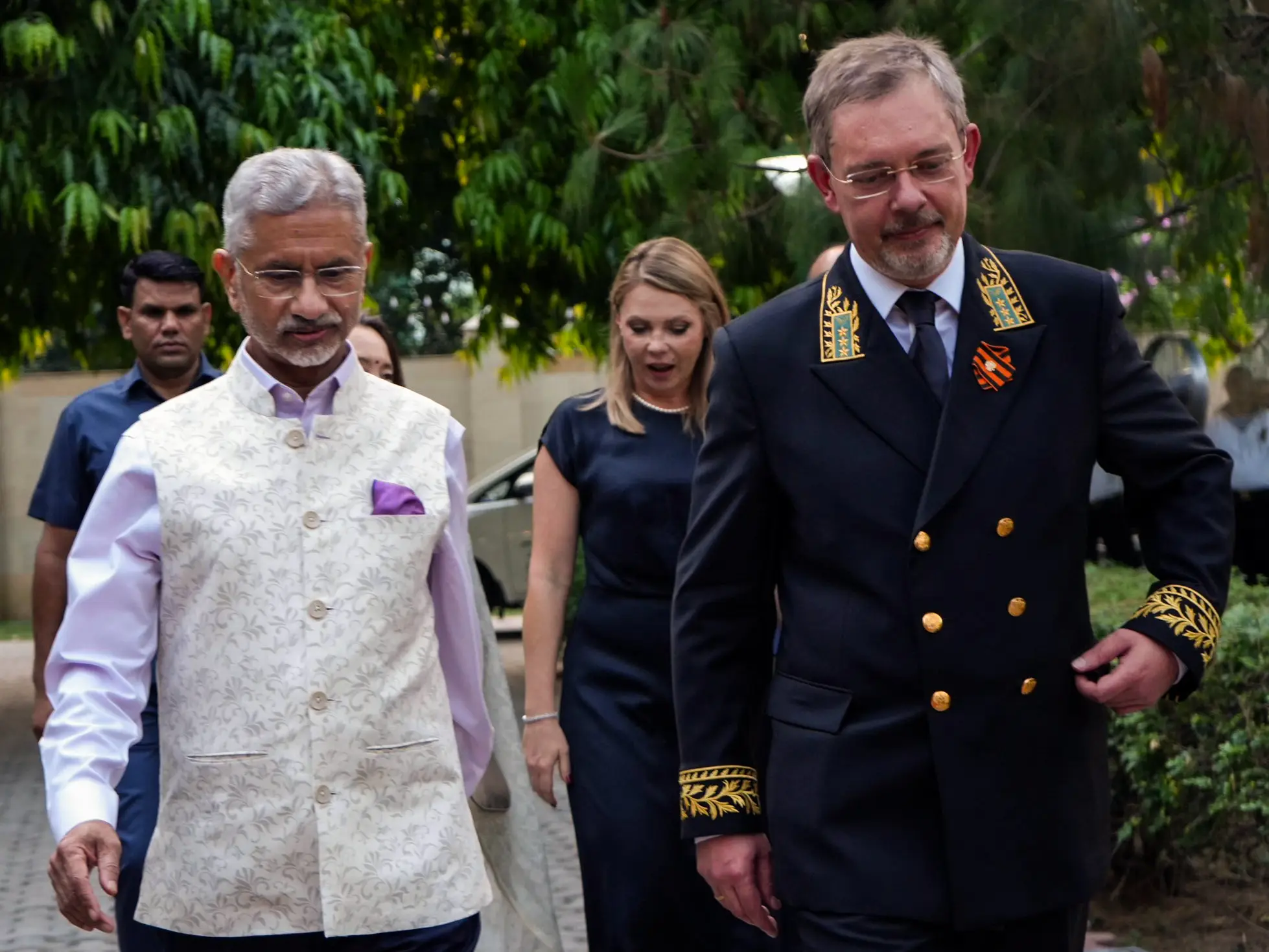)
Russian envoy claims US tactics to contain India were revealed in ‘Freudian slip’
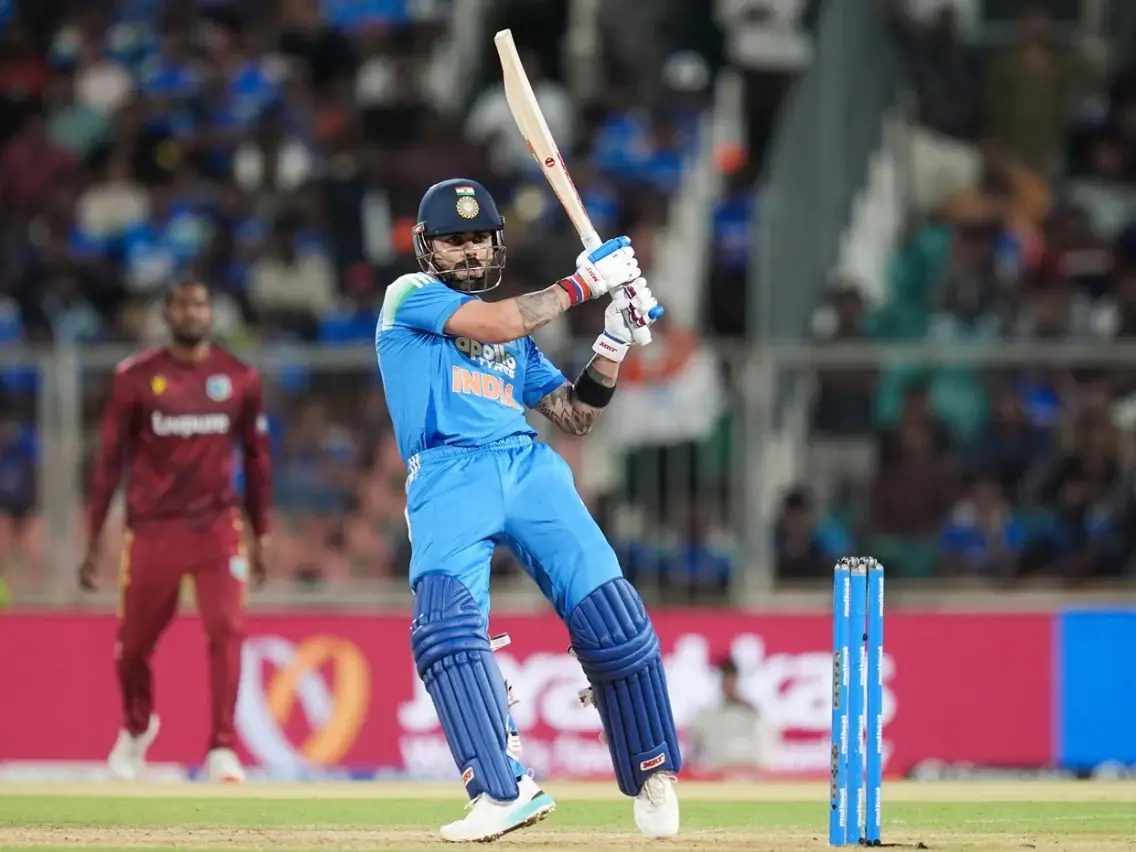)
IND vs WI 1st ODI: Kohli breaks Sachin's most runs in one country record with unbeaten 139 as India thump West Indies by 8 wickets
)
Researchers rebuilt exactly how 700 AI agents hacked Hugging Face: a 900-link chain trick
)
‘Olympic inclusion is our major target’: WPA President Ishaun Singh on pool’s global ambitions
)
Nations League: Spain sink England at Wembley; Modric shines for Croatia
)
Why has Iran released no proof of life of Mojtaba Khamenei? Araghchi reveals...
)
'What kind of confession is this?': Pakistan PM Shehbaz Sharif’s 'terrorists would be roaming New York' remark goes viral, raises alarm online. Watch
)
South Korea demands apology from Ukraine over North Korean prisoners' transfer
)
Beyond BrahMos: India targets Rs 50,000 crore in defence exports with unmatched price edge
)
Sri Lankan Tamil migrant worker gets death sentence in Saudi Arabia, help sought from India
)
Muslim marriage cannot shield sex with minor wife from prosecution under POCSO: Delhi HC
)
'Can't help but draw painful parallels to Nirbhaya case': SC on latest incidents of rape cases in Delhi-NCR
)
99.9% more powerful - Scientists find boy who can recall memories from just 3 months of age
)
'FIRST LOOK from inside Noah’s Ark': Researchers share video from inside mysterious mound in Turkey
)
UNSC reform momentum grows: Russia, Portugal, Mauritius push for India's permanent seat bid
)
8 US marines injured in Iranian missile attack on vessel in Strait of Hormuz: Report
&im=FitAndFill=(700,400))
New OTT releases this week (September 28-October 4, 2026): Dupahiya 2, Pooja Meri Jaan, Ohh My Dog- 5 titles coming on Netflix, Prime Video and more
)
Afghanistan says 28 fighters killed in clash near Pakistan border, Islamabad denies
)
Ceuta migrant crisis: Protesters take to streets as Spain grapples with migrant challenge
)
LPU suspend classes, postpones exams as violence escalates over rape claims: What's happening
)
New York City wants a 'kill switch' on every AI, and will pay whistleblowers who report violations
However, challenges remain. The Opposition’s push for accountability on intelligence failures and Trump’s narrative risks domestic political friction. Congress MP Shashi Tharoor’s international outreach, while clarifying India’s stance, faced criticism within the party for diluting its aggressive posture. The government must also navigate Pakistan’s propaganda, which falsely claimed civilian casualties in PoK, debunked by India’s satellite imagery evidence.
Operation Sindoor highlights India’s sole focus on security and sovereignty. As it marches towards Viksit Bharat by 2047, India’s zero-tolerance policy on terrorism and strategic partnerships signal its emergence as a global leader. Singh’s firm rebuttal of Trump’s claims and the success of Operation Sindoor underscore a clear message: India will protect its sovereignty and peace, no matter the cost.