
&imwidth=800&imheight=600&format=webp&quality=medium "India-Russia Summit 2025: Why Russian President Vladimir Putin’s India trip actually matters and why the West will be watching every move")
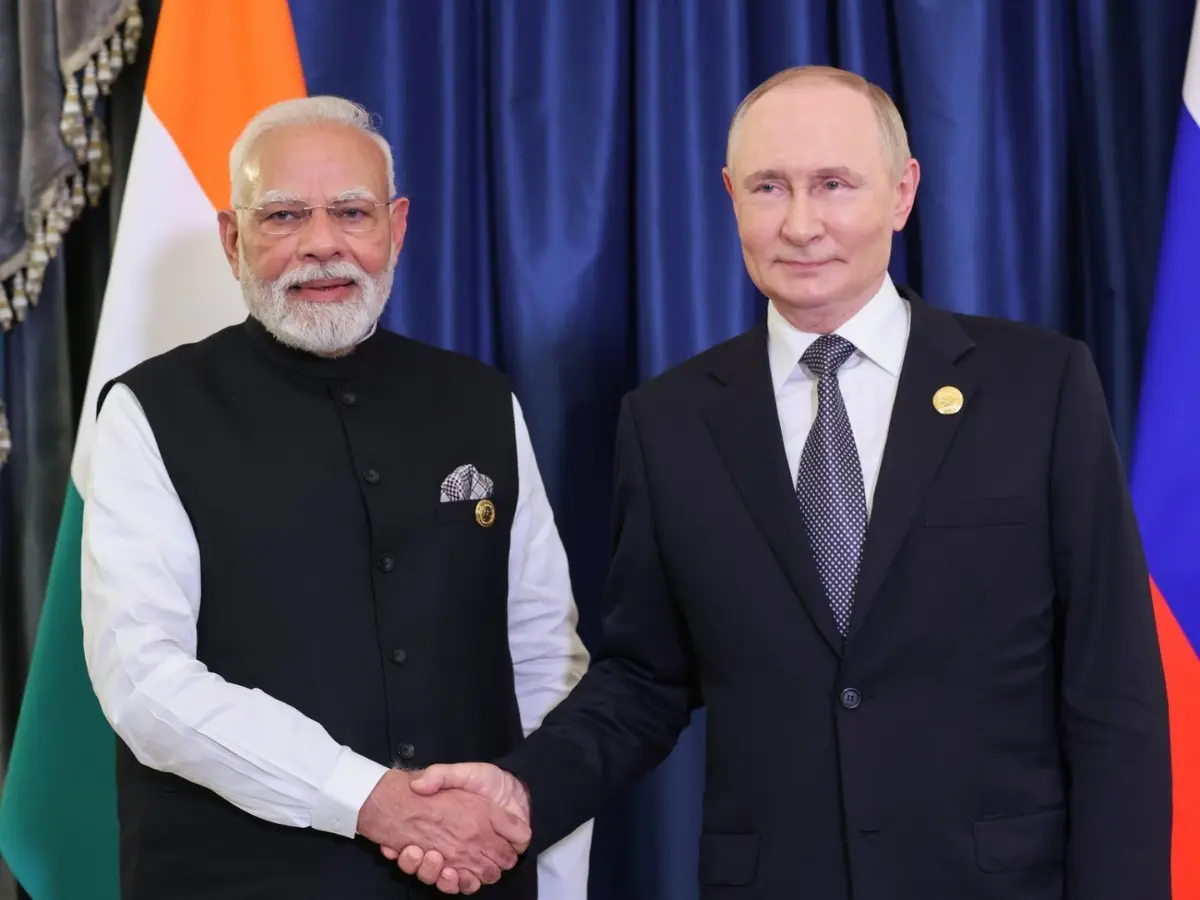
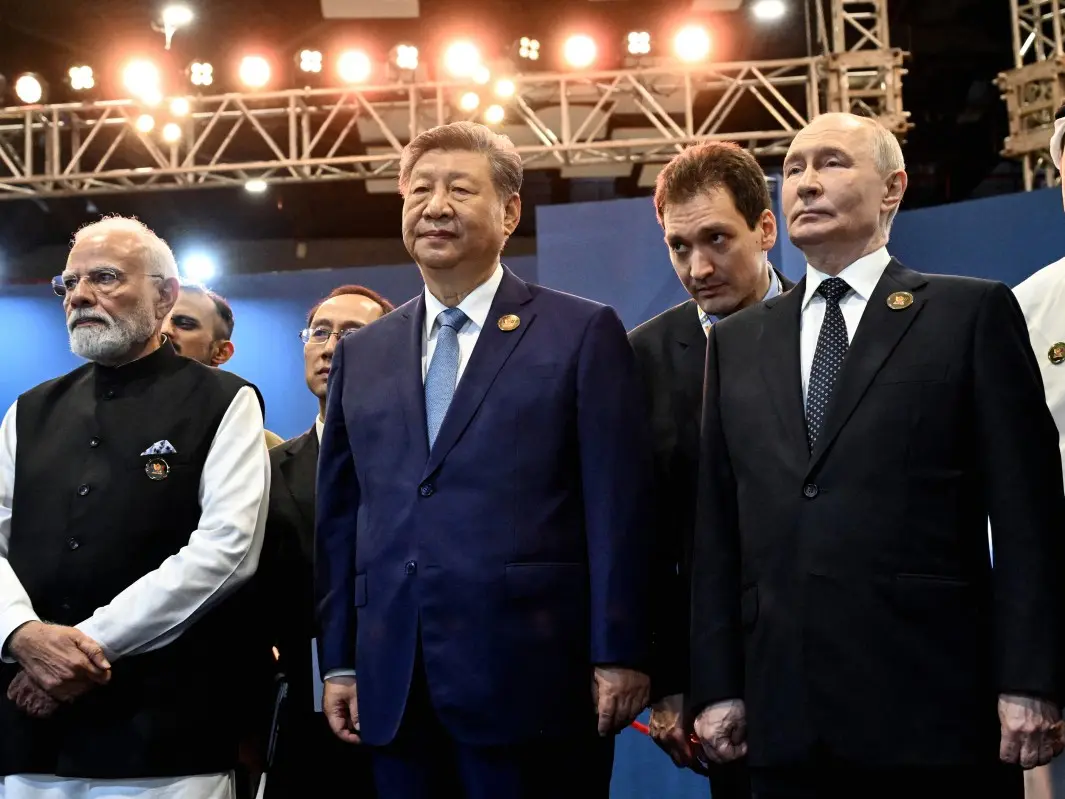
Russia President Vladimir Putin’s upcoming visit to India will invite inevitable pundit fatigue: another summit, another handshake, another round of diplomatic boilerplate. But reducing this moment to routine would be a mistake. His arrival in New Delhi, his first major visit after travelling to the US and China, and his first to India since the Ukraine war upended Russia’s global standing, carries far more weight than its ceremonial packaging.
This is not just a bilateral meeting. It is a geopolitical signal, a strategic recalibration, and a diplomatic test for India in a world that has become increasingly bipolar. It is a moment that tells us how much has changed in the global order, and how much India’s choices now matter in shaping it.
A visit two years in the making

For nearly two years, Vladimir Putin avoided major global gatherings, not because of logistical constraints, but because of the political and legal storm surrounding him. He skipped the G20 Summit in New Delhi. He avoided BRICS and multiple multilateral events where his presence would have been overshadowed by the Ukraine war, sanctions, and the ICC arrest warrant. Against that backdrop, the decision to travel to India is not casual; it is deliberate.
This visit is Putin’s biggest political bet after his trips to China and the US. Those two capitals symbolise the polar ends of global power. India represents something else entirely: the swing power in the middle, whose partnership Russia cannot afford to lose. And for India, hosting Putin at this juncture is equally meaningful. It is a quiet assertion of strategic autonomy, a reminder that New Delhi charts its own geopolitical course, and a signal to the world that India will not be pressured into taking sides in the new Cold War.
At a time when Washington, Brussels and even some Asian partners anticipate a slow distancing between India and Russia, New Delhi has sent a different message: that engagement with Moscow is not a relic of the past, it is a calculation for the future.
Trending Stories
)
‘US ensuring global energy supplies’: Trump demands reimbursement for securing Strait of Hormuz
)
China thinned Himalayan troop presence in 2025, India defence report says; terms border situation 'stable'
)
Historic first: ‘Ganga aarti’ performed on River Thames in London
)
Who really benefits from the BRICS bank? Inside the New Development Bank's $43 billion portfolio
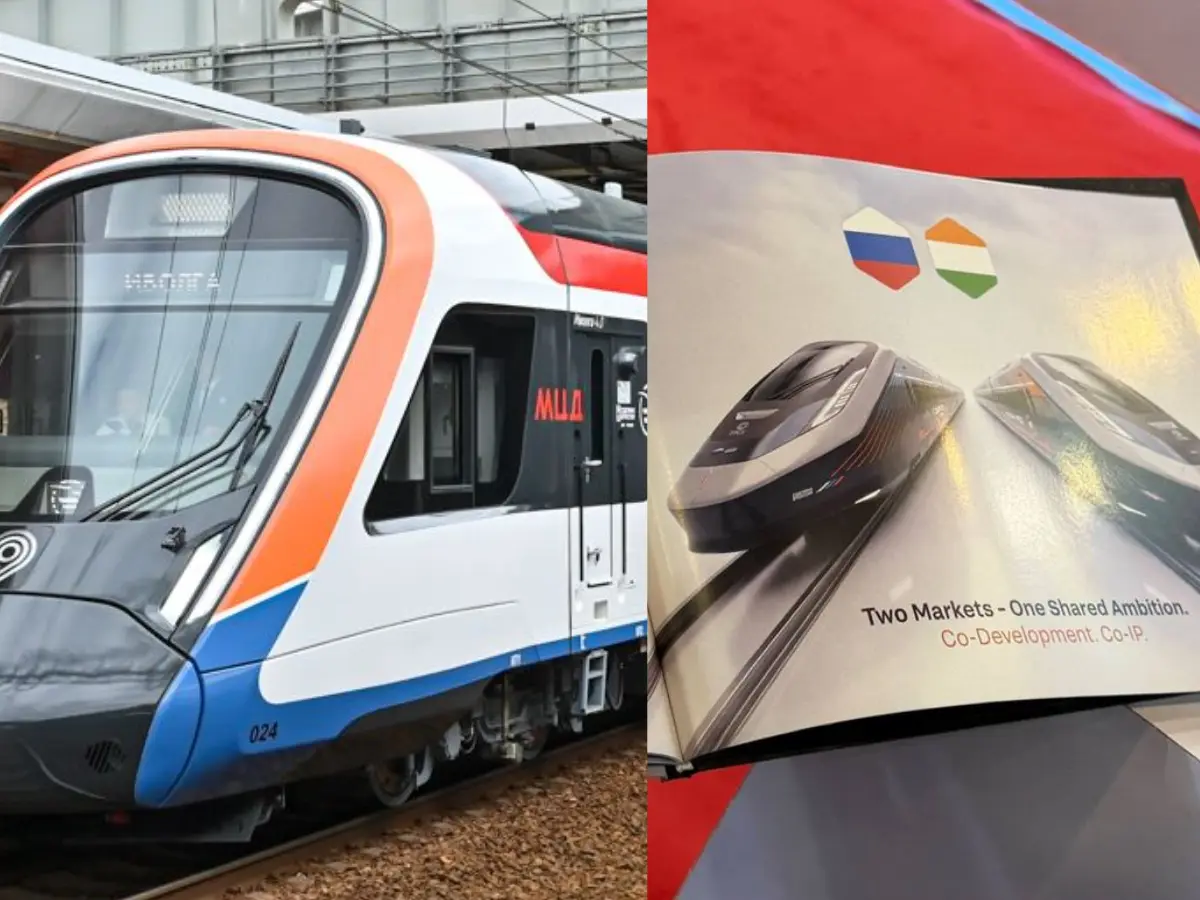)
Russia proposes to build 360 kmph Ivolga FG trains in India: What happened on sidelines of BRICS
)
China discovers vast gold and silver 'mine' in the Pacific with unheard-of deposits
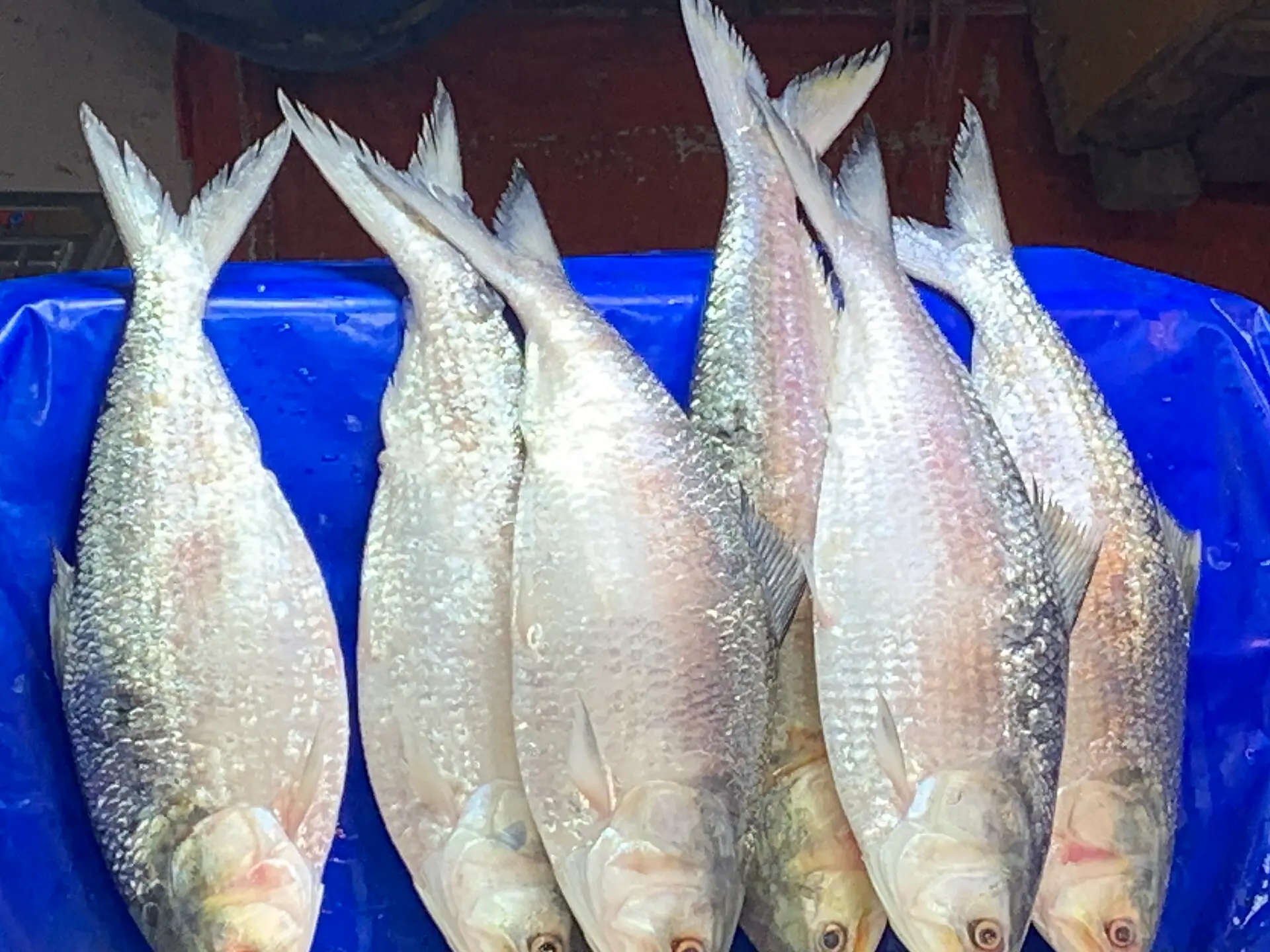)
Indian importers urge Bangladesh to lift export ban on 'Hilsa' fish ahead of Durga Puja
)
Liam Neeson sparks romance rumours after holding hands with Stella Stocker at TIFF 2026
)
Sent home midway from UK tour, Pakistan's Salman Agha hits 300* in domestic return
)
Scotland, Wales & Northern Ireland push for exit from UK | Race To Power
)
US court blocks Trump administration move ending automatic H-4 EAD extensions for seven spouses
)
800 million years old - Scientists discover 'fingerprints' of supercontinent Gondwana in ancient rocks
)
Emmy Awards 2026: Widow's Bay and The Pitt win in lead categories- check out the complete list of winners
)
Baba Vanga's first prophecy for 2027 is out, and straight out of science fiction
)
Iran, India agree to deepen humanitarian and political ties, President Pezeshkian says
)
Delhi govt to roll out ₹13,820 crore development projects under Seva Sankalp Abhiyan: CM Rekha Gupta
&im=FitAndFill=(700,400))
Why Chinese PL-15 air-to-air missiles use dual-pulse motors compared to European interceptors
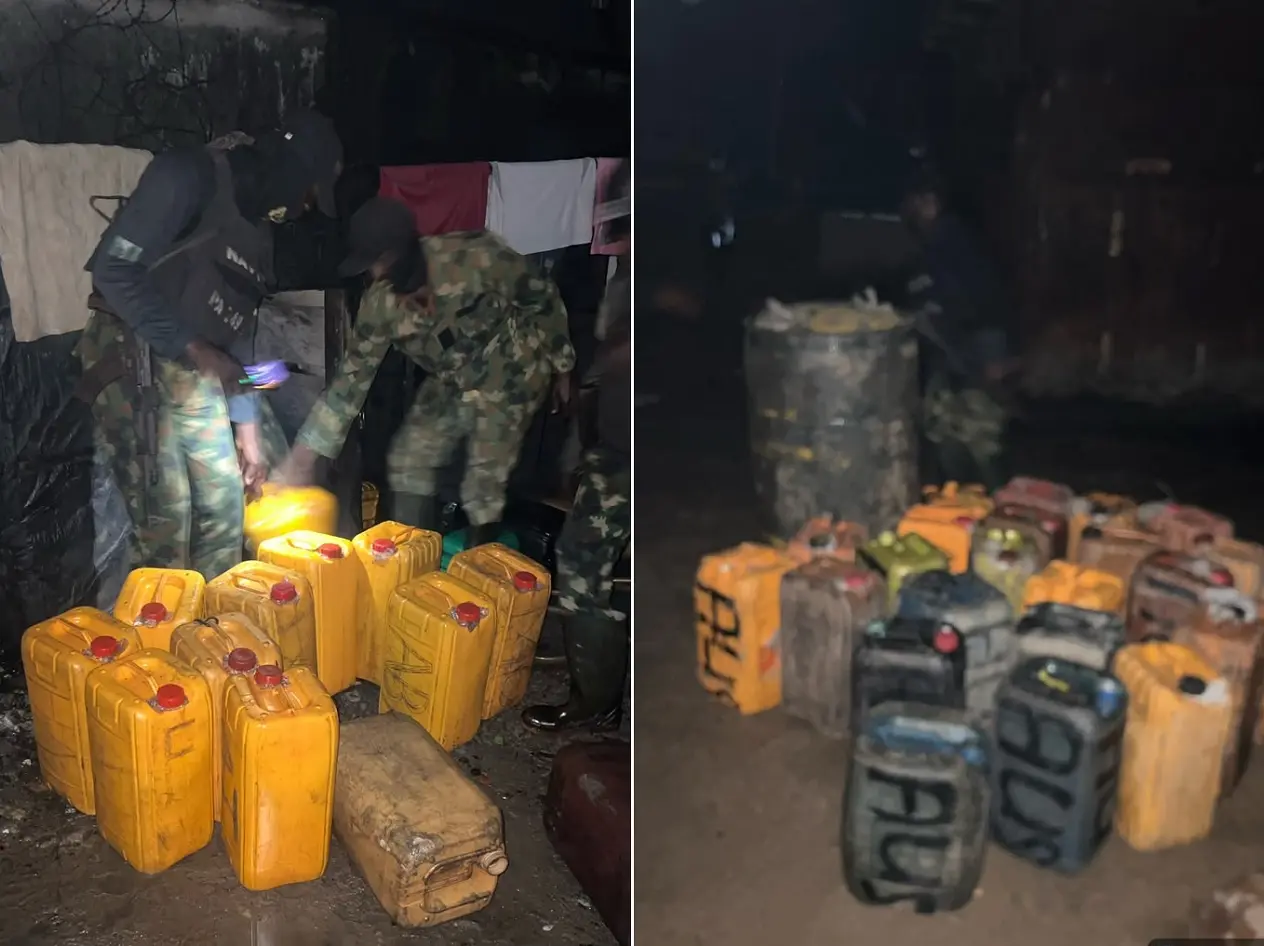)
Nigerian Navy seizes 10,000 litres of suspected illegal fuel in Rivers State crackdown
)
Ecstasy tablets are rage in 'drug haven' Libya | Gravitas
)
Meghan Markle shares first glimpse of family life with Prince Harry and children in UK
)
‘Want to reset ties with India, have engagement based on mutual interests,’ says Bangladesh minister
)
UK man admits drugging, raping wife for 20 years in shocking abuse case
)
Photographs, LeT labels vanish from two 2008 Mumbai attack entries in Pakistan’s most wanted list
)
Plane carrying prominent figure crashes at Libya’s Misrata airport: Report
)
Turkish Airlines plane flies through a storm three times, triggering severe turbulence
)
Saudi Arabia discovers 110 million tonnes of Uranium-rich ore in Madinah region
)
Did India risk its US trade deal despite softer stance at BRICS?
)
Video of Pakistani lawmaker struggling to read English tribute to Jinnah goes viral - WATCH
)
Trump downplays China's alleged 'help' to Iran in strike on Jordan base | Gravitas
&im=FitAndFill=(700,400))
Emmys 2026 Red Carpet: Zendaya, Nicole Kidman and Julia Garner lead the glamour peak
)
Extreme warming in Indian Ocean added 695 billion tons of ice to Antarctica ice sheet
&im=FitAndFill=(700,400))
Why European Meteor missiles use ramjet engines compared to standard US solid rockets
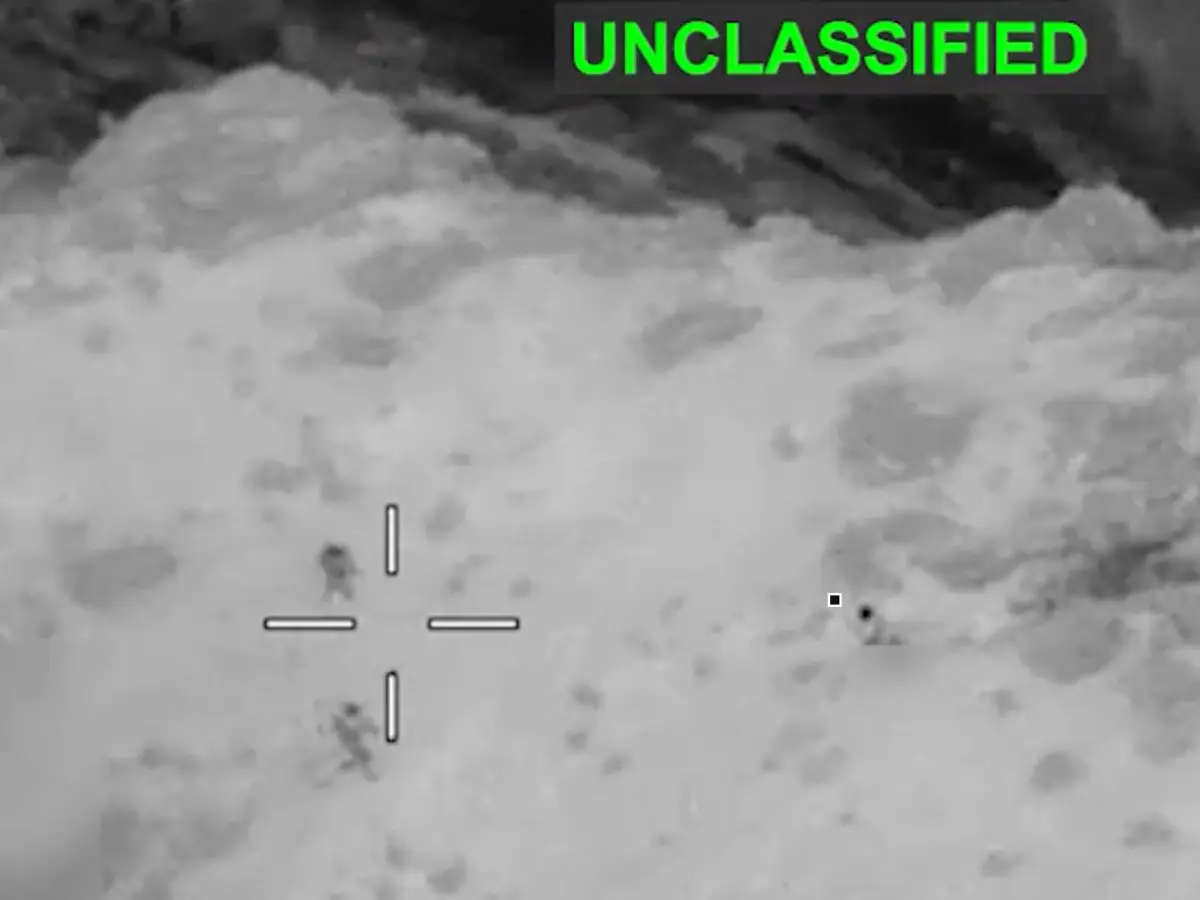)
‘Let’s go’: Newly declassified videos show dramatic rescue of US Air Force officers downed in Iran
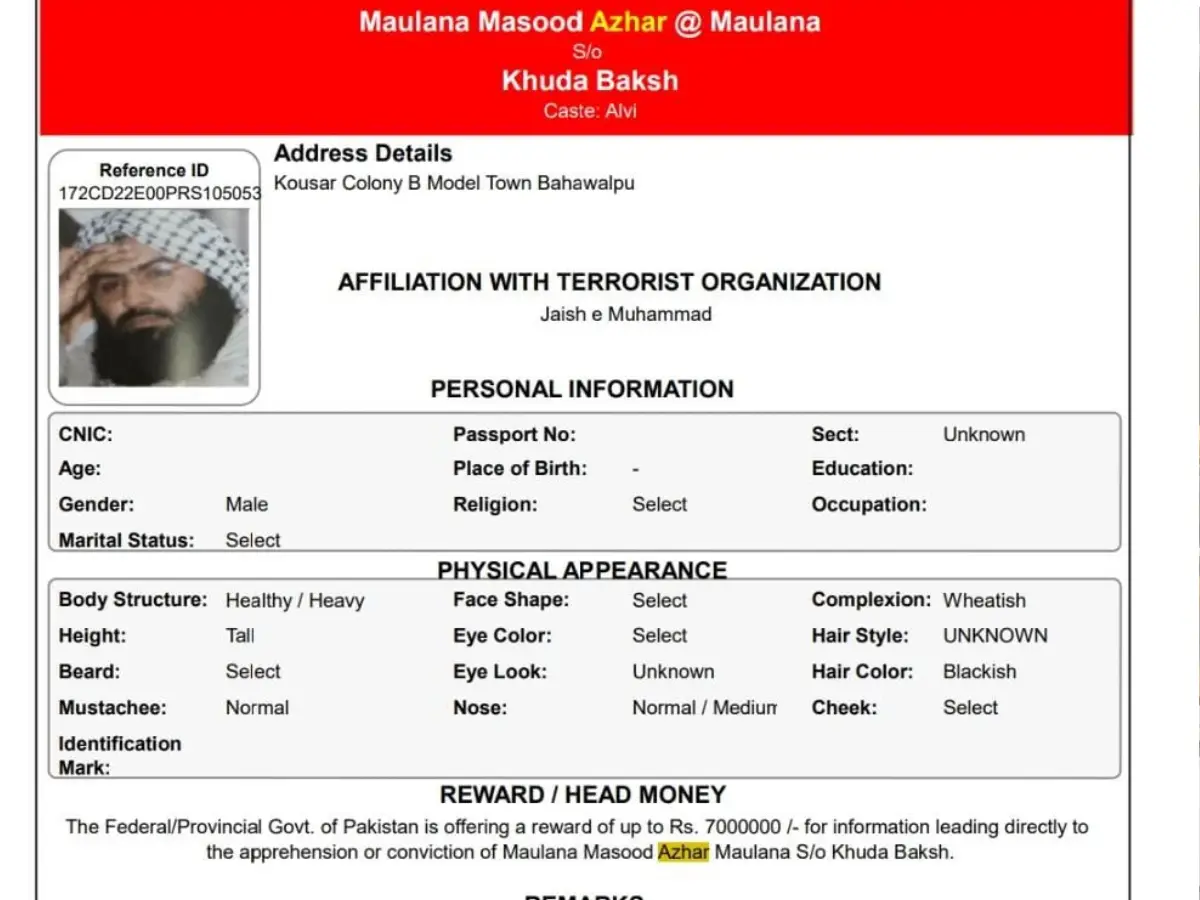)
Pakistan puts Pak Rs 70 lakh bounty on UN terrorist Masood Azhar; move draws skepticism in Delhi
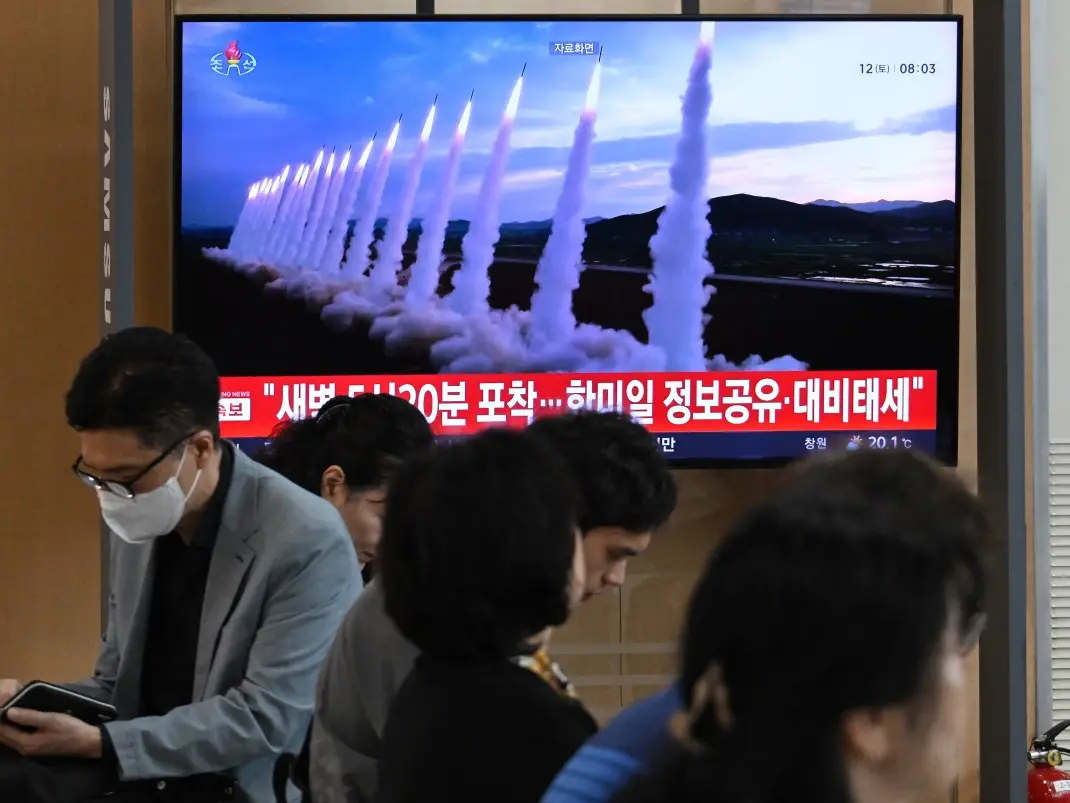)
'Huge destructive power': North Korea calls its latest missile launches 'live-fire drill' even as US dismisses 'immediate threat'
&im=FitAndFill=(700,400))
New OTT releases this week (September 14-20, 2026): Lust Stories 3, Waiting Hai, Irumudi- 5 new titles coming on Netflix, Prime Video and more
)
'Now Trump is copying us': Shivakumar links US $5,000 plan to Congress guarantees
Defence, energy, and the China factor — The real agenda behind closed doors
The India–Russia relationship is often described as “historic,” but the real glue today is pragmatic, not sentimental.
Defence: A partnership both rely on, even reluctantly. Despite diversification, the backbone of India’s military still rests on Russian equipment, from fighters and tanks to submarines and missile systems. The Ukraine war highlighted Russia’s own challenges with supply chains and production capacity, raising new questions about long-term reliability. Yet for India, switching away entirely is neither strategically wise nor financially feasible.
This visit will likely reaffirm: S-400 delivery timelines, joint development projects, long-term maintenance and spare-parts commitments and possible next-generation naval and aerospace collaborations.
India does not want dependence; Russia cannot afford abandonment. Both sides know the relationship isn’t perfect, but neither can walk away from it.
Energy: The quiet revolution powering the partnership
If defence built the old relationship, energy is shaping the new one. Since 2022, India’s purchase of discounted Russian crude has not only softened global energy inflation but strengthened India’s economic resilience. For Russia, India has become an indispensable customer, a lifeline that keeps Moscow’s war economy afloat amid sanctions. Expect the summit to push: Multi-year oil supply commitments, new LNG and gas frameworks, rupee-rouble trade mechanisms, eastern arctic and far-east energy investments. This is not transactional anymore, it is structural.
China: The silent presence at every India–Russia talk
Russia today leans heavily on China. India’s biggest strategic threat is China. This contradiction sits at the centre of India–Russia ties. But here lies the paradoxical logic: The more Russia tilts toward China, the more India needs to keep Moscow close. If Russia becomes fully dependent on Beijing, India loses a balancing lever in Eurasia. Putin’s visit is therefore as much about India–Russia relations as it is about preventing a Moscow–Beijing duopoly.
Modi–Putin: A personal equation that simplifies a complex relationship
Diplomacy is often framed as systems, strategies and institutions. But at the highest level, personal chemistry matters, sometimes more than written agreements. The Modi–Putin dynamic has been unusually resilient. Both leaders value directness, dislike moralistic diplomacy, and prefer transactional clarity. More importantly, both have political longevity and governance continuity — a rarity in global politics today.
This personal comfort zone has allowed the two countries to weather difficult phases: India refusing to condemn Russia at the UN, Moscow’s deepening embrace of China, New Delhi’s growing closeness with Washington, Western pressure on India for buying Russian oil and Russian delays in defence deliveries due to the Ukraine war.
A weaker relationship at the leadership level might have collapsed under this strain. Instead, it has adapted. Putin calling Modi a “dear friend” is not just diplomatic flattery. It is a recognition that India is one of the few major powers with whom Russia can engage without ideological baggage or conditionalities. This rapport gives India something priceless: leverage. And leverage gives India what every rising power needs: options.
This is not another summit
Putin’s India visit is not routine diplomacy. It is a turning point disguised as a familiar ritual. It reminds us that great-power politics today is not about flags, alliances or ideological blocs. It is about managed contradictions, overlapping partnerships, and the quiet assertion of national interest. For Russia, India offers relevance. For India, Russia offers leverage. For the world, this visit is another sign that multipolarity is no longer a concept, it is already here.
Whether this summit becomes a foundation for a renewed partnership or merely a moment of geopolitical theatre will depend on what Modi and Putin choose to shape behind closed doors. But one thing is clear: This is not just another summit. This is a statement, about India’s autonomy, Russia’s needs, and the new shape of the international order.
Disclaimer: The views of the writer do not represent the views of WION or ZMCL. Nor does WION or ZMCL endorse the views of the writer.

