India’s quest for strategic autonomy: Is it even a possibility?

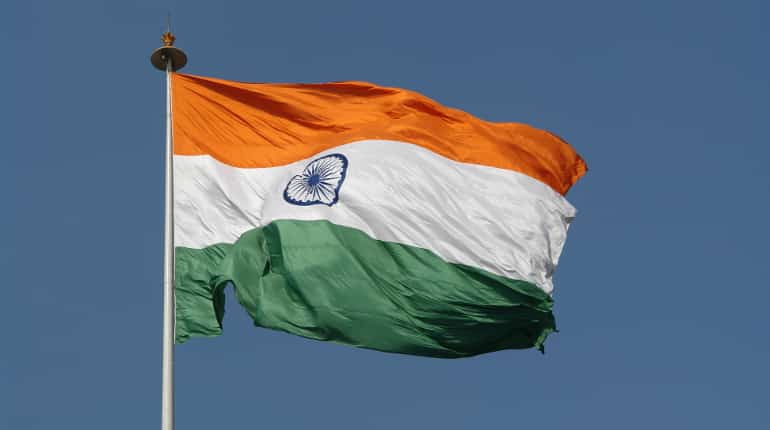
Indian flag
Since independence, Indian foreign policy has been broadly guided by a core idea of non-alignment. The key element of that policy revolved around leadership of and solidarity with Global South, the voice of developing world. As the idea of non-alignment became increasingly obsolete with the end of the cold war, the shift in India’s strategic posturing is more clearly visible, from non-alignment to self-alignment. While it could be argued that non-alignment was also a position of primacy of national interest, it was far less assertive, unsurprisingly constrained by corresponding economic and political clout. Today, at least, it is far more assertive, pragmatic, and visible.
Volatility and uncertainty in recent years, from pandemic to military conflicts, has frequently tested New Delhi’s ability to protect and progress her strategic interests. Pandemic-induced supply shocks have sufficiently conveyed the limits of reliance on Just-in-Time supply chains for critical raw materials. It has also reiterated strategic value of critical capabilities such as those in pharmaceuticals, including development and scale-manufacturing of vaccines. Since economic reforms in early 1990s, successive governments have diluted, and rightly so, initial doctrine of complete self-sufficiency for economic pragmatism of interconnected world. Recent events have highlighted the limits of this system and the lesson for policymakers is about ensuring capability in limited set of critical domains, even when commercially unviable or uncompetitive.
The other development is use of sanctions which is even more restrictive for nations prioritizing strategic autonomy in decision-making, often referred to as weaponization of finance. Use of sanctions are neither novel nor surprising, but recent events highlight the limits to which strategic autonomy can be curtailed.

As pointed out by several scholars, the dominance of US Dollar-dominated current financial order is still robust and far more resilient than many sceptics indicate. From Indian viewpoint, some of the alternatives floated around are even more worrisome, and thus the existing system is far preferable despite its eroding credibility. New Delhi’s position on sanctions imposed by individual countries is driven primarily by her own experience. With more than 3000 km of land borders (including unresolved border disputes) with both China and Pakistan, India’s security concerns are rooted in geographic and historical realities of the region, determining her position on nuclear deterrence. Experience of being subjected to sanctions following Pokhran test in 1998 limiting the capability to borrow from international financial institutions still influences her position on the issue.
While the strong alignment of Indian and US strategic interests in Indo-Pacific allows India far greater flexibility and autonomy, it isn’t without its limitations. Lack of permanent voice in UN Security Council (and thus the 'powerful' veto) is a reality and so are always looming threats of one or the other forms of primary and secondary sanctions, including the debate on sanction (or its waiver) under CAATSA around procurement of S400 air defence system. Although current alignment of Indian interests with those dominating the system provides conducive environment, acknowledging transient nature of this alignment is inevitable. And thus, reduction and diversification of dependence is a necessity, not a choice.
In existing order, alternatives for diversification are far fewer than one would desire. This demands creativity in approach. For example, key item in Indian import basket is energy where the scope for immediate diversification is limited. A feasible strategy could be gradually expanding strategic reserves of crude oil and coal, as it could partially serve the purpose that foreign exchange reserves in times of crisis and uncertainty would serve. Similar strategic reserves for critical metals, minerals, and materials essential for many other sectors also aids to this purpose, in times of crisis and extremely high volatility.
&imwidth=180&imheight=135&format=webp&quality=medium)
100,000 strikes in 3 years: How October 7 redefined Israel's war
&im=FitAndFill=(700,400)&imwidth=180&imheight=135&format=webp&quality=medium)
Happy Birthday Rekha: Watch these 7 evergreen Bollywood hits on Netflix, Prime Video and more
&imwidth=180&imheight=135&format=webp&quality=medium)
‘Your people don’t even let us near it’: IAF chief’s blunt response on US F-35; India yet to decide on Russia’s Su-57
&imwidth=180&imheight=135&format=webp&quality=medium)
Real or fake? PIB fact-checks protest videos; Delhi Police clarifies on Gurdwara Bangla Sahib clip
&imwidth=180&imheight=135&format=webp&quality=medium)
UK navy hit by espionage scandal: Sailor accused of spying for Russia | Gravitas
&imwidth=180&imheight=135&format=webp&quality=medium)
Delhi on high alert for CJP protest: Delhi police to use body cams to 'prove whether we did anything’; Pink Force, RAF, 35,000 personnel deployed
&imwidth=180&imheight=135&format=webp&quality=medium)
‘Never-ending flow of cheap labour’: JD Vance hits back at Indian-origin Congresswoman over US green card curbs for major tech companies
&imwidth=180&imheight=135&format=webp&quality=medium)
Panama president declares ‘major disaster’ after powerful 7.7-magnitude earthquake; over 80 aftershocks recorded
&imwidth=180&imheight=135&format=webp&quality=medium)
'Jantar Mantar not the story of India': BJP's Sambit Patra claims 'anarchists' tried to hold Delhi captive
&imwidth=180&imheight=135&format=webp&quality=medium)
BJP MP Ravi Shankar Prasad slams CJP protests, calls it 'shadow boxing for AAP'
&imwidth=180&imheight=135&format=webp&quality=medium)
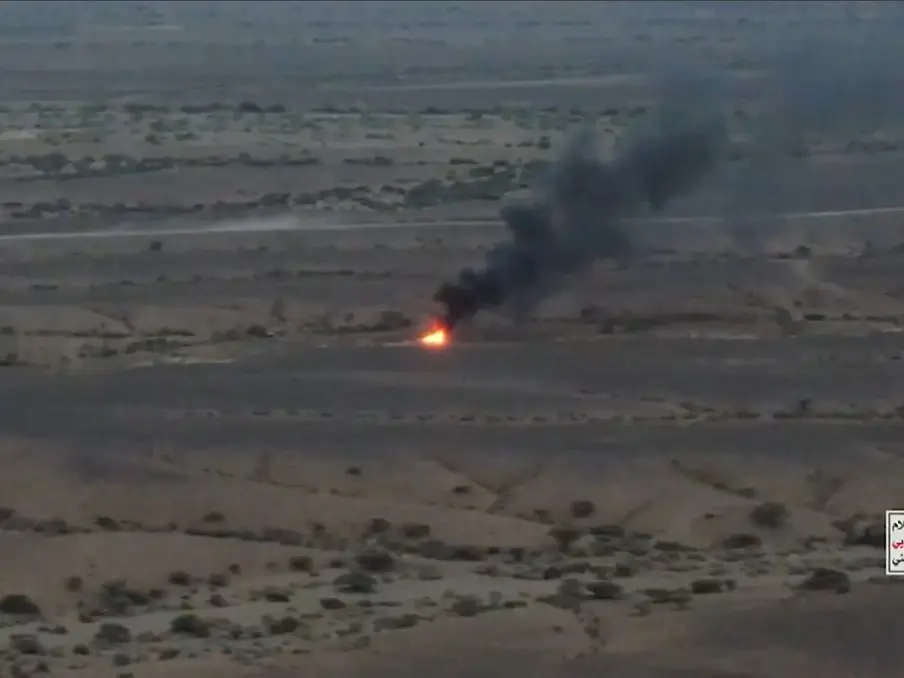
Riyadh airport hit in missile attack, dozens injured; 5 in intensive care
&imwidth=180&imheight=135&format=webp&quality=medium)
'Spent Rs 2,000 cr to elect Trump': Elon Musk bought US President's loyalty by writing the biggest political cheque in human history
&imwidth=180&imheight=135&format=webp&quality=medium)
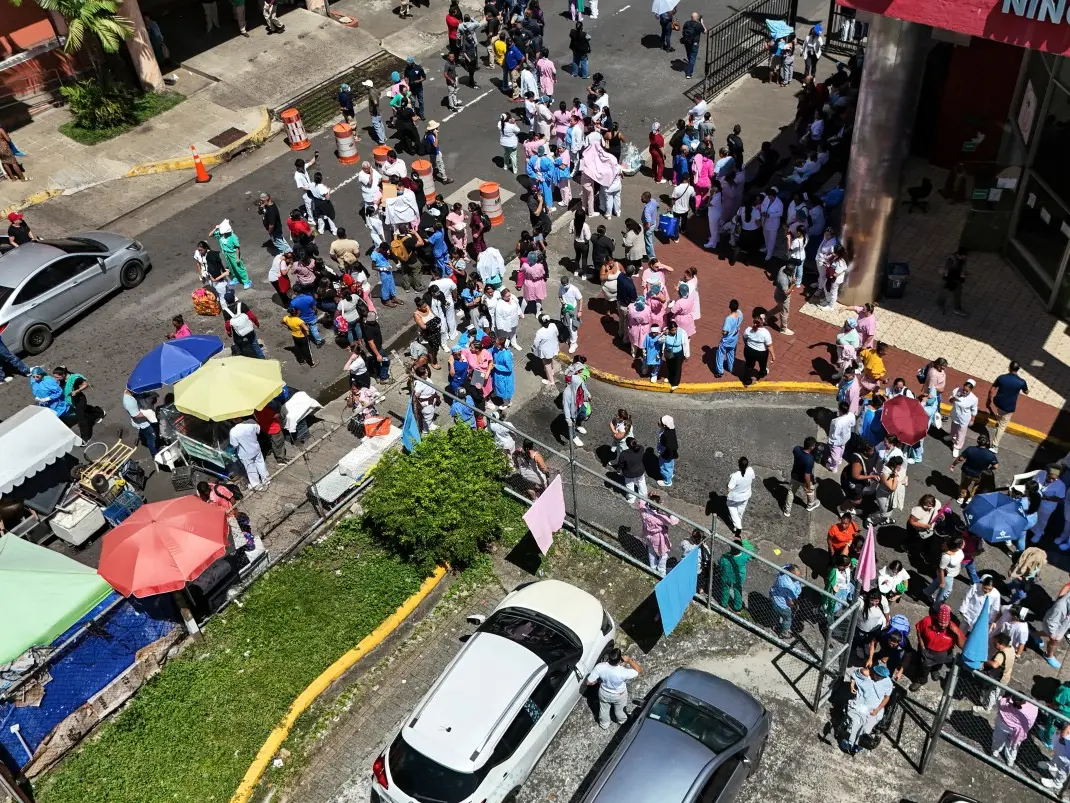
Powerful 7.7 magnitude earthquake strikes Panama, tsunami warning issued
&imwidth=180&imheight=135&format=webp&quality=medium)
US mid-term elections: What are PACs - Unique American System that lets corporates shape voting
&imwidth=180&imheight=135&format=webp&quality=medium)
Elon musk & India clash over Starlink's market entry terms
&imwidth=180&imheight=135&format=webp&quality=medium)
INDIA bloc plans mega protest on Monday amid Delhi crackdown, Wangchuk's warns to launch 'padyatra'
&imwidth=180&imheight=135&format=webp&quality=medium)
Who is Ajinkya Shinde, announced to lead CJP protest after Dipke, Das and Ranka's detention?
&imwidth=180&imheight=135&format=webp&quality=medium)
'Ouch!!! That must hurt': Kangana Ranaut hails Kamal Haasan's sharp reply to Elon Musk over Starlink row
&imwidth=180&imheight=135&format=webp&quality=medium)
‘Right to protest must be protected, but...’: Delhi Police reveals why it denied CJP permission for October 10 Jantar Mantar protest
&imwidth=180&imheight=135&format=webp&quality=medium)
Hamas used double agents, deceived Israel to carry out October 7 massacre
&imwidth=180&imheight=135&format=webp&quality=medium)
NIA files FIR in Flydubai hijack attempt and attack on Smit Machchhar, probes ‘larger conspiracy’
&imwidth=180&imheight=135&format=webp&quality=medium)
Portugal Federation confirms Cristiano Ronaldo’s return to national team despite suspension
&imwidth=180&imheight=135&format=webp&quality=medium)
All 22 Indian seafarers safe in attack on Panama-flagged tanker off UAE coast
&imwidth=180&imheight=135&format=webp&quality=medium)
‘Time for Ukraine to get a new president’: Trump lashes out at Zelensky over Russia strikes
&im=FitAndFill=(700,400)&imwidth=180&imheight=135&format=webp&quality=medium)
Food shortages, suicide attempts and more: USS Abraham Lincoln returns to US after 321 day deployment — What happened aboard the US carrier?
&imwidth=180&imheight=135&format=webp&quality=medium)
Thai queen becomes first reigning monarch to fly jet solothailand #queen #wion
&imwidth=180&imheight=135&format=webp&quality=medium)
‘Every game against Liverpool is special’: Erling Haaland ahead of Anfield clash
&imwidth=180&imheight=135&format=webp&quality=medium)
Rahul Gandhi calls Modi, Shah ‘cowards’ amid CJP protest crackdown in Delhi
&imwidth=180&imheight=135&format=webp&quality=medium)
Four years, 3 licenses, zero launch: Why is Elon Musk’s Starlink still struggling to crack Indian market? EXPLAINED
&imwidth=180&imheight=135&format=webp&quality=medium)
AUS vs SA 1st Test, Day 2: Renshaw shines with 190 as Australia dominate South Africa
&imwidth=180&imheight=135&format=webp&quality=medium)
Why was CJP founder Abhijeet Dipke detained? What Delhi Police said
&imwidth=180&imheight=135&format=webp&quality=medium)
Putin conveys Iran’s proposal to Trump, offers to take Tehran’s enriched uranium
&imwidth=180&imheight=135&format=webp&quality=medium)
'It’s been 12 hours': CJP writes to Delhi Police, demands release of Dipke, Saurav Das and Ranka
In line with the current trajectory of high economic growth, India is predicted to be the largest contributor to the energy demand growth within next two decades. It has been widely accepted that India’s long-term energy security depends on rapid and efficient deployment of renewables, particularly solar, given the favourable geography and tropical climate.
But realizing this theoretical potential is contingent on ability to source and manufacture solar photovoltaics. Expanding domestic manufacturing in this domain needs to be part of strategic priority and matter of national interest. This realization is visible, albeit less assertively, in initiatives and leadership attempts in the domain, International Solar Alliance (ISA), being an example.
At first glance, some of these ideas or aspirations seem lofty or simply over-ambitious, but there is a history to look back: from severe food-grain crisis in early 1960s to self-sufficiency in food grains within decades, from being milk-deficient nation in early 1970s to the largest producer and net exporter of milk products by late 1990s. Even in situations such as lack of natural resources, developing critical capabilities can be very useful. For example, despite being one of the largest crude oil importers, today India is net exporter of refined petroleum products through extensive focus on developing and upgrading petroleum refining capabilities. New Delhi needs to act before it’s too late.
(Disclaimer: The views of the writer do not represent the views of WION or ZMCL. Nor does WION or ZMCL endorse the views of the writer)