International Yoga Day: The science behind Pranayama and how it improves overall health

&imwidth=600&imheight=450&format=webp&quality=medium "International Yoga Day: The science behind Pranayama and how it improves overall health")
International Yoga Day: Benefits of Pranayama and science behind it
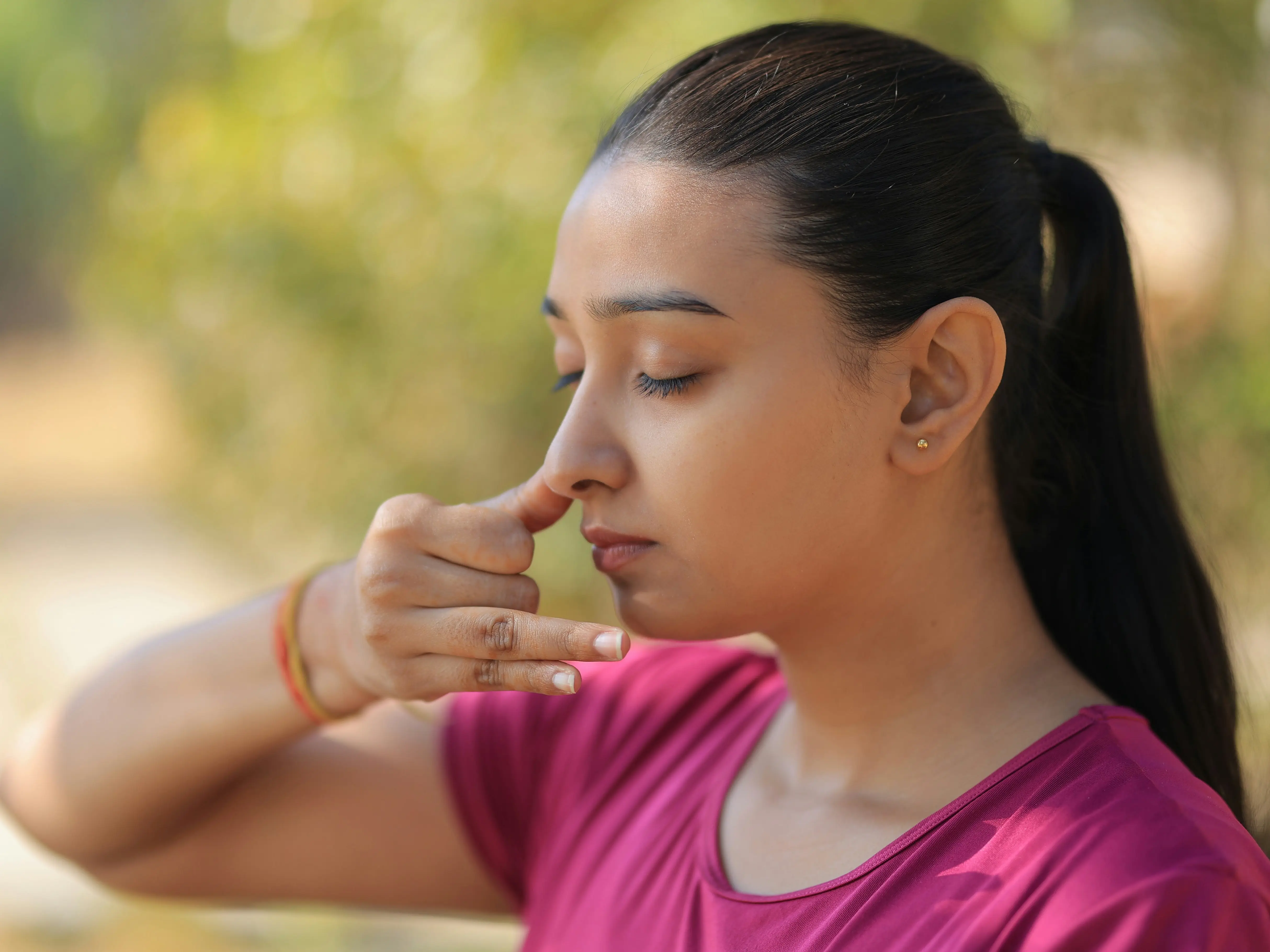
International Yoga Day: Pranayama is one of the crucial pillars of yoga. It not only helps improve our mental health and remove stress, but also benefits our heart, digestion and nervous system. There is specific science behind Prayanama.
On the occasion of International Yoga Day (June 21), we at WION encourage you to not only focus on your physical health, but also your mental health. Along with asana or postures, pranayama, or breath work, also forms a crucial aspect of this journey. Coupled with meditation, they can improve your overall well-being. We will focus on pranayama today, the practice of controlling your breath, the science behind it and the immense health benefits.
Mugdha Pradhan, functional medicine and breathwork practitioner, says, “From a physiological perspective, breath is far more than a way to bring oxygen into the body. Every cell depends on oxygen to produce ATP, the energy currency of life. Without breath, there will be no energy production, and without energy, the body wouldn’t sustain life, repair tissues, or even perform its countless functions.”
Prayanama for mental relaxation and nervous system
Breath is the beginning and end of it all, and is the only thing that truly keeps anyone alive. Ancient traditions referred to it as prana, or the life force. In fact, life begins with a baby's first breath and ends with the last. Long before science understood its mechanisms, breath was recognised as one of the most fundamental drivers of human health.
When we think of breathing exercises, we instantly link it mental relaxation. But breathwork can reset both your nervous system and emotional state. "The body stores the imprint of our experiences, including stress and trauma. Through conscious breathing, people often access and release deeply held emotional patterns that may not be easily reached through thought alone," says Mugdha.
Prayanama balances the imbalances of life
Trending Stories
)
)
)
)
)
)
)
&im=FitAndFill=(700,400))
)
)
)
)
)
)
)
)
)
)
)
)
)
)
)
)
)
)
)
)
)
)
)
&im=FitAndFill=(700,400))
)
&im=FitAndFill=(700,400))
)
)
)
)
)
)
)
Dr Mickey Mehta, a global leading holistic health guru, says that the everyday rigours of life throw our life into an imbalance, which in turn affects our breathing as well. "Ancient wisdom and modern research show that breathwork, particularly pranayama, helps restore this balance by regulating the breath and influencing key physiological systems," he says.
When we are stressed, people ask us to practice deep breathing. This is because when this happens, our breathing becomes shallow, which locks the body in fight-or-flight mode. "Slow, deliberate breathing activates the parasympathetic nervous system, eventually shifting the body toward recovery, healing, and resilience," says Mugdha.
So conscious breathing goes far beyond just mental relaxation. There are several other health benefits of pranayama.
1. Heart health: Pranayama can help control your heart rate, reduce blood pressure and improve cardiovascular function. This is because it stimulates the parasympathetic nervous system, says Dr Mickey.
2. Better Oxygenation: Pranayama improves breathing efficiency by reducing over-breathing, Dr Mickey says. Breathwork further helps regulate carbon dioxide levels, permitting the oxygen to be delivered much more efficiently to tissues and supporting better mitochondrial function, adds Mugdha.
3. Vagus Nerve Activation: Deep breathing drastically improves diaphragm function, which helps release tension stored in muscles, fascia, and connective tissues, Mugdha says. Dr Mickey adds, "Deep diaphragmatic breathing activates the vagus nerve, which influences heart rate, digestion, and the gut-brain connection. This improves and supports digestive health, cognitive function, and emotional balance."
4. Improved Digestion: Pranayama enhances blood flow to digestive organs and gently stimulates the abdominal region, thus helping reduce bloating, discomfort, and digestive irregularities.
5. Stress Reduction: This is the primary reason why many of us practice pranayama. Focused breathing calms the nervous system, improves oxygen supply to the brain, and helps shift the body from a stress response to a state of relaxation.
6. Blood Sugar Regulation: When stress levels are in control, insulin sensitivity is improved, and this may support healthier glucose utilisation and glycogen storage.
7. Immunity and Vitality: When oxygenation is better and blood circulation improves, nutrients and immune cells reach throughout the body better, supporting energy levels and overall wellness.

