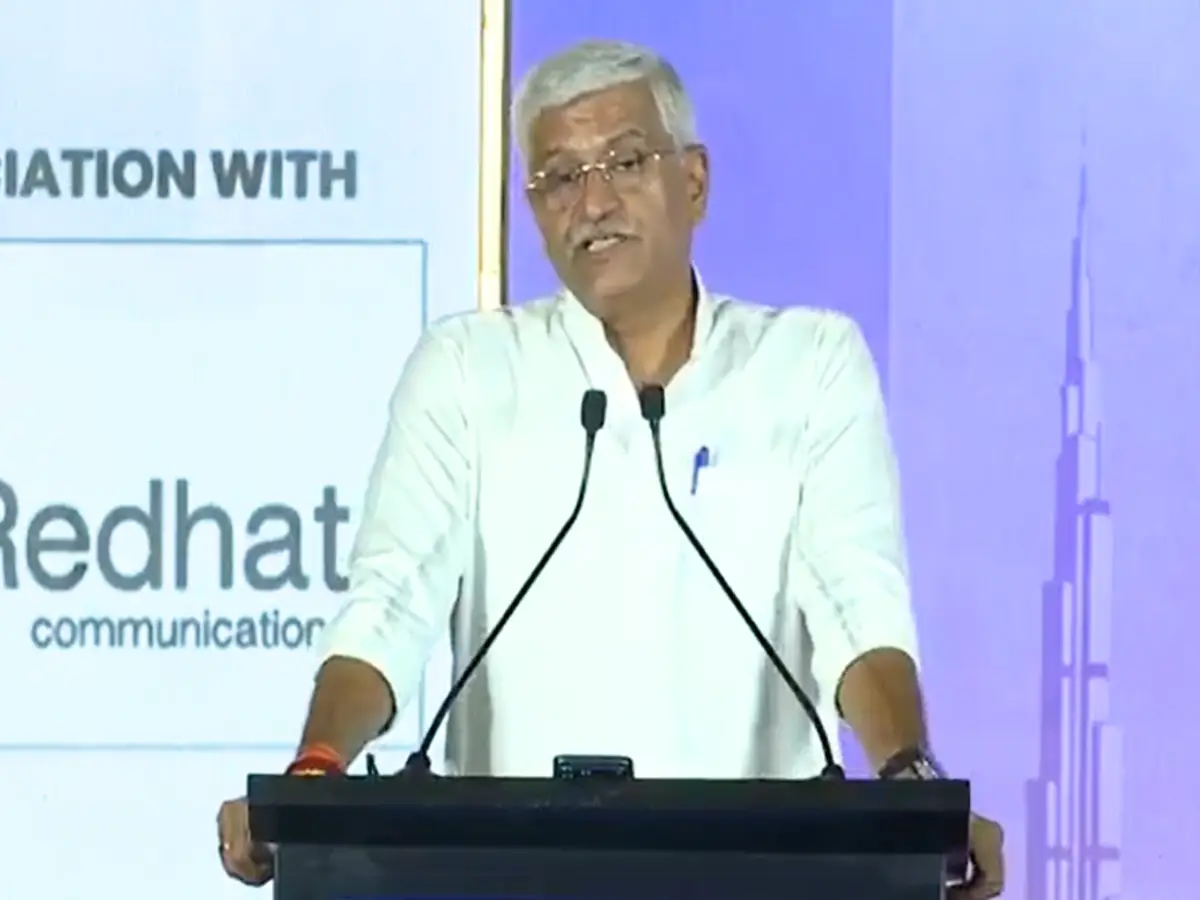
WION Iconic Tourism Summit & Awards 2026: How safe is India for solo women travellers? Shekhawat pushes back against ‘misconceptions’

&imwidth=600&imheight=450&format=webp&quality=medium "WION Iconic Tourism Summit & Awards 2026: How safe is India for solo women travellers? Shekhawat pushes back against ‘misconceptions’")
India vs Italy, US: Shekhawat challenges how tourist safety is discussed Photograph: (WION Web Desk)
Union Tourism Minister Gajendra Singh Shekhawat has addressed one of the most debated questions around India’s tourism image: how safe is the country for solo women travellers? Here's what he said at WION's Iconic Tourism Summit and Awards 2026.
Union Tourism Minister Gajendra Singh Shekhawat said that a lot of misconceptions were being spread about travel in India, especially when it comes to solo women travellers. Comparing travel in India with travel to European nations like Italy, the India tourism minister acknowledged that “even one incident of misbehaviour with a woman traveller is like a smear on our face (a matter of disgrace)” but said that across the nation, steps are being taken to make travel a more pleasant experience for everyone, including foreigners and tourists. He insisted that isolated incidents should not be allowed to define the experience of millions of tourists visiting and travelling across the country.
How safe is India for solo women travellers? Gajendra Shekhawat answers
Speaking at the WION Iconic Tourism Summit & Awards 2026 in New Delhi on Wednesday (Sep 23), Shekhawat recalled a question put to him by a journalist at an earlier event: “India is not safe for solo women travellers. When will it become safe?”
The minister said that such a perception fails to account for the sheer scale of travel in India. Referring to the billions of domestic trips made across the country, he questioned how many complaints involving solo women travellers had been recorded in comparison with that volume.
‘Even one incident is a black mark’
Trending Stories
)
)
)
)
)
)
)
)
)
)
)
)
)
)
)
)
)
)
)
)
&im=FitAndFill=(700,400))
)
)
)
)
)
)
&im=FitAndFill=(700,400))
)
)
)
)
)
)
)
)
)
At the same time, Shekhawat acknowledged that any incident involving a woman traveller is serious and can affect India's image as a destination. “If out of our 4.3 billion trips, an incident happens with even a single traveller, and I say responsibly that a single incident is a black mark on our face, it should not happen,” he said.
Shekhawat said the government and states had been taking steps to make travel safer and more comfortable, including setting up tourist police and dedicated tourist police stations in several states. “We have worked on improving our infrastructure,” he said, adding that even a single incident remained unfortunate and that efforts must continue to prevent such cases.
Shekhawat questions media coverage
Shekhawat also criticised the way incidents involving tourists are sometimes covered, arguing that intense coverage of a single case can create a broader negative impression of the country. He said that when one such incident occurs, Indian media can focus on it continuously for days and questioned whether that ends up harming the tourism sector itself.
“But when a single incident happens, the entire media in India covers nothing else for 48 hours straight. Who are we harming? Ultimately, we are causing gross damage to our own country, working to permanently damage our own sector,” he said.
Comparing India with global destinations
Shekhawat compared travel advisories issued for destinations such as Italy, the US, England and Paris with the way safety concerns are discussed in India.
He cited advisories that warn travellers abroad about protecting passports and valuables or avoiding isolated areas after dark and questioned why such warnings do not automatically lead to those countries being broadly described as unsafe. "I asked her (the journalist), 'Have you ever been to Italy?'...When you go there, you receive travel advisories. Right in those advisories, it is written: keep your purse, your passport, your camera, and your mobile hidden inside; otherwise, someone will snatch them. What kind of advisories do we get in the US? That you should not walk down narrow paths after dark. What is the condition of England? What is the condition of Paris? No one talks about that."
The minister's argument was not that India has no safety concerns. Rather, he said the response should distinguish between individual incidents and the experience of the much larger number of people who travel across the country without reporting such problems.
He also invoked India's traditional tourism philosophy of “Atithi Devo Bhava”, saying visitor safety and hospitality remain central to how the country should approach tourism.

