&imwidth=800&imheight=600&format=webp&quality=medium "Swadeshi Movement: Why Modi's Make in India call amid Trump tariffs harks back to freedom struggle and is an idea close to his heart")
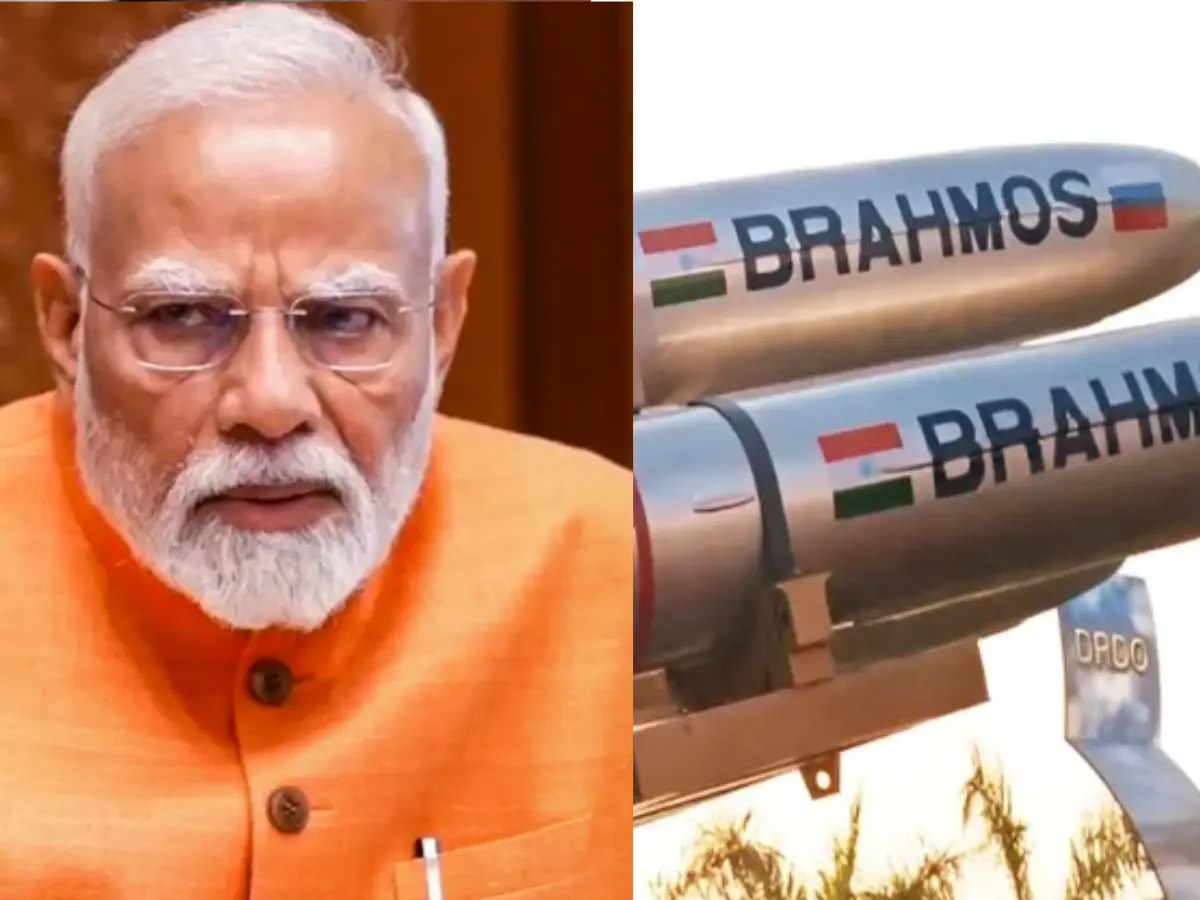
Amid the tariff war with US President Donald Trump, Prime Minister Narendra Modi has advocated a revival of the Swadeshi movement, a part of India's freedom struggle, stressing indigenous production of goods and cultural pride, which once shook the British Empire. In a speech over the weekend, Modi exhorted every party, leader and citizen to promote indigenous goods for India to become the world's third-largest economy. His words have created a buzz about the Indian Swadeshi movement. Here is its story:
What did Modi say about going Swadeshi?
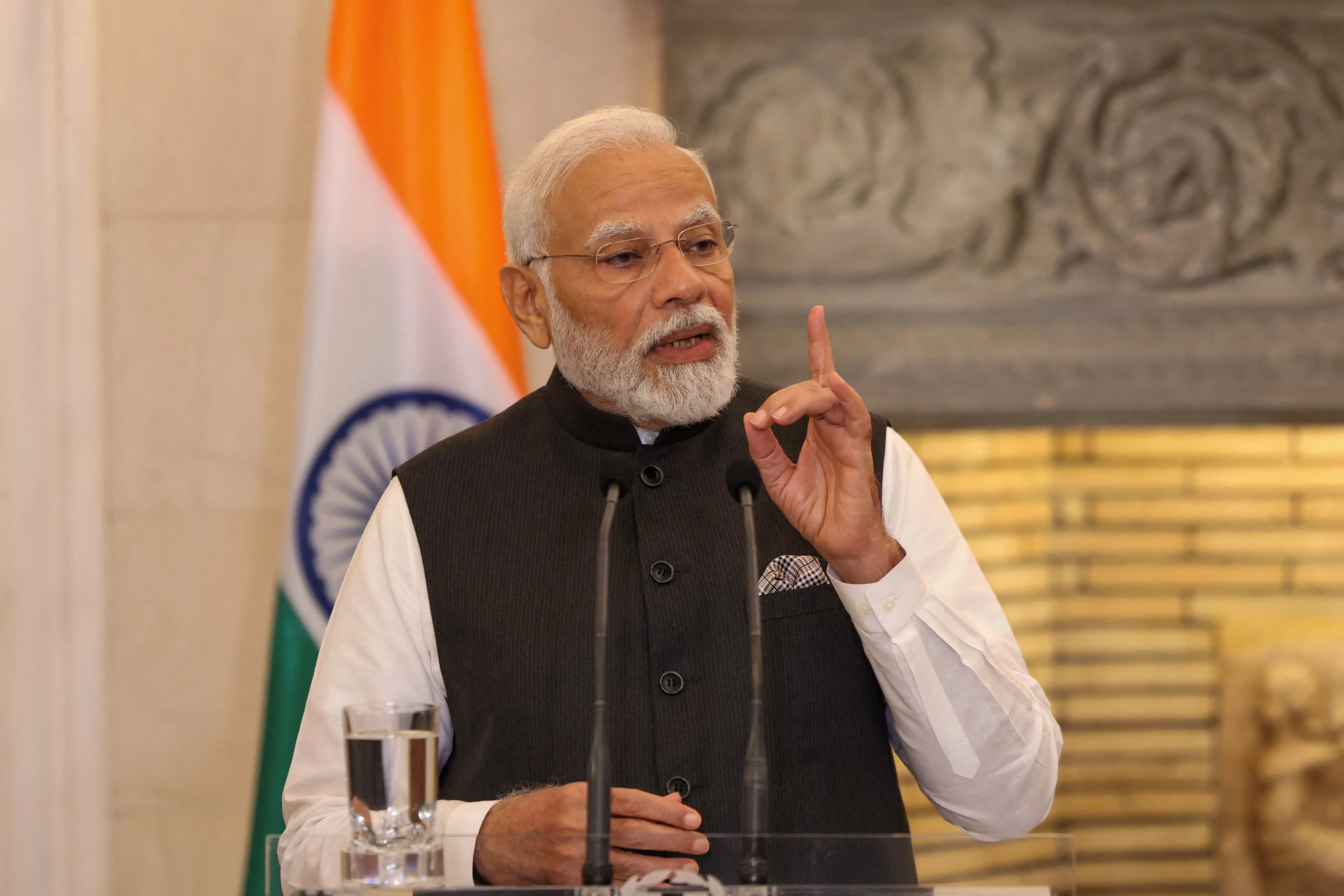
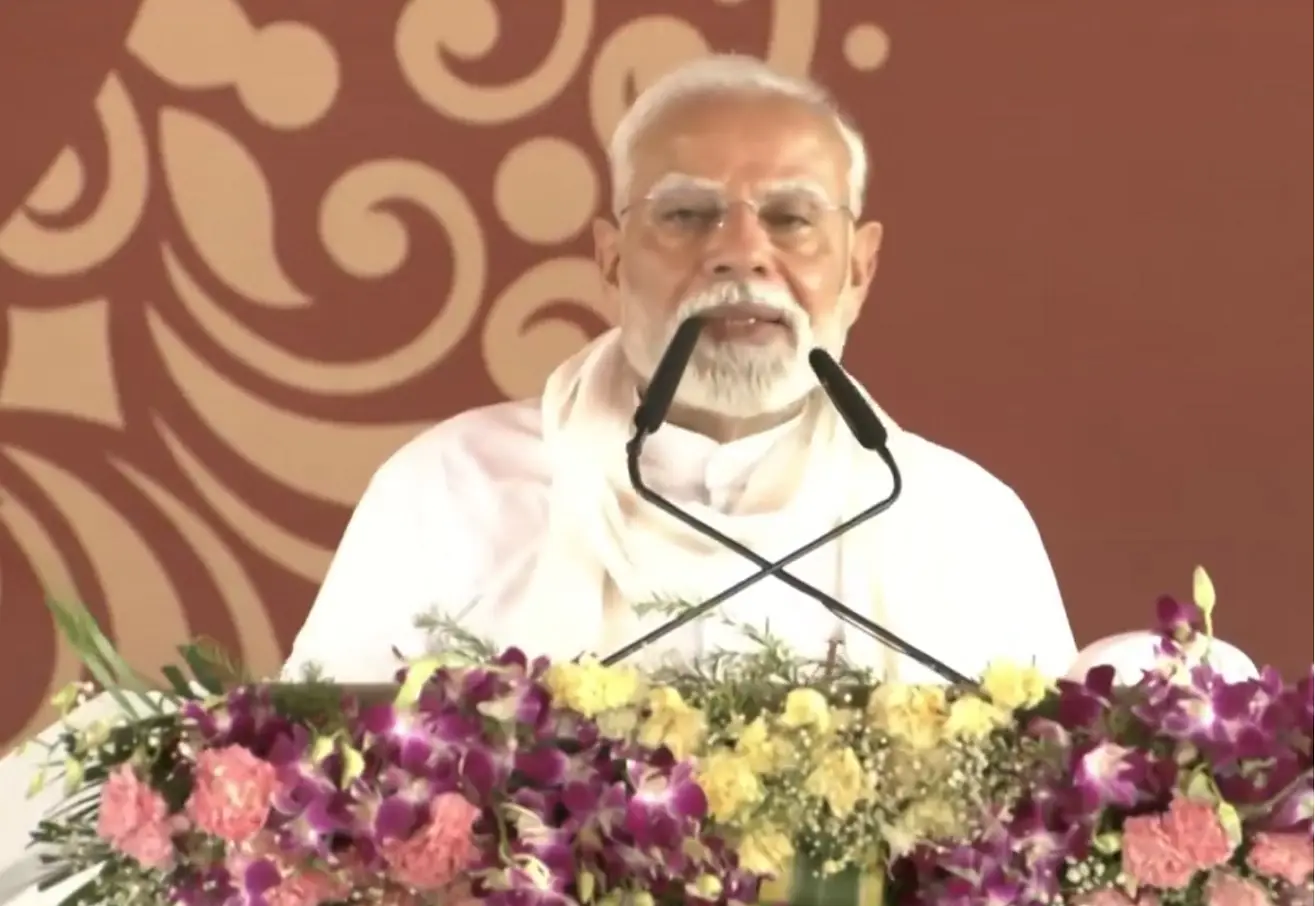
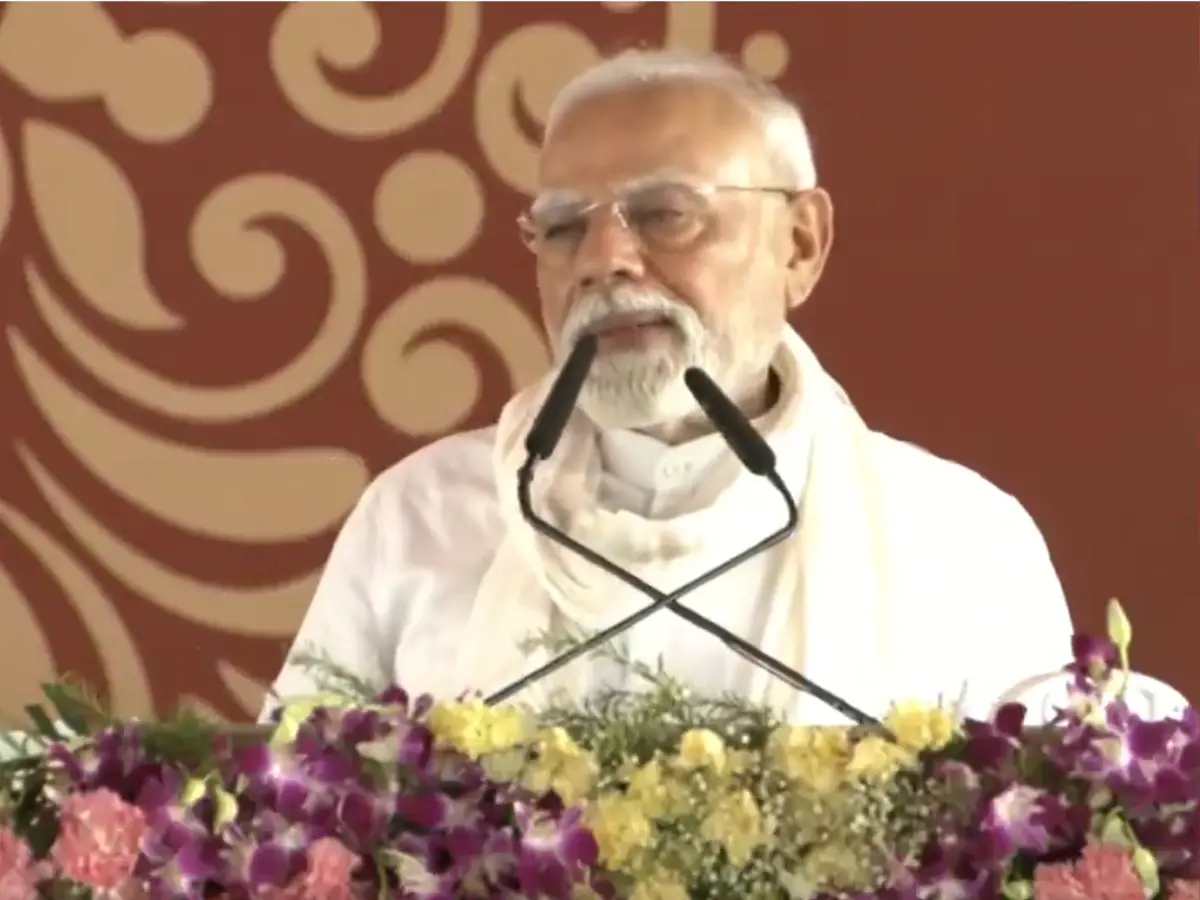
Speaking in the northern city of Varanasi on Saturday (Aug 2), Modi asked traders to vow to sell only 'Swadeshi goods' in shops and markets. He said that the promotion of Made-in-India goods will be a service to the nation.
"Whatever we buy, we should ask if an Indian worked to make it," he said. He said a product is 'Swadeshi' if it's made with the sweat and skills of Indians.
He asked Indians to adopt one of his favourite catchphrases, ‘Vocal for Local’. He said it would be a true tribute to Mahatma Gandhi, India's founding father.

The Swadeshi movement was about a self-reliant India
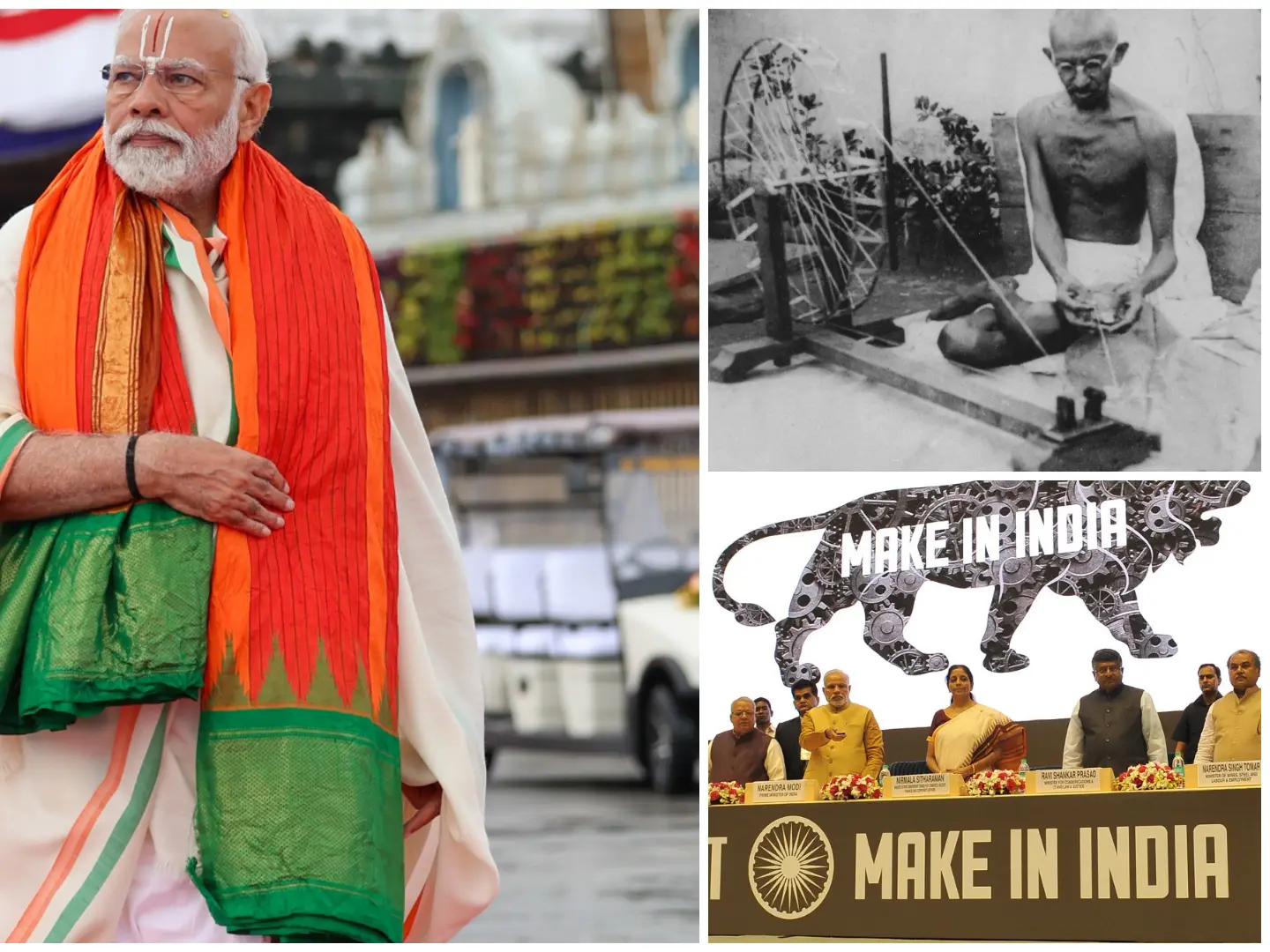
The Swadeshi movement closely aligns with some of Modi's major initiatives: Make in India, Vocal for Local and ‘Atmanirbhar Bharat’ or self-reliant India. During the 'Swadeshi Andolan', Indian anti-colonial leaders opposed the repurposing of goods and reselling of the same to Indian consumers by the British, particularly textiles. It made Indian freedom struggle a mass movement across the subcontinent. It became the seed for Independent India to make goods locally.
Origins and purpose of the Swadeshi Movement
Trending Stories
)
The Early Spring is proof not everyone can talk about their real feelings, and it is perfectly OK
)
UN votes to ‘correct the map’ as India backs fairer world view
)
Nigerian Navy discovers 99,000 litres of suspected stolen, illegally refined products as it intensifies anti-crude oil theft operations
)
Who is Aditi Paudel? 17-year-old becomes Japan's first literacy ambassador
)
Bengaluru: Officials find 40 kg expired chilli at chairman's club
)
Jaishankar rejects trade link to ending Ukraine war
)
Israeli strikes on Lebanon kill three, injure 23 despite truce
)
Alpine glacier was covered with sheep wool sheets to prevent melting. It worked
)
South Korea mulls deploying military assets to Strait of Hormuz
)
World's fifth-largest economy, British army can't afford to train
)
Breaking | Vance takes the podium: First White House briefing since Leavitt's exit
)
Taiwan raises 'concerns' over China's missile test
)
BRICS 2026: $1 trillion sovereign capital set to converge in Delhi for first iBRICS Summit
)
What is Iran's Pickaxe Mountain that Trump has again threatened to bomb?
)
UN votes to correct world map that visually shrank Africa for 450 years
)
Former NewJeans member Danielle launches YouTube channel, hints at new solo journey
)
Bangladesh batter Towhid Hridoy creates history with 350 not out in South Africa
)
Brendan Fraser’s transformation fuels The Mummy 4 excitement as fans welcome back Rick O’Connell
&im=FitAndFill=(700,400))
Krishna Janmashtami 2026: From Dhaniya Panjiri to Makhana Kheer- 5 best sweet dishes perfect for celebrating Lord Krishna’s birth
)
Donald Trump plans to travel to Ireland on Qatari-donated jet amid security concerns
)
Nazi-looted art to return to Jewish heirs
)
Eight killed in Kerala’s Thrissur after car rams into lorry parked on highway
&im=FitAndFill=(700,400))
Why Russian fighter jets use bulky, low-pressure tyres compared to US jets
)
FBI-wanted fraud accused arrested in Jalandhar over $600,000 scam
&im=FitAndFill=(700,400))
Why US tanks weigh over 20 tons more than Russian tanks
&im=FitAndFill=(700,400))
New Friday OTT releases (September 4, 2026): GDN, Dhamaal 4, Jagamae Sangeetham- Watch 6 new movies and TV shows on Netflix, Prime Video and more
)
Killing the Himalayas slowly: Human urine is melting a glacier on Mount Everest
The Swadeshi Movement emerged in 1905 as a direct response to the British decision to partition Bengal, which the indian leaders saw as a strategy to weaken Indian nationalism by dividing the Bengali-speaking population along communal lines. The objective of the Swadeshi movement was to promote economic self-reliance by encouraging the use of Indian-made goods and boycotting British products. The movement combined economic resistance with cultural revival, stressing the unique identity and national pride of Indians.
The Bengal Partition, the catalyst for Swadeshi Movement
The British justified the partition by claiming that Bengal was too large to administer effectively. But Indian leaders saw a political agenda, with real intent being the suppression of the growing nationalist sentiment. The Bengali middle class, which had embraced English education and liberal ideas, became prominent in anti-British activism, provoking retaliation from the British imperial rulers. The Bengal partition had its predecessor in the 1874 separation of Assam from Bengal, to which the British had added Sylhet. This was among the several instances of the British policy of divide and rule.
How the Swadeshi movement unfolded
The main activity under the Swadeshi movement was a boycott of British textiles and other goods. Leaders emphasised swadeshi production, with the focus on reviving and promoting Indian industries like handlooms, khadi, soaps and matches. Under the Swadeshi movement, the leaders established indigenous schools, colleges, banks, and enterprises. Cultural assertion with nationalist themes was another area of action, including the promotion of local festivals and songs like Vande Mataram, as well as Indian literature, to unify people under a common Indian identity.
How Swadeshi movement got nationwide appeal
After emerging in Bengal, the Swadeshi movement expanded to various erstwhile British provinces like Bombay, Madras, and much of northern India. Leaders like Bal Gangadhar Tilak played key roles in spreading the movement across India through cultural events and political mobilisation. In Andhra, it was called the Vandemataram Movement.
Swadeshi movement saw participation from across Indian society
The Indian National Congress spearheaded the movement, with the moderates and radicals unifying in opposition to the Bengal Partition. The Swadeshi movement saw massive participation from all walks of life, including students, women, artisans, peasants, and the middle class. It became a rare instance of urban-rural unity in India's anti-colonial struggle.
How Swadeshi movement impacted Indian economy
The Swadeshi movement helped revive cottage industries and traditional handicrafts of India. Production of indigenous goods grew, helping reduce dependency on British imports. It laid the seeds for Indian entrepreneurship and helped develop the country's technical skills. At the social level, Swadeshi movement boosted Indian pride in local craftsmanship. It encouraged community-level participation and fostered a pan-Indian identity, helping spread nationalist ideas beyond elite circles to the broader population.
From Swadeshi to Swaraj
The Swadeshi movement was also a catalyst for the Swaraj or self-governance movement that followed. The Swadeshi movement laid the foundation for future nationalistic campaigns, and influenced Indian political activism in subsequent decades.
British response to Swadeshi movement
British imperialists resorted to arrests and censorship to suppress the movement, which lost its momentum by 1908. In spite of the national spirit, the British succeeded in sowing seeds of communal divisions, affecting the movement’s unity and strength, which was also hurt by rifts within the moderates and radicals among Indian freedom movement's leadership.
Swadeshi movement never really ended
Swadeshi movement was a turning point in India's freedom struggle, best known for the mass participation in the freedom struggle, which till then was limited to elite circles.
Even after Independence, the idea of Swadeshi remained in India's cultural and economic conscience. Mahatma Gandhi, India's founding father, instilled elements of Swadeshi in his subsequent movements, advocating khadi, civil disobedience and self-reliance.
Even in the 21st century, there have been attempts to revive Swadeshi, broadly a stress on economic nationalism, as a tool against colonial and imperial influences or globalisation.
It is this spirit of Swadeshi that Modi was appealing to in his weekend speech.