What Is Akash Prime missile? How is it different from the Akash-NG?

&imwidth=600&imheight=450&format=webp&quality=medium "What Is Akash Prime missile? How is it different from the Akash-NG?")
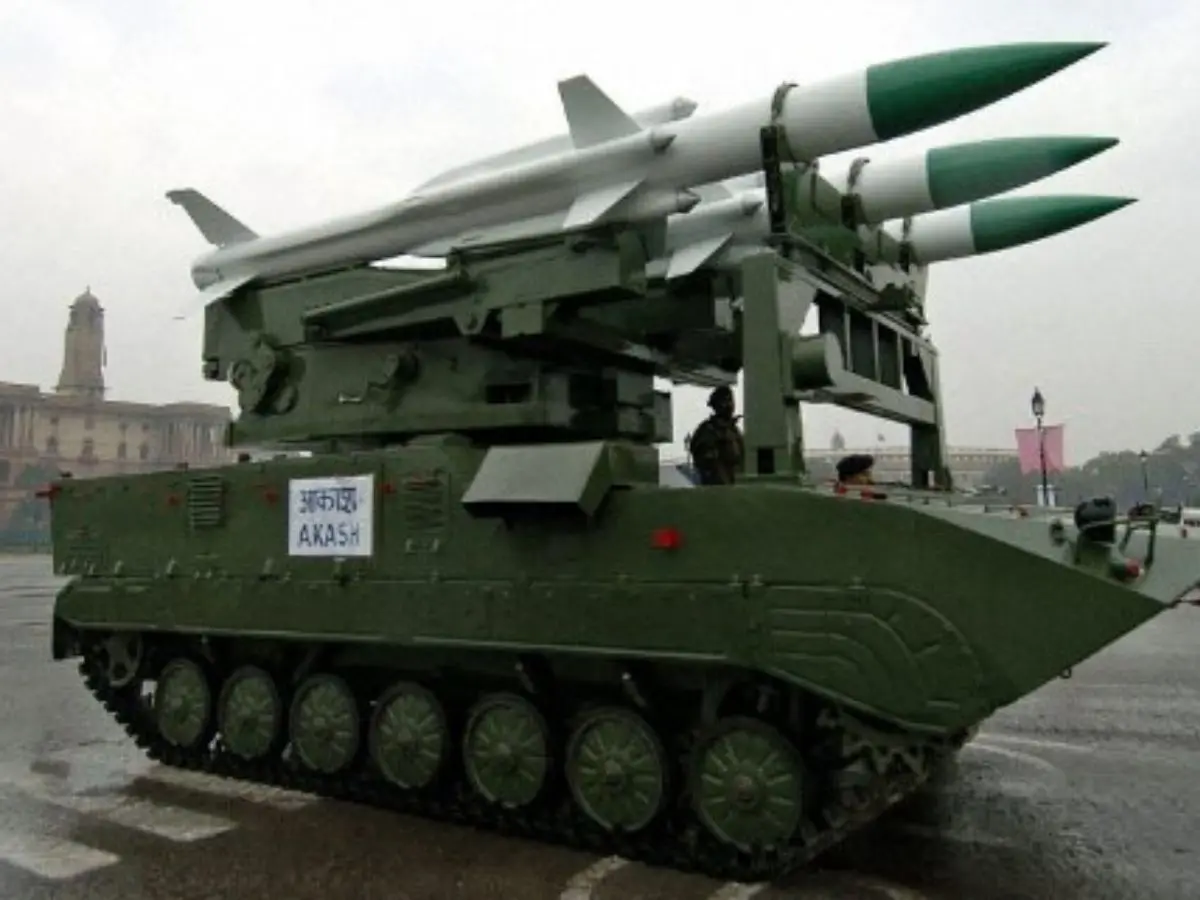
FILES-INDIA-POLITICS-DEFENCE-AKASH Photograph: (AFP)
The Indian Army on Wednesday tested the Akash Prime Missile at over 15,000 feet in Ladakh. It will be equipped in the third and fourth regiments of the Akash air defence systems. The surface-to-air missile scored two direct hits on a fast-moving airborne target in the high altitude zone.
Indian missile development program continues to evolve at a rapid pace. India has recently tested the key player in its surface-to-air missile arsenal Akash defence system. The newest iteration, Akash Prime, is making headlines, but how is it in comparison with the already in use, Akash New Generation (NG)?
What is Akash Prime?
Akash Prime is the latest iteration of the surface-to-air missile defence system. Developed by DRDO and produced by Bharat Electronics Limited and Bharat Dynamics Limited (BDL), it is designed to enhance India's missile defence capabilities in low temperature and high altitude situations.
Key features of Akash Prime
- It is installed with an indigenously developed active radio frequency seeker, which improves the precision against agile targets like cruise missiles, fighter jets or drones.
- It is specifically optimised for high altitude and low temperature territories like the India-Tibet border. It is incorporated with enhanced thermal shielding, making it perfect for protecting assets in sensitive areas and extreme weather conditions like the Siachin glaciers and Ladakh.
- It can engage targets at an altitude of 18 km at a distance of 30 km away.
Akash Missile Defence System
Trending Stories
)
)
)
)
)
)
)
)
&im=FitAndFill=(700,400))
)
)
)
)
)
)
)
)
)
)
)
)
)
)
)
)
)
)
)
)
)
)
)
)
)
)
)
)
&im=FitAndFill=(700,400))
)
Akash Prime is the fourth version of the Akash Missiles. The first three were Akash Mk-1, Akash-1S, and Akash NG. Notably, Akash Prime was previously tested in 2021 once, but this iteration includes the active radio frequency seeker and is optimised for the sensitive temperature region. The Akash Missile Defence System consists of a single battery with radar and four launchers. Each has three missiles with 60kg (130lb) high explosive, 64 targets and can attack up to 12 of them. The system provides coverage up to 2,000square km.
Akash NG vs Akash Prime
Akash NG has a range of 70-80 km compared to the 27-30 km range of the Akash Prime. It is sleeker and lighter and utilises a more advanced dual-pulse solid rocket motor, replacing the older ramjet engine for improved performance. Akash NG is mobile, and its smaller ground system footprint makes it easier to deploy and transport.
While Akash NG is the future with longer range and smarter tech. Akash Prime, on the other hand, is designed for specific terrain with lower temperatures and higher altitudes, smarter tech, reliable and rugged.

