'We cannot drink DATA': Google's $15 billion India data centre is being fought in court

&imwidth=600&imheight=450&format=webp&quality=medium "'We cannot drink DATA': Google's $15 billion India data centre is being fought in court")
'We cannot drink DATA': Google's $15 billion India data centre is being fought in court Photograph: (Freepik)
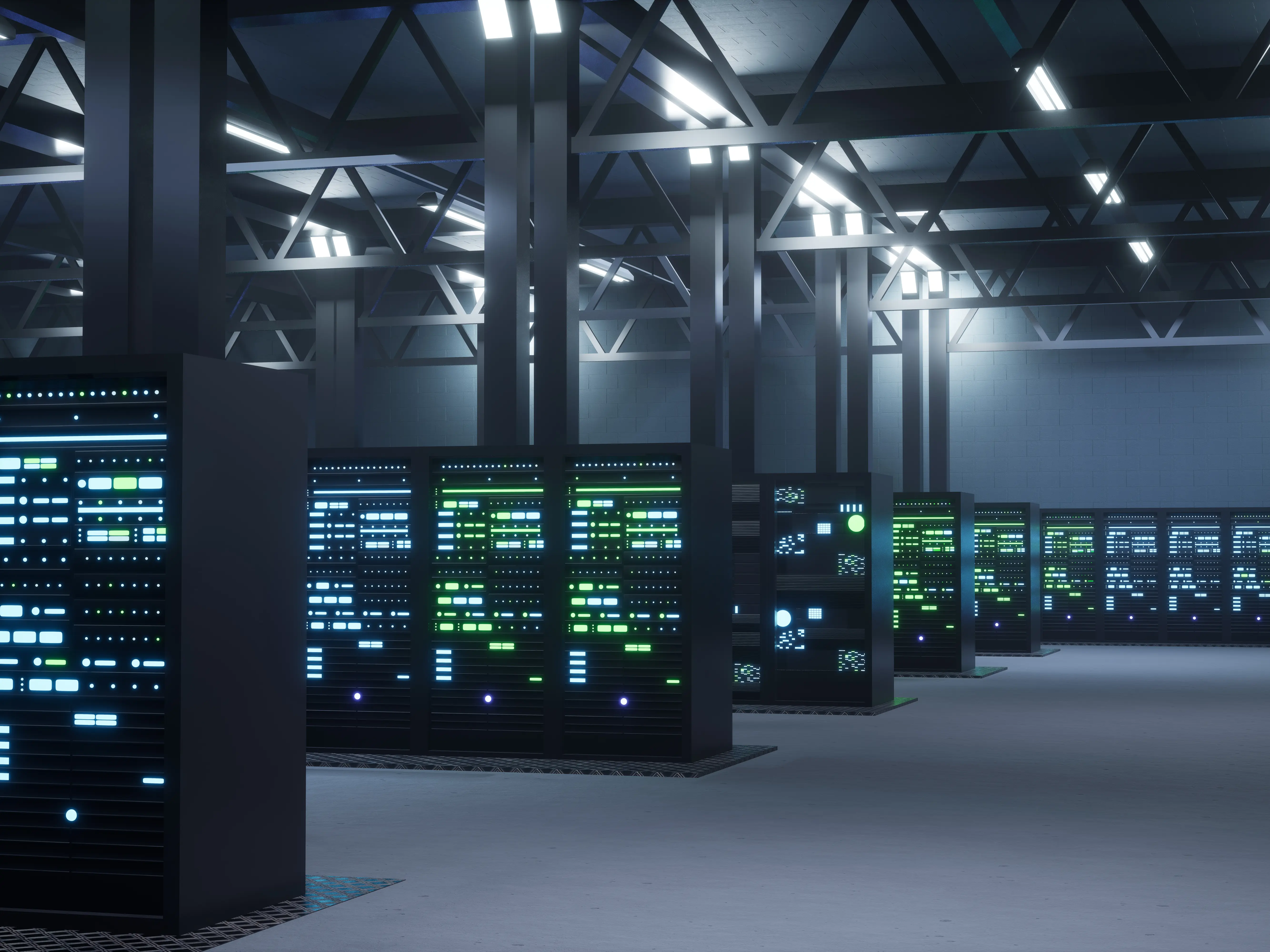
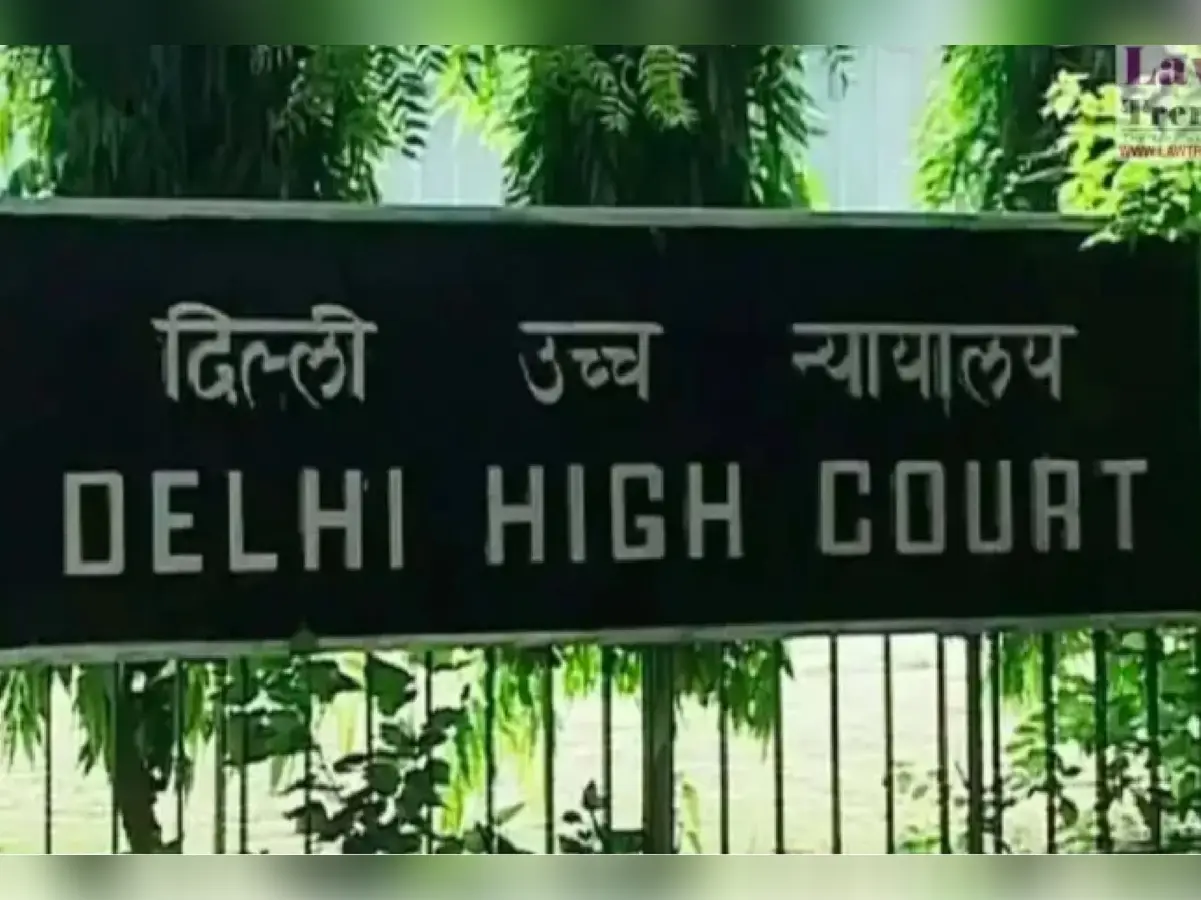
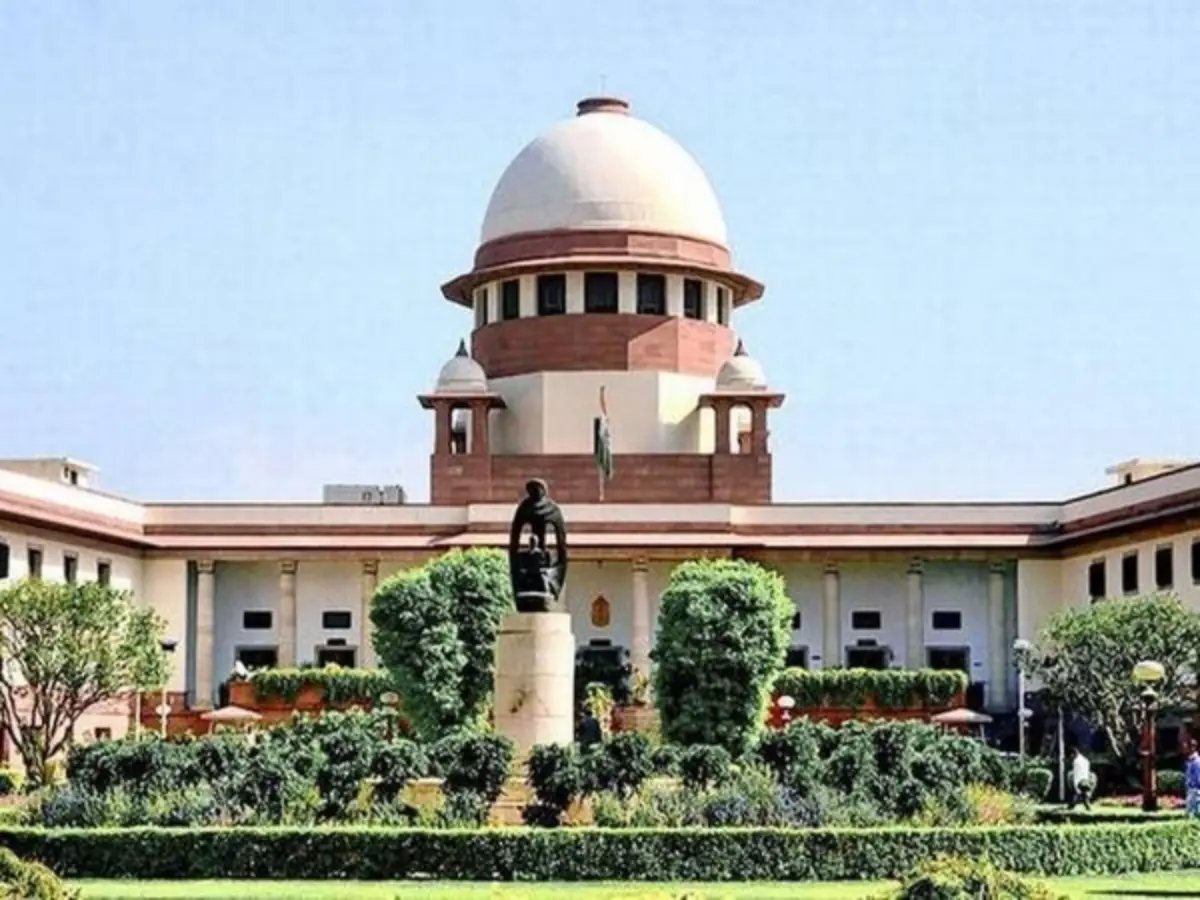
Google's $15 billion data centre hub in Visakhapatnam, built with the Adani Group and promising up to 188,000 jobs, is facing a public interest litigation in the Andhra Pradesh High Court and three more cases at India's environmental court. The city already receives 410 million litres of water a day against demand of 480 million, and a wildlife sanctuary sits 860 metres from the site.
Children marched through Visakhapatnam carrying banners reading ‘We cannot drink DATA.’ Activists painted handcuffs onto the Google logo. One of the largest data centre investments anywhere in the world is now being fought in two courts at once.
The Project
Google is building a $15 billion data centre hub in Visakhapatnam, Andhra Pradesh, in partnership with Gautam Adani's group. Construction is in full swing. The state government has promoted it as transformative, projecting the creation of up to 188,000 jobs.
By value it ranks among the largest data centre investments made anywhere, and it is the centrepiece of India's effort to host AI infrastructure domestically rather than renting capacity from servers abroad.
The Water Problem
The objection that has mobilised the city is not abstract. Visakhapatnam receives roughly 410 million litres of water per day against a demand of 480 million litres. A city of 2.5 million people is already rationing water before the data centre draws its first litre.
Trending Stories
)
)
)
)
)
)
)
)
)
)
)
)
)
)
)
)
)
)
)
)
)
)
)
)
)
)
)
)
)
)
)
)
)
)
&im=FitAndFill=(700,400))
)
)
)
)
Large data centres consume water at industrial scale for cooling. Activists argue that a facility of this size will strain reservoirs the city cannot spare, diverting a public resource from households to servers. That is the argument the banners were making: in a city short of drinking water, the question of what the water is for becomes a political one.
The Sanctuary 860 Metres Away
The second objection concerns the Kambalakonda Wildlife Sanctuary, which sits approximately 860 metres from the construction site. The sanctuary is home to leopards and pangolins, the latter among the most trafficked mammals in the world.
A public interest litigation filed in the Andhra Pradesh High Court argues that heavy construction and sustained noise at that proximity will affect the sanctuary and its wildlife. Data centres do not go quiet after construction either — they run cooling systems and backup generators continuously.
The Legal Position
Beyond the High Court petition, the Human Rights Forum has filed three further cases at India's environmental court demanding the project be halted.
That is four separate legal challenges running in parallel against a project already under construction — a materially different situation from objections raised at the planning stage. Capital has been committed and building has begun, which raises the cost of any adverse ruling for both Google and the Adani Group.
The Wider Tension
This is the collision that India's AI ambitions were always going to produce, arriving earlier and more sharply than expected.
India has been explicit about wanting domestic AI infrastructure. The national India AI Mission carries an outlay of ₹10,371.92 crore. Maharashtra has just cleared an AI policy targeting ₹10,000 crore in investment. The strategic case is sound: Indian companies training substantial models have largely had to rent capacity from American cloud providers, on American terms, under American jurisdiction.
But AI infrastructure is not software. It is buildings, electricity and water, placed in specific locations where people already live and where resources are already contested. Europe is discovering the same thing — its €30 billion tender for seven AI gigafactories faces power constraints that no amount of funding resolves.
Visakhapatnam is where that abstraction becomes concrete. The state promises 188,000 jobs. The city has 70 million litres a day less water than it needs. Both of those things are true, and a court will now decide which one governs.
Google has not publicly detailed its water sourcing or cooling design for the site in response to the litigation. Until it does, the protesters' central question — where the water comes from — remains unanswered in public.
