US to impose 100% tariff on patented drugs starting today, but India gets key specialty exemption

&imwidth=600&imheight=450&format=webp&quality=medium "US to impose 100% tariff on patented drugs starting today, but India gets key specialty exemption")
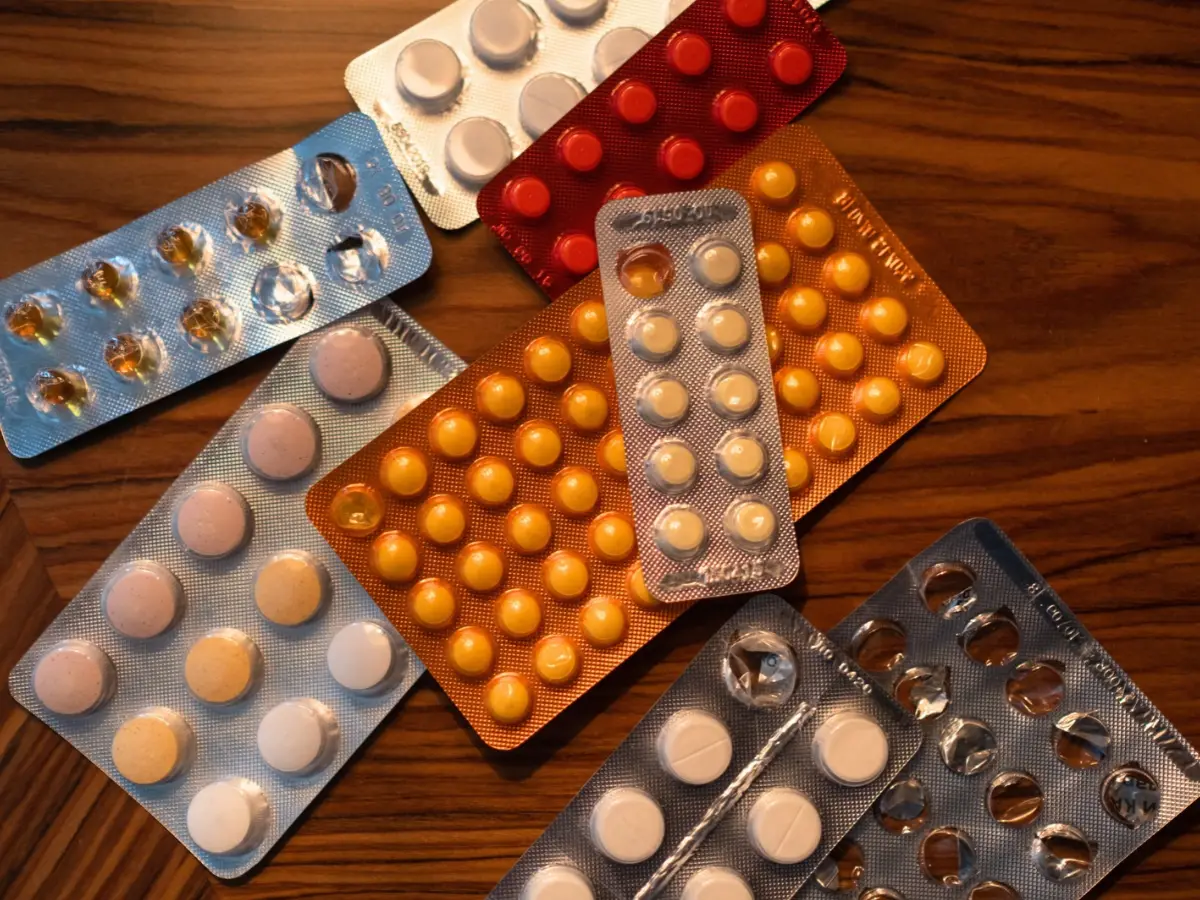
India gets zero-tariff window as Trump’s 100% pharma duty takes effect Photograph: (Canva)
The US starting today (Sep 29) will begin to apply a 100% tariff on specified patented pharmaceuticals, but qualifying speciality medicines and ingredients from India can receive zero duty. Here’s which drugs are covered and why the exemption is not a blanket waiver.
The United States will apply a zero per cent tariff to certain speciality pharmaceutical products and associated ingredients imported from India and 18 other eligible jurisdictions. This comes as Washington prepares to impose a 100 per cent tariff on specified patented pharmaceuticals and ingredients from September 29 (Tuesday).
The US Department of Commerce published the eligibility framework in the Federal Register, clarifying how speciality pharmaceutical products covered under President Donald Trump's April 2 proclamation will receive tariff treatment.
Which drugs qualify for zero tariff?
The zero tariff applies to qualifying speciality pharmaceutical products and associated ingredients, including drugs for rare diseases, nuclear medicines, plasma-derived therapies, fertility treatments, cell and gene therapies, antibody-drug conjugates and certain medical countermeasures. Animal health pharmaceutical products are also covered.
However, the exemption is subject to conditions. Under the April proclamation, the products must either originate in a jurisdiction with a current or forthcoming US trade and security framework agreement or be determined to meet an urgent US health need.
Trending Stories
)
)
)
)
)
)
)
)
)
)
)
)
)
)
)
)
)
)
)
)
)
)
)
)
)
)
)
)
)
)
)
)
)
)
&im=FitAndFill=(700,400))
)
)
)
)
India is among the nations identified by the Commerce Department as eligible for the tariff adjustment.
The other eligible jurisdictions are Argentina, Bangladesh, Cambodia, Ecuador, El Salvador, the European Union, Guatemala, Indonesia, Japan, Jordan, Malaysia, North Macedonia, South Korea, Switzerland and Liechtenstein, Taiwan, Thailand, the United Kingdom and Vietnam.
100% tariff on patented drugs from September 29
Trump's April proclamation imposed a 100 per cent ad valorem duty on specified patented pharmaceutical products and associated pharmaceutical ingredients under Section 232 of the Trade Expansion Act.
The measure took effect on July 31 for companies listed in an annex and is scheduled to apply to other covered companies from September 29.
The administration has argued that heavy reliance on imported patented medicines and ingredients poses a national security and supply-chain risk and said the tariffs are intended to encourage more pharmaceutical manufacturing in the US.
Generic drugs remain outside Section 232 tariffs
The Commerce Department notice also reiterates that generic pharmaceutical products, biosimilars and their associated ingredients are not currently subject to the Section 232 pharmaceutical tariffs.
The new guidance also makes technical changes to the Harmonized Tariff Schedule and clarifies the scope of pharmaceutical articles and generic pharmaceutical products.
For companies seeking an exemption on the basis of an urgent US health need, the Commerce Department has established a process to apply for approval.
What it means for India
The inclusion of India in the zero-tariff list is significant for Indian pharmaceutical exporters, particularly those supplying specialty medicines and ingredients that fall within the categories outlined by Commerce.
Notably, the exemption is not a blanket waiver for every pharmaceutical product imported from India. It applies to qualifying specialty products that meet the conditions set out in the US rules.

