US tightens green card scrutiny: Indians in backlog face new ‘public charge’ test

&imwidth=600&imheight=450&format=webp&quality=medium "US tightens green card scrutiny: Indians in backlog face new ‘public charge’ test")
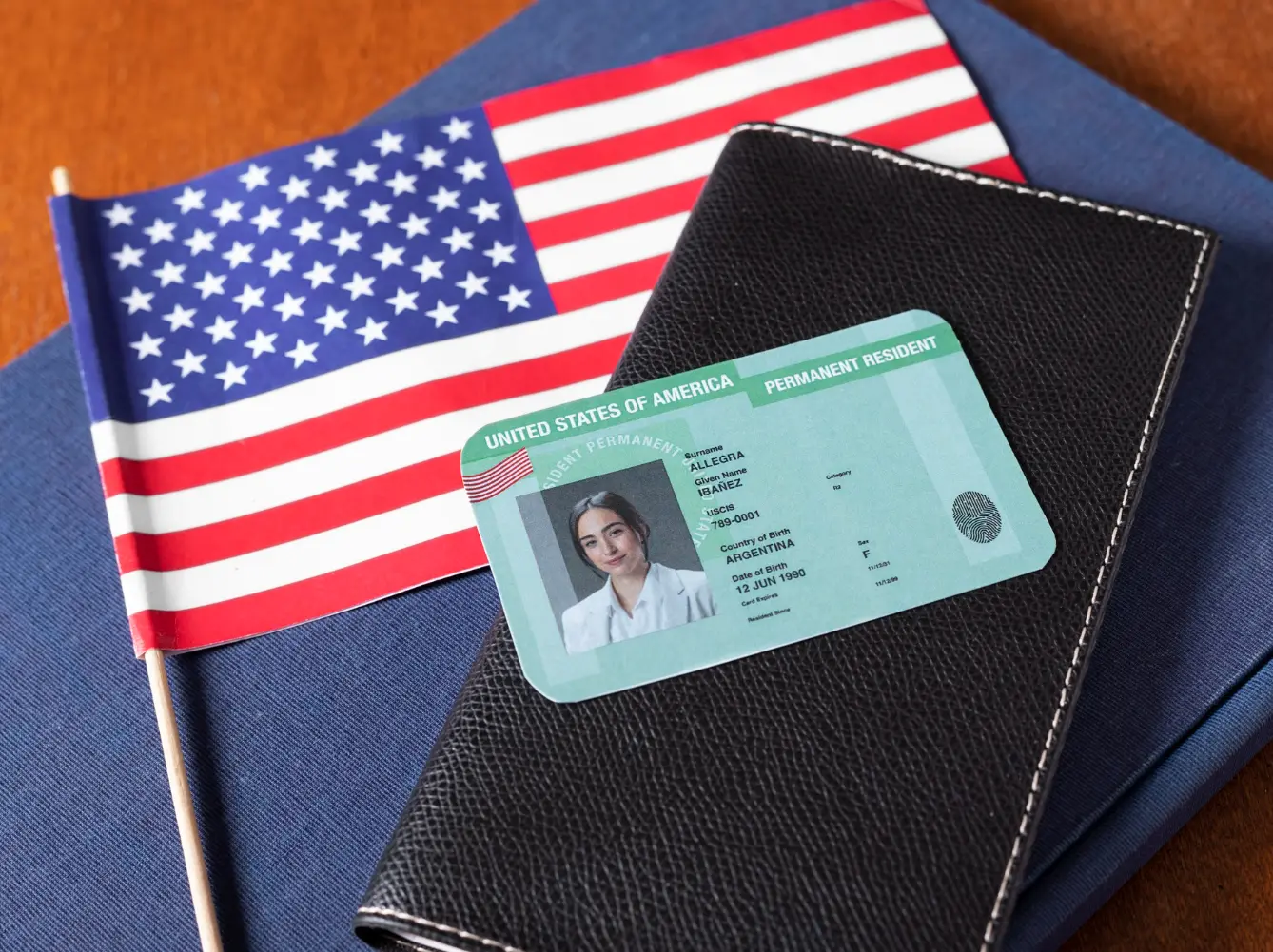
US tightens green card scrutiny: Indians in backlog face new ‘public charge’ test Photograph: (Magnific)
Indian nationals awaiting US employment-based green cards may face tougher scrutiny from Sept 18 as USCIS expands the public charge test to assess jobs, finances, health and benefits.
Indian nationals in the US waiting for employment-based green cards could face increased scrutiny from September 18, when new US Citizenship and Immigration Services (USCIS) guidance on the “public charge” rule takes effect.
The change matters particularly for Indians who have spent years in the employment-based green card backlog and are now preparing to file Form I-485, the application used to adjust status to permanent residence.
Under the revised guidance, USCIS officers will assess an applicant’s circumstances as a whole, looking at factors including age, health, family situation, assets, financial resources, education and skills. Officers may also seek evidence of future employment, including job offers and expected wages.
According to USCIS, “The updated guidance aligns with Congressional intent that aliens in the US be self-sufficient and not dependent on taxpayer-funded government benefits.”
Employment-based applicants could be particularly affected after years in the backlog. However, routine H-1B petitions, including extensions, amendments and changes of employer, as well as H-4 extensions and changes of status, are not covered by the public charge ground.
Also read | US may force more visa applicants to make social media accounts public under Trump's new plan
Trending Stories
)
)
)
)
)
)
)
)
)
)
)
)
)
)
)
)
)
)
)
)
)
)
)
)
)
)
)
)
)
)
)
)
)
)
&im=FitAndFill=(700,400))
)
)
)
)
The policy has also raised concerns among Indian professionals following a wave of layoffs. A layoff alone does not make someone a public charge, but an officer could examine previous employment, wages, education, skills, job prospects, household income and assets.
The revised guidance also broadens the benefits USCIS can consider. Benefits such as SNAP, housing assistance, CHIP and regular Medicaid, which were excluded under the Biden-era framework, may now be considered for benefits received from September 18, 2026.
Still, receiving such assistance does not automatically make an applicant inadmissible. USCIS will make a case-by-case assessment.
The rule could particularly affect elderly parents with health problems whose sponsors may struggle to meet the new requirements.
In some cases, USCIS may allow applicants deemed inadmissible solely on public-charge grounds to post a financial bond. If the bond conditions are met, the green card application could still be approved.

