Terror plot targeting Delhi foiled; cross-border syndicate involving Pakistan, Bangladesh, and Nepal under probe

&imwidth=600&imheight=450&format=webp&quality=medium "Terror plot targeting Delhi foiled; cross-border syndicate involving Pakistan, Bangladesh, and Nepal under probe")
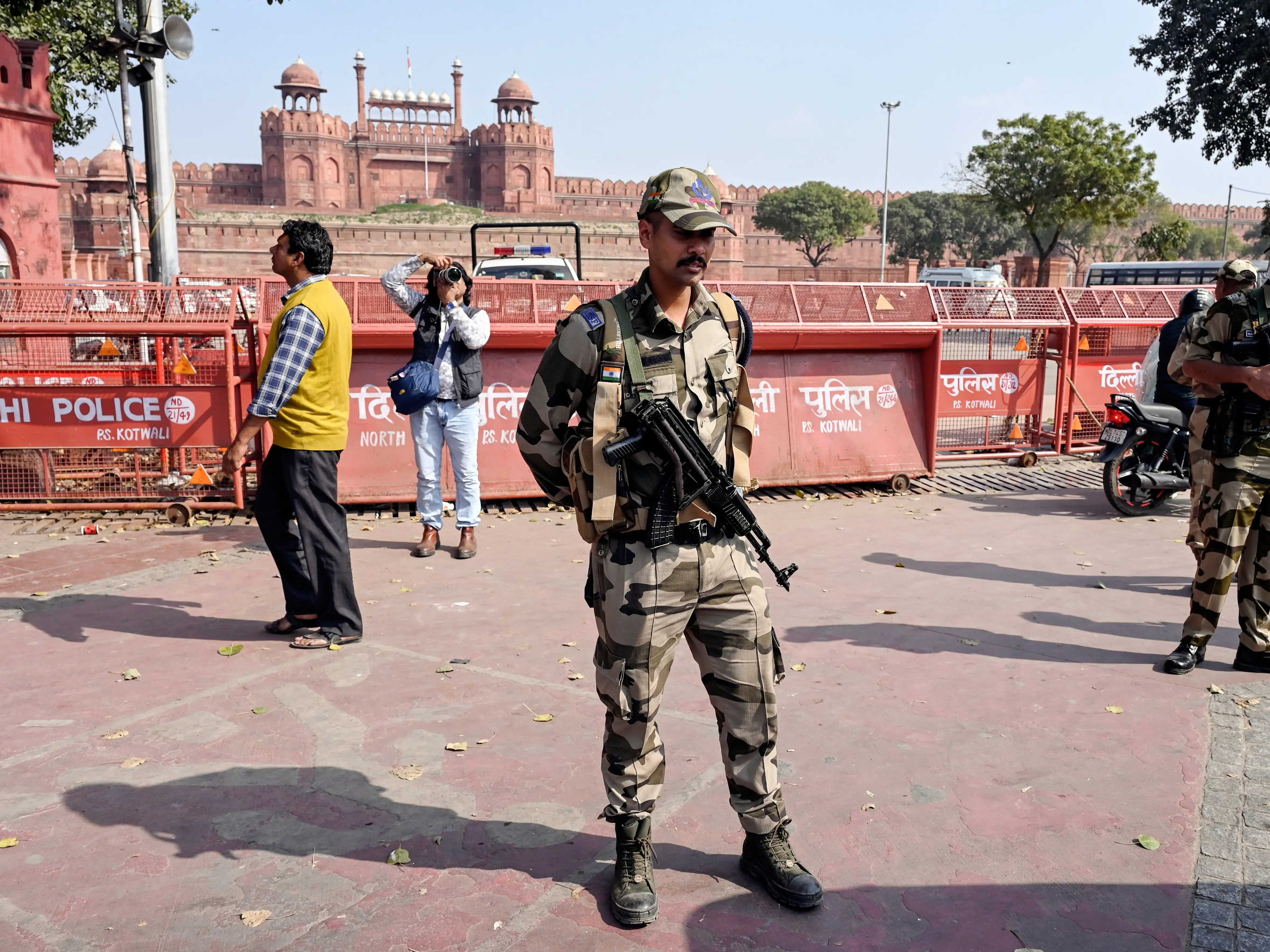
File photo: CISF Security personnel stand guard near the Red Fort following a high alert over a reported terror plot allegedly linked to Lashkar-e-Taiba targeting religious sites, in Old Delhi Photograph: (ANI)
A major terror strike on New Delhi has just been prevented. Security agencies have reportedly uncovered a cross-border weapons network allegedly linked to handlers in Pakistan, Bangladesh and Nepal.
Who was involved, and how close was the plot? Scroll down to find out.
Indian security agencies have foiled a major terror plot to attack the national capital, New Delhi, according to reports. The terror attack allegedly involved a cross-border syndicate involving Pakistan, Bangladesh and Nepal. The cross-border is under investigation, and security agencies have already recovered 18 sophisticated weapons which were allegedly on their way to be distributed for a big terror plot. As per reports, Shahbaz Ansari, a man wanted by the NIA in the Sidhu Moosewala arms supply case, is also under investigation.
Also read | India overtakes major powers to become one of top 5 global military spenders; what about Pakistan?
Sophisticated weapons recovered
Eighteen sophisticated firearms were recovered from nine alleged operatives who were planning to route the weapons through Munger, a town in Bihar with a history of illegal arms manufacturing, before distributing them across multiple states. Among those being investigated is Shahbaz Ansari, a wanted accused in the NIA's Sidhu Moosewala arms supply case, who is a resident of Khurja in Uttar Pradesh.
India's fight against terror
The development comes in the immediate aftermath of the first anniversary of the Pahalgam terror attack, which killed 25 Indian nationals and one Nepalese citizen on April 22, 2025, an attack that has significantly sharpened India's internal security focus in recent weeks.
Trending Stories
)
)
)
)
)
)
)
)
)
)
)
)
)
)
)
&im=FitAndFill=(700,400))
)
)
)
)
&im=FitAndFill=(700,400))
)
)
)
)
)
)
)
)
)
)
)
)
)
)
The foiled plot is part of a broader pattern of arrests. On April 24, the Uttar Pradesh Anti-Terror Squad detained two men in Noida, Tushar Chauhan, also known as Hizbullah Ali Khan, and Samir Khan, both 20 years old, on charges of operating under direct instructions from Pakistan-based handlers and the ISI. The two were caught with a pistol, live ammunition and a knife.
According to the ATS, the pair had been working with Pakistan-based gangsters Shahzad Bhatti and Abid Jatt, using Instagram and other social media platforms to radicalise and recruit Indian youth. Their alleged objectives included establishing sleeper cells, carrying out targeted killings and conducting reconnaissance of sensitive locations.

