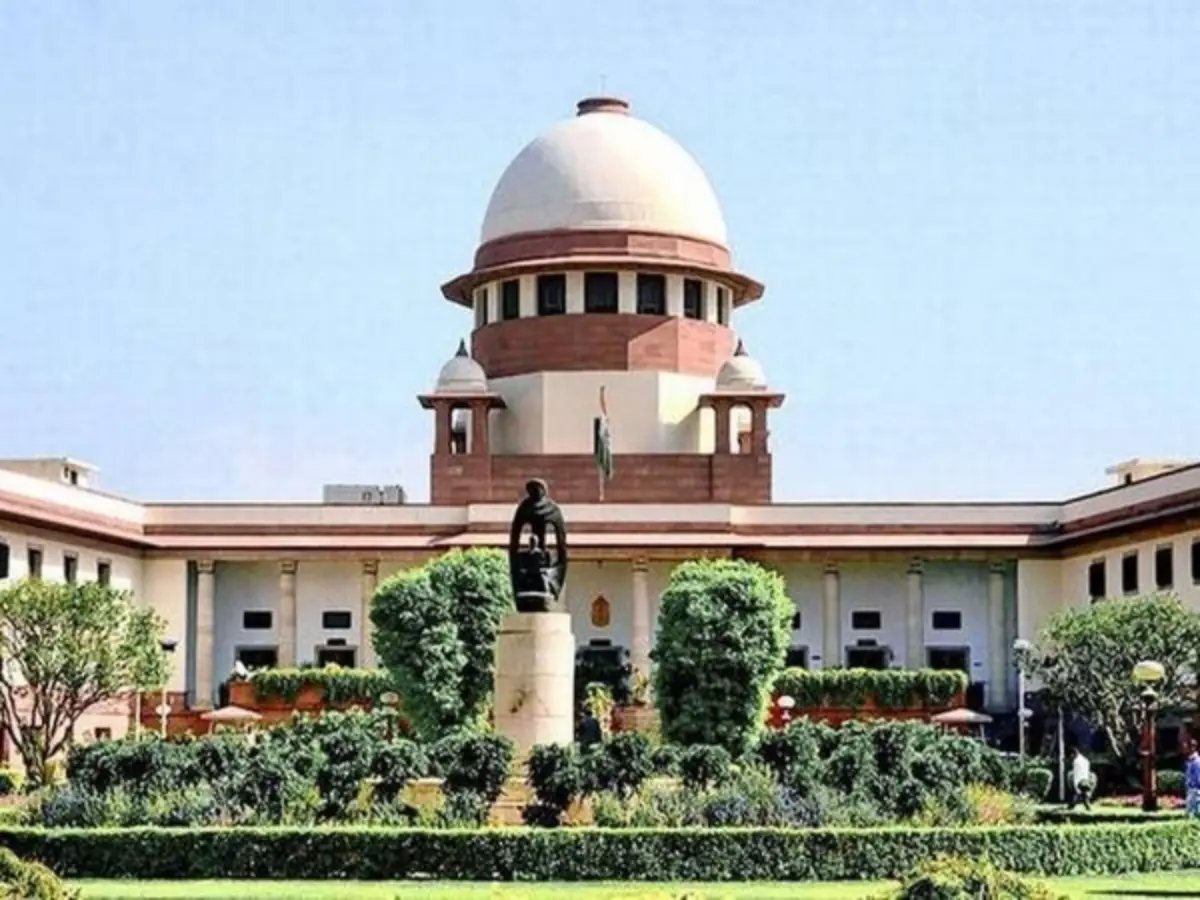
Supreme Court agrees to examine plea seeking recall of split verdict on CEC selection law

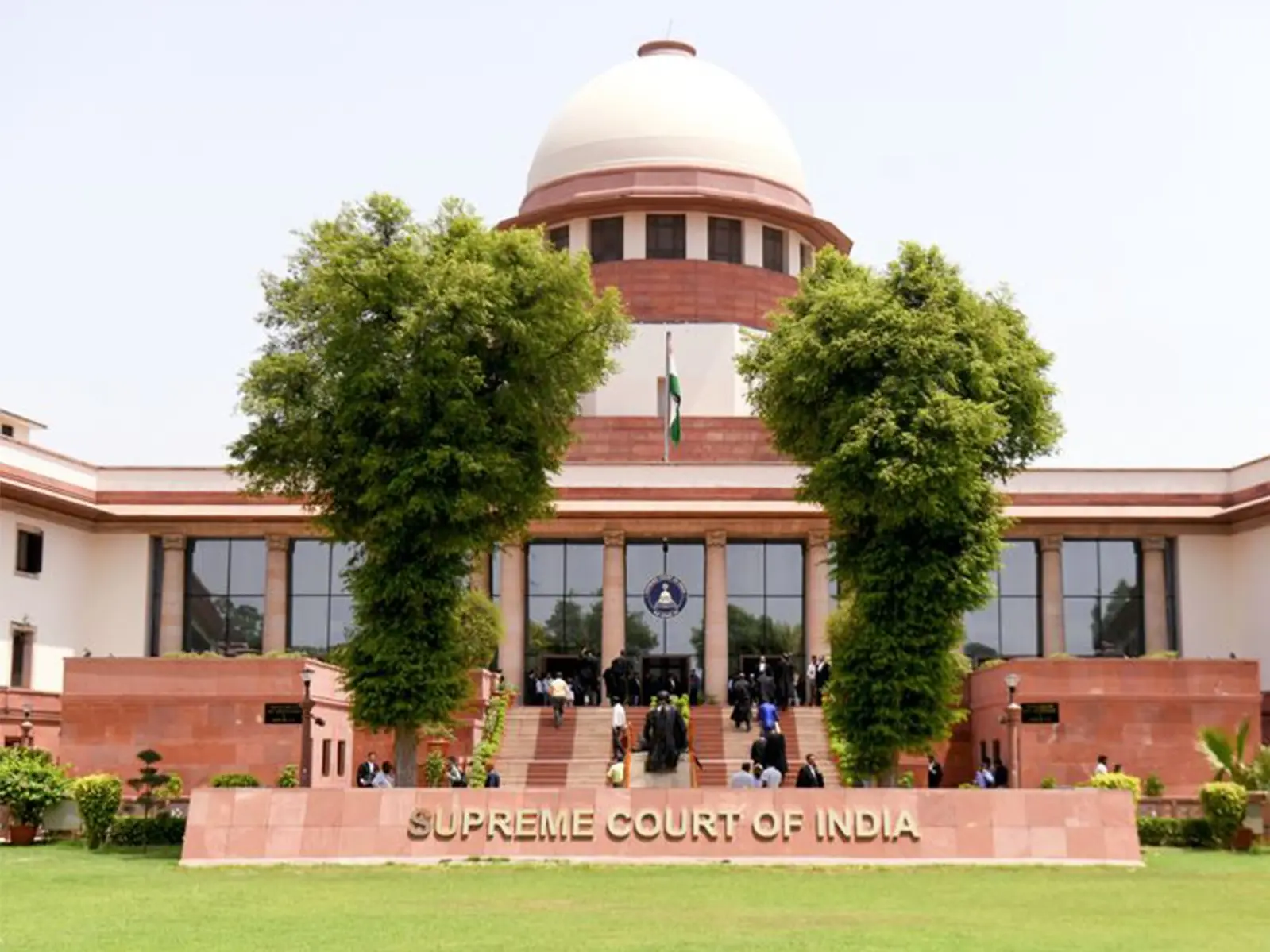&imwidth=600&imheight=450&format=webp&quality=medium "Supreme Court agrees to examine plea seeking recall of split verdict on CEC selection law")
CJI Surya Kant said the court would examine the application before deciding on it Photograph: (ANI)
The application moved by Senior Advocate Gopal Sankaranarayanan points to the fact that Justice Satish Chandra Sharma’s son is a standing counsel for the Election Commission of India in the Madhya Pradesh High Court.
The Supreme Court on Wednesday agreed to examine an application seeking recall of its recent split verdict on whether challenges to the 2023 law governing the appointment of the Chief Election Commissioner (CEC) and Election Commissioners (ECs) should be referred to a larger Constitution bench.
On September 23, a bench of Justices Dipankar Datta and Satish Chandra Sharma gave split opinions on whether a batch of pleas challenging the validity of a 2023 law that excludes the Chief Justice of India (CJI) from the selection panel should be referred to a larger Constitution bench.
Justice Datta held that the matter did not warrant a reference to a larger bench, while Justice Sharma favoured consideration by a five-judge Constitution Bench. Given the difference of opinion, the bench directed that the matter be placed before the Chief Justice of India on the administrative side for the constitution of a bench of appropriate strength.
Senior Advocate Gopal Sankaranarayanan mentioned the application before CJI Surya Kant and Justices Joymalya Bagchi and V Mohana on Wednesday, telling the bench that the plea sought recall of the September 23 judgment.
“There is a split verdict on the Chief Election Commissioner issue. We have mentioned an application for recall of the judgment,” Sankaranarayanan said.
CJI Surya Kant said the court would examine the application before deciding on it. “We will examine and then take a call,” he said.
Trending Stories
&imwidth=280&imheight=210&format=webp&quality=medium)
&imwidth=280&imheight=210&format=webp&quality=medium)
&imwidth=280&imheight=210&format=webp&quality=medium)
&imwidth=280&imheight=210&format=webp&quality=medium)
&imwidth=280&imheight=210&format=webp&quality=medium)
&imwidth=280&imheight=210&format=webp&quality=medium)
&imwidth=280&imheight=210&format=webp&quality=medium)
&imwidth=280&imheight=210&format=webp&quality=medium)
&imwidth=280&imheight=210&format=webp&quality=medium)
&imwidth=280&imheight=210&format=webp&quality=medium)
&imwidth=280&imheight=210&format=webp&quality=medium)
&imwidth=280&imheight=210&format=webp&quality=medium)
&imwidth=280&imheight=210&format=webp&quality=medium)
&imwidth=280&imheight=210&format=webp&quality=medium)
&imwidth=280&imheight=210&format=webp&quality=medium)
&imwidth=280&imheight=210&format=webp&quality=medium)
&imwidth=280&imheight=210&format=webp&quality=medium)
&imwidth=280&imheight=210&format=webp&quality=medium)
&imwidth=280&imheight=210&format=webp&quality=medium)
&imwidth=280&imheight=210&format=webp&quality=medium)
&imwidth=280&imheight=210&format=webp&quality=medium)
&imwidth=280&imheight=210&format=webp&quality=medium)
&imwidth=280&imheight=210&format=webp&quality=medium)
&imwidth=280&imheight=210&format=webp&quality=medium)
&imwidth=280&imheight=210&format=webp&quality=medium)
&imwidth=280&imheight=210&format=webp&quality=medium)
&imwidth=280&imheight=210&format=webp&quality=medium)
&imwidth=280&imheight=210&format=webp&quality=medium)
&imwidth=280&imheight=210&format=webp&quality=medium)
&imwidth=280&imheight=210&format=webp&quality=medium)
&imwidth=280&imheight=210&format=webp&quality=medium)
&imwidth=280&imheight=210&format=webp&quality=medium)
&imwidth=280&imheight=210&format=webp&quality=medium)
&imwidth=280&imheight=210&format=webp&quality=medium)
&im=FitAndFill=(700,400)&imwidth=280&imheight=210&format=webp&quality=medium)
&imwidth=280&imheight=210&format=webp&quality=medium)
&imwidth=280&imheight=210&format=webp&quality=medium)
&imwidth=280&imheight=210&format=webp&quality=medium)
&imwidth=280&imheight=210&format=webp&quality=medium)
Plea cites a ‘reasonable’ apprehension of bias
Sankaranarayanan clarified that the application was an interlocutory application (IA) seeking recall of the September 23 verdict passed by Justices Datta and Sharma. An IA is a formal application filed during the pendency of a case seeking a specific order or direction from the court.
The recall application has been filed citing a reasonable apprehension of bias involving Justice Sharma. The application points to the fact that Justice Sharma’s son is a standing counsel for the Election Commission of India in the Madhya Pradesh High Court.
Curative petition filed against split verdict by another party
Sankaranarayanan also informed the bench that another party had filed a curative petition against the split verdict. “A curative petition has been filed. That, I think, will have to go in its own form. Whether it is maintainable, I don’t know. Ours is an IA seeking recall of the judgment. Curative often requires a review,” he said.
The CJI noted that he had read about the curative petition.
The recall application had earlier been mentioned before Justice Datta’s bench, but the matter was subsequently released, and Sankaranarayanan was asked to mention it before the CJI.
The Chief Election Commissioner and Other Election Commissioners (Appointment, Conditions of Service and Term of Office) Act, 2023, replaced the Chief Justice of India with a Union Cabinet minister nominated by the Prime Minister on the panel for selecting the CEC and ECs.
Under the law, the selection committee now comprises the prime minister, the leader of the opposition in the Lok Sabha and a Union Cabinet minister nominated by the prime minister.