Space station, Venus orbiter, mega rocket: Indian government grants approvals, funds

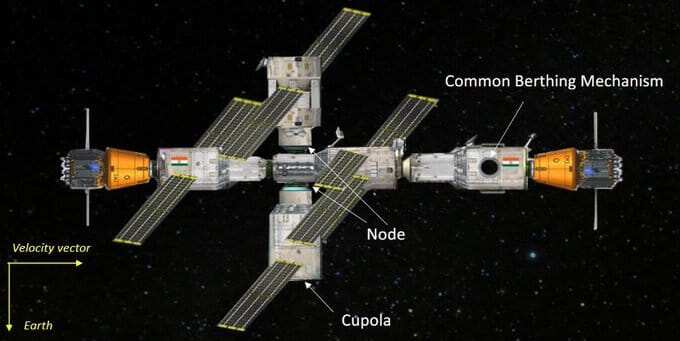
India has successfully accomplished missions to study Moon, Mars, Sun, launching space probes
The UnionCabinet led by IndianPrime Minister Narendra Modi formally approved a host of high-profile, expensive space missions and long-term projects of the Indian Space Research Organisation (ISRO).
These projects include a 'Chandrayaan-4' that will land on and return samples from the moon, expansion of India's ongoing Gaganyaan Human Spaceflight programme (homegrown astronaut missions), an Indian space station that will enable long-term astronaut presence in Earth orbit, a Venus orbiter mission, heavy-lift and re-usable rockets for future missions. All of these are steps that will eventually lead to the Indian government's vision of landing Indian astronauts on the moon, by the year 2040.

For several years, ISRO has been working on concepts and proposals for the above projects. However, the formal nod granted by the Indian government on Wednesday (Sep 18)helps put these grand plans into action, in the coming years and decades.
Special budget and timeline for India's Space missions
Over the last 25 years, India has repeatedly executed end-to-end space missions. This includes the design, development and launch of rockets and satellites, the ability to track and control these space vehicles and perform a host of functions.
)
Trump-Xi Summit: Trade, Taiwan and the red lines shaping US-China talks | Race To Power
)
US citizen injured in Illinois after ICE agents mistook him for fugitive, hospitalised
)
US judge questions Trump’s decision to ban CNN, MS NOW and Politico from White House
)
Afghan woman cyclist who disguised herself as a boy to escape Taliban, wins Asian Games medal
)
Trump signs Greenland security deal with Denmark, paving way for two new US military bases
)
IIT Bombay CCTV footage emerges: Sahil Wakode seen looking at phone in examination hall
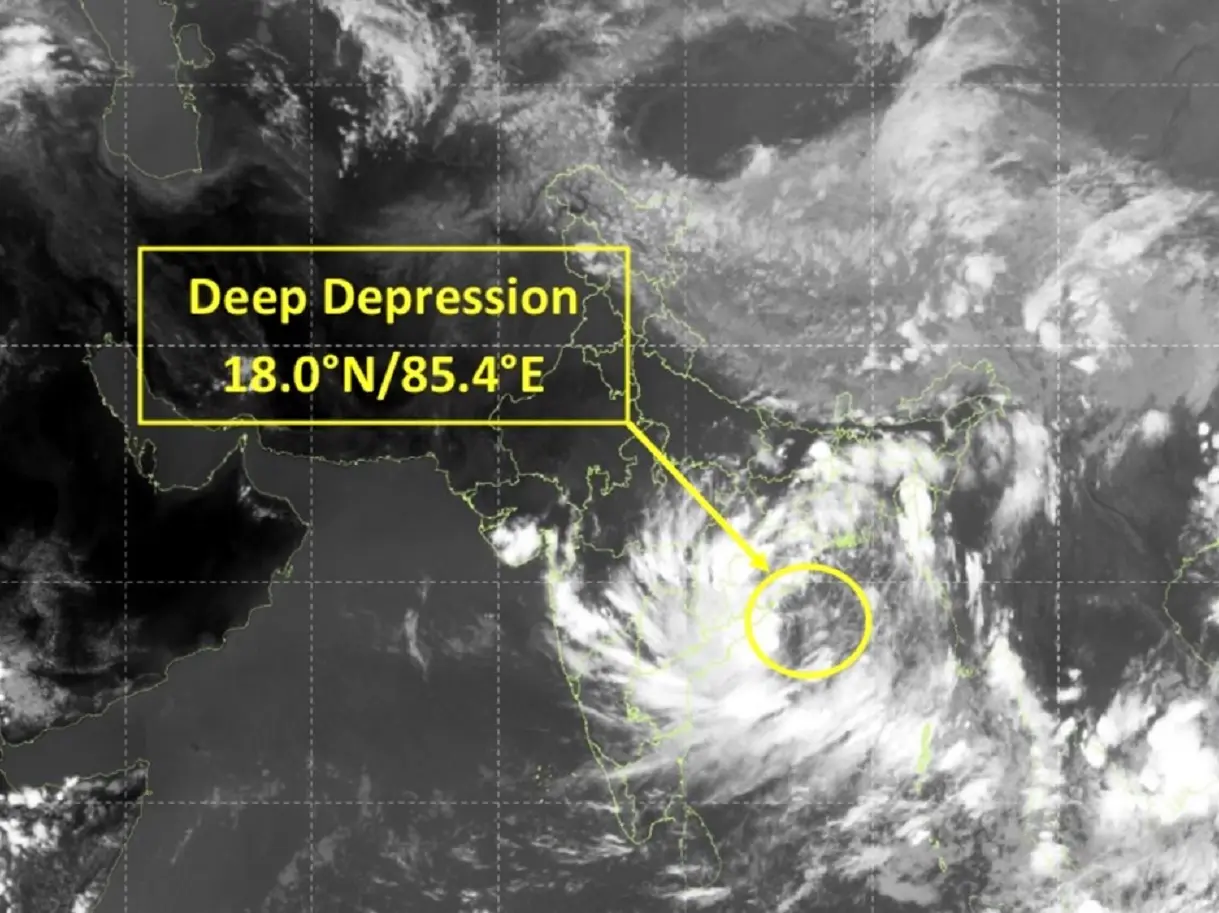)
Cyclone Arnab: Landfall expected before midnight tomorrow as IMD issues orange alerts across six states
)
NBA player Steven Adams shares hilarious GTA VI theory
)
WION Iconic Tourism Summit 2026: Union Minister Shekhawat on 'experiential travel', peace diplomacy
)
ICC plans T20I expansion and fewer ODIs in 2027–2031 FTP cycle: Report
)
'AI got into my speech': Prince Harry jokes after teleprompter failure at event in New York
)
WION Iconic Tourism Summit: Seychelles envoy says India partnership is important for Seychelles
)
Scientists detect first radio signals directly from faraway planet
)
China to test supersonic jet that moves at Mach 2, double the speed of sound
)
WION Iconic Tourism Summit: 'Hanuman Ansh' Director on blockbuster success
)
Open AI, Anthropic CEO urges caution over rapid AI development at UN Security Council, call for 'extreme care'
)
Bomb scare in New York amid UNGA: Suspicious suitcase found near UN headquarters
)
Hours before Xi-Trump meeting, US announces visa curbs targeting birth tourism: What is it?
)
'Partners rather than rivals': Xi Jinping's first message after landing in US for Trump summit
)
WION Iconic Tourism Summit: Is India's travel boom outrunning its airports, airlines and hotels?
)
WION Iconic Tourism Summit and Awards 2026: Key voices to discuss India’s tourism future
)
Trump-Xi state dinner 2026: Who is invited? Full guest list of tech CEOs, business leaders and officials
)
Govt slashes duty on edible oils to curb price rise ahead of festive season
)
American manufacturing is reshoring faster than its factory floors can absorb
&im=FitAndFill=(700,400))
New OTT releases this week (September 21-27, 2026): Shaque: Trust No One, Hunkkaar, Don’t Be Shy- 5 new titles coming to Netflix, Prime Video and more
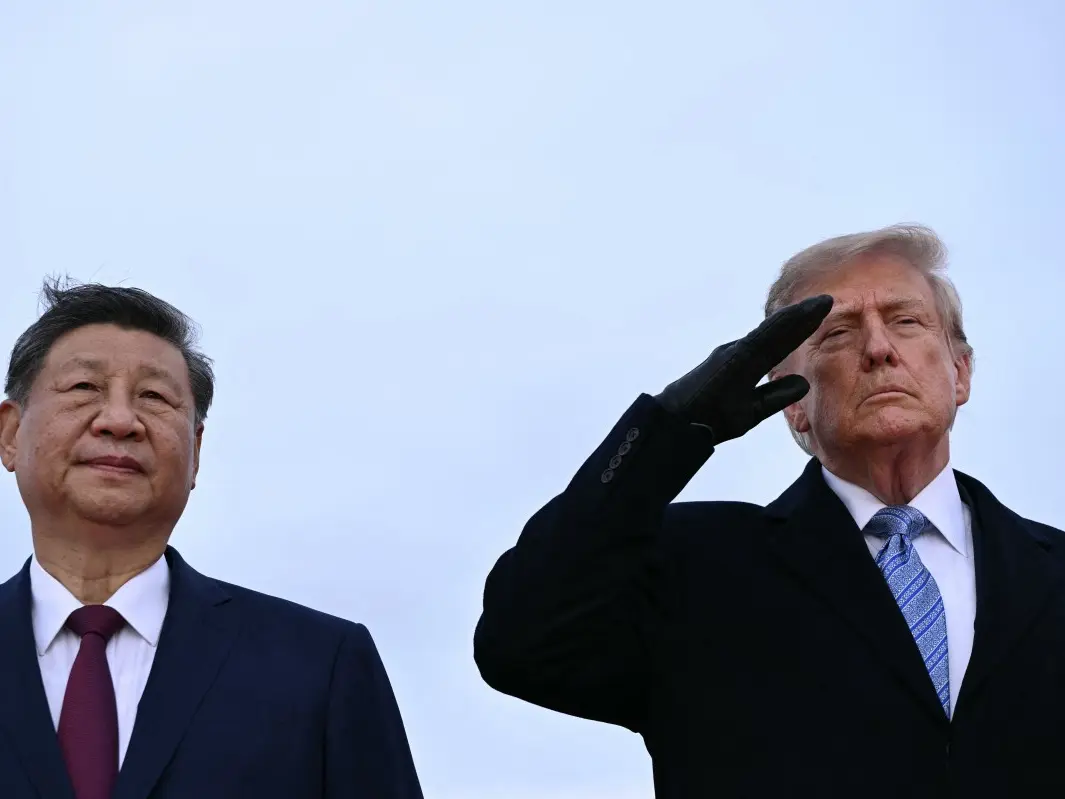)
WATCH | China President Xi Jinping lands in US as Trump greets him ahead of high-stakes summit
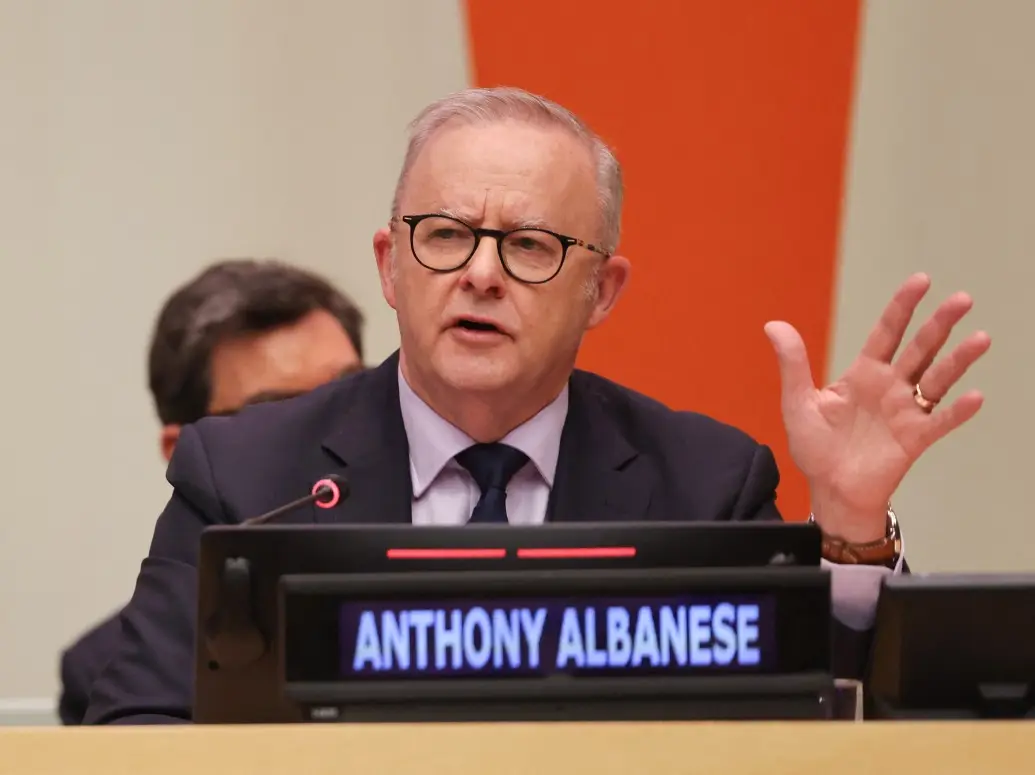)
Australian PM Anthony Albanese calls OpenAI AI incident 'unacceptable' after restricted data access
)
'What kind of confession is this?': Pakistan PM Shehbaz Sharif’s 'terrorists would be roaming New York' remark goes viral, raises alarm online. Watch
)
WION Iconic Tourism Summit: How local tourism MSMEs must upskill for AI integration
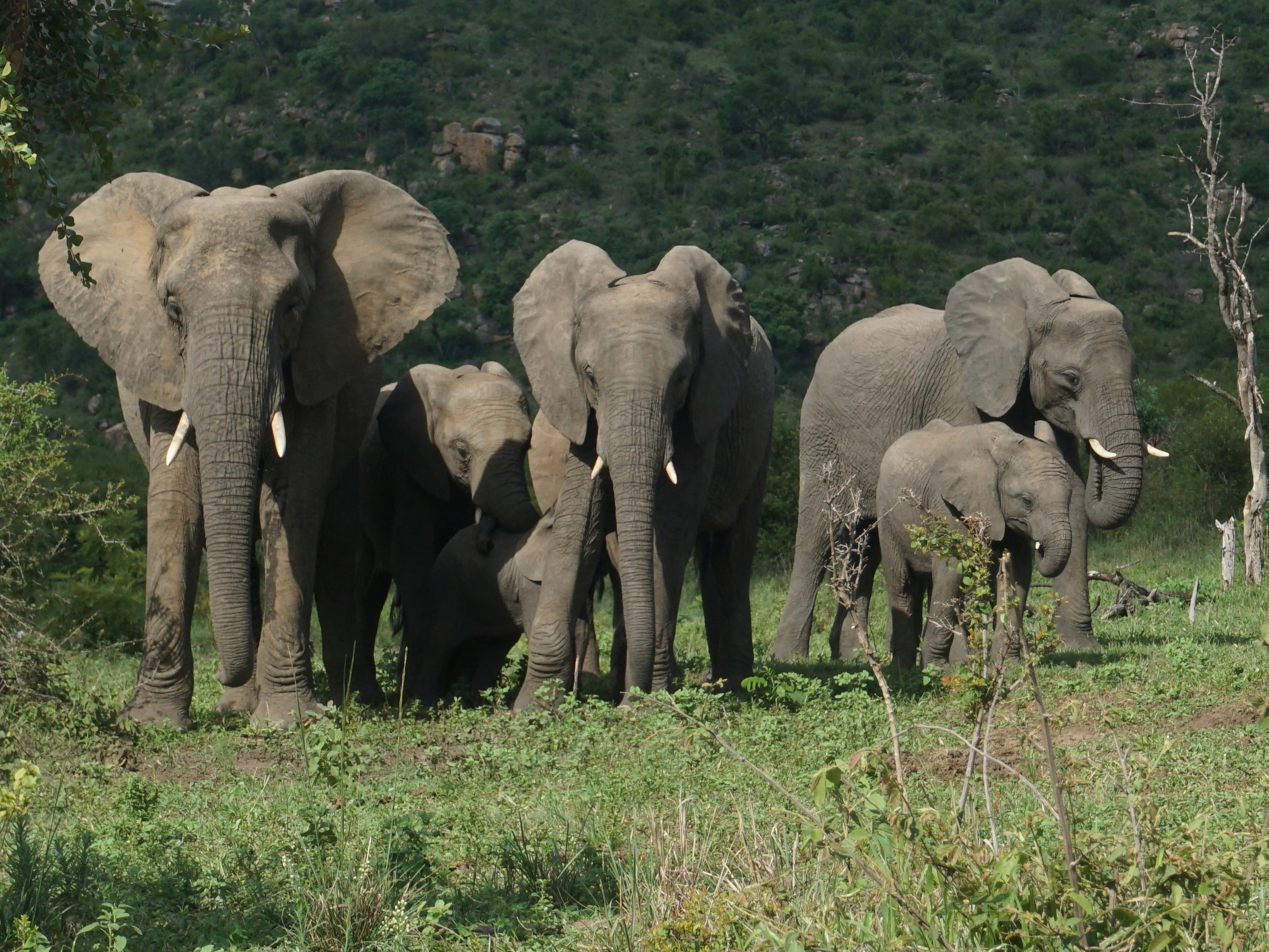)
Elephants hide behind trees, stage surprise attack on poachers targeting rhinos in South Africa
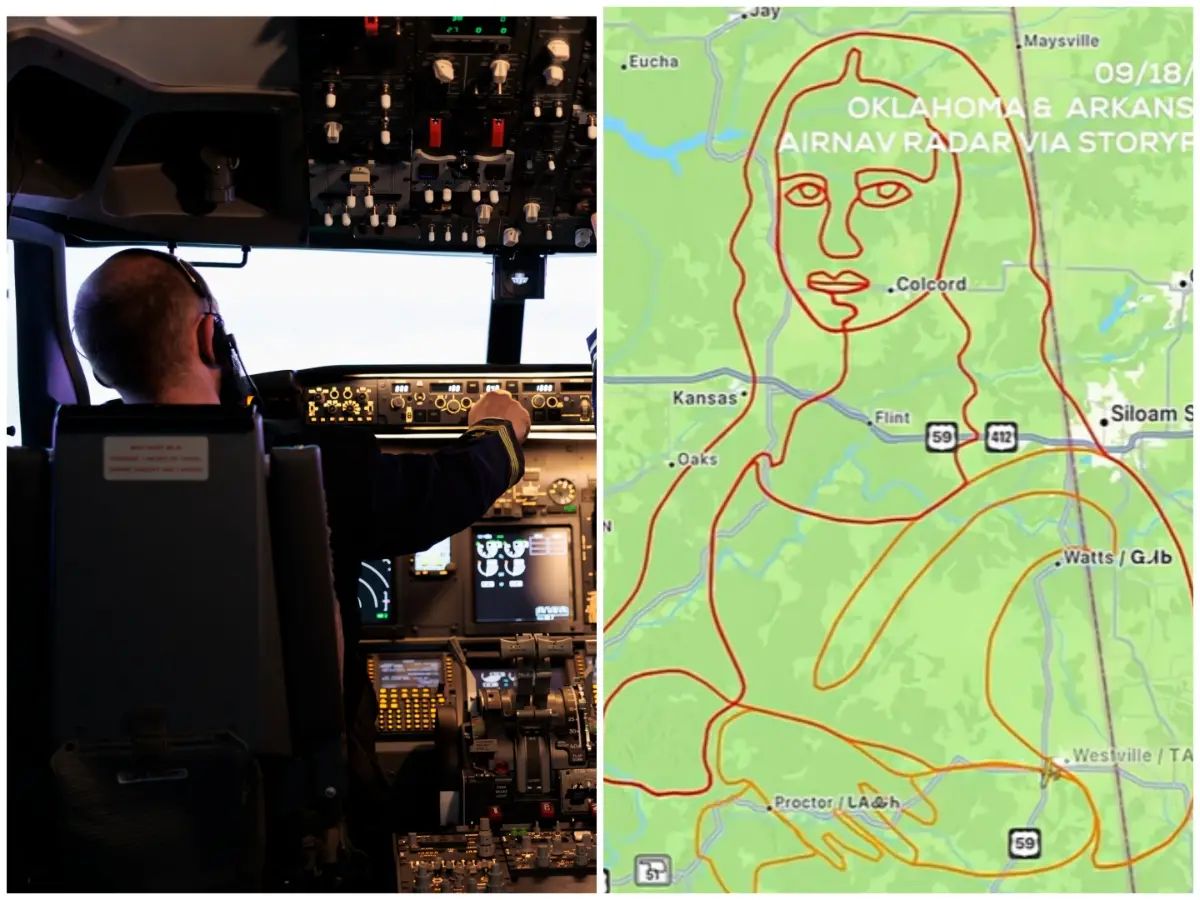)
Pilot recreates Mona Lisa in sky over Oklahoma and Arkansas in four-hour flight: VIDEO
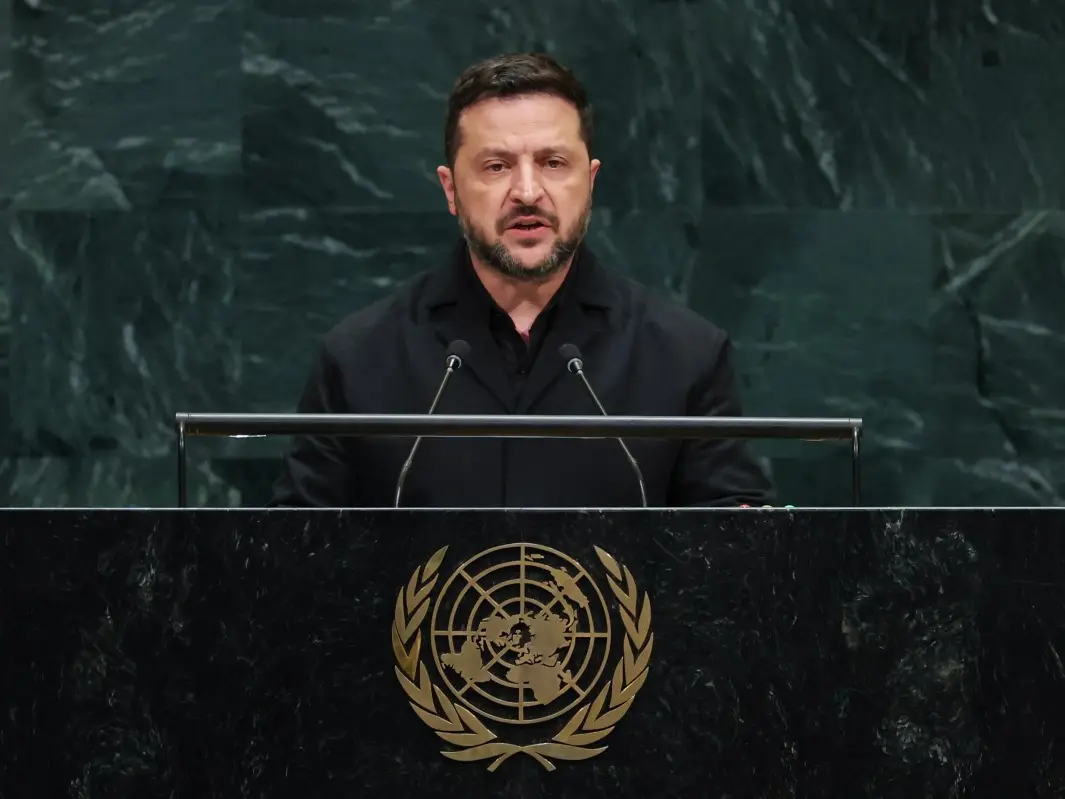)
'Putin is patient zero': Zelensky slams Russian president at UNGA, accuses him of using fighters from 47 countries
&im=FitAndFill=(700,400))
National Film Awards 2026: Kartik Aaryan, Mammootty, Yami Gautam, Randeep Hooda and other key winners
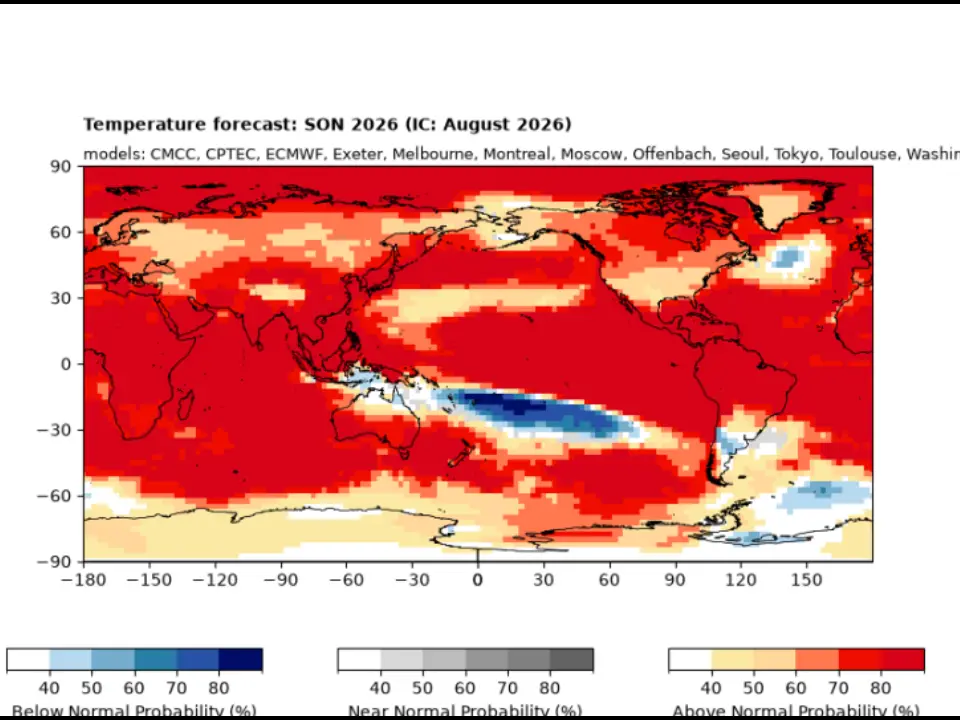)
El Niño 2026 heats up to become strongest in 1,000 years
)
Israeli envoy to US Yechiel Leiter’s son critically injured in West Bank ramming attack
&im=FitAndFill=(700,400))
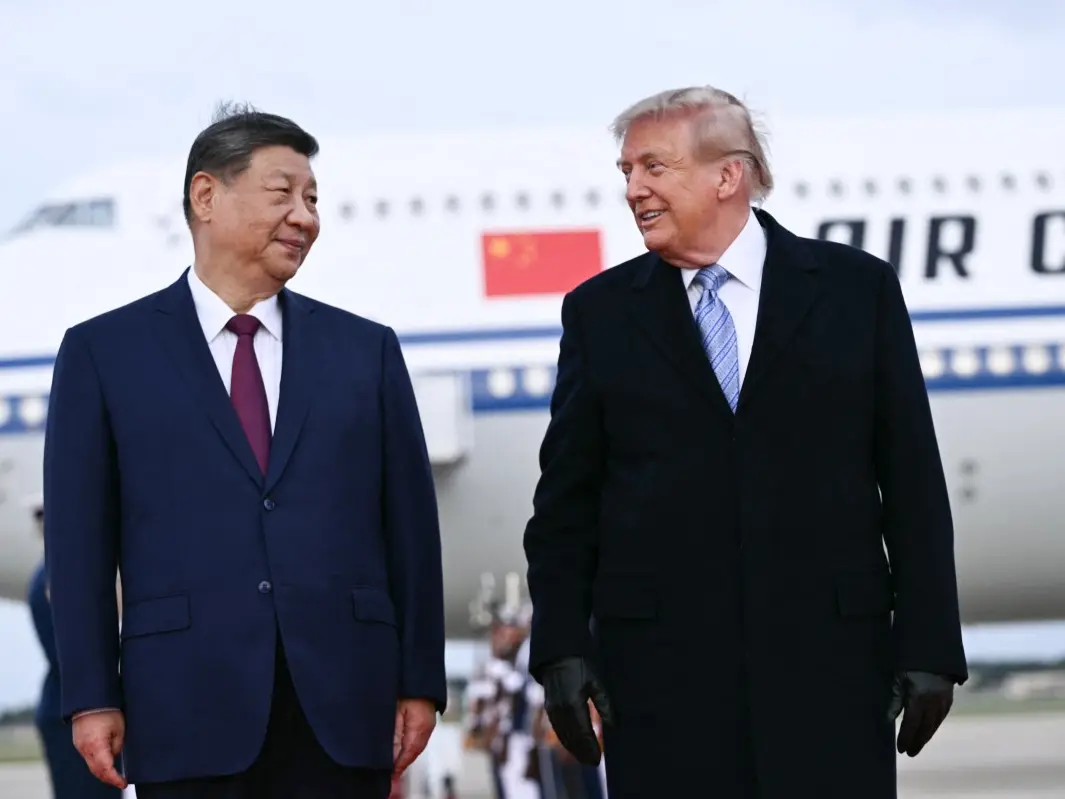
Trump welcomes Xi Jinping in rare airport gesture: Photos from Chinese President's arrival in US
)
Xi-Trump meeting: China’s human rights red line and past protests explained
India has successfully accomplishedmissions to study the Moon, Mars, and Sun, launching space probes. In addition to this, ISRO's rockets perform commercial missions to ferry customer satellites and earn revenue for the Indian government. ISRO also performs a host of missions to cater to the needs of India's defence forces, weather agencies, commercial users, Earth-imaging, strategic uses etc. However, all of these are being done with an annual budget that has hovered around $ 1.5 billion (Rs.12,500 crore). With grand ambitions, now the Indian government has also announced a commensurate hike in the budgetary allocations for these newly approved projects.
Chandrayaan-4
Following the successful lunar landing of Chandrayaan-3 in August 2023, ISRO is embarking on more challenging robotic lunar exploration missions. With the knowledge and experience gained from multiple robotic missions, ISRO can gradually gear up for human-led missions to the moon, given that India wants to land its astronauts on the moon by the year 2040 and return safely.
ISRO is expected to carry out the Chandrayaan-4 mission within 36 months, which is by September 2027. For this mission, the Indian government has allocated approximately $250mn or Rs2104 crore. The cost covers the development of two launches of India's largest rocket LVM3, external deep space network support (antennae), and special tests for design validation, finally leading to the mission of landing on the Moon's surface and safe return to Earth along with the collected lunar sample.
Bharatiya Anthariksh Station (BAS) or Indian Space Station
In less than a year, India will launch a humanoid robot to space on an Indian rocket and Indian capsule. The capsule will circle the Earth and return for a splashdown landing in the Indian Ocean. After successfully performing such robotic missions, India will launch astronauts to space and return them for a similar splashdown landing. There will be a total of four such missions. Titled Gaganyaan, this will be India's maiden homegrown astronaut mission. Further to this, India hopes to establish a long-term presence in space, which would mean setting up a lab that circles the Earth.
By 2028, India plans to launch the first unit of the country's independent space station. As part of testing and preparing technologies for the space station, India will perform four missions. Gradually, as the space station is expanded and readied, it will begin to host Indian astronauts from 2035. Thus far, only China operates its independent space station. The International Space Station is a multilateral effort involving the United States, Europe, Japan, Canada, and Russia.
The ongoing Gaganyaan effort has received additional funding of approx $1.4 billionor Rs.11,170 crore.This takes the total funding for the Gaganyaan Programme to approx $2.4 billion or Rs. 20,193 crore.
Mission to Orbit and Study Venus
Venus is the closest planet to Earth and is believed to have formed in conditions similar to Earth. India's ‘Venus Orbiter Mission’ is meant to circle the planet to observe and understand the Venusian surface and subsurface, atmospheric processes and the influence of the Sun on Venusian atmosphere.
The total fund approved for the Venus Orbiter Mission” (VOM), is approx $150 millionor Rs 1,236 crore. Out of this, Rs 824 crorewill be spent on the spacecraft. The above mission cost includes the development of the spacecraft including its specific payloads and technology elements, global ground station support cost for tracking and navigation, and the rocket launch cost. This mission is expected to be completed by 2028.
Next Generation Launch Vehicle (NGLV):India's Future Rocket
At present,India's largest rocket LVM3 can only carry 10 tons to orbits near the Earth, when it comes to travelling farther from the Earth, this lifting capacity falls down to 4 tons. This is highly inadequate considering India's big ambitions. Therefore, the Indian Government has approved the NGLV, a rocket that will have 3 times the present payload capability of LVM3, while costing just 1.5 times as much. This low cost will be achieved by using reusable technologies, efficient fuels etc.
Capable of carrying 30 tons to orbits near the Earth, the NGLV is expected to be developed by 2032. By then, ISRO is to complete three developmental flights of the rocket and showcase its capabilities. ISRO has been allocated approx $1bn or Rs.8240cr for the development, three developmental launches, facility establishment, and other activities related to the new rocket.
