Putin India visit: From defence to energy to fuel supplies, here are all the deals India-Russia have signed. See details

&imwidth=600&imheight=450&format=webp&quality=medium "Putin India visit: From defence to energy to fuel supplies, here are all the deals India-Russia have signed. See details")
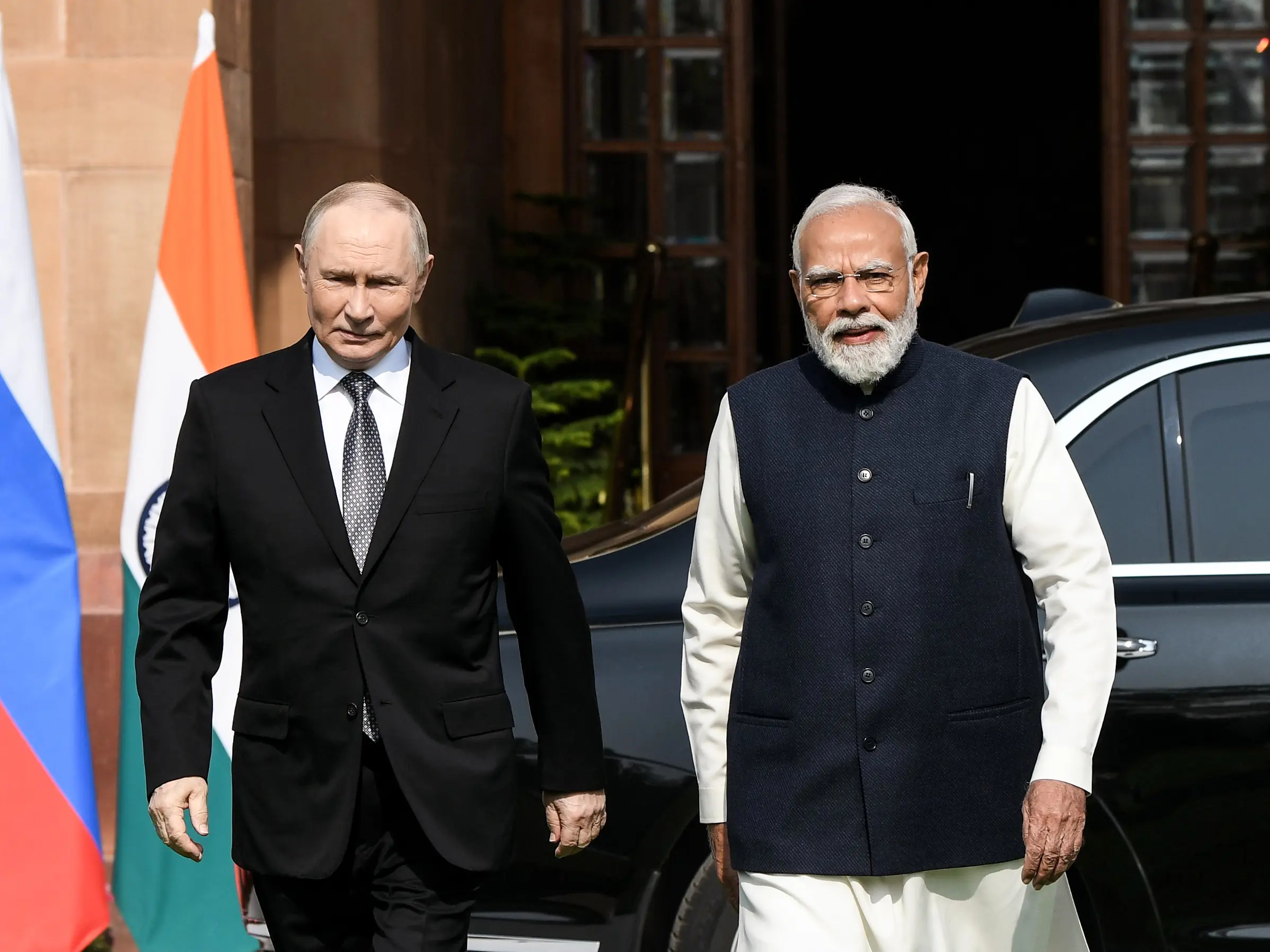
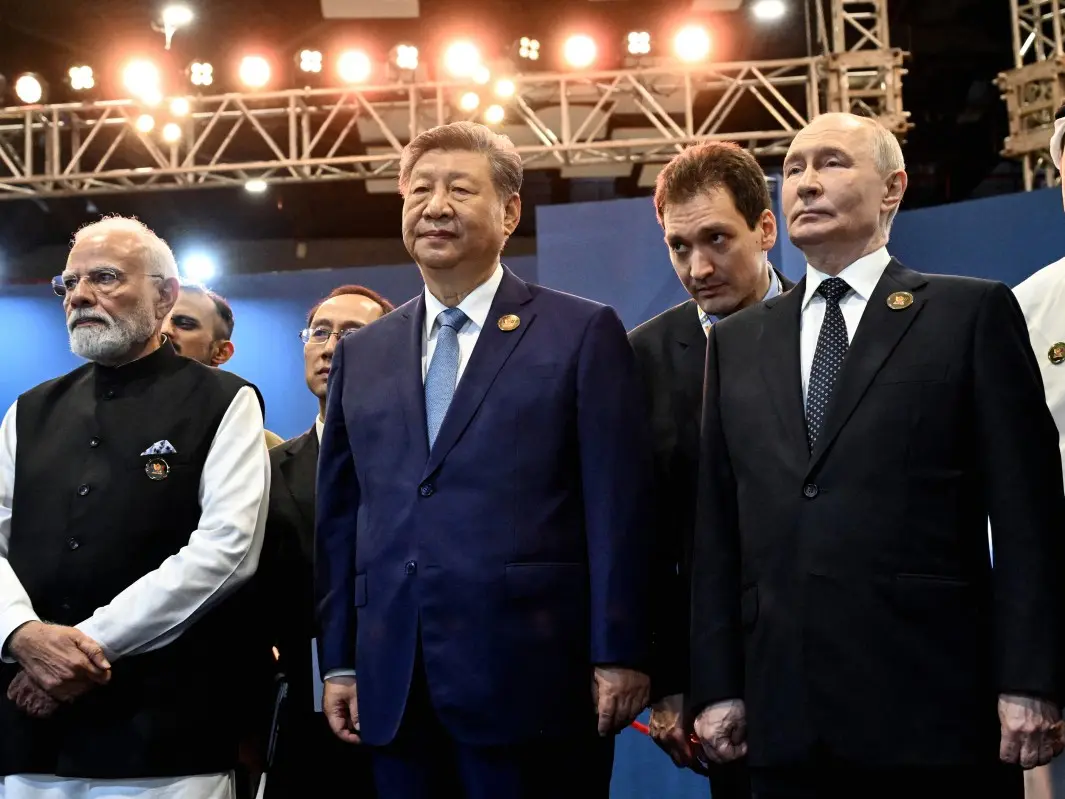
Prime Minister Narendra Modi and Russian President Vladimir Putin Photograph: (ANI)
Russia President Vladimir Putin is in India for his two-day visit, where he held talks with India Prime Minister Narendra Modi, looking to strengthen trade, defence and economic sector. WION takes a look at some of the key deals that has been signed between the two countries
On Friday (December 5), India Prime Minister Narendra Modi and Russia President Vladimir Putin announced Economic Cooperation Programme aimed at boosting trade and investment between the two countries till 2030. The announcement came during the 23rd India-Russia Annual Summit held at Hyderabad House in New Delhi, reflecting the strong bilateral ties that have endured various global challenges over decades.
In his remarks, PM Modi stressed on the enduring nature of India-Russia relations, describing them as “steadfast like a pole star.” He expressed that the partnership, based on mutual respect and deep trust, has withstood the test of time and several global shifts. Modi highlighted that the new Economic Cooperation Programme will aim to diversify and balance trade, ensuring its sustainability. Additionally, he showed optimism about the India-Russia Business Forum, scheduled to follow the summit, which will serve as a platform to enhance export opportunities, co-production ventures, and innovation between the two countries.
Modi further mentioned that both countries are actively working towards finalising a Free Trade Agreement (FTA) with the Eurasian Economic Union, which will expand economic ties. Reflecting on the historical progression of the partnership, he recalled that 25 years ago, President Putin laid the groundwork for a strategic relationship between India and Russia. Over time, this partnership was elevated to a "special and privileged strategic" status, which has been continually nurtured by Putin.
Here are the key agreements signed during the summit
Several agreements were signed across various sectors, further cementing the bilateral ties between India and Russia. Key highlights include:
- Energy cooperation: Russia reaffirmed its commitment to providing uninterrupted fuel shipments to support India's growing economy.
- Industrial partnerships: Indian firms inked a deal with Russia’s URALCHEM to set up a urea manufacturing plant in Russia.
- Food safety: India’s FSSAI and Russia’s consumer protection agency formalized agreements to strengthen food safety regulations.
- Healthcare cooperation: Memorandums of Understanding (MoUs) were signed to enhance collaboration in medical research and healthcare.
- Maritime logistics: An MoU was signed to bolster India-Russia collaboration in port and shipping operations.
- Migration and mobility: Both countries signed agreements to streamline migration and facilitate the movement of people between India and Russia.
Trending Stories
)
)
)
)
)
)
)
)
)
)
)
)
)
)
)
)
)
)
)
)
)
)
)
)
)
&im=FitAndFill=(700,400))
)
&im=FitAndFill=(700,400))
)
)
)
)
&im=FitAndFill=(700,400))
)
)
President Putin also highlighted joint efforts in building new international logistics routes and proposed future cooperation on small modular nuclear reactors and floating nuclear power plants.
Energy and strategic partnership
The energy and strategic partnership remain central to the India-Russia relationship. PM Modi emphasised that energy security plays a vital role in the partnership, especially in the fields of civil nuclear energy and critical minerals. Both leaders acknowledged the importance of these minerals in securing global supply chains and supporting the clean energy sector, high-tech manufacturing, and emerging industries.
The two countries also expressed mutual interest in Arctic operations, with India offering training to seafarers for polar conditions, thus opening up employment opportunities and strengthening bilateral cooperation in the region. Both leaders set their sights on increasing annual bilateral trade to $100 billion and highlighted the shift towards settling trade in national currencies, marking a significant step towards deeper economic integration.
Cultural and diplomatic engagements
The summit was preceded by a formal reception for President Putin at Rashtrapati Bhavan, where he received a tri-services guard of honour. This was followed by a visit to Rajghat, where Putin paid tribute to Mahatma Gandhi, further solidifying the cultural and diplomatic ties between the two countries.
Prime Minister Modi personally welcomed President Putin at Palam Airport, with a hug, which underscored their strong personal rapport. The two leaders shared a ride to the Prime Minister's residence, where Putin was gifted a copy of the Bhagavad Gita, symbolising the cultural connection between India and Russia.
Throughout the visit, President Putin is set to engage in various activities, including participating in the India-Russia Business Forum, launching the RT channel in India, and attending a state banquet hosted by President Droupadi Murmu. Putin also thanked PM Modi for India’s role in mediating the ongoing Ukraine conflict, calling the discussions “informative and useful.” Both leaders reiterated their shared commitment to combating terrorism, promoting regional stability, and collaborating on environmental conservation. Additionally, Russia agreed to join India in the International Big Cat Alliance, a further extension of their environmental cooperation.

