

&imwidth=800&imheight=600&format=webp&quality=medium "Passport, Aadhaar, Voter ID: What actually proves citizenship in India? WION Decodes")
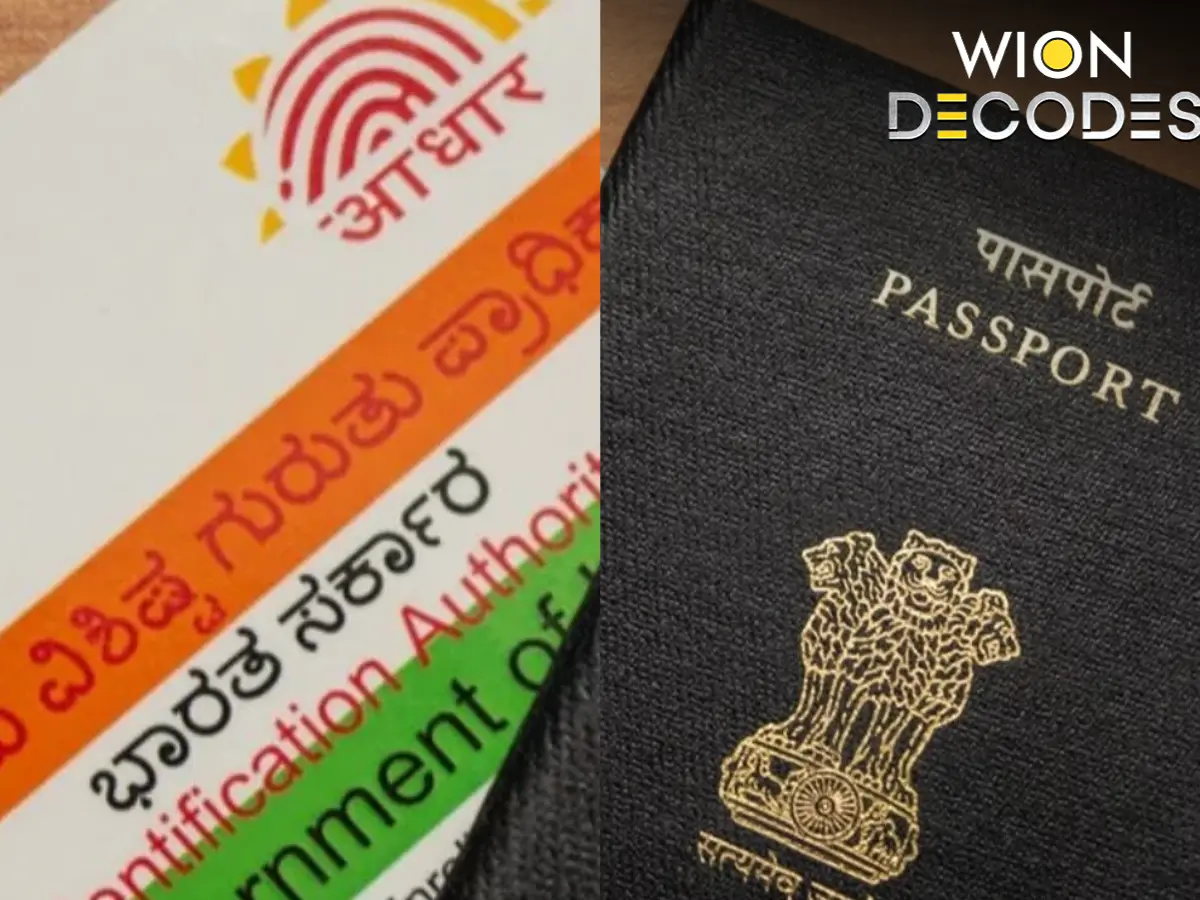
India's Ministry of External Affairs (MEA) said on Wednesday (June 25) that an Indian passport is primarily a travel document and does not serve as proof of citizenship. The statement caused major debate on social media with Indians asking what actually is the proof of citizenship in India. Opposition leaders and celebrities have also slammed the MEA asking if passport is simply a travel document then what exactly is a proof of citizenship. In India, there is no single document that serves as universal, conclusive proof of citizenship. Courts and the government have, time and again, clarified that while passports, Aadhaar cards, and voter IDs are issued only to citizens, they are proof of identity, not citizenship. WION attempts to decode what citizenship means in India
Who is an Indian citizen?
Under Indian citizenship laws, people born in India between January 26, 1950, and July 1, 1987, are considered citizens by birth. For those born between July 1, 1987, and December 3, 2004, at least one parent must be an Indian citizen. People born on or after December 3, 2004, qualify as citizens by birth only if both parents are Indian citizens, or if one parent is a citizen and the other is not an illegal immigrant. According to laws, one is considered Indian citizen if he/she has acquired citizenship through registration by Persons of Indian Origin (PIOs) who have been ordinarily resident in India for at least seven years before applying, as well as by individuals married to an Indian citizen who have lived in India for seven years prior to the application. Citizenship may also be granted through naturalisation to foreigners who are not illegal migrants. To qualify, an applicant must have resided in India or served the Government of India for 12 months immediately preceding the application and for at least 11 of the previous 14 years.
Also Read: World’s top 10 most powerful passports in 2026 revealed: Check where India ranks on the Index?
Why is passport not a proof of citizenship?
MEA clarified that passport is a travel document. Under Section 5, a passport authority issues passport only after verifying that the applicant is a citizen of India. However, it may not be a proof because the document exists to grant permission to travel abroad and return to India. It acts as a document taht establishes your nationality internationally, but it does not conclusively determine your underlying citizenship status. Before MEA's statement, speaking at the 14th Passport Seva Divas to mark the expansion of services, an official had also clarified that the document has legal limits.
Trending Stories
&imwidth=180&imheight=135&format=webp&quality=medium)
Viral video shows cross falling on Colombia priest, no official confirmation | WATCH
&imwidth=180&imheight=135&format=webp&quality=medium)
Shikhar Mohan earns maiden India A call-up, replaces KL Rahul
&imwidth=180&imheight=135&format=webp&quality=medium)
AI slop or smart strategy? South African author Coral Hart defends Her 370 AI- assisted books in 20 months
&imwidth=180&imheight=135&format=webp&quality=medium)
Two BrahMos missiles on Tejas, triple the range and 100% indigenisation, says former BrahMos CEO
&imwidth=180&imheight=135&format=webp&quality=medium)
India-China face-off continues near Arunachal’s Taksing, reveals ITBP chief in first official confirmation of tensions
&imwidth=180&imheight=135&format=webp&quality=medium)
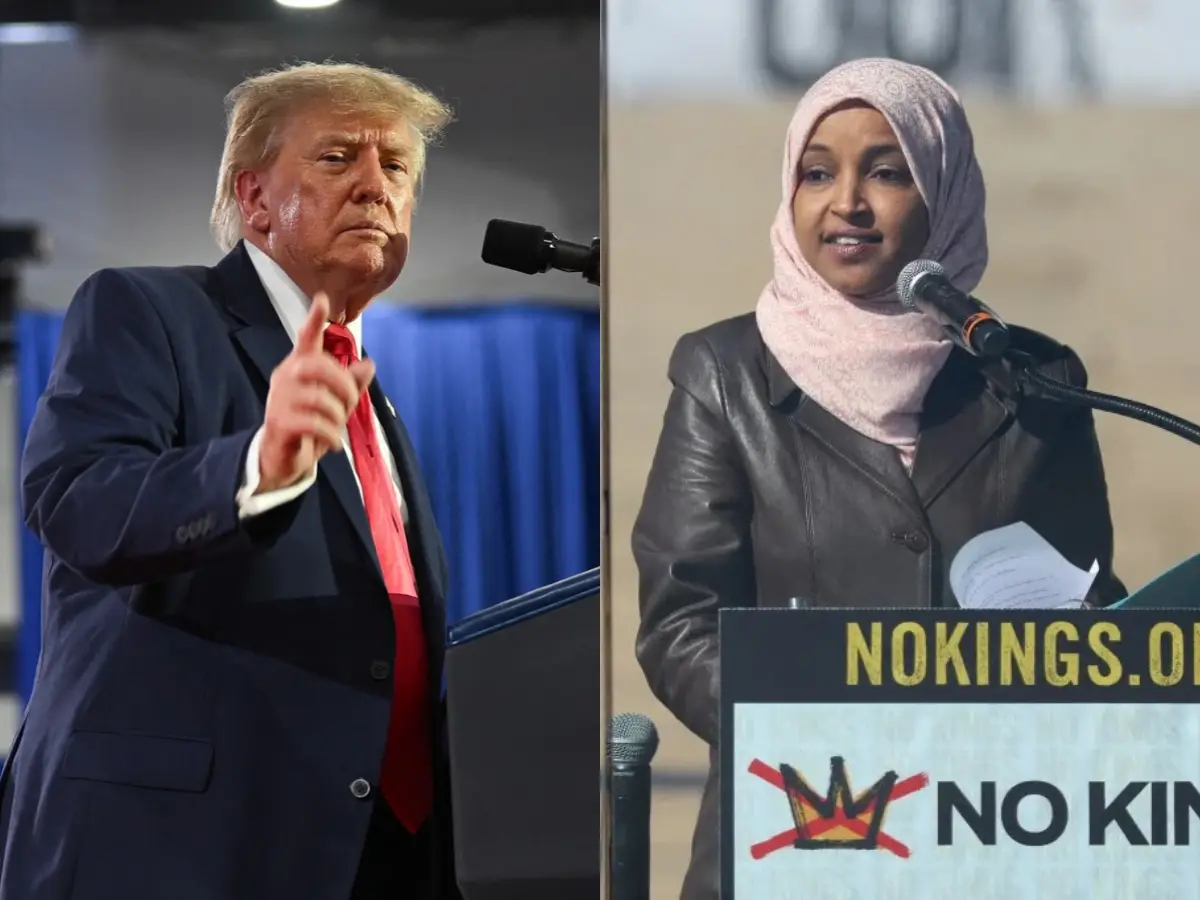
Ilhan Omar breaks silence over alleged marriage to her brother; Trump thinks it's 'really good answer'
&imwidth=180&imheight=135&format=webp&quality=medium)
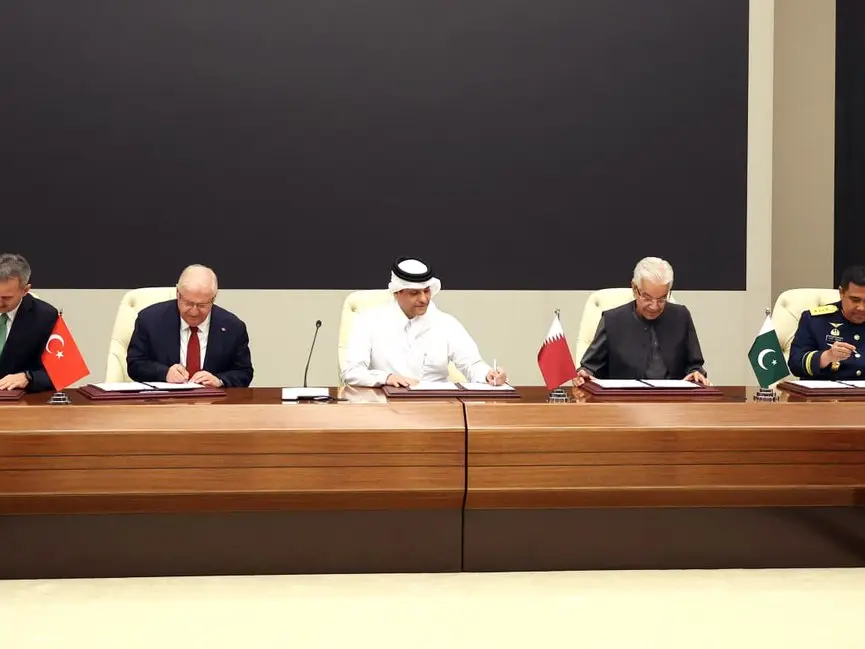
Pakistan signs another defence pact even as Makkah Alliance shows no teeth. This time, it's with Qatar, Indonesia, Turkey
&imwidth=180&imheight=135&format=webp&quality=medium)
WATCH: Trump demands Ilhan Omar removal from Congress for 'using fake name to be sworn in'. So what is her real name?
&imwidth=180&imheight=135&format=webp&quality=medium)
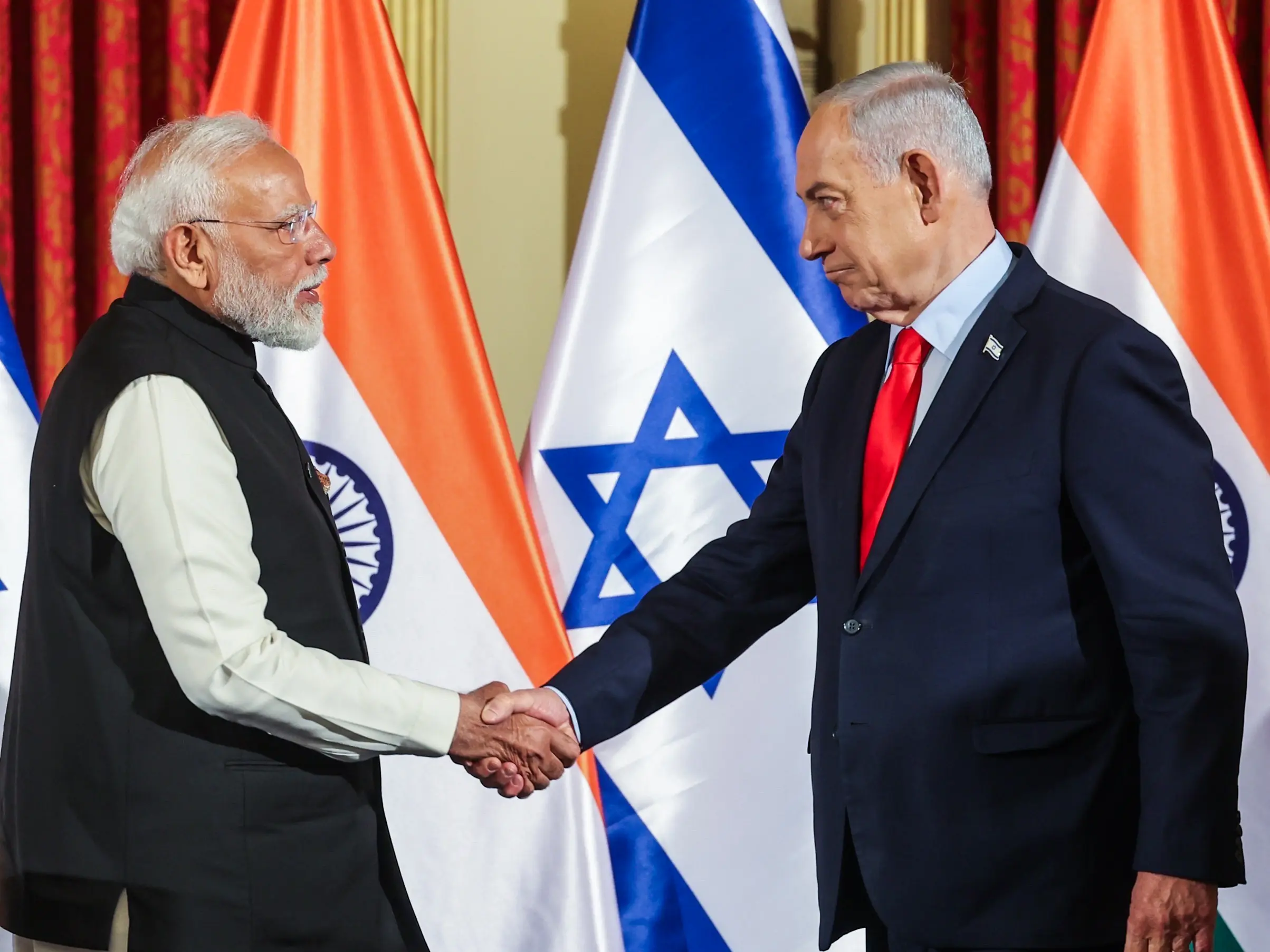
Netanyahu dials PM Modi, invites him and Capt Smit Machchhar to light torch on Israel’s Independence Day
&imwidth=180&imheight=135&format=webp&quality=medium)
Christa Pike's failed execution: Tennessee team struggled to insert IV lines, lawyer says
&imwidth=180&imheight=135&format=webp&quality=medium)
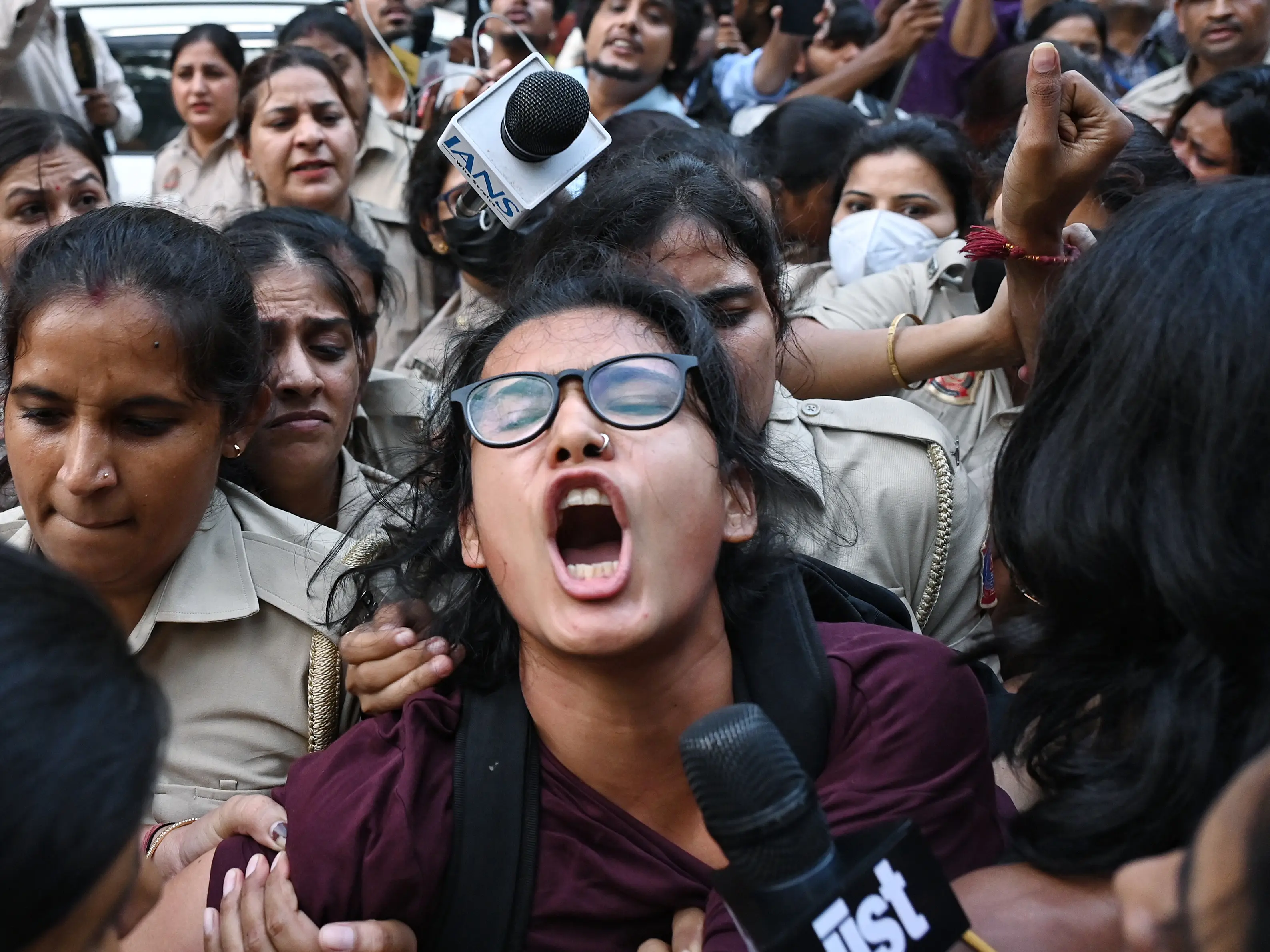
Did Neha Bora call for Bangladesh-like GenZ protest, 'anarchy' in India? WION Fact-checks viral claim
&imwidth=180&imheight=135&format=webp&quality=medium)
US midterms 2026: US Supreme Court allows New Hampshire to restrict student IDs for voting
&imwidth=180&imheight=135&format=webp&quality=medium)
A secret code, a midnight escape and 300 deaths: The Russian officer who turned on Putin
&imwidth=180&imheight=135&format=webp&quality=medium)
'Completely insane, never happened': Trump's son-in-law denies allegations of secret dealings with Saudi, UAE
&imwidth=180&imheight=135&format=webp&quality=medium)
Trump ordered to answer questions under oath in BBC defamation lawsuit by December 11
&imwidth=180&imheight=135&format=webp&quality=medium)
Putin says Russia is ready to resume Ukraine-US peace talks but rejects 'short ceasefire' amid deadly attacks
&imwidth=180&imheight=135&format=webp&quality=medium)
Horrific video shows the moment 18-year-old fell to her death from Mexico amusement park ride
&imwidth=180&imheight=135&format=webp&quality=medium)
From Agni-V to Project Kusha: How are India’s indigenous missile systems and defence shield reshaping modern warfare
&imwidth=180&imheight=135&format=webp&quality=medium)
'It's a crime not to see this scene': Tehran puts Trump 'behind bars'
&imwidth=180&imheight=135&format=webp&quality=medium)
What is the ‘heat ray’ weapon? Pete Hegseth reportedly authorises DHS to test it at US-Mexico border
&imwidth=180&imheight=135&format=webp&quality=medium)
Meghan Markle’s father Thomas under investigation over alleged child abuse images: Report
&imwidth=180&imheight=135&format=webp&quality=medium)
SA vs AUS 2nd Test: Temba Bavuma reveals 'Tendulkar inspiration' behind career-best 179
&imwidth=180&imheight=135&format=webp&quality=medium)
China's dancing robot turns violent bodyguard, lifts cars and fights intruders - Watch
&imwidth=180&imheight=135&format=webp&quality=medium)
Watch: India rejects ‘imprecise and unsupported’ references in UN migrant rights report
&imwidth=180&imheight=135&format=webp&quality=medium)
US to get 850 F-35 stealth fighter jets under 10-year Pentagon-Lockheed deal
&imwidth=180&imheight=135&format=webp&quality=medium)
GRAVITAS | Putin fires nuclear-capable hypersonic missiles, Zelensky ready to surrender 25% territory
&im=FitAndFill=(700,400)&imwidth=180&imheight=135&format=webp&quality=medium)
New Friday OTT releases (October 23, 2026): Gajab Raat, Dorothy, Chaar Yaar- Watch these 6 new movies and TV shows on Netflix, Prime Video and more
&im=FitAndFill=(700,400)&imwidth=180&imheight=135&format=webp&quality=medium)
Serbia elections: Nearly 150,000 people take to streets in massive rally against Aleksandar Vucic | In pics
&imwidth=180&imheight=135&format=webp&quality=medium)
BCCI’s CoE cautious over Hardik Pandya’s fitness, sets expected comeback timeline
&imwidth=180&imheight=135&format=webp&quality=medium)
'This is despicable': Amy Acton hits back at Vivek Ramaswamy over Ohio campaign ad featuring her estranged mother
&imwidth=180&imheight=135&format=webp&quality=medium)
First Lady Melania Trump secures ceasefire between Russia, Ukraine in Oleshky: White House
&imwidth=180&imheight=135&format=webp&quality=medium)
Finance influencer dies by suicide in Chennai; father accuses tech CEO, who denies charge
&imwidth=180&imheight=135&format=webp&quality=medium)
'Vivek should keep it up': Trump defends Ramaswamy's controversial campaign ad targeting Amy Acton
&imwidth=180&imheight=135&format=webp&quality=medium)
One man, 8 months of work, and a river dirty again: Why Bittu Tabahi may quit
&imwidth=180&imheight=135&format=webp&quality=medium)
450 villagers in UP rush to take anti-rabies shots after consuming 'charnamrit'
&imwidth=180&imheight=135&format=webp&quality=medium)
US midterms 2026: Elon Musk’s political spending hits $445 million as Republicans battle to retain Senate control
&imwidth=180&imheight=135&format=webp&quality=medium)
ENG vs SL: Harry Brook breaks Shubman Gill’s record for fastest ODI double century
Also Read: What is Pakistan’s 'except Israel' passport rule in spotlight amid Trump’s Israel recognition call?
Do Aadhaar or any other document qualify as citizenship proof?
Aadhaar card is not proof of citizenship because it is legally defined as a proof of identity and residence, not nationality. The Unique Identification Authority of India (UIDAI) issues Aadhaar under the Aadhaar Act of 2016 to establish identity using biometric data. In a 2025 case, the Supreme Court of India said that it is not an evidence for citizenship. Hearing the Bihar special intensive revision case, a bench of Justices Surya Kant and Joymalya Bagchi issued a ruling on 12 August 2025. "The use of Aadhaar while filing claims and objections would strictly be as proof of identity and not as evidence of Indian citizenship," the bench said. Moreover, any individual who has resided in India for a period or periods amounting to 182 days or more in the 12 months immediately preceding the application date is eligible for an Aadhaar. That is not the criteria for citizenship.
Other documents like PAN card or voter ID card are also not proof of citizenship as they are defined to serve different purpose. A PAN card which means Permanent Account Number card is a financial and tax identifier document issued by the Income Tax Department to any entity paying taxes in India, including foreign nationals, non-resident individuals, and foreign corporations. It holds zero legal weight regarding nationality. Similarly, voter ID is considered as a document that is a proof of an entry on an electoral roll, which can be challenged or revoked if fraud is detected. In a 2025 Babu Abdul Ruf Sardar v. State of Maharashtra case, Bombay High Court's Justice Amit Borkar strictly ruled that merely possessing documents like a Voter ID, Aadhaar, or PAN card does not automatically confer citizenship. The court noted these are identity documents for availing services but cannot override the foundational rules of the Citizenship Act, 1955.
The issue remains complicated
India does not have a single, universal, standalone "National Citizenship Card". The issue remains a confusing one as the government's Press Information Bureau while addressing a query on the National Register of Citizens on 20 December 2019 said, “Citizenship can be proved by submitting any documents related to date of birth and place of birth. However, a decision is yet to be taken on such acceptable documents.” The latest statement by the MEA and analysis of past statement clearly shows that the law differentiates between identity and citizenship.

