Opinion: Modi's speech indicates his fight to nail the Gandhis

Narendra Modi
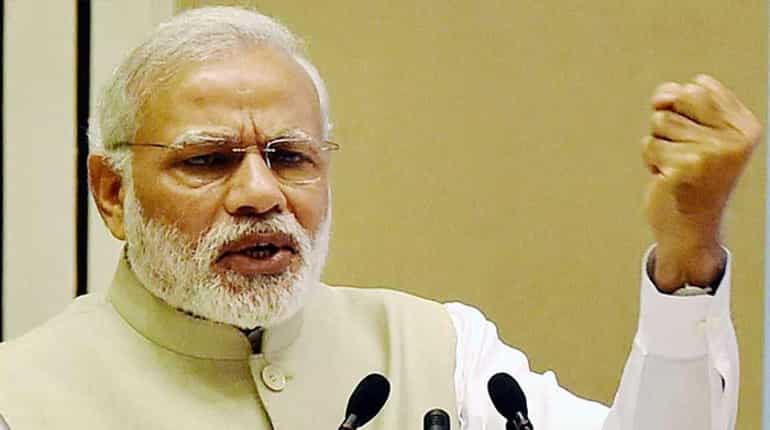
Modi made it amply clear in his speech that the principle fight of RSS-BJP is not with the Congress but with Gandhi family.
Prime Minister’s Narendra Modi’s speech is being described in terms of what it should have been or could have been. The story of his speech neither lies in his attack on the Congress nor on the historical veracity of the facts he dished out or in the tone and tenor he deployed. His speech acknowledged what RSS, for long, has been articulating what it interpreted as historical right and wrong of contemporary Indian history.
Modi articulated the principal ideological underpinning of the RSS in his speech with strong electoral messaging. On Wednesday, he simply stamped his authority on issues which, in general, have been kept aside during the Parliamentary sessions.
Modi made it amply clear in his speech that the principle fight of RSS-BJP is not with the Congress but with Gandhi family. For this reason, Prime Minister Modi has been consistently raising the issue of dynasty.

It is for this reason, the attack of the argument had a span of 50 years, covering all the Gandhi’s. He, in one breath, started from Nehru, then added Kashmir and ‘what if’ Sardar Patel would have become the first Prime Minister of the country.
The content becomes irrelevant here. It ignores the fact that Sardar Patel himself acknowledged the leadership of Nehru despite the age difference and Nehru being a natural successor. The speech was about possible subterfuge. The historical facts become irrelevant; the fact that Sardar Patel’s relationship with Nehru was that of a companion and not that of an aggrieved person comes to of no use.
For the same reason, it does not matter that politics has been positioned as a wish- as historical wrong- which cannot be corrected but repented in public. In the same breath, the issue of Rahul Gandhi and Cabinet papers came up. It is for this reason, Bofors, Davos, emergency and corruption cases were argued in the context of the family.
)
Trump-Xi Summit: Trade, Taiwan and the red lines shaping US-China talks | Race To Power
)
US citizen injured in Illinois after ICE agents mistook him for fugitive, hospitalised
)
US judge questions Trump’s decision to ban CNN, MS NOW and Politico from White House
)
Afghan woman cyclist who disguised herself as a boy to escape Taliban, wins Asian Games medal
)
Italy hit by floods in the north, drought in the south
)
'There will be elections': Venezuela's interim leader Delcy Rodriguez makes big announcement at UN
)
Would you date an AI? South Korea’s My AI Partner: Strange Love sparks buzz on relationship and intimacy
)
'Arrogant parasites': Milei blasts UN over Falklands dispute, warns Argentina will ‘take matters into our own hands’
)
IIT Bombay CCTV footage emerges: Sahil Wakode seen looking at phone in examination hall
)
Cyclone Arnab: Landfall expected before midnight tomorrow as IMD issues orange alerts across six states
)
9 killed, several injured as tourist bus catches fire on Yamuna Expressway
)
NBA player Steven Adams shares hilarious GTA VI theory
)
WION Iconic Tourism Summit 2026: Union Minister Shekhawat on 'experiential travel', peace diplomacy
)
'AI got into my speech': Prince Harry jokes after teleprompter failure at event in New York
)
Scientists detect first radio signals directly from faraway planet
)
China to test supersonic jet that moves at Mach 2, double the speed of sound
)
WION Iconic Tourism Summit: 'Hanuman Ansh' Director on blockbuster success
)
'Partners rather than rivals': Xi Jinping's first message after landing in US for Trump summit
)
WION Iconic Tourism Summit: Is India's travel boom outrunning its airports, airlines and hotels?
)
IIT Bombay student suicide case: CCTV from the exam hall hours before suicide
)
2,000-foot tube, laser tests and more: China builds towns to expand nuclear arsenal, satellite images show
)
French court upholds decision to send PSG and Morocco footballer Hakimi to rape trial
)
WION Iconic Tourism Summit and Awards 2026: Key voices to discuss India’s tourism future
&im=FitAndFill=(700,400))
New OTT releases this week (September 21-27, 2026): Shaque: Trust No One, Hunkkaar, Don’t Be Shy- 5 new titles coming to Netflix, Prime Video and more
)
WATCH | China President Xi Jinping lands in US as Trump greets him ahead of high-stakes summit
)
Australian PM Anthony Albanese calls OpenAI AI incident 'unacceptable' after restricted data access
)
Claude Opus 5.5 is here: Anthropic claims it can finish a 680,000-line code migration in less than a day
)
'What kind of confession is this?': Pakistan PM Shehbaz Sharif’s 'terrorists would be roaming New York' remark goes viral, raises alarm online. Watch
)
WION Iconic Tourism Summit: How local tourism MSMEs must upskill for AI integration
)
Eight USS Abraham Lincoln sailors attempted suicide, Acting Navy Secretary says
)
Trump’s Board of Peace unveils $2.45bn Gaza plan,66 projects: But where’s the money?
)
EC appointment law: Why is the 2023 act controversial, and what happens next? WION explains
)
'Putin is patient zero': Zelensky slams Russian president at UNGA, accuses him of using fighters from 47 countries
&im=FitAndFill=(700,400))
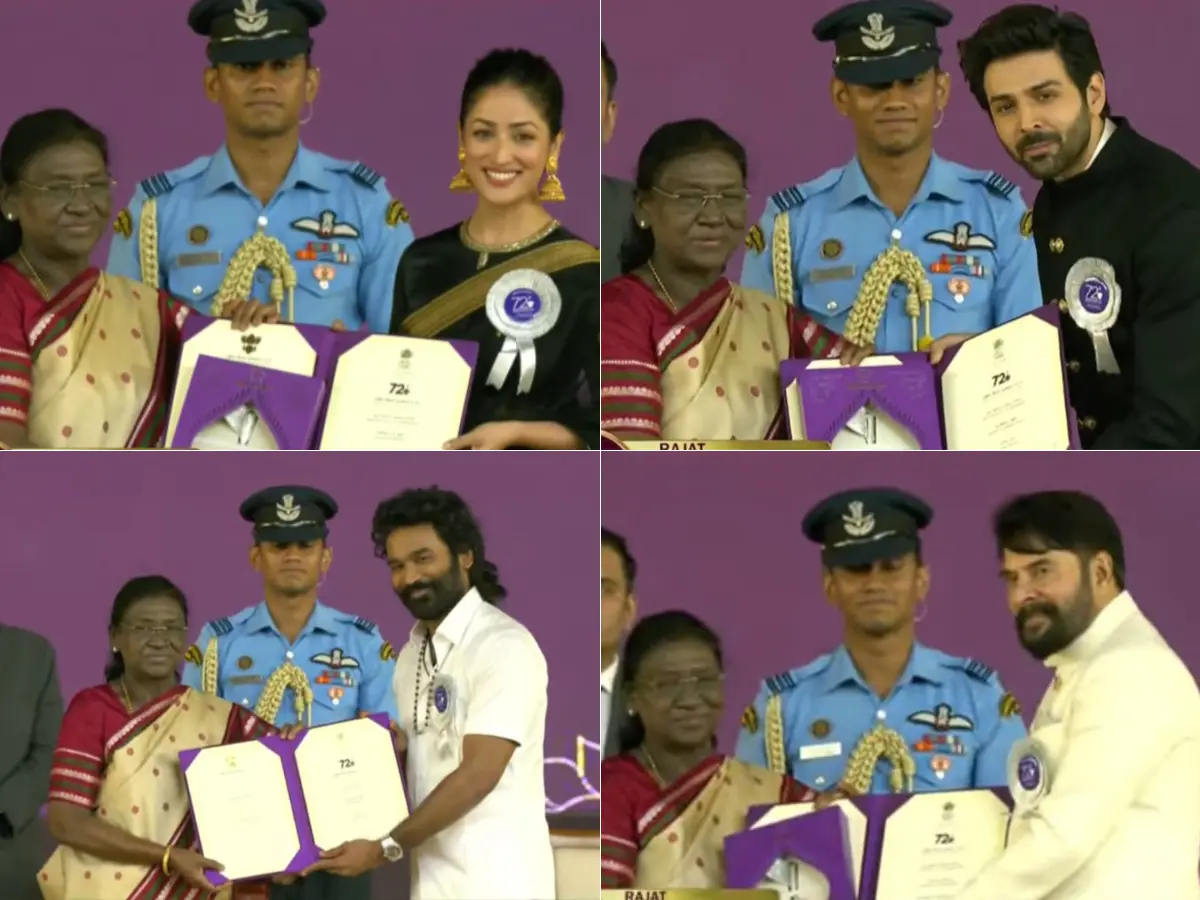
National Film Awards 2026: Kartik Aaryan, Mammootty, Yami Gautam, Randeep Hooda and other key winners
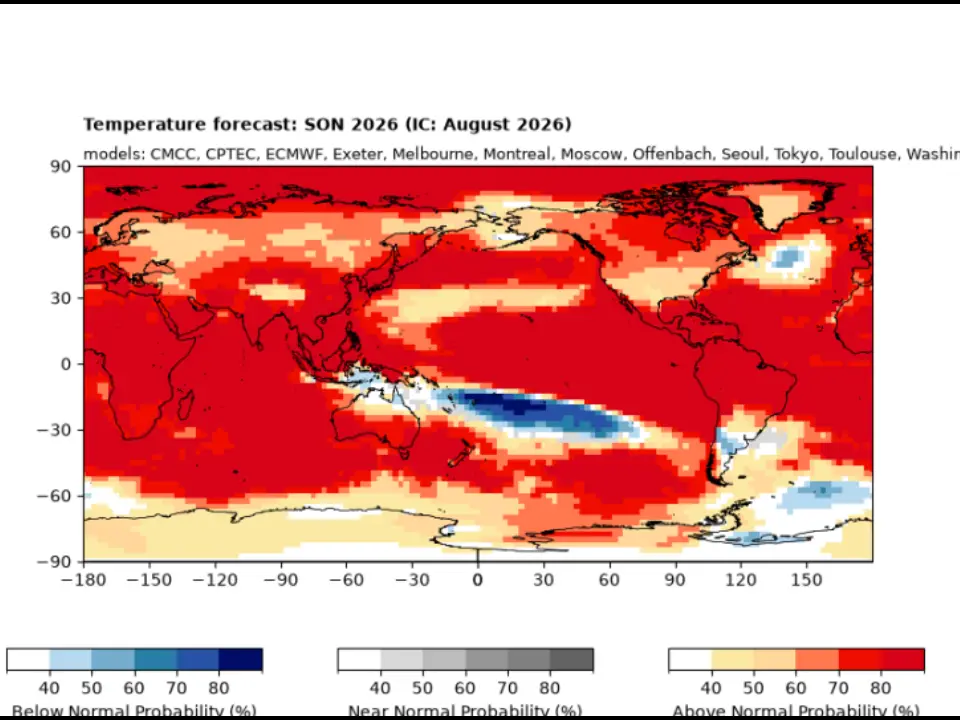)
El Niño 2026 heats up to become strongest in 1,000 years
)
Israeli envoy to US Yechiel Leiter’s son critically injured in West Bank ramming attack
&im=FitAndFill=(700,400))
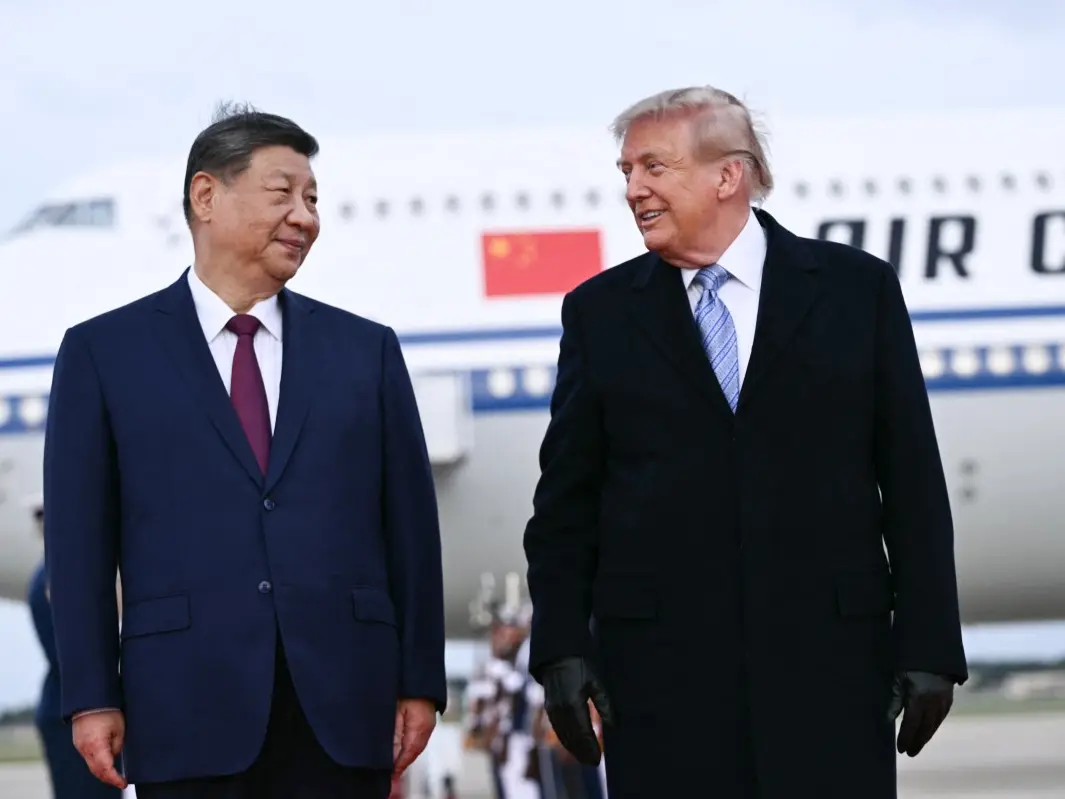
Trump welcomes Xi Jinping in rare airport gesture: Photos from Chinese President's arrival in US
)
Xi-Trump meeting: China’s human rights red line and past protests explained
The subtext of the attack is that penance should come from marginalisation of the Congress as a political entity and not simply from defeating it electorally.
The point to be noted is that he ignored the barbs thrown by the TDP in the house. Instead, he appealed to the Telugu sentiment by evoking the issue of division of Andhra Pradesh and Rajiv Gandhi’s meeting with the Congress Chief Minister on the tarmac. This brings us to the politics of slur and attribution. The context of Rajiv Gandhi’s meeting with then CM was different but the historical memory continues to be embedded in the issue backward caste politics. For Modi, it becomes even more important because of the election in Karnataka where BJP is still struggling. Coming back to the issue of slur, it is a throwback from the days when the word ‘Sanghi’ was used as an abuse. Today, ‘Congressi’ has acquired the attribution and should be a cause of great concern for the Congress Party.
Lastly, Modi’s political outrage in the Parliament reflects modest but important success of Rahul’s politics.
Post-2015, Rahul Gandhi has taken an issue and pilloried BJP with it. Whether it was the jibe of suit boot ki Sarkar, or Vemula’s issue, or GST and now Rafale, Rahul Gandhi did not let the issue be drowned in the discourse of national vs anti-national barring self-goals engineered by his own party.
On the other hand, the prime minister has reacted on the issues either by correcting the position by sewing a new strategy or by going for a blistering attack against Congress and Rahul. After suit boot, he gave away the suit which subsequently got auctioned.
After Gujarat, he immediately shifted his focus to the rural sector and utilised the Budget to address the issues raised by the Opposition. But during the same election, he made it about us vs them and dynasty. If his speech in Parliament is an indication of the tenor of BJP’s future electoral politics, it also reflects its current anxiety in the context of Rajasthan and Gujarat results which parties like the TDP and Shiv Sena are waiting to exploit.
(Disclaimer: The opinions expressed above are the personal views of the author and do not reflect the views of ZMCL)