No takers for Kashmir during Pakistan FM Dar's chairmanship of UNSC

&imwidth=600&imheight=450&format=webp&quality=medium "No takers for Kashmir during Pakistan FM Dar's chairmanship of UNSC")
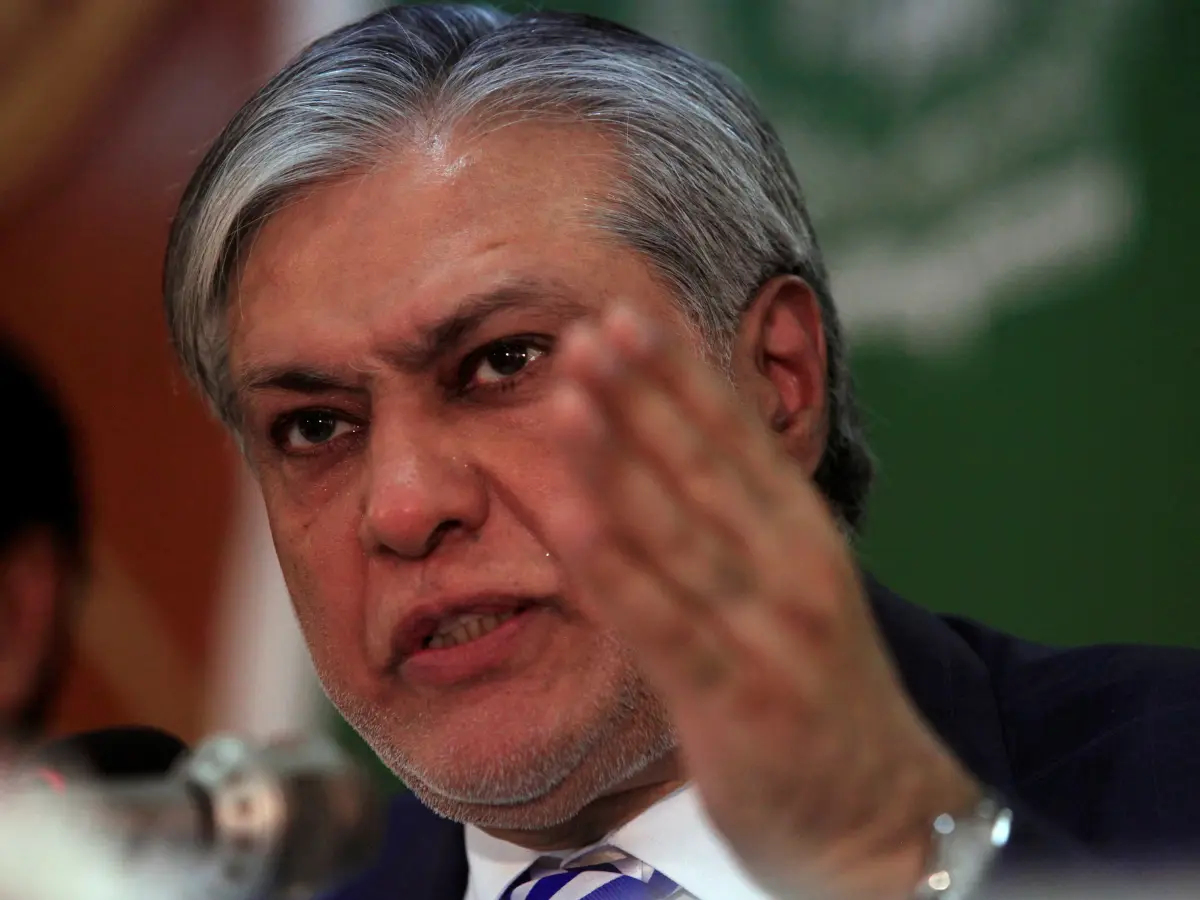
Pakistan's foreign minister Ishaq Dar Photograph: (Reuters)
Pakistan’s repeated attempts to raise Kashmir at the UNSC have historically faltered, as most council members view it as a bilateral matter. Monday’s debate was no exception, with Pakistan’s agenda failing to gain momentum beyond Türkiye’s endorsement.
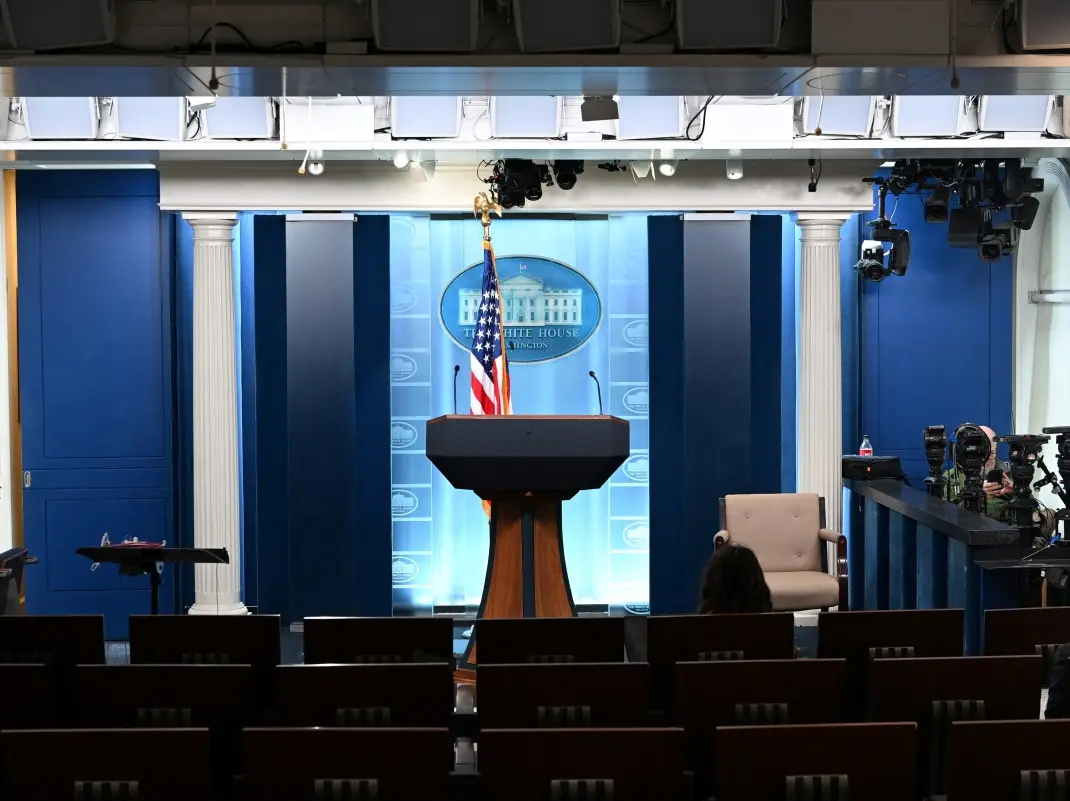
Attempts to rake Kashmir at the United Nations Security Council (UNSC) on Monday, under the chairmanship of Pakistan's foreign minister Ishaq Dar, fell flat. The effort met with little traction, as only Türkiye mentioned Kashmir, while major powers and permanent members of the council – the United States, China, Russia, France, and the United Kingdom – refrained from directly referring to it.
Pakistan is a non-permanent member of the UNSC for a 2-year term, ending in December of next year, and for the current month is the chair of the council. Under its chairmanship, it is holding two open debates, one of which took place on Monday under the theme “Promoting International Peace and Security through Multilateralism and the Peaceful Settlement of Disputes.” Pakistan is expected to hold another open debate this week.
During his opening address, Foreign Minister Dar not only raised Kashmir but also India's decision to suspend the Indus Waters Treaty. The treaty was put in "abeyance" by India after the April Pahalgam terror attack by Pakistan-trained terrorists. Dar said, "Jammu and Kashmir remains one of the oldest disputes on the agenda of the UN Security Council....", adding that the Indus water treaty has "withstood periods of trials and tribulations in bilateral relations...".
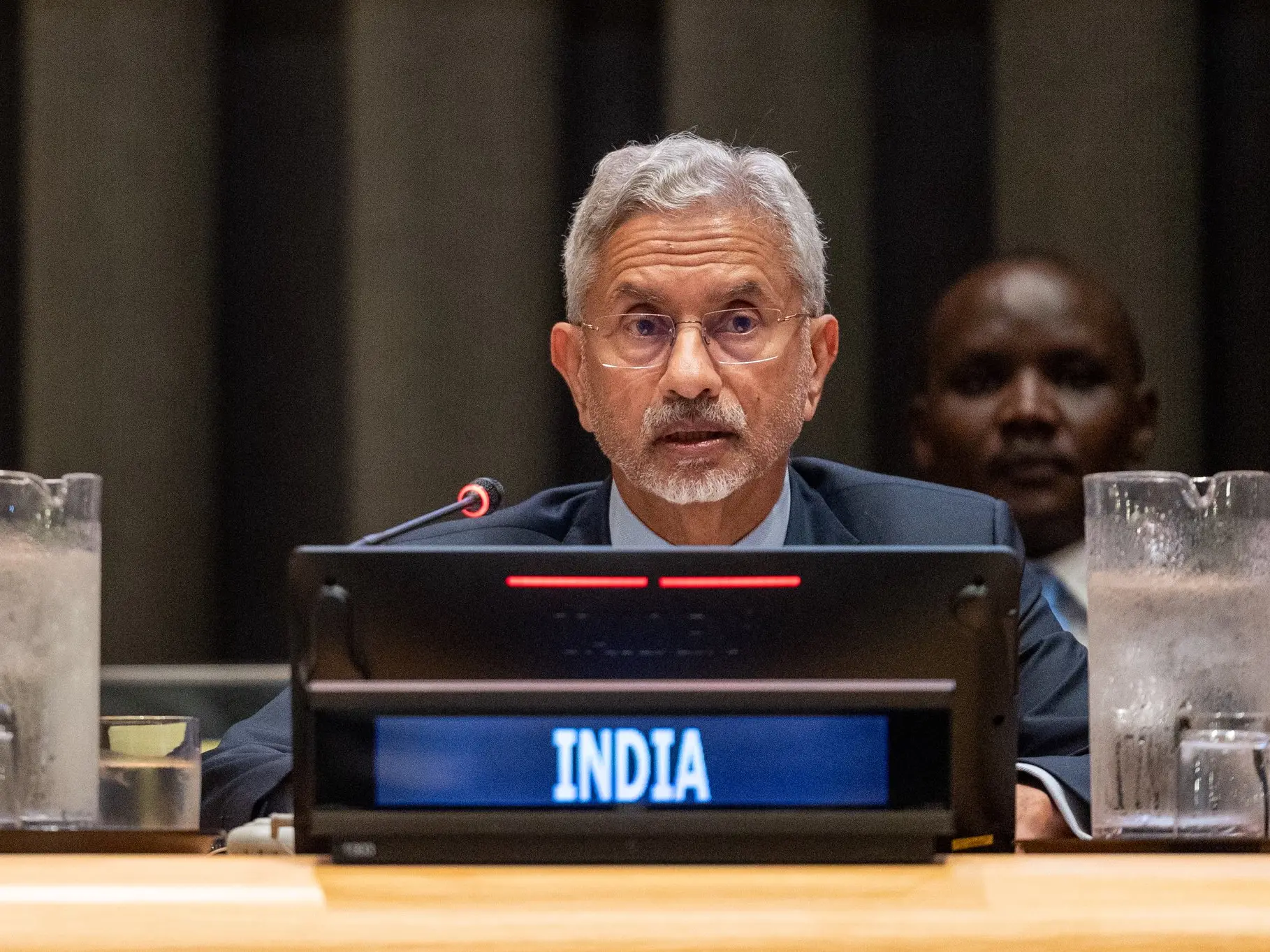
India was quick to dismiss the Pakistani comments. Pointing to India's "zero tolerance for terrorism" India's Permanent Representative of India to the United Nations, Ambassador Parvathaneni Harish, said, “it ill behoves a member of the Council to offer homilies while indulging in practices that are unacceptable to the international community.”
India’s position on Kashmir has long rested on the 1972 Simla Agreement and the 1999 Lahore Declaration, both of which mandate bilateral resolution of disputes between the two nations. Pakistan’s repeated attempts to raise Kashmir at the UNSC have historically faltered, as most council members view it as a bilateral matter. Monday’s debate was no exception, with Pakistan’s agenda failing to gain momentum beyond Türkiye’s endorsement.
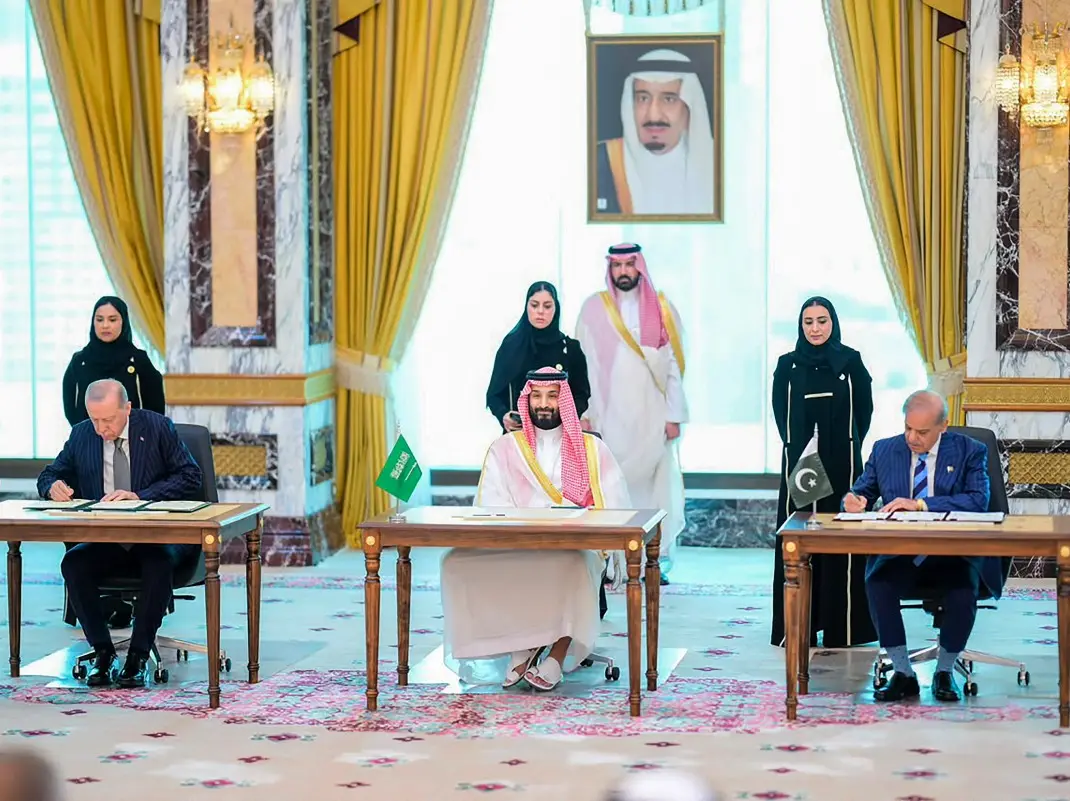
The Turkish diplomat at the meeting said, "In South Asia, the Kashmir issue remains one of the longest-standing unresolved international disputes and obstructs Pakistan-India relations to the extent of triggering military clashes. We firmly support a just and lasting resolution through constructive dialogue between the parties". The Turkish stance comes amid Erdogan's support for Islamabad during the May conflict, including the usage of Turkish drones against India.
Trending Stories
)
)
)
)
)
)
)
)
)
)
)
)
)
)
)
)
)
)
)
)
)
&im=FitAndFill=(700,400))
)
)
)
)
)
)
)
)
)
)
)
)
)
)
)
India counters US claims at UNSC
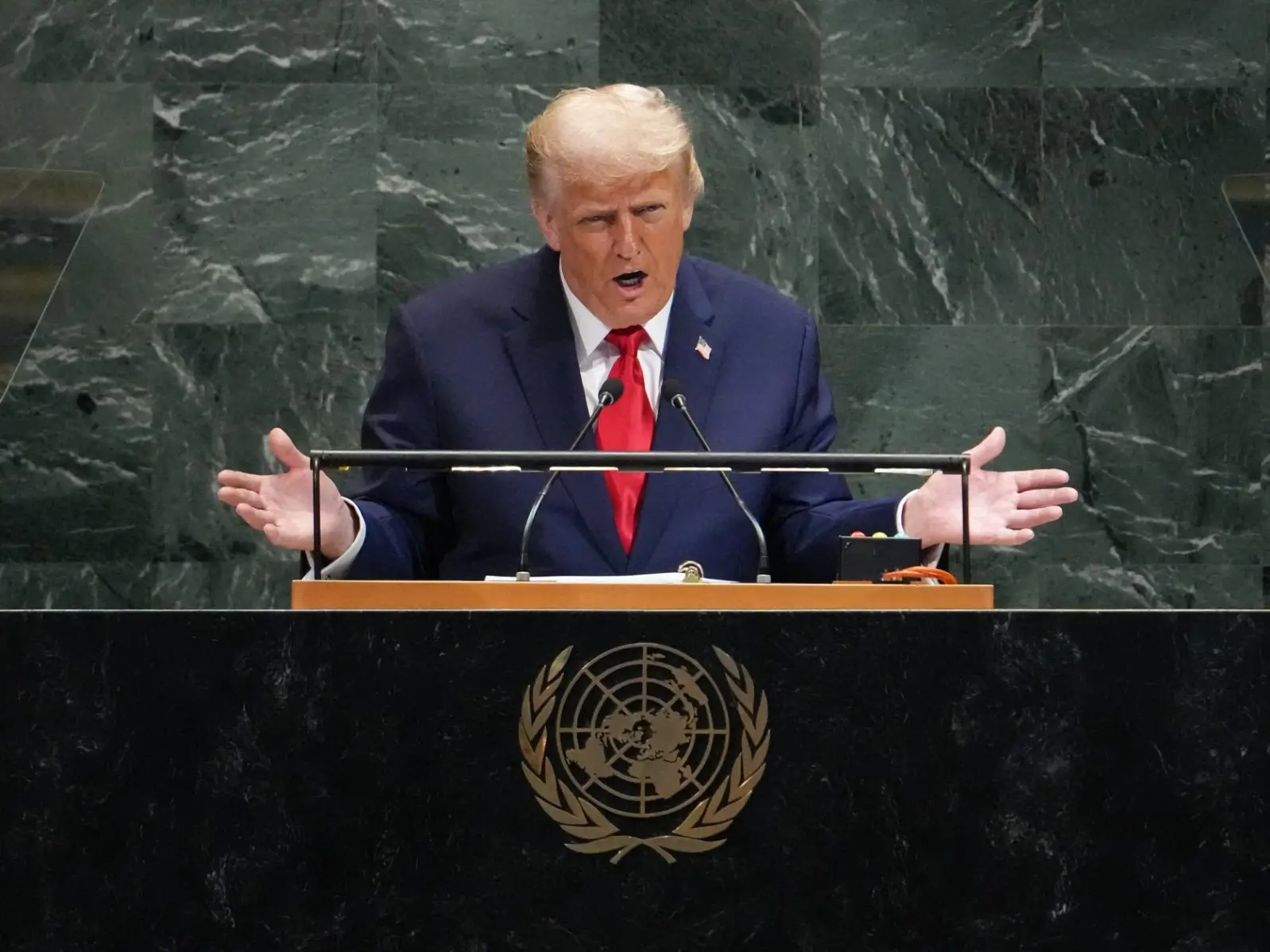
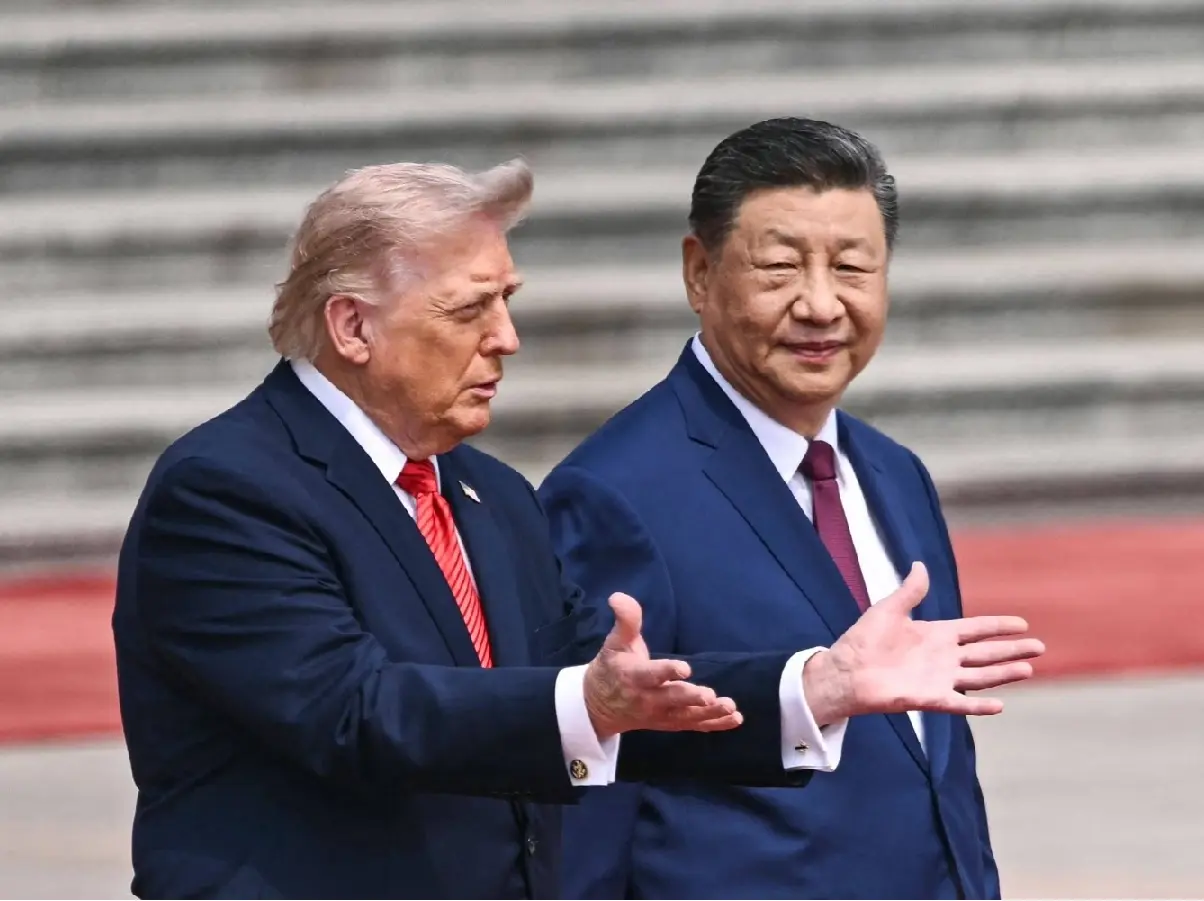
"US leadership delivers de-escalations...between India and Pakistan", the US diplomat said at the UNSC meeting, restating Trump's comments. US President Trump has been claiming that he was responsible for the ceasefire understanding between India and Pakistan during the May conflict, something that Delhi has dismissed several times.
India's ambassador to the UN dismissed the US claims at UNSC. He said India launched Operation Sindoor targeting terrorist camps in Pakistan and Pakistan-occupied Jammu and Kashmir (PoJK), "which was focused, measured, and non-escalatory in nature" and on "achieving its primary objectives, a cessation of military activities was directly concluded at the request of Pakistan."
