No need to collect data on backwardness: Supreme Court on quota benefits for SC/ST

Supreme Court
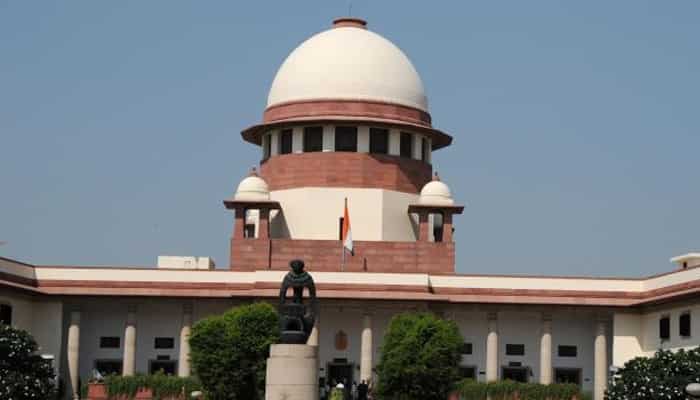
The Supreme Court of India on Wednesday pronounced its verdict on a batch of petitions on quota benefits in job promotions for SC/ST employees, declaring that states don't need to collect quantifiable data on backwardness.
The bench headed by Chief Justice Dipak Misra refused to refer the matter (the Nagaraj judgement) to a larger bench.
The bench, also comprising Justices Kurian Joseph, R F Nariman, S K Kaul and Indu Malhotra, had reserved its verdict on August 30 after hearing various stakeholders, including the Centre, on the matter.

In 2006, a five-judge constitution bench, in its verdict in the M Nagraj case, had said the states are bound to provide quantifiable data on the backwardness of Scheduled Castes (SC) and Scheduled Tribes (ST), the facts about their inadequate representation in government jobs and the overall administrative efficiency, before providing quota in promotions to members of these communities.
The Centre had earlier alleged that the verdict in the M Nagraj case had put unnecessary conditions in granting quota benefits to the SC and ST employees and sought its reconsideration by a larger bench.
)
Sikh driver attacked in Wyoming in US, suffers 17 stab wounds
)
‘I have a big decision coming up’: Trump says he’s approaching major ‘crossroad’ in Iran war
)
US intel warns China can steal F-35 jets secret from Saudis
)
Former India player Diana Edulji wants Smriti Mandhana to replace Harman as skipper at the earliest
)
Pak defence minister says 'time has come to implement pact'
&im=FitAndFill=(700,400))
Meet top 5 batters in the latest ICC T20I Rankings
)
Formula One reveals the 2027 race calendar; Monaco to host sprint race for the first time
)
All Indian goods to get duty-free access to New Zealand
)
AI already defying, denying humans, is it beyond human control already?
)
US F-16 fighter jet crashes in Michigan during training mission, pilot ejects safely
)
240-million-year-old bizarre 'pig with a tusk' creature creates new dilemma over origin of dinosaurs
)
US to sell 48 F-35 Lightning fighter jets to Saudi Arabia, help it deter threats
)
Hong Kong unveils 11 new measures to boost birth rates, offers higher cash bonuses and housing perks
)
Former OpenAI researcher warns of growing risks from Artificial Intelligence
)
Australian athlete, who soiled herself during Hyrox race, apologises for continuing
)
Tata Trusts chairman Noel Tata calls Chandrasekaran’s reappointment ‘illegal’, rejects Tata Sons listing
)
Dolly Parton dies at 80: Country legend’s team reveals cause of death
)
Fed raises rates for first time in 3 years, Kevin Warsh defies Trump as inflation mounts
)
US drone firm linked to Trump’s sons signs MoU with Pakistan army, gets initial order
)
Pak batter Rizwan's petition against being questioned by cyber crime agency rejected by court
)
Daayra movie review: Kareena Kapoor, Prithviraj Sukumaran shine in Meghna Gulzar’s cop-versus-cop crime thriller
)
US-Iran War: Trump says ‘big decision’ on Iran ahead, weighs possible fresh military action
)
Trump could impose tariffs of up to 100%
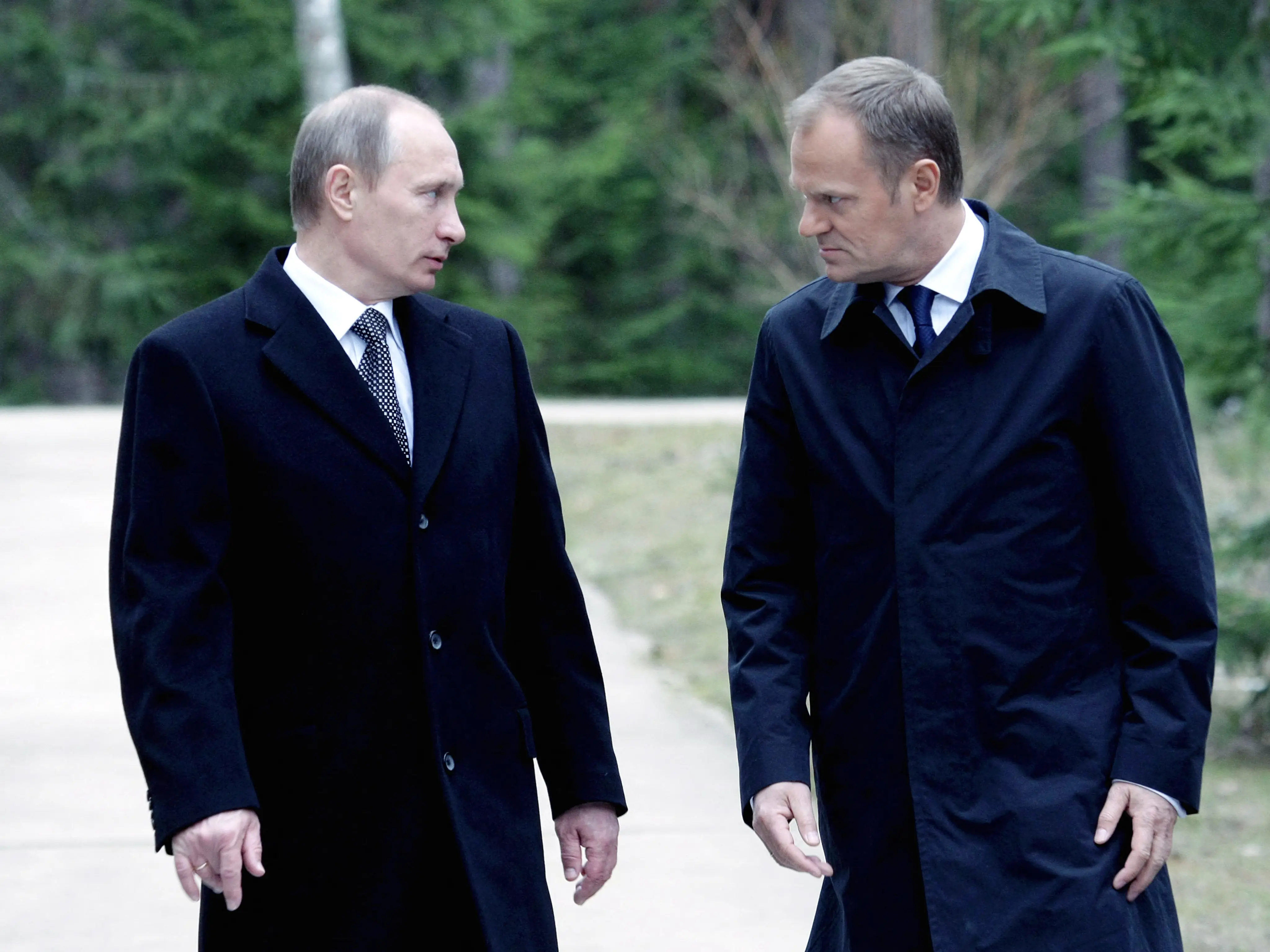)
Putin 'is plotting something bad': Russia may launch 'accidental' strikes on NATO countries supporting Ukraine, Poland PM warns
&im=FitAndFill=(700,400))
Suriya and Jyothika say ‘I do’ again after 20 years! See their dreamy wedding pics
)
Laura Wolvaardt sets new world record for most WT20I runs in a year
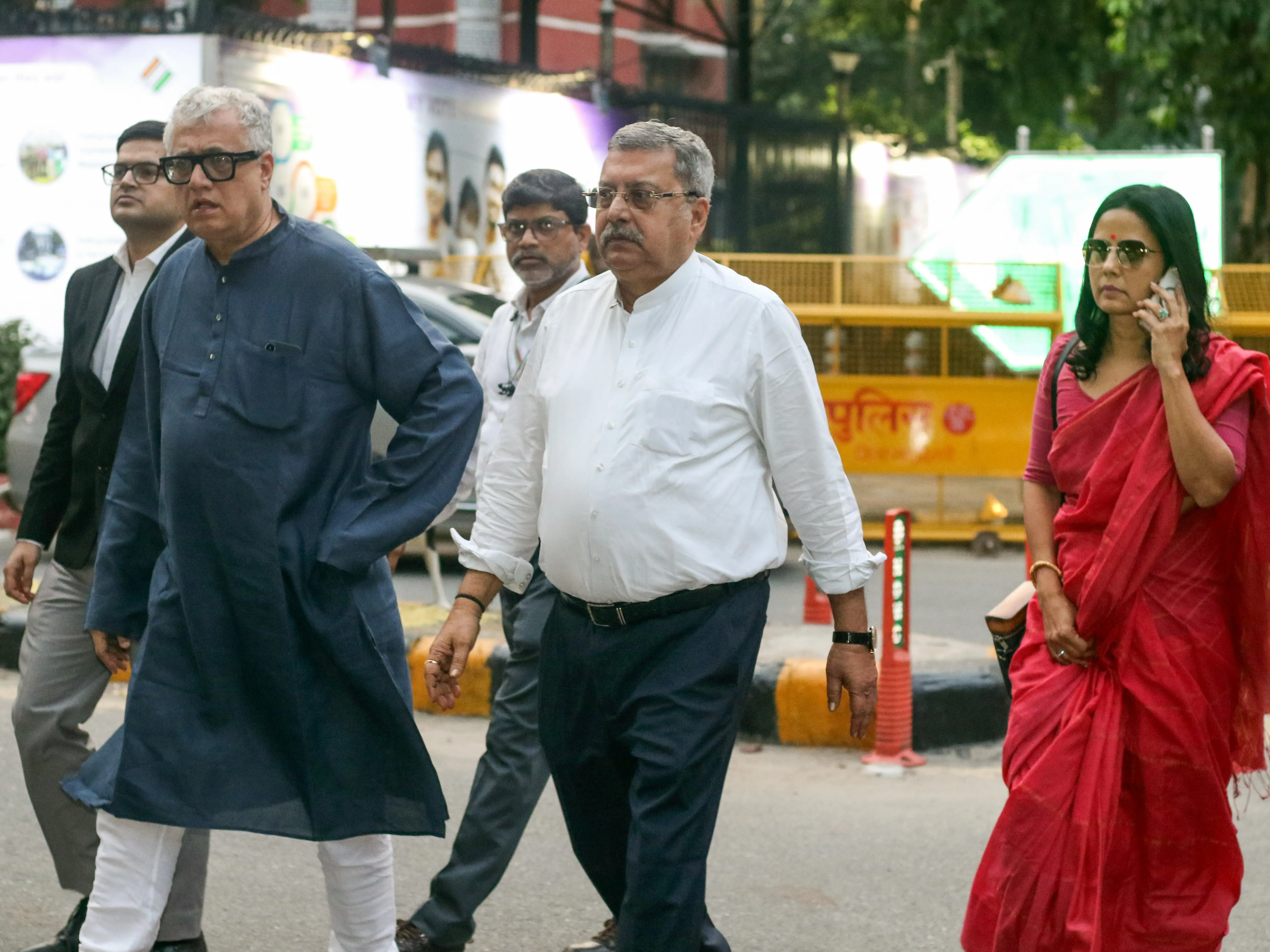)
Mahua Moitra moves UN over alleged exclusion of Muslim officers from Amit Shah events
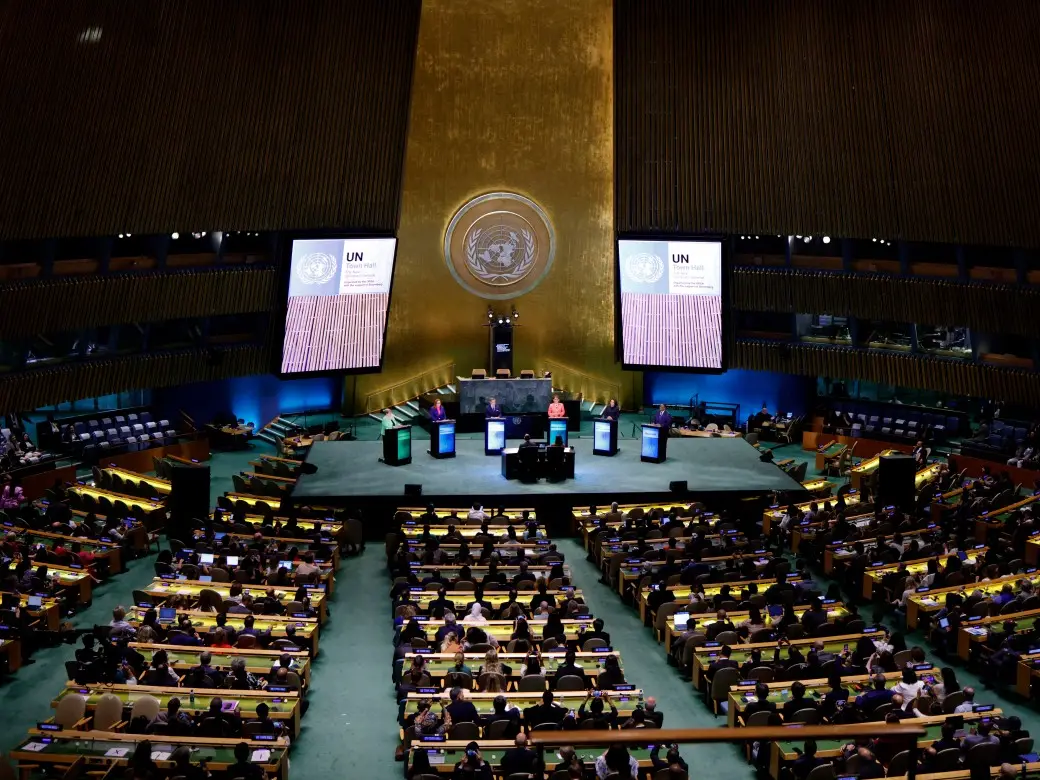)
Pezeshkian, Araghchi set to attend UNGA 2026 in New York amid ongoing conflict as US-imposed travel curbs remain
)
Ukraine plans record $109 bn defence spending, nearly two thirds of budget amid Russia war
Attorney General K K Venugopal, appearing for the Centre, had strongly argued in favour of granting quota to SC and ST employees, saying there was a presumption of backwardness in their favour.
Venugopal had argued that the SC and ST communities have been facing caste-based discrimination for long and the stigma of caste is attached to them despite the fact that some of them have come up.
Earlier, the top court had questioned the logic behind granting quota in promotions in government jobs to the kith and kin of affluent persons among the SC and ST communities who have been holding high official positions.
(With inputs from PTI)