
&imwidth=800&imheight=600&format=webp&quality=medium "NDA sweeps Rajya Sabha seats in Bihar, Odisha; Haryana sees close contest")
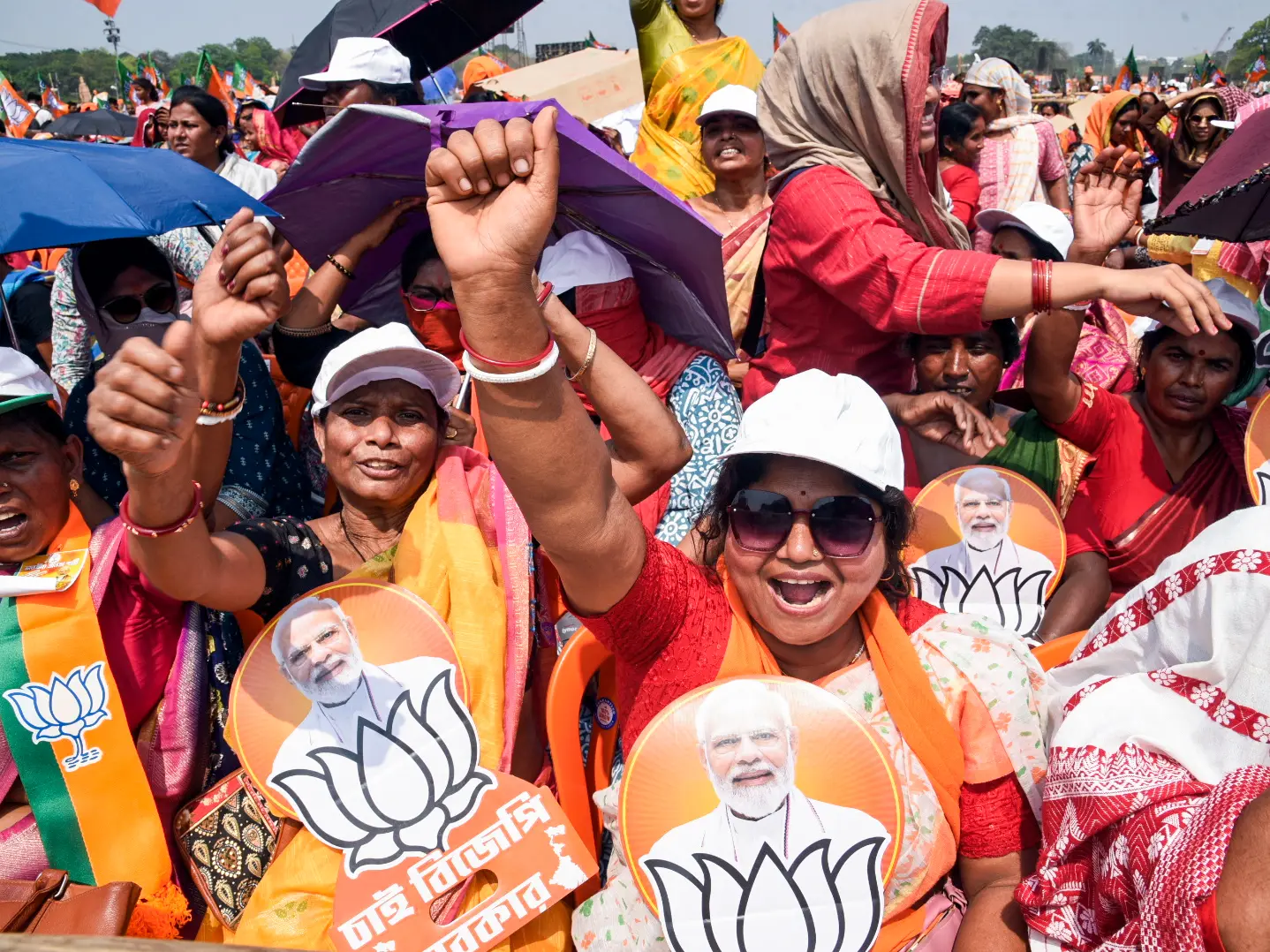
The National Democratic Alliance delivered a strong performance in the latest Rajya Sabha elections, winning all five seats in Bihar, three in Odisha and one in Haryana on Monday (Mar 16). Of the 37 Rajya Sabha vacancies nationwide, voting was required in only 11 seats across the three states, with the rest filled unopposed.
Bihar: NDA benefits as opposition skips vote
In Bihar, the NDA secured a clean sweep after opposition legislators, four MLAs of the Opposition Mahagathbandhan, stayed away from voting. While all 202 MLAs of the NDA cast their votes, only 37 MLAs from the Mahagathbandhan voted.

Winners include Chief Minister Nitish Kumar, along with BJP leaders Nitin Nabin and Shivesh Kumar and Ramnath Thakur from Janata Dal (United). Upendra Kushwaha of the Rashtriya Lok Morcha also won.
Odisha: Cross-voting tilts the balance
Trending Stories
)
Xi Jinping's new AI bloc: China launches 'World AI Body' with Pakistan and Russia in, India out
&im=FitAndFill=(700,400))
FIFA World Cup 2026: 5 football stars who went viral on social media during the tournament
&im=FitAndFill=(700,400))
Why the S-400 uses solid rocket fuel instead of liquid fuel
)
Karoline Leavitt to be US Vice President when Usha Vance gives birth? JD Vance says...
)
Sonam Wangchuk's connection with George Soros and Ford Foundation explained!
)
FACT CHECK: Was Abhijit Dipke detained during CJP's Parliament march? Here's what police say
)
'There is no need for...': PM Modi takes a veiled dig at Rahul Gandhi, sends big message amid Parliament March
)
'Could be bombed at any moment': What Iran's Araghchi told Trump envoy Witkoff during negotiations
)
Salman Khan breaks silence on health concerns after viral Mumbai appearance
)
'George Soros playbook': Understanding the foreign funding network around Sonam Wangchuk
)
Indus treaty can no longer function in its current form, says India; plans 5,500 mw of new J&K hydro projects
&im=FitAndFill=(700,400))
New OTT releases this week (July 20-26, 2026): Musafir Cafe, Adarsh Baal Vidyalaya, 72 Hours- 5 new titles coming on Netflix, Prime Video and more
)
Maha CM Wife Amruta Fadnavis' Yoga Day appearance sparks social media debate over attire | Watch
&im=FitAndFill=(700,400))
2026 FIFA World Cup awards: Full list of Golden Boot, Golden Ball, Golden Glove and every major winner
)
JD and Usha Vance welcome fourth child: Who serves as acting US vice president during Vance's paternity leave?
)
Heavy sanctions loom over Argentine players after ugly brawl following final whistle in World Cup final
)
Older than Himalayas: 85mn-year-old Kewra plant reached India 24mn years ago, fossil discovery in Assam shows
&im=FitAndFill=(700,400))
FIFA World Cup 2026 awards race: Who are Golden Boot, Golden Ball and Golden Glove contenders ahead of the final
&im=FitAndFill=(700,400))
Global air power ranking 2026: India surpasses China
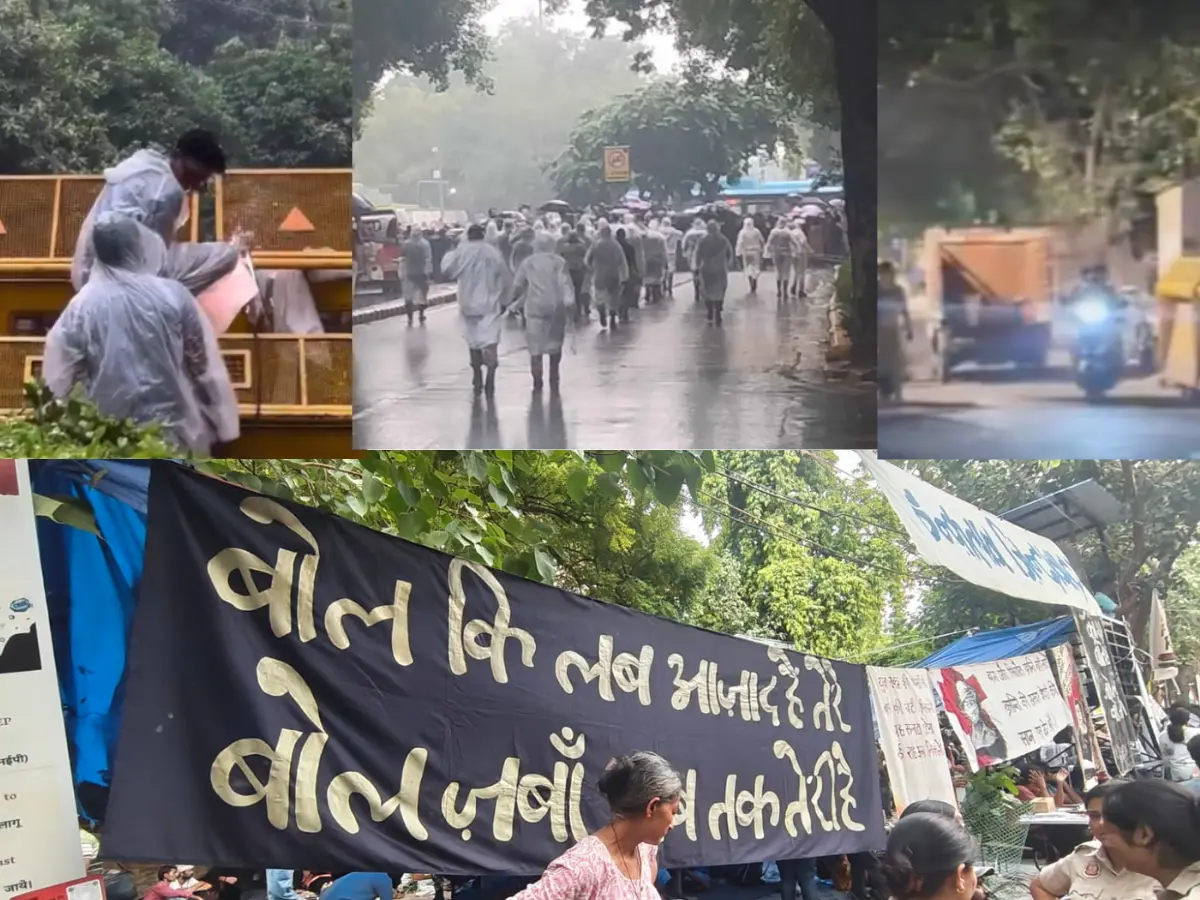)
Truck loaded with stones, metro stations closed: What's happening at Jantar Mantar now
&im=FitAndFill=(700,400))
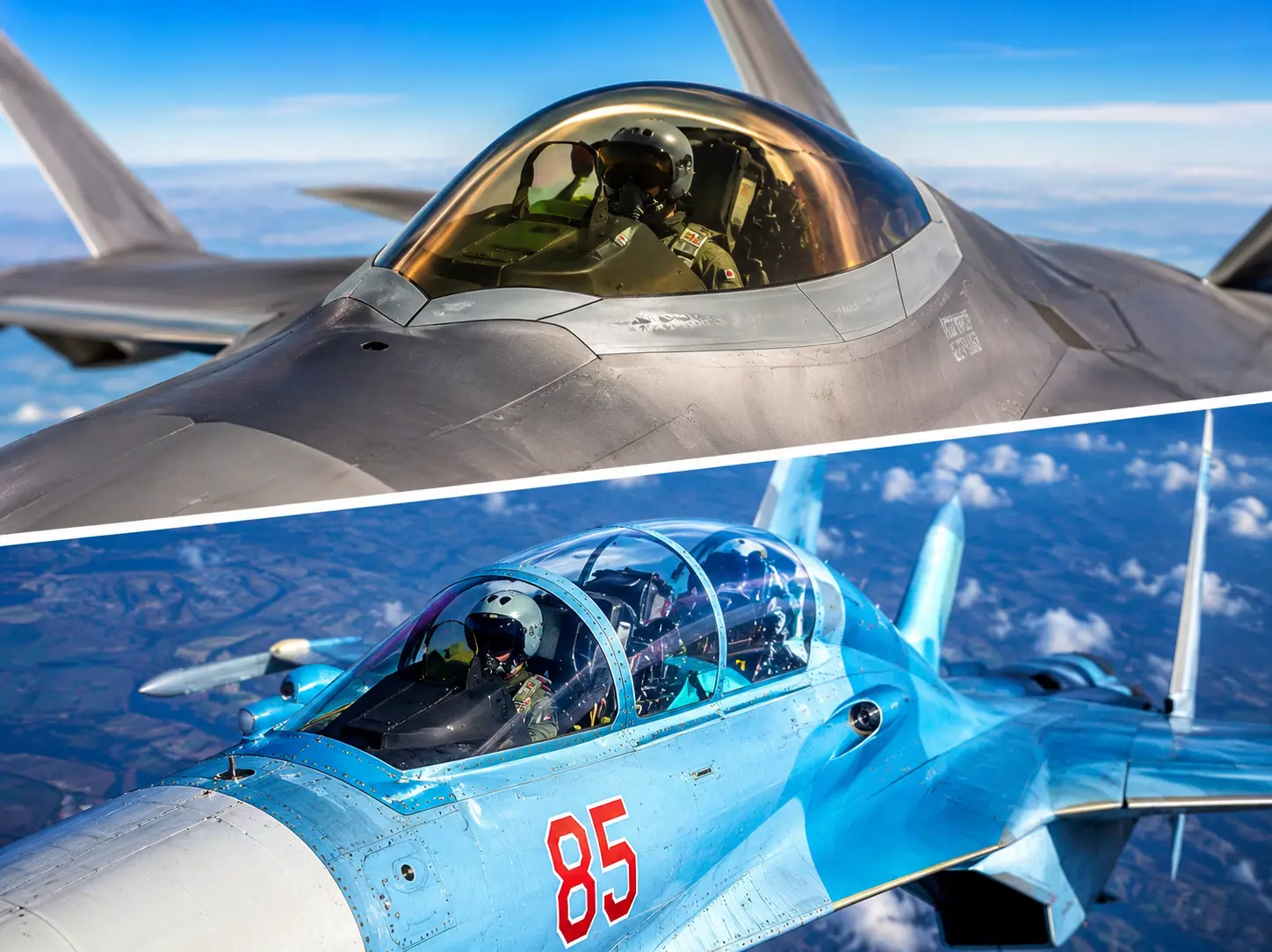
Why US fighter jets use seamless bubble canopies compared to Russian jets
&im=FitAndFill=(700,400))
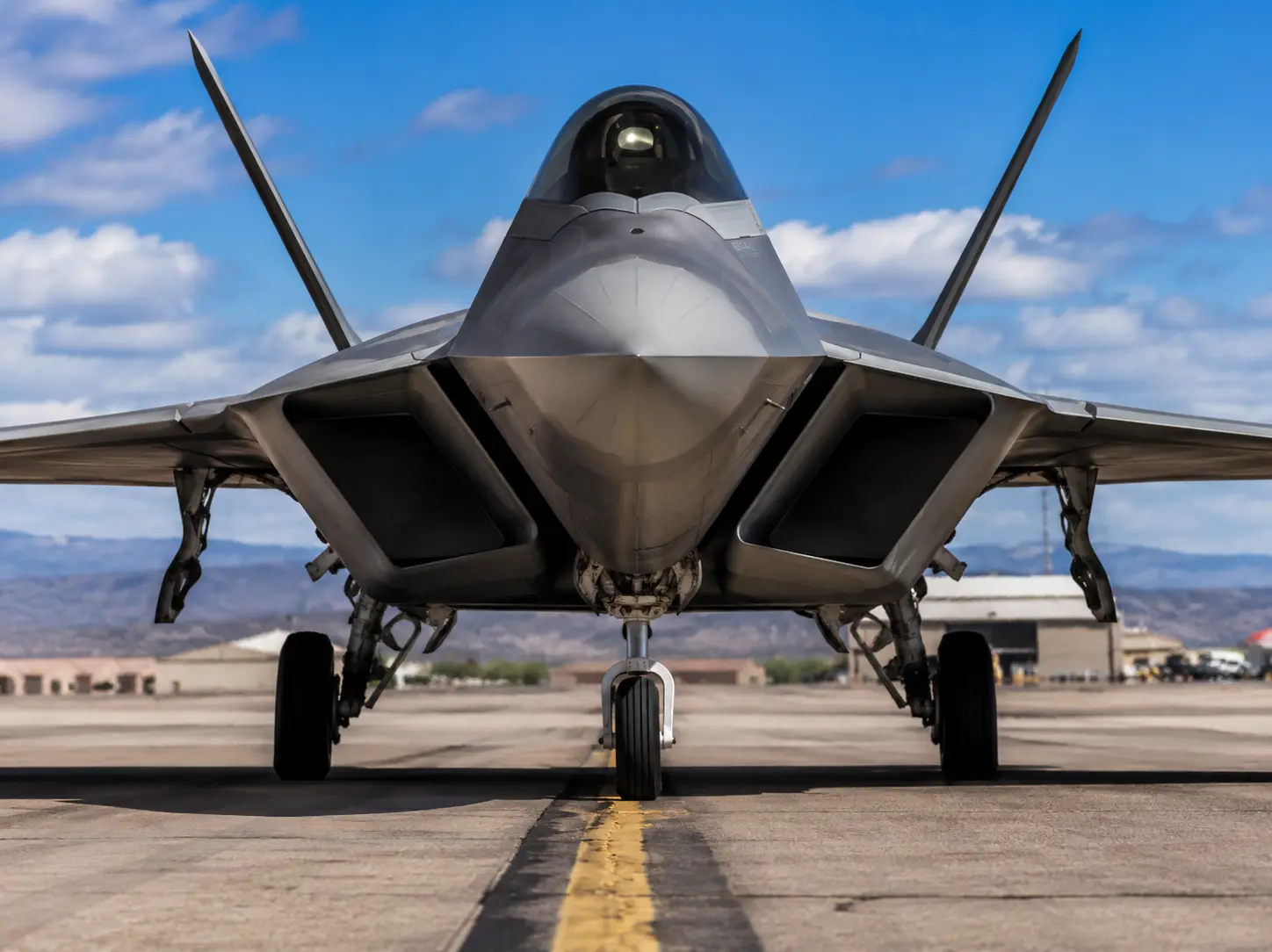
Why the F-22’s cockpit glass is thicker than a standard fighter jet
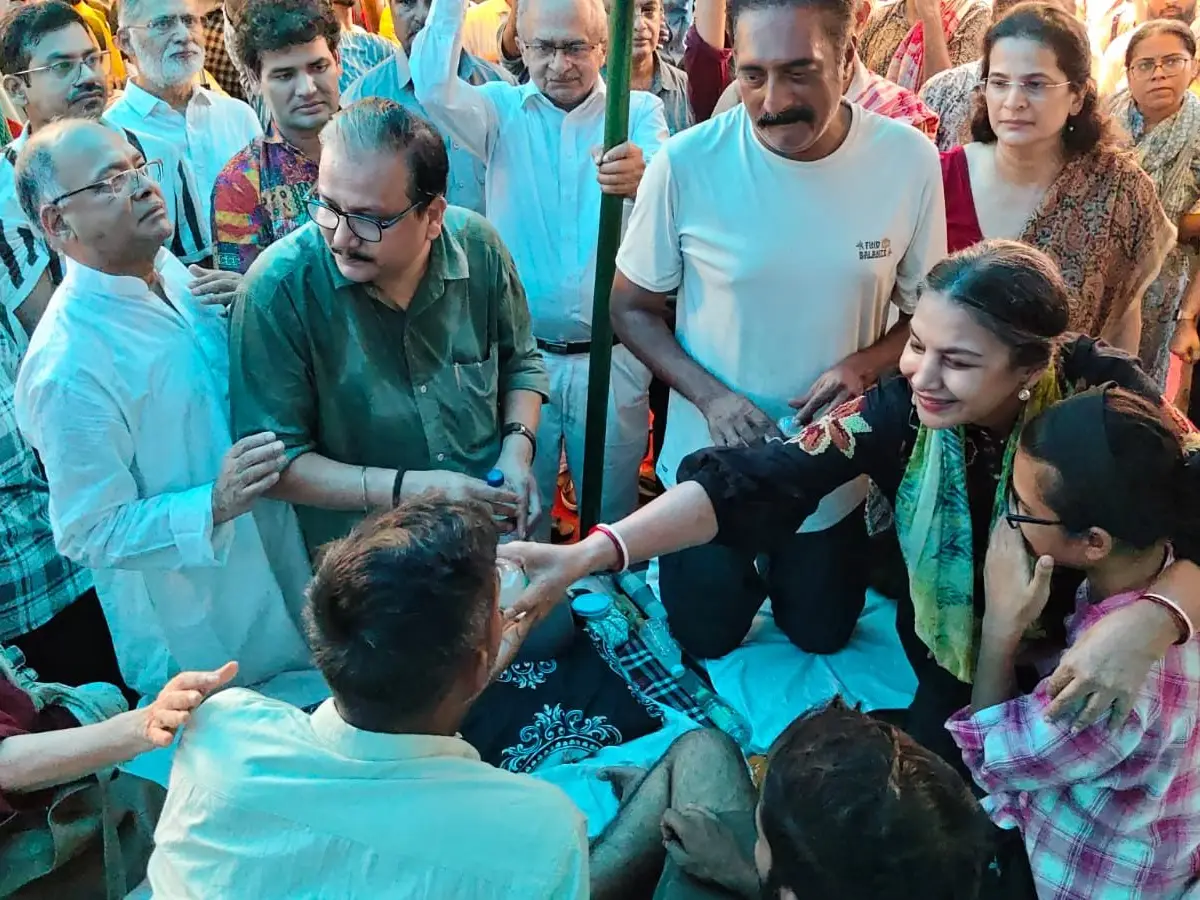)
Student union leaders call off hunger strike at Jantar Mantar after civil society appeal, but protest continues
)
Tulsi Gabbard's brother Batarti accused of luring children to hotel room in Hawaii
)
'Chalo Sansad' march today: Section 163 in force, Delhi Police remove barricades; unfazed Dharmendra Pradhan meets NEET topper
)
US strikes Iran, sirens heard in Kuwait, one American soldier killed in Iraq: What's happening in West Asia
)
Imran Khan's sister links India-Pakistan 2025 conflict to Israel recognition plans
&im=FitAndFill=(700,400))
Why the F-22’s tail fins are canted to minimize its radar footprint
)
Argentina's racism problem: How football chants reflect a deeper historical legacy
)
'What is wrong...': Anna Hazare breaks silence on Sonam Wangchuk's protest, makes an appeal to Centre
In Odisha, the Bharatiya Janata Party won three seats, including one backed Independent candidate, Dilip Ray. The Biju Janata Dal managed to secure just one seat despite expectations of a closer fight.
The outcome was shaped by cross-voting with many Congress and BJD MLAs voting across party lines in favour of Ray, a BJD founding member. At least 11 MLAs, including members from both the BJD and the Congress, voted in favour of Ray, turning what was expected to be a competitive contest into a one-sided result.
Haryana: Counting delay amid complaints
In Haryana, the election process was briefly held up during counting after both the BJP and the Indian National Congress filed complaints alleging violations of voting secrecy.
Eventually, BJP candidate Sanjay Bhatia and Congress nominee Karamvir Singh Boudh were declared elected. Chief Minister Nayab Singh Saini congratulated both winners following the announcement.
How the Rajya Sabha voting works
Rajya Sabha elections follow a proportional representation system using a single transferable vote.
MLAs rank candidates in order of preference rather than choosing just one. A candidate needs to cross a fixed vote quota to win. Surplus votes are then transferred based on second preferences, which can often decide close contests, as seen in Bihar.

