NALSAR row: CJP protest today; ‘legal cockroaches’ to seek BCI chief Manan Mishra's resignation

&imwidth=600&imheight=450&format=webp&quality=medium "NALSAR row: CJP protest today; ‘legal cockroaches’ to seek BCI chief Manan Mishra's resignation")
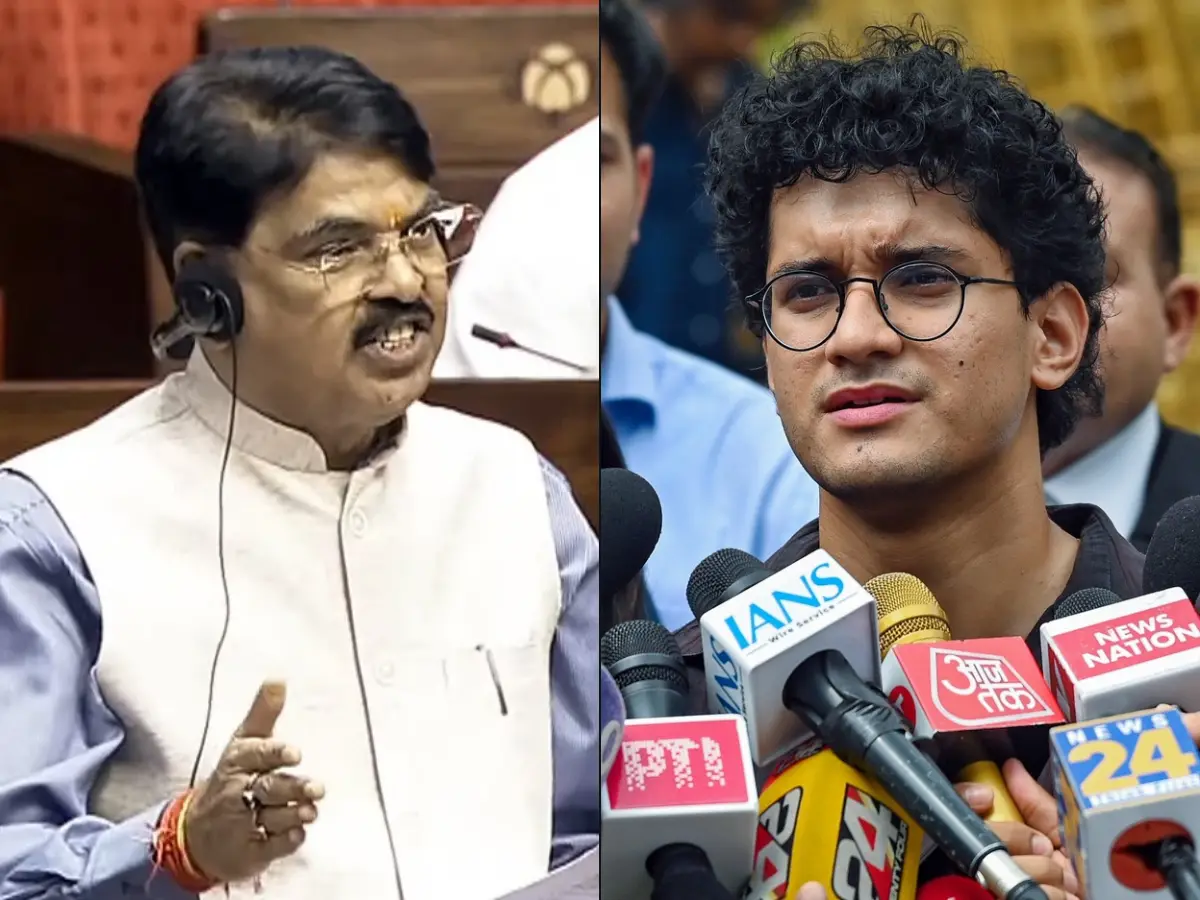
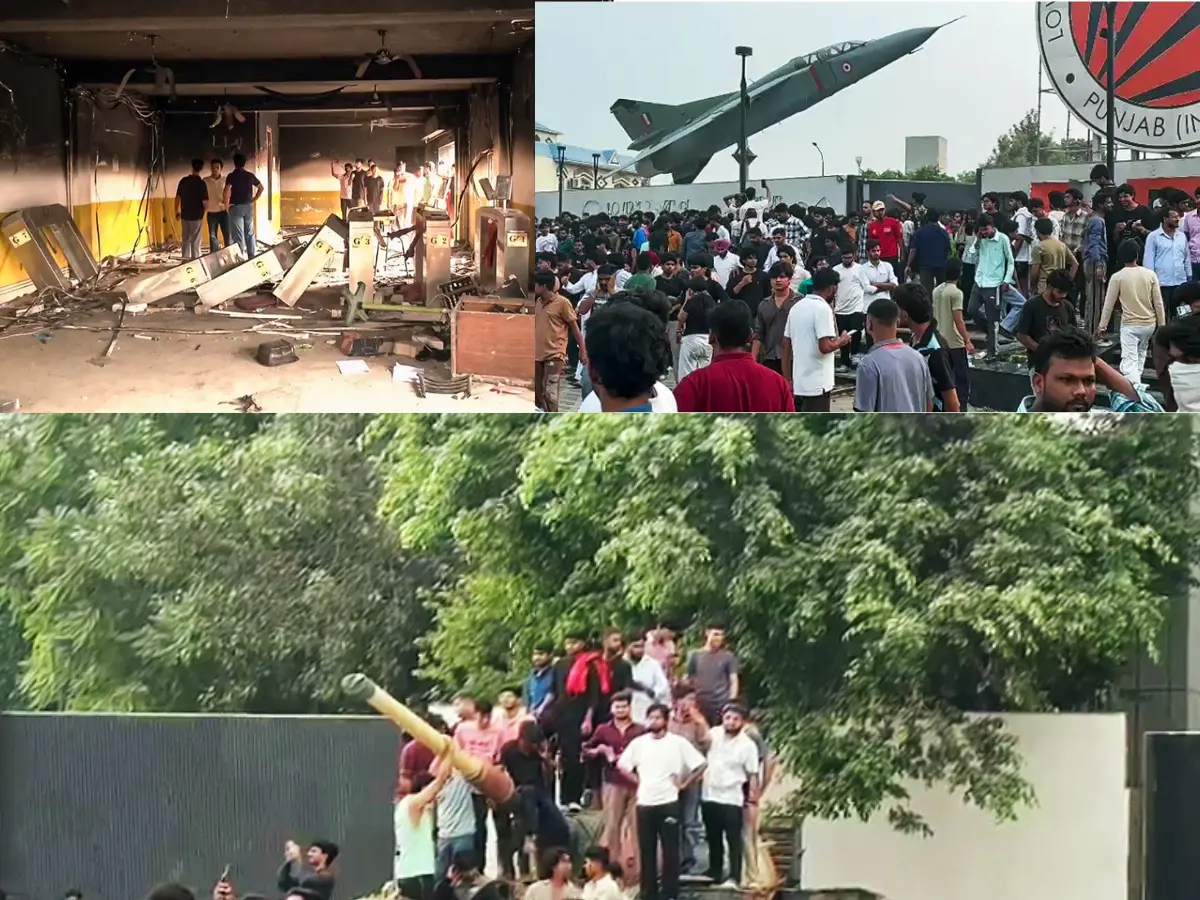
'Legal cockroaches' to protest BCI chief Manan Mishra over NALSAR row today Photograph: (Combination created using images from ANI)
The NALSAR controversy is moving from courtrooms to the streets, with a protest against BCI chairman Manan Kumar Mishra planned in Delhi today. But what exactly triggered the demand for his resignation? Here's all you need to know.
The ongoing dispute over the Bar Council of India and the NALSAR University of Law row is set to spill onto the streets, with the Cockroach Janta Party announcing a protest against BCI chairman Manan Kumar Mishra for today (Thursday, Aug 20).
The CJP's party's chief spokesperson, Saurav Das, issued a "protest alert" on X, saying that "legal cockroaches" would gather at 10 am to demand Mishra's resignation. Das said the protest was being called by the All India Young Advocates Association and backed peaceful demonstrations seeking accountability.
The protest comes days after the BCI faced criticism over its handling of the NALSAR controversy.
Why is Manan Mishra facing criticism?
The BCI had initially ordered State Bar Councils to freeze the enrolment of NALSAR's entire 2026 graduating batch after students opposed the proposed participation of Chief Justice of India Surya Kant at their convocation.
The order was withdrawn within hours after the Council concluded that the majority of students had not intended to show disrespect.
In the revised communication, Mishra said all 2026 graduates would be free to enrol with the State Bar Council of their choice. However, the BCI said its inquiry into the controversy would continue.
The episode, however, triggered strong criticism from sections of the legal fraternity.
Bombay Bar Association seeks Mishra's resignation
Trending Stories
&imwidth=280&imheight=210&format=webp&quality=medium)
&imwidth=280&imheight=210&format=webp&quality=medium)
&imwidth=280&imheight=210&format=webp&quality=medium)
&imwidth=280&imheight=210&format=webp&quality=medium)
&imwidth=280&imheight=210&format=webp&quality=medium)
&imwidth=280&imheight=210&format=webp&quality=medium)
&imwidth=280&imheight=210&format=webp&quality=medium)
&imwidth=280&imheight=210&format=webp&quality=medium)
&imwidth=280&imheight=210&format=webp&quality=medium)
&imwidth=280&imheight=210&format=webp&quality=medium)
&imwidth=280&imheight=210&format=webp&quality=medium)
&imwidth=280&imheight=210&format=webp&quality=medium)
&imwidth=280&imheight=210&format=webp&quality=medium)
&imwidth=280&imheight=210&format=webp&quality=medium)
&imwidth=280&imheight=210&format=webp&quality=medium)
&imwidth=280&imheight=210&format=webp&quality=medium)
&imwidth=280&imheight=210&format=webp&quality=medium)
&imwidth=280&imheight=210&format=webp&quality=medium)
&imwidth=280&imheight=210&format=webp&quality=medium)
&imwidth=280&imheight=210&format=webp&quality=medium)
&imwidth=280&imheight=210&format=webp&quality=medium)
&imwidth=280&imheight=210&format=webp&quality=medium)
&imwidth=280&imheight=210&format=webp&quality=medium)
&imwidth=280&imheight=210&format=webp&quality=medium)
&imwidth=280&imheight=210&format=webp&quality=medium)
&imwidth=280&imheight=210&format=webp&quality=medium)
&imwidth=280&imheight=210&format=webp&quality=medium)
&imwidth=280&imheight=210&format=webp&quality=medium)
&imwidth=280&imheight=210&format=webp&quality=medium)
&imwidth=280&imheight=210&format=webp&quality=medium)
&imwidth=280&imheight=210&format=webp&quality=medium)
&imwidth=280&imheight=210&format=webp&quality=medium)
&imwidth=280&imheight=210&format=webp&quality=medium)
&imwidth=280&imheight=210&format=webp&quality=medium)
&im=FitAndFill=(700,400)&imwidth=280&imheight=210&format=webp&quality=medium)
&imwidth=280&imheight=210&format=webp&quality=medium)
&imwidth=280&imheight=210&format=webp&quality=medium)
&imwidth=280&imheight=210&format=webp&quality=medium)
&imwidth=280&imheight=210&format=webp&quality=medium)
The Bombay Bar Association on August 18 strongly criticised the action against the NALSAR students and called for Mishra's resignation.
The association said Mishra's subsequent apology did not amount to a genuine expression of remorse and argued that he "ought to have resigned" from his position.
Das also referred to the Bombay Bar Association's call while announcing support for Thursday's protest.
Mishra apologises to students
On Independence Day, Mishra apologised to law students, saying he sincerely regretted it if any of his words or the BCI's communication had hurt their feelings.
He said students who felt hurt had a right to be heard with "patience, sensitivity and respect".
"An expression of regret is not a matter of prestige or ego," Mishra said, adding that students' feelings and concerns mattered.
His apology followed criticism from CJI Surya Kant, who had questioned the BCI's intervention in the dispute.
Will CJI Surya Kant attend NALSAR convocation despite the uproar?
CJI Surya Kant has since declined the invitation to attend NALSAR's upcoming convocation as chief guest.
Speaking to The Times of India after a meeting with vice-chancellors of national law universities in Jodhpur, Kant said he had "never consented to Nalsar's invitation".
"The question of me attending the convocation does not arise," he said.

