ISRO achieves milestone with successful launch of next-gen navigation satellite on GSLV rocket


ISRO launch
India's space agency, ISRO, successfully launched a satellite crucial to the country's satellite navigation system using the GSLV rocket.
The NVS-01 satellite is the initial satellite in the second-generation navigation satellite series developed by the UR Rao Satellite Centre of ISRO in Bengaluru. Currently, India relies on its NavIC series of satellites to provide navigation, positioning, and timing services for civilian and defence purposes within India and up to 1500 kilometres beyond its borders.

Also Read | Mysterious! Venice canal stuns locals as patch takes on fluorescent green hue
The NVS series of satellites aims to support and expand the capabilities of NavIC with improved features. These satellites will introduce L1 band signals to broaden the range of services offered. Notably, the NVS-01 satellite will also include an indigenous atomic clock, a significant milestone for ISRO.
Atomic clocks are extremely accurate timekeeping devices deployed within satellites. They provide time measurements with precision down to the nanosecond, which is equivalent to one billionth of a second. This level of precision is crucial in ensuring accurate positioning services.
)
US vs China over South China Sea: Washington backs Philippines, Beijing hits back
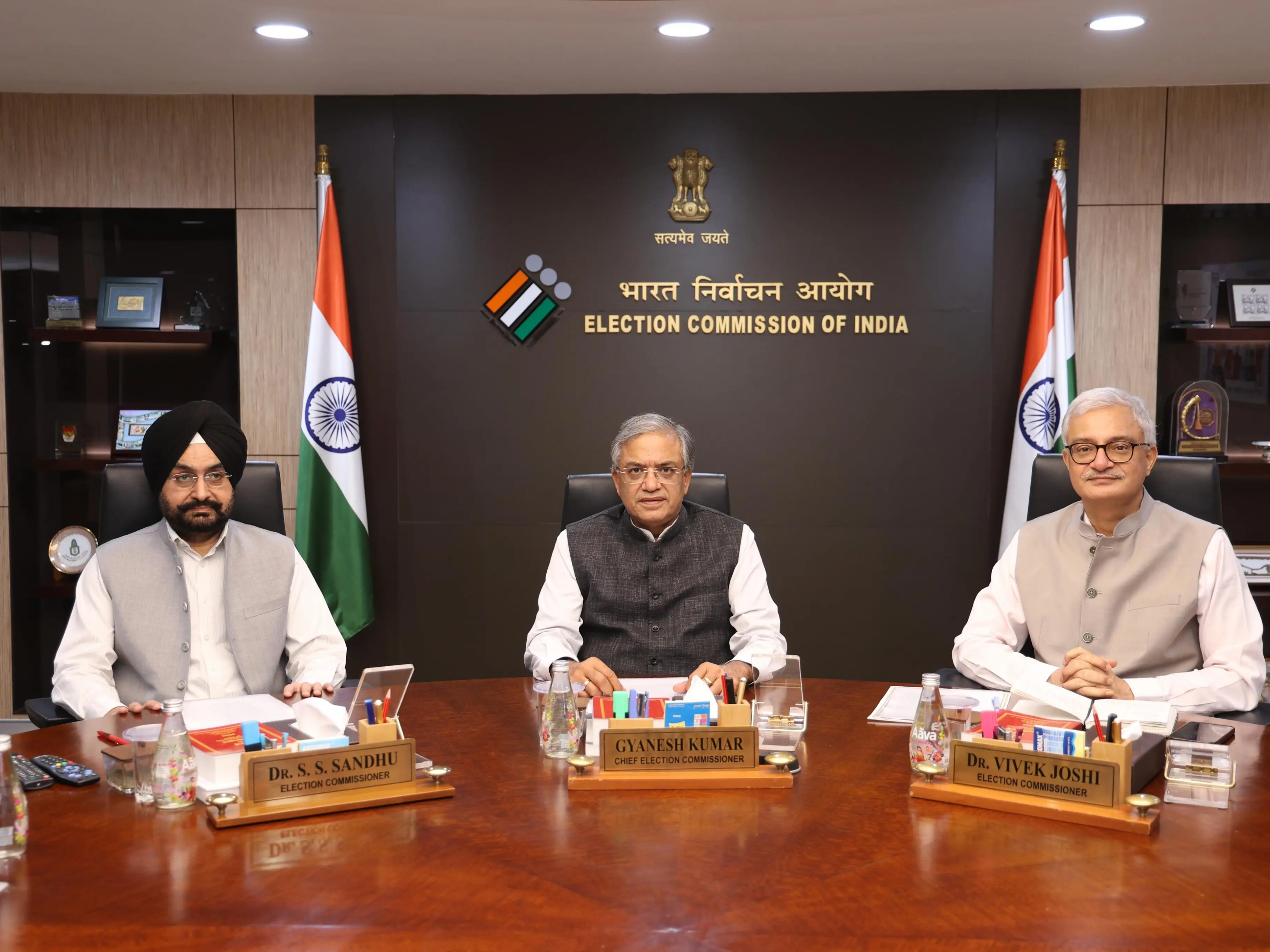)
Election Commission on 'damage control' : What do nine new decisions mean?
)
UK police arrest several under explosives act near air base used by US forces
)
‘Anti-social elements spreading false rumours’: LPU issues statement amid massive unrest over alleged rape
)
LPU students go on rampage, vandalise campus amid widespread protest: What's happening
)
OpenAI AI Agents hacked 4 websites before Hugging Face, researchers reveal
)
US Treasury Secretary Scott Bessent hails global crackdown on Iranian banks and airlines
&im=FitAndFill=(700,400))
New Friday OTT releases (September 25, 2026): Don’t Be Shy, Hunkkaar: The Roar, Mango Pachcha- 6 movies and TV shows on Netflix, Prime Video and more
)
Asian Games 2026: India face Afghanistan in quarterfinal on Sep 28; Pakistan clash with Hong Kong
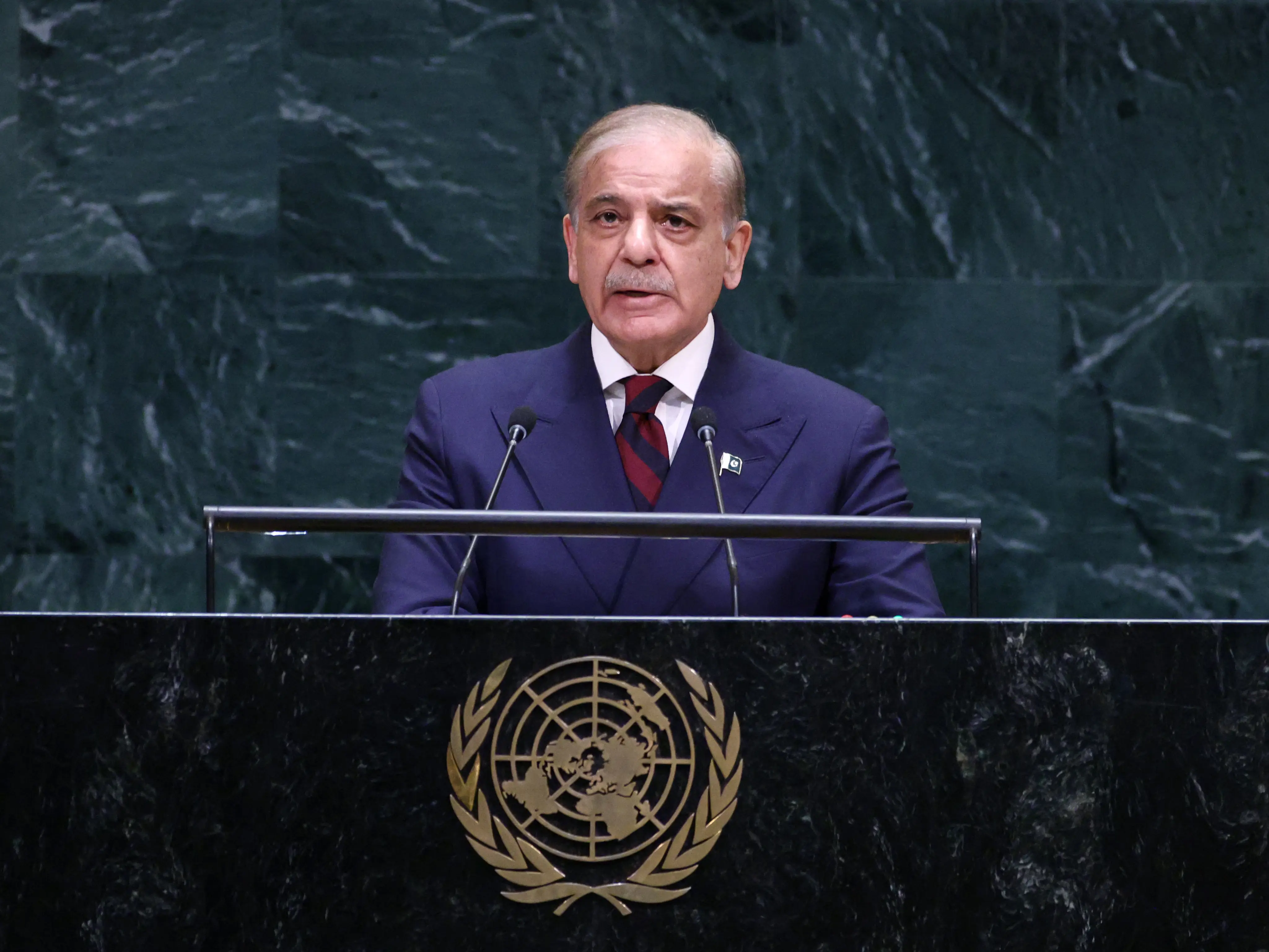)
‘Attack on Mecca a red line for Pakistan’: Shehbaz Sharif warns Houthis at UN
)
WATCH | Delhi minister Parvesh Verma slaps man during road inspection – Here’s what happened
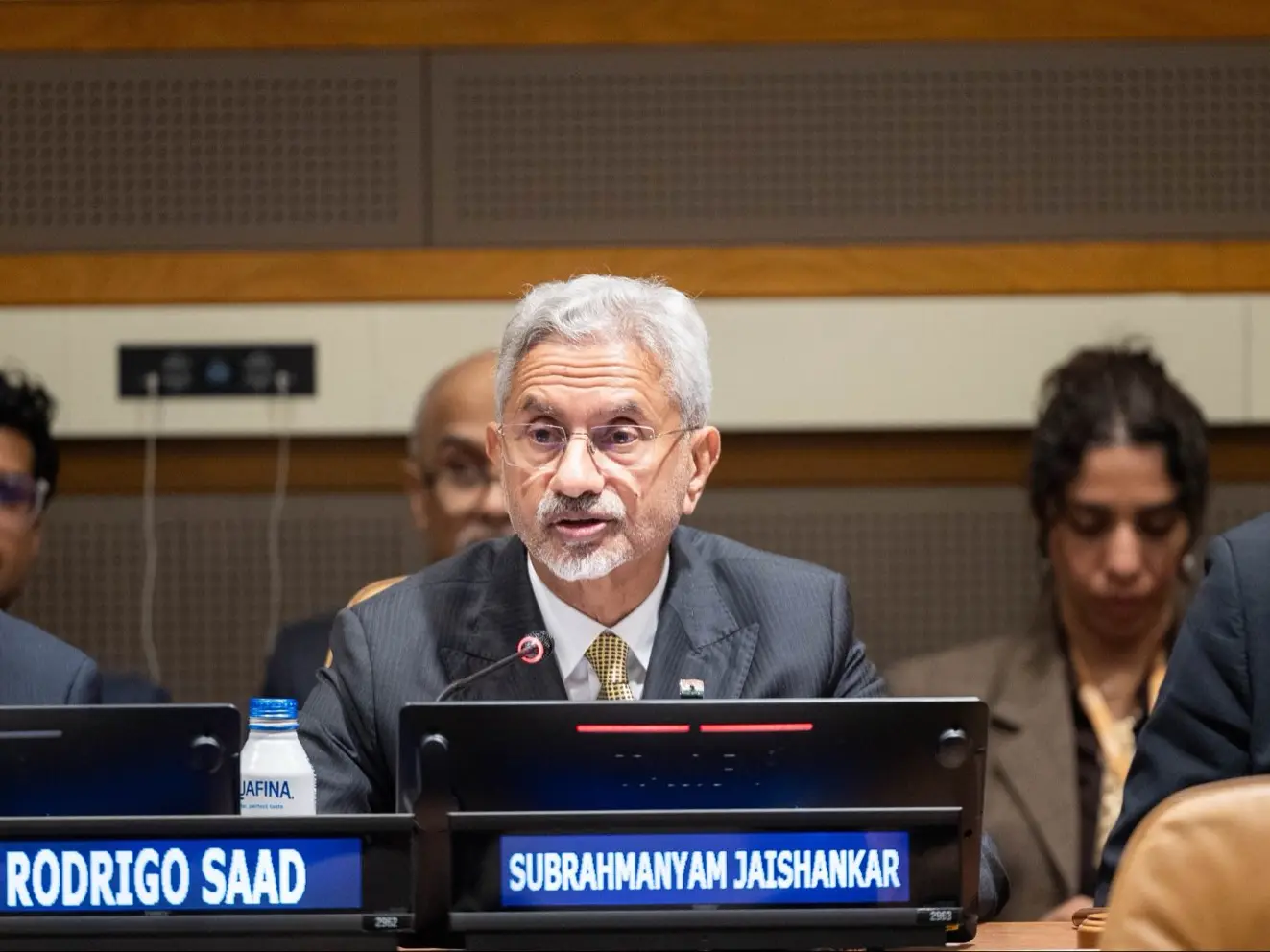)
'Countries far from conflict are penalised': Jaishankar calls for Gulf peace, seafarer safety at UN
)
Bigg Boss 20: Salman Khan schools Rhiti Tiwari over Qazi Touqeer clash, compares her to Dolly Bindra
)
Gunmen kill 27 in two separate mass shootings in South Africa
&im=FitAndFill=(700,400))
Humanoid robots to virtual worlds! Korean sci-fi dramas to watch: Are You Human Too?, Memories of the Alhambra and more
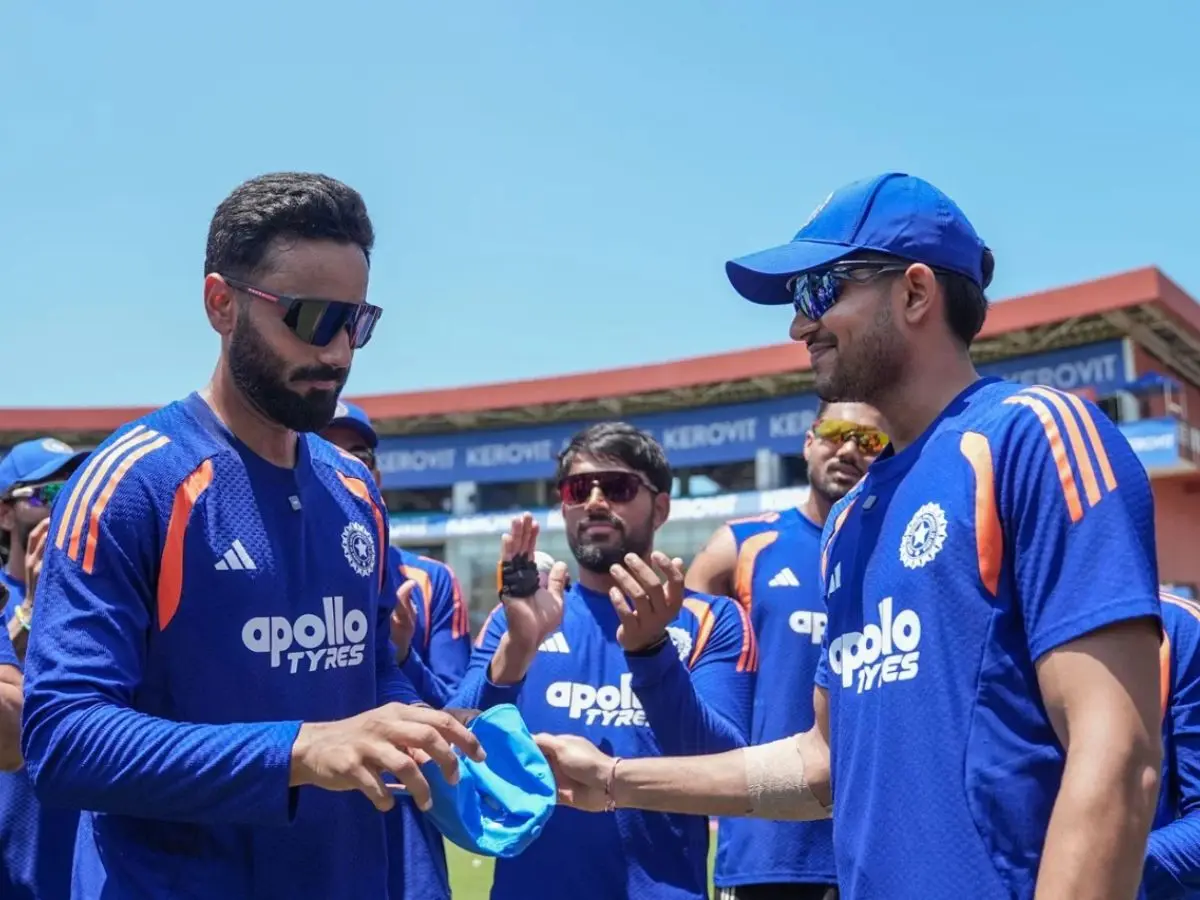)
IND vs WI 1st ODI: Naman Dhir debuts as India bowl first in Trivandrum; check playing XIs
)
Nations League: Spain sink England at Wembley; Modric shines for Croatia
)
Two men die of suspected chemical exposure inside public toilet in Mumbai
)
Trump-Xi summit wrap: Big pageantry, Iran talks, few major developments and more meetings planned
)
‘Could kill billions...’: Bill Gates backs calls to slow AI development amid fears of catastrophe
)
Bollywood x K-pop crossover! LE SSERAFIM’s Kazuha charms fans with Shah Rukh Khan’s ‘Chammak Challo’ steps
)
US-Iran war: Trump rejects Iran's Hormuz proposal, reports suggest talks expected next week
)
Jaishankar at UNGA: Goodwill and friendship can't coexist with terrorism
)
Sri Lankan Tamil migrant worker gets death sentence in Saudi Arabia, help sought from India
)
'FIRST LOOK from inside Noah’s Ark': Researchers share video from inside mysterious mound in Turkey
)
UNSC reform momentum grows: Russia, Portugal, Mauritius push for India's permanent seat bid
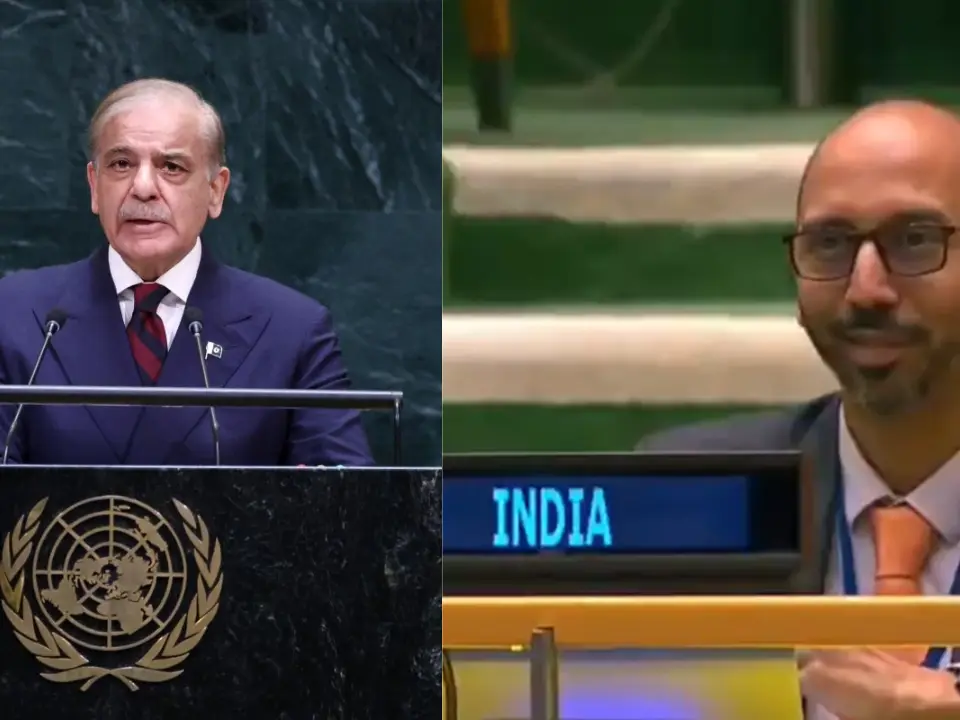)
WATCH | As Shehbaz Sharif claims Pakistan’s ‘victory’ during 2025 conflict, Indian diplomat R Srinivas laughs at UN
)
Ceuta migrant crisis: Protesters take to streets as Spain grapples with migrant challenge
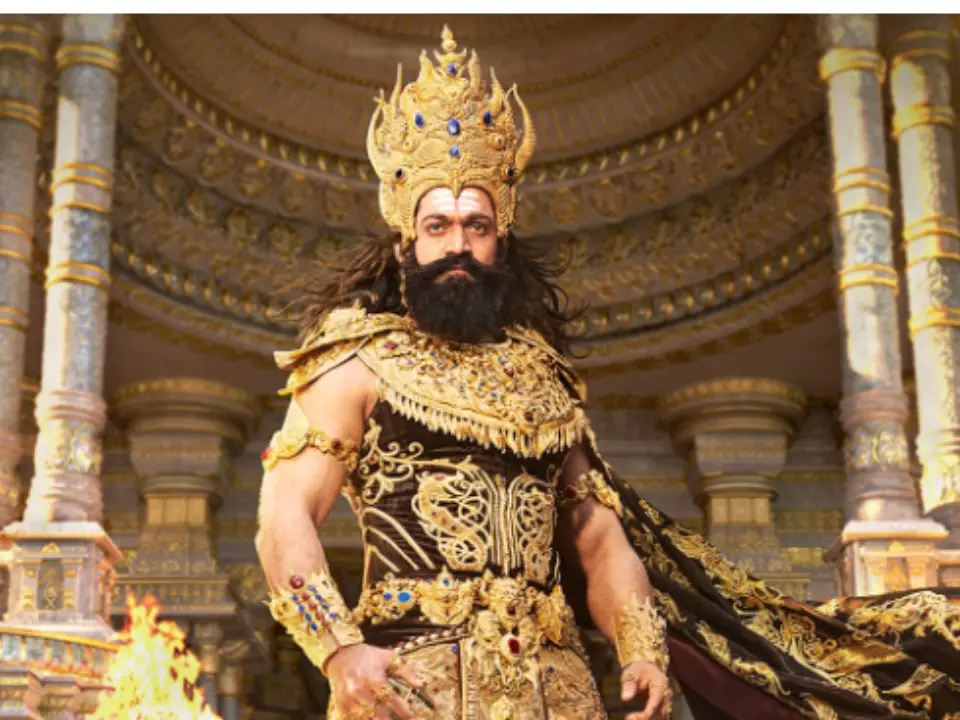)
Ramayana: Yash’s Ravana gets first official poster from Nitesh Tiwari’s epic
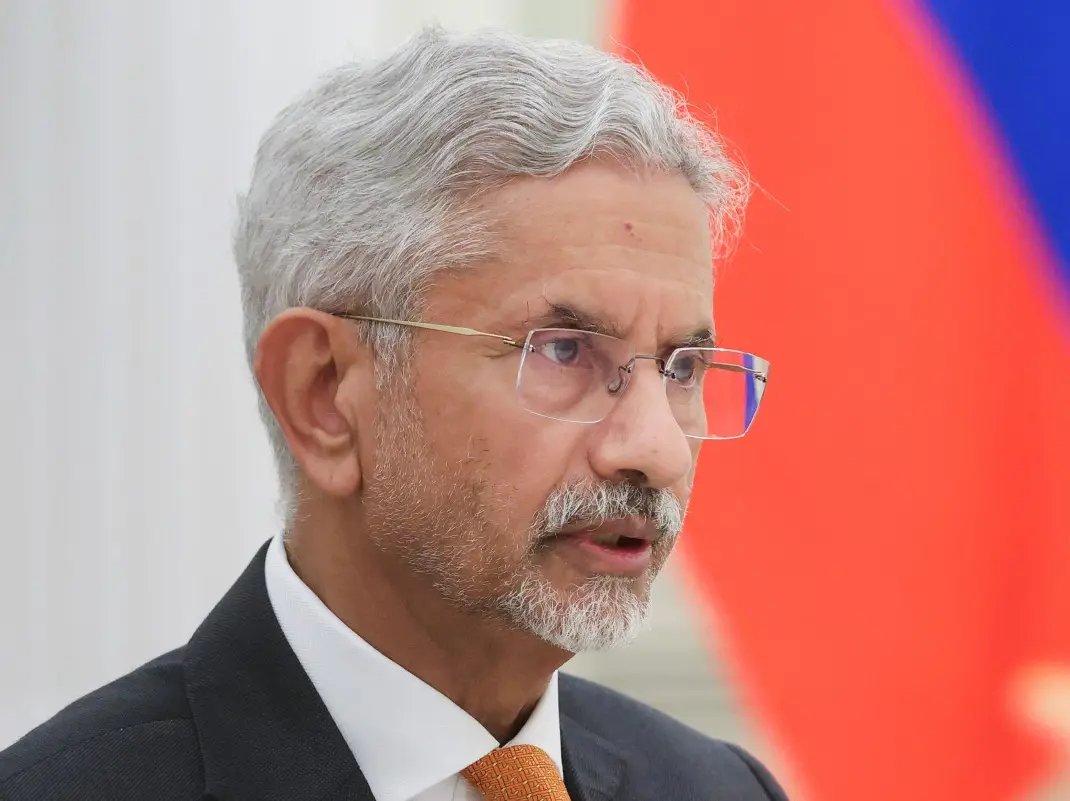)
'A terrorist country is asking me that question?': Jaishankar hits back at Pakistani journalist at UN; flags attacks on commercial shipping
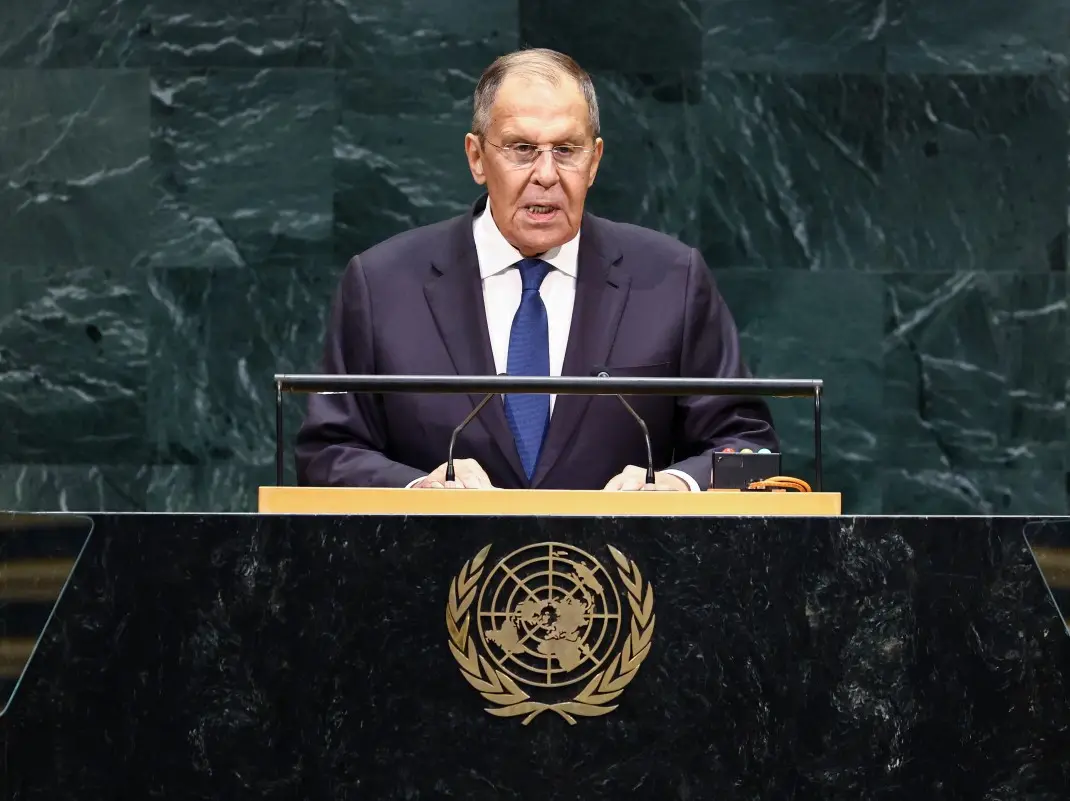)
Russia will achieve Ukraine war aims; Europe doing everything to block peace talks: Lavrov at UN
Also Read | India secures approval for second hydropower project in Nepal, strengthening bilateral energy cooperation
When utilising satellite-based positioning and navigation services, our position is determined by calculating the distance from multiple satellites.
This calculation involves multiplying the time it takes for signals to travel with the speed of the signal, which is nearly the speed of light. In such calculations involving large values, even a tiny variation of a billionth of a second can result in an incorrect distance measurement, leading to inaccuracies in positioning by several meters or even tens of meters.
To address this, the presence of atomic clocks becomes essential. These clocks are designed to operate for several years without experiencing errors in timekeeping at the nanosecond level. Their exceptional accuracy ensures that precise time measurements are maintained consistently, allowing for accurate distance calculations and reliable positioning services.
Watch | Turkey Elections 2023: Erdogan back for another five years
In a statement to reporters before the launch, Dr. S. Somanath, Chairman of ISRO, revealed that only four of India's current NavIC satellites were operational. Instead of replacing the three non-functional satellites from the previous generation, ISRO has decided to launch a set of five next-generation NavIC satellites, with NVS-01 being the first among them.
The reason behind launching a new fleet of five satellites is that the existing constellation is expected to reach the end of its mission life in a few years. Therefore, it is not advisable to simply replace the old fleet. The plan is to launch two next-generation NavIC satellites annually.
WATCH WION LIVE HERE You can now write for wionews.com and be a part of the community. Share your stories and opinions with us here.