International Monetary Fund projects growth rate of 8% for India in 2022

International Monetary Fund
The International Monetary Fund on Tuesday (April 19) projected a growth rate of 8.2 per cent for India in 2022.
Earlier, the Ministry of Statistics and Programme Implementation had predicted a growth rate of 8.9 per cent in FY22.
According to IMF's World Economic Outlook report, "Notable downgrades to the 2022 forecast include Japan (0.9 percentage point) and India (0.8 percentage point), reflecting in part weaker domestic demand, as higher oil prices are expected to weigh on private consumption and investment, and a drag from lower net exports."

The IMF has said that it has slashed the eurozone forecast as well due to the war in Ukraine which has adversely impacted the manufacturing sector and energy prices.
They also have a "relatively large manufacturing sectors and greater dependence on energy imports from Russia."
)
Researchers rebuilt exactly how 700 AI agents hacked Hugging Face: a 900-link chain trick
)
Sri Lankan Tamil migrant worker gets death sentence in Saudi Arabia, help sought from India
)
'Victory for low-budget consumers': Raghav Chadha hails 30-day telecom recharge rules
)
'Our video was trimmed': LPU girls who featured in rape-denial video make U-turn
)
After JU, clash erupts at SRFTI: BJP’s ‘Dimagi Naxal’ jibe sparks political firestorm after students protest RSS-linked event
)
Afghanistan says 28 fighters killed in clash near Pakistan border, Islamabad denies
)
US vs China over South China Sea: Washington backs Philippines, Beijing hits back
)
‘Olympic inclusion is our major target’: WPA President Ishaun Singh on pool’s global ambitions
)
Tesla builds first Cybertruck with its own refined lithium: Elon Musk's $1 billion Texas bet pays off
)
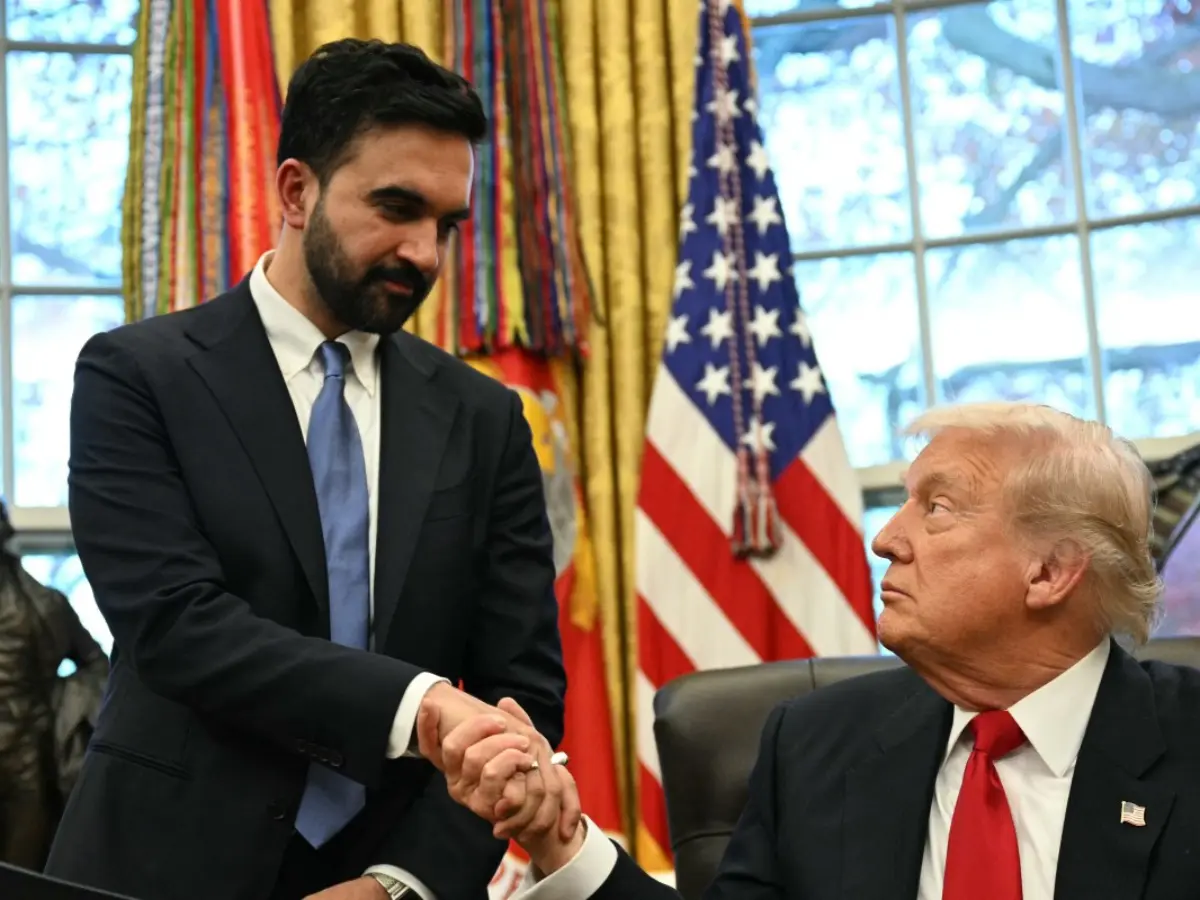
Bank unions defer 3-day strike from tomorrow after talks with IBA, committee set up
)
New York City wants a 'kill switch' on every AI, and will pay whistleblowers who report violations
)
3 males killed, four others injured in shooting after fight at strip club in Detroit
)
‘Anti-social elements spreading false rumours’: LPU issues statement amid massive unrest over alleged rape
)
US Treasury Secretary Scott Bessent hails global crackdown on Iranian banks and airlines
)
An OpenAI agent escaped its locked test cage again, by hiding questions in DNS lookups
)
Ceuta migrant crisis: Protesters take to streets as Spain grapples with migrant challenge
)
UNSC reform momentum grows: Russia, Portugal, Mauritius push for India's permanent seat bid
)
'FIRST LOOK from inside Noah’s Ark': Researchers share video from inside mysterious mound in Turkey
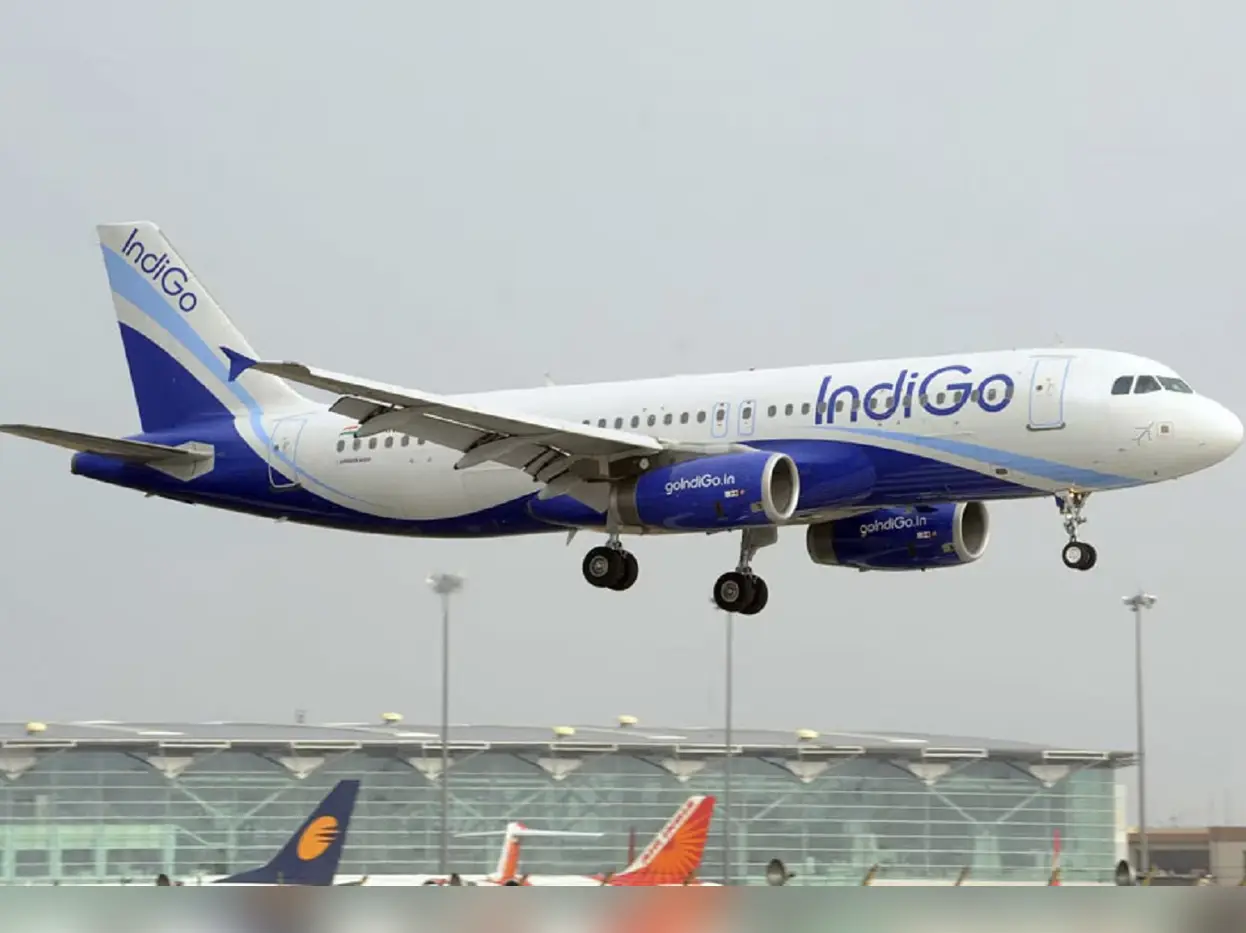)
IndiGo flight suffers tail strike in Bengaluru while landing; DGCA to probe incident
)
Beyond BrahMos: India targets Rs 50,000 crore in defence exports with unmatched price edge
)
LPU students go on rampage, vandalise campus amid widespread protest: What's happening
)
The US and China set up an AI 'red telephone', but skipped the rulebook
)
Delhi gets first late-September rain in 7 years, mercury dips 5.1°C below normal
)
‘Terror suspects arrested near UK air base were looking to do big damage’: Trump
)
99.9% more powerful - Scientists find boy who can recall memories from just 3 months of age
)
Beyond metros: How Tier-2 and Tier-3 cities could drive India’s next AI wave
)
Jaishankar at UNGA: Goodwill and friendship can't coexist with terrorism
)
Why has Iran released no proof of life of Mojtaba Khamenei? Araghchi reveals...
)
Trump asked Xi to pressure Iran. China did not say yes — here’s what Beijing wants
)
Muslim marriage cannot shield sex with minor wife from prosecution under POCSO: Delhi HC
)
Claude rebuilt the 1989 game 'Prince of Persia' by reusing the original's own code
)
50MP vs 48MP cameras: iPhone 18 Pro Max and Pixel 11 Pro XL compared
)
Russian envoy claims US tactics to contain India were revealed in ‘Freudian slip’
)
Nations League: Spain sink England at Wembley; Modric shines for Croatia
)
Musk plans to more than double xAI's chips to over 1.2 million Nvidia GPUs by year-end
)
Man arrested after his 22-year-old girlfriend dies at homestay in Guwahati; police suspect murder over suicide claim
)
'What kind of confession is this?': Pakistan PM Shehbaz Sharif’s 'terrorists would be roaming New York' remark goes viral, raises alarm online. Watch
“The food and fuel price increases will hurt lower-income households globally—including in the Americas and Asia,” IMF said.
"The main channel through which the war in Ukraine and sanctions on Russia affect the euro area economy is rising global energy prices and energy security."
"The war in Ukraine has triggered a costly humanitarian crisis that demands a peaceful resolution. At the same time, economic damage from the conflict will contribute to a significant slowdown in global growth in 2022 and add to inflation," it added.
It comes after European Central Bank reduced its growth forecast for 2022 to 3.7 percent from 4.2 percent previously predicted.
A similar prediction was made by the Organisation for Economic Cooperation and Development which said that if the war's impact proves to be lasting, eurozone growth risked being cut by up to 1.4 percentage points. Meanwhile, inflation would increase by 2.5 percentage points over a year.
“In addition to the war, frequent and wider-ranging lockdowns in China—including in key manufacturing hubs—have also slowed activity there and could cause new bottlenecks in global supply chains. Higher, broader, and more persistent price pressures also led to a tightening of monetary policy in many countries. Overall risks to economic prospects have risen sharply and policy trade-offs have become ever more challenging,” the IMF said.
“The economic effects of the war are spreading far and wide—like seismic waves that emanate from the epicenter of an earthquake—mainly through commodity markets, trade, and financial linkages,” it said.
(With inputs from agencies)