India’s education ministry tells NCERT to review textbooks every year

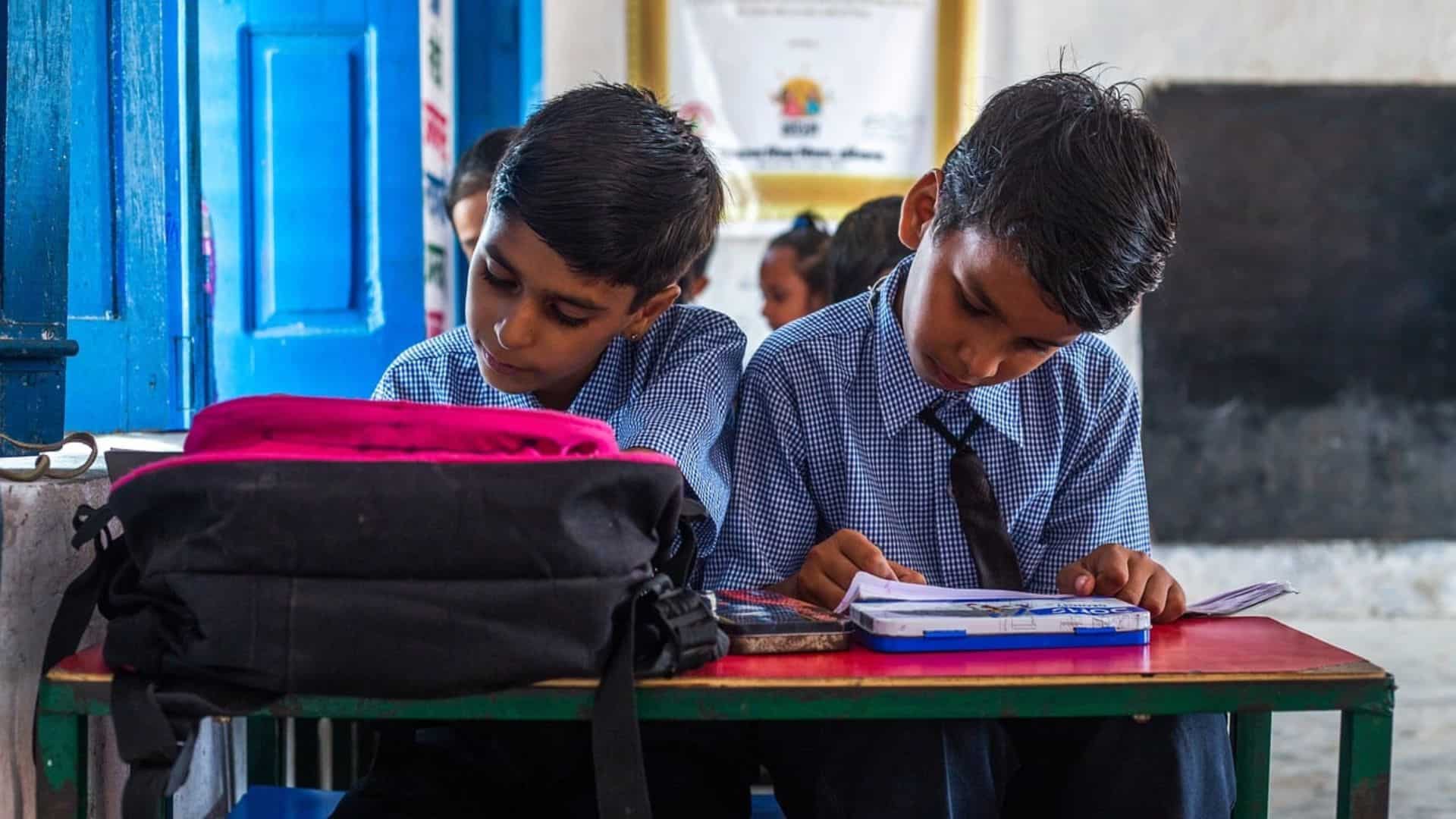
Representational image of Indian schools
India's Education Ministry has told NCERT to check textbooks every year before printing new ones for each academic year. This will make sure any needed changes are made in time.
The NCERT releases new textbooks annually before the start of the academic year. Although there isn't a set requirement to review textbooks each year, the Council has been updating content since 2017. In 2022-2023, significant changes were made as part of a syllabus revision in order to easestudent stress during the COVID-19 pandemic.
“The Ministry has told the NCERT that books should be reviewed on a yearly basis. They are soon going to put that system in place. It is important that when a student buys a book ahead of the new session it has to be the updated version of that book,” said an official, as quoted by ANI.

Explaining the reason behind it, the official said, “NCERT books once published should not remain the same for many years. They should be reviewed every year before printing and if any changes have to be made or some new facts have to be added, they should be included in the books. For instance, topics like Artificial Intelligence (AI) that are evolving. So far, there had been no mandate of yearly review of the textbooks.”
As per the official mentioned, it will require a minimum of two years to publish textbooks for all classes in accordance with the new National Curriculum Framework (NCF).
&imwidth=180&imheight=135&format=webp&quality=medium)
'My name has always been Ilhan Omar': Congresswoman hits back at Trump, calls him a 'creep'
&imwidth=180&imheight=135&format=webp&quality=medium)
Gravitas | US attack could trigger WW III: Russian planes in Tehran, Israeli jets, US warships in action
&imwidth=180&imheight=135&format=webp&quality=medium)
Viral video shows cross falling on Colombia priest, no official confirmation | WATCH
&imwidth=180&imheight=135&format=webp&quality=medium)
Bigg Boss 20: Panchayat's Aasif Khan had a massive heart attack at 34, wife reveals why he lied and called it acid reflux
&imwidth=180&imheight=135&format=webp&quality=medium)
'This is humiliation': Vijay Deverakonda under fire over controversial marriage proposal remark on Koffee With Karan 9
&imwidth=180&imheight=135&format=webp&quality=medium)
US Navy, Marine Corps boards defy Trump's transgender military ban, vote to retain troops
&imwidth=180&imheight=135&format=webp&quality=medium)
Will the US attack Iran this weekend? Trump's envoy says, 'absolutely'
&im=FitAndFill=(700,400)&imwidth=180&imheight=135&format=webp&quality=medium)
Why do army tanks have different types of armour?
&imwidth=180&imheight=135&format=webp&quality=medium)
India-China face-off continues near Arunachal’s Taksing, reveals ITBP chief in first official confirmation of tensions
&imwidth=180&imheight=135&format=webp&quality=medium)
Nairobi building collapse: Several feared trapped after 16-storey structure crumbles; rescue operation underway
&imwidth=180&imheight=135&format=webp&quality=medium)
Pakistan airline PIA unveils new crew uniforms, faces online criticism
&imwidth=180&imheight=135&format=webp&quality=medium)
Did Neha Bora call for Bangladesh-like GenZ protest, 'anarchy' in India? WION Fact-checks viral claim
&imwidth=180&imheight=135&format=webp&quality=medium)
'Completely insane, never happened': Trump's son-in-law denies allegations of secret dealings with Saudi, UAE
&imwidth=180&imheight=135&format=webp&quality=medium)
India’s 2022 CWG silver medallist Sabbhineni Meghana announces international retirement
&imwidth=180&imheight=135&format=webp&quality=medium)
Horrific video shows the moment 18-year-old fell to her death from Mexico amusement park ride
&imwidth=180&imheight=135&format=webp&quality=medium)
IND-W vs ZIM-W, 1st ODI: Rawal, Charani star in India’s nine-wicket win over Zimbabwe
&imwidth=180&imheight=135&format=webp&quality=medium)
Microsoft AI diagnoses complex medical cases more than twice as accurately as doctors, study finds
&imwidth=180&imheight=135&format=webp&quality=medium)
Google Fitbit Air’s new health guardian feature tracks trends: How it works
&imwidth=180&imheight=135&format=webp&quality=medium)
US midterms 2026: Trump revises Canada tariffs as Susan Collins faces tight re-election race in Maine
&imwidth=180&imheight=135&format=webp&quality=medium)
US midterms 2026: Viral video claims Lindsey Graham paid underage men for sex; clip released weeks before his sister's Senate race
&imwidth=180&imheight=135&format=webp&quality=medium)
AI deepfakes are spreading online: Why is removing them so difficult?
&imwidth=180&imheight=135&format=webp&quality=medium)
China's dancing robot turns violent bodyguard, lifts cars and fights intruders - Watch
&imwidth=180&imheight=135&format=webp&quality=medium)
Global cybersecurity alert: PHP flaws trigger website shutdowns as hack attempts surge into millions
&imwidth=180&imheight=135&format=webp&quality=medium)
US start-up claims it turned Mercury into Gold, beats CERN’s 2025 record
&im=FitAndFill=(700,400)&imwidth=180&imheight=135&format=webp&quality=medium)
New Friday OTT releases (October 23, 2026): Gajab Raat, Dorothy, Chaar Yaar- Watch these 6 new movies and TV shows on Netflix, Prime Video and more
&imwidth=180&imheight=135&format=webp&quality=medium)
US midterms 2026: Trump administration sues to block Alaska Senate election certification if Republican Dan Sullivan loses. What's happening?
&imwidth=180&imheight=135&format=webp&quality=medium)
Anthropic security chief issues grim cyberattack warning: ‘It’s going to get a lot worse’
&imwidth=180&imheight=135&format=webp&quality=medium)
Tu Hai Meri Kiran film review: Sonakshi Sinha and Zaheer Iqbal's thriller gets tangled in its own twists
&imwidth=180&imheight=135&format=webp&quality=medium)
First Lady Melania Trump secures ceasefire between Russia, Ukraine in Oleshky: White House
&imwidth=180&imheight=135&format=webp&quality=medium)
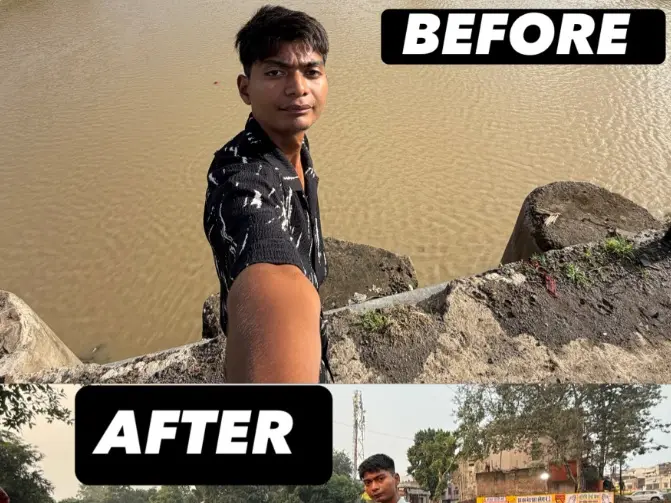
One man, 8 months of work, and a river dirty again: Why Bittu Tabahi may quit
&imwidth=180&imheight=135&format=webp&quality=medium)
Jenna Ortega plans TV break after Wednesday: ‘I want to leave time for new things’
&imwidth=180&imheight=135&format=webp&quality=medium)
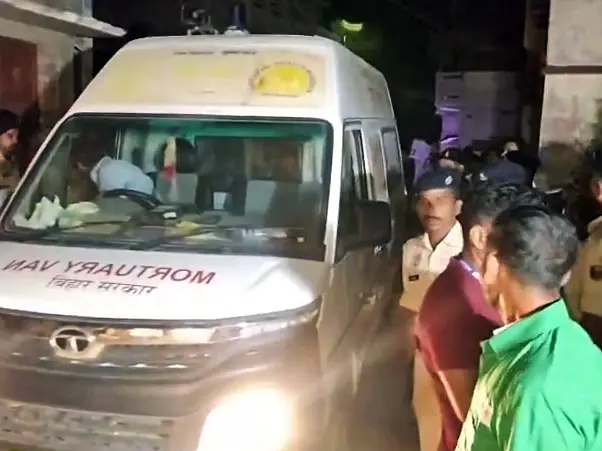
Five killed, several injured after explosion in Bihar's Siwan as firecrackers catch fire
&imwidth=180&imheight=135&format=webp&quality=medium)
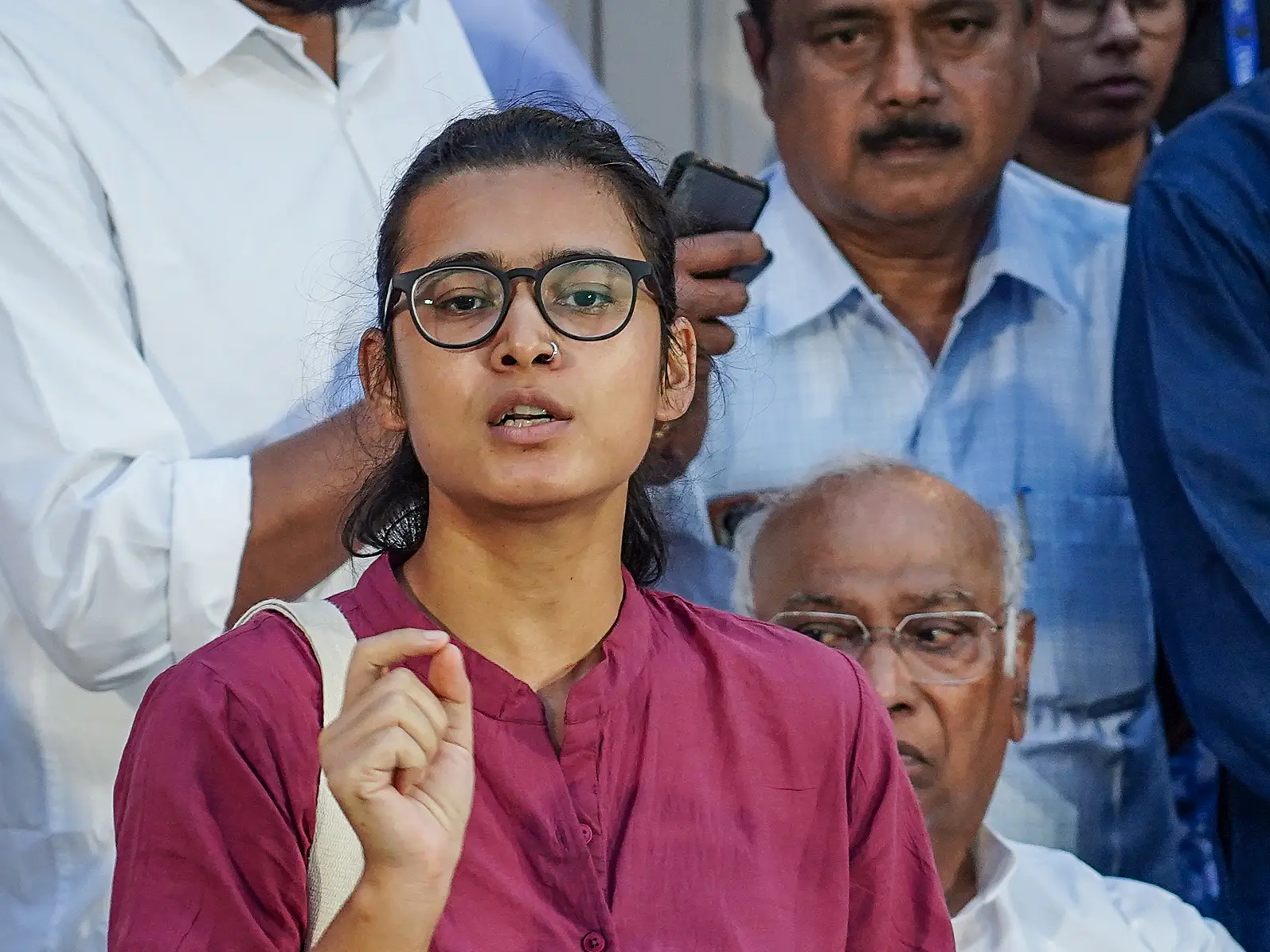
Delhi High Court rejects AISA chief Neha Bora’s plea against peace bond notice
&imwidth=180&imheight=135&format=webp&quality=medium)
Emmanuel Macron calls Paris suburb shooting a 'racist terrorist attack' after one killed, several injured
This year, NCERT is updating textbooks to match the new National Curriculum Framework (NCF) from last year, following the National Education Policy (NEP) 2020.
So far, only new textbooks for classes 3rd and 6th have been released in line with the NCF. The revisions include hefty changes in History, Political Science, and Sociology textbooks. Some topics like Babri Masjid, Hindutva politics, the 2002 Gujarat riots, and minorities have been removed.
Also watch |India Elections 2024 | Voter apathy highest in urban India: Why millions of Indians don't vote
Instead, references to Article 370's abrogation and replacing "Azad Pakistan" with "Pakistan occupied Jammu and Kashmir (POJK)" have been added. Additionally, a paragraph redefining the Left has been revised to focus on state regulation over free competition.
(With inputs from agencies)