India slams OIC for statement criticising Supreme Court’s Article 370 verdict

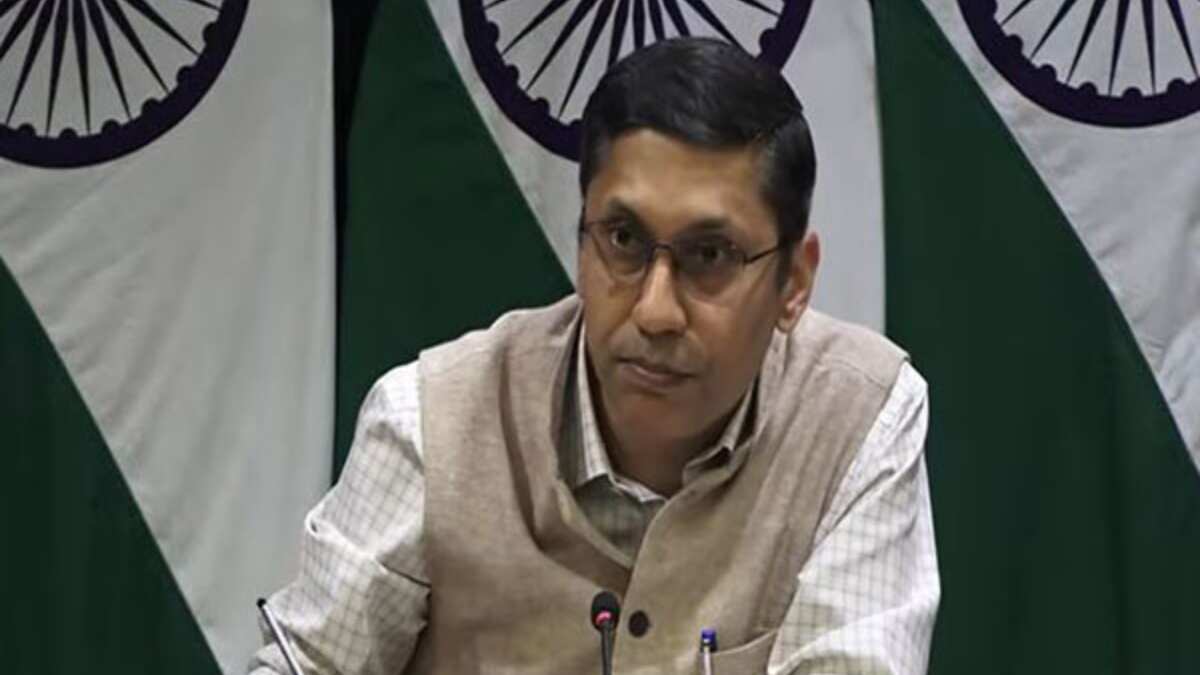
MEA spokesperson Arindam Bagchi
The Indian Ministry of External Affairs (MEA) on Tuesday (Dec 13) slammed theOrganisation of Islamic Cooperation (OIC) for itsstatement criticising the decision by the Indian Supreme Court to uphold the abrogation of Article 370 in the erstwhile state of Jammu & Kashmir.
MEA spokesperson Arindam Bagchi, during a presser, said New Delhi rejected OIC's statement, terming it 'ill-informed and ill-intended'.
“India rejects the statement issued by the General Secretariat of the Organisation of Islamic Cooperation (OIC) on a judgment of the Indian Supreme Court," said Bagchi.

"It is both ill-informed and ill-intended. That OIC does so at the behest of a serial violator of human rights and an unrepentant promoter of cross-border terrorism makes its action even more questionable. Such statements only undermine OIC’s credibility," he added, in an oblique reference to Pakistan.
A day after the top court issued its verdict, OIC expressed "concern" over the decision, claiming the reversal of Article 370 was "illegal and unilateral".
"The General Secretariat reaffirms its solidarity with the people of Jammu and Kashmir in their quest for the right of self-determination and reiterates its call on the international community to enhance its efforts to resolve the issue of Jammu and Kashmir in accordance with the relevant United Nations Security Council resolutions," OIC said in the statement.
&imwidth=180&imheight=135&format=webp&quality=medium)
Poland: 19-year-old stabs several at Polish vocational school
&imwidth=180&imheight=135&format=webp&quality=medium)
'Baseless and misconceived': India issues statement after Elon Musk's 'oligarchs' claim over Starlink delay
&imwidth=180&imheight=135&format=webp&quality=medium)
‘Team first and team ahead’: India coach Gambhir pens heartfelt wish for chief selector Ajit Agarkar
&imwidth=180&imheight=135&format=webp&quality=medium)
October 7 mystery: Warnings, IDF response, Hannibal Directive, Nova festival
&imwidth=180&imheight=135&format=webp&quality=medium)
Trump's naked 23-karat gold statue unveiled near European Parliament
&imwidth=180&imheight=135&format=webp&quality=medium)
Russia warns Lithuania over nuclear weapons, Europe braces for massive hybrid attack | Gravitas
&imwidth=180&imheight=135&format=webp&quality=medium)
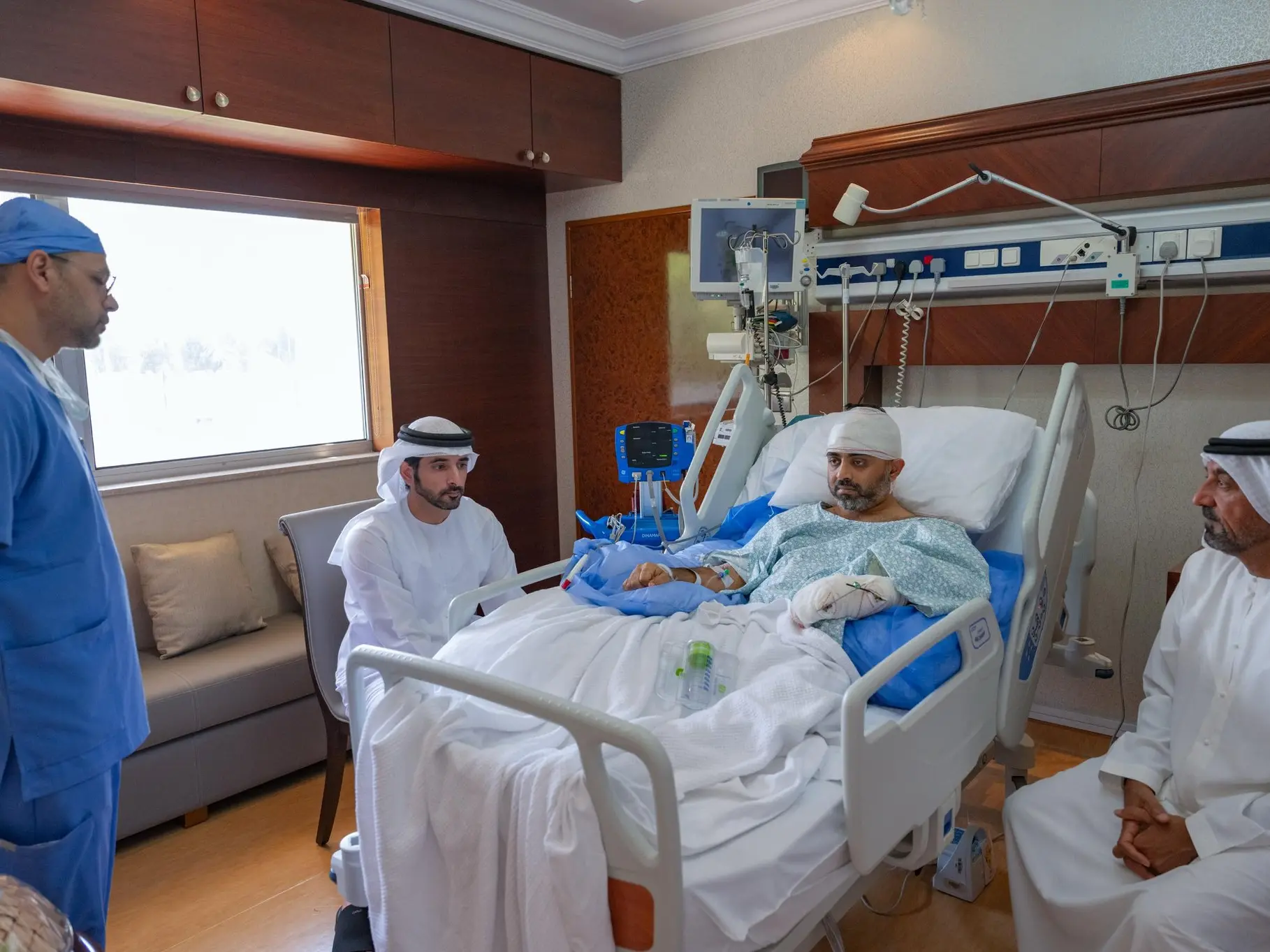
Captain Smit Machchhar on feet again, walks 10 steps as recovery continues after Flydubai flight attack
&imwidth=180&imheight=135&format=webp&quality=medium)
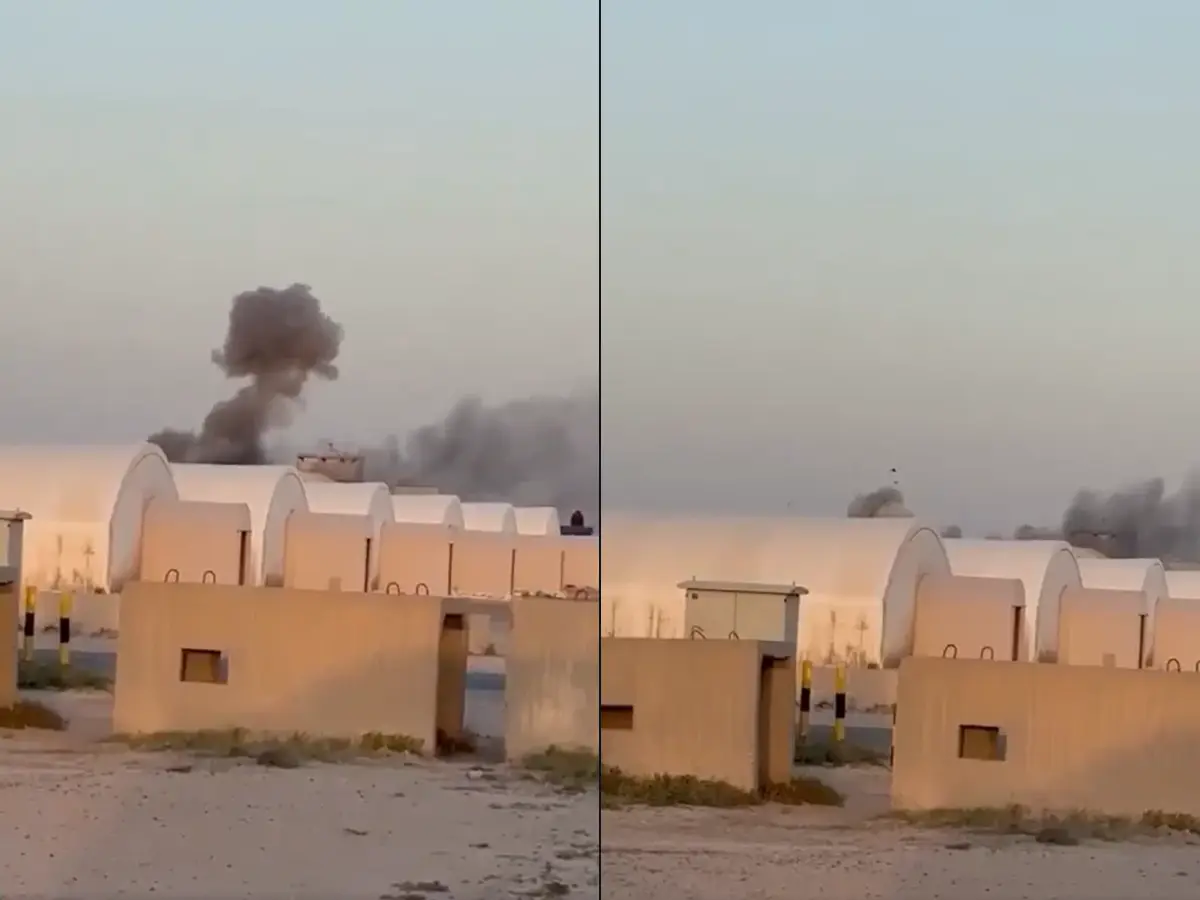
'They came in, they hit us': New videos show Iranian attacks on US Camp Buehring in Kuwait | Watch
&imwidth=180&imheight=135&format=webp&quality=medium)
Trump distances himself from senior political advisers over work for pro-Russian government
&imwidth=180&imheight=135&format=webp&quality=medium)
Narendra Modi Stadium bomb threat declared hoax; India & Australia U19 squads safe
&imwidth=180&imheight=135&format=webp&quality=medium)
US midterms 2026: Why the Latino vote could shape control of Congress
&imwidth=180&imheight=135&format=webp&quality=medium)
US Midterms 2026: Barack Obama hits campaign trail to boost Democratic candidates
&imwidth=180&imheight=135&format=webp&quality=medium)
Shia LaBeouf and Mia Goth head for divorce after nearly 10 years
&imwidth=180&imheight=135&format=webp&quality=medium)
Nicolas Maduro, wife likely to face new charges over alleged torture of US citizens: Report
&imwidth=180&imheight=135&format=webp&quality=medium)
Texas man executed by lethal injection; first US execution since botched Christa Pike execution
&imwidth=180&imheight=135&format=webp&quality=medium)
Christa Pike wakes after failed execution, asks 'Where am I and who are you?'
&imwidth=180&imheight=135&format=webp&quality=medium)
Christa Pike 'angry' and 'confused' after failed execution; judge orders to preserve evidence
&imwidth=180&imheight=135&format=webp&quality=medium)
Nigerian President Bola Ahmed Tinubu hails Modi’s 25-year leadership milestone, calls for deeper Nigeria-India strategic ties
&im=FitAndFill=(700,400)&imwidth=180&imheight=135&format=webp&quality=medium)
US midterms 2026: 10 leaders and candidates to watch in the battle for Congress
&imwidth=180&imheight=135&format=webp&quality=medium)
Africans knew how to build 20-storey skyscrapers 2,800 years ago
&imwidth=180&imheight=135&format=webp&quality=medium)
First signs of Planet Nine may have been finally detected
&imwidth=180&imheight=135&format=webp&quality=medium)
Veteran actor Nana Patekar dies at 75 after suffering cardiac arrest
&imwidth=180&imheight=135&format=webp&quality=medium)
Musk alleges ‘oligarchs’ blocking Starlink in India, here is what we know so far
&imwidth=180&imheight=135&format=webp&quality=medium)
Lightning strikes IndiGo Patna-Lucknow flight at 17,000 feet, damages nose; all 110 safe
&im=FitAndFill=(700,400)&imwidth=180&imheight=135&format=webp&quality=medium)
New OTT releases this week (October 5-11, 2026): Reporting Live, Animals, Carrie- 8 new titles coming on Netflix, Prime Video, JioHotstar and more
&imwidth=180&imheight=135&format=webp&quality=medium)
‘Hinduism is inclusive, Abrahamic faiths inherently exclusive,’ says Madras HC, rejects FCRA registration plea
&imwidth=180&imheight=135&format=webp&quality=medium)
Mall of America attack: FBI arrests man over alleged ISIS-inspired mass shooting plot with AK-47 and 200 rounds
&imwidth=180&imheight=135&format=webp&quality=medium)
'I should win it': Trump renews Nobel Peace Prize claim ahead of 2026 announcement
&imwidth=180&imheight=135&format=webp&quality=medium)
IndiGo flight struck by lightning at 17,000 feet, nose of Patna-Lucknow flight damaged
&im=FitAndFill=(700,400)&imwidth=180&imheight=135&format=webp&quality=medium)
World’s top vehicle producers: Top 10 countries making the most cars. Check where India stands
&imwidth=180&imheight=135&format=webp&quality=medium)
ICC Rankings: Shreyas Iyer breaks into top 10 after maiden T20I hundred in Lucknow
&imwidth=180&imheight=135&format=webp&quality=medium)
Trump to honour Elon Musk, Sergey Brin and Jensen Huang with top science honour at White House. Check the full list here
&imwidth=180&imheight=135&format=webp&quality=medium)
'We don't think so': Trump says Russian plague lab worker's death not linked to bio-weapon
&imwidth=180&imheight=135&format=webp&quality=medium)
France protests: How a Gen Z school movement turned into a political war | The Verdict
Notably, OIC has 57 member states from across four continents and describes itself as the voice of the Muslim world. The organisation has been known for taking a radical approach to Kashmir and has sided with Pakistan which claims authority over parts of the region.
Watch |Article 370 verdict LIVE: India PM Modi says, 'it's a beacon of hope...' on Article 370
The historic judgment
In a historic judgment, the apex court on Monday (Dec 11) approved the Union government's 2019 decision to abrogate Article 370.
A five-judge Constitution bench, presided by Chief Justice of India (CJI) DY Chandrachud, Justices SK Kaul, Sanjeev Khanna, B R Gavai and Surya Kant delivered the verdict.
While reading out the verdict, the CJI made it clear that Article 370 was a temporary provision “on a reading of the historical context in which it was included" and thus its exclusion was perfectly in the realms of constitutional boundary. He added that J&Kholds no internal sovereignty after accession to India.
"It was only to further the relationship with the Union which was already defined under Article 370 and the proclamation by Yuvraj Karan Singh," he said.
Additionally, in a concurrent ruling,Justice Sanjay Kishan Kaul called for an impartial investigation into human rights abuses in Jammu and Kashmir since the 1980s, carried out by both state and non-state actors.
(With inputs from agencies)