India must miniaturise satellites, develop re-usable launch vehicles: Chief of Defence Staff

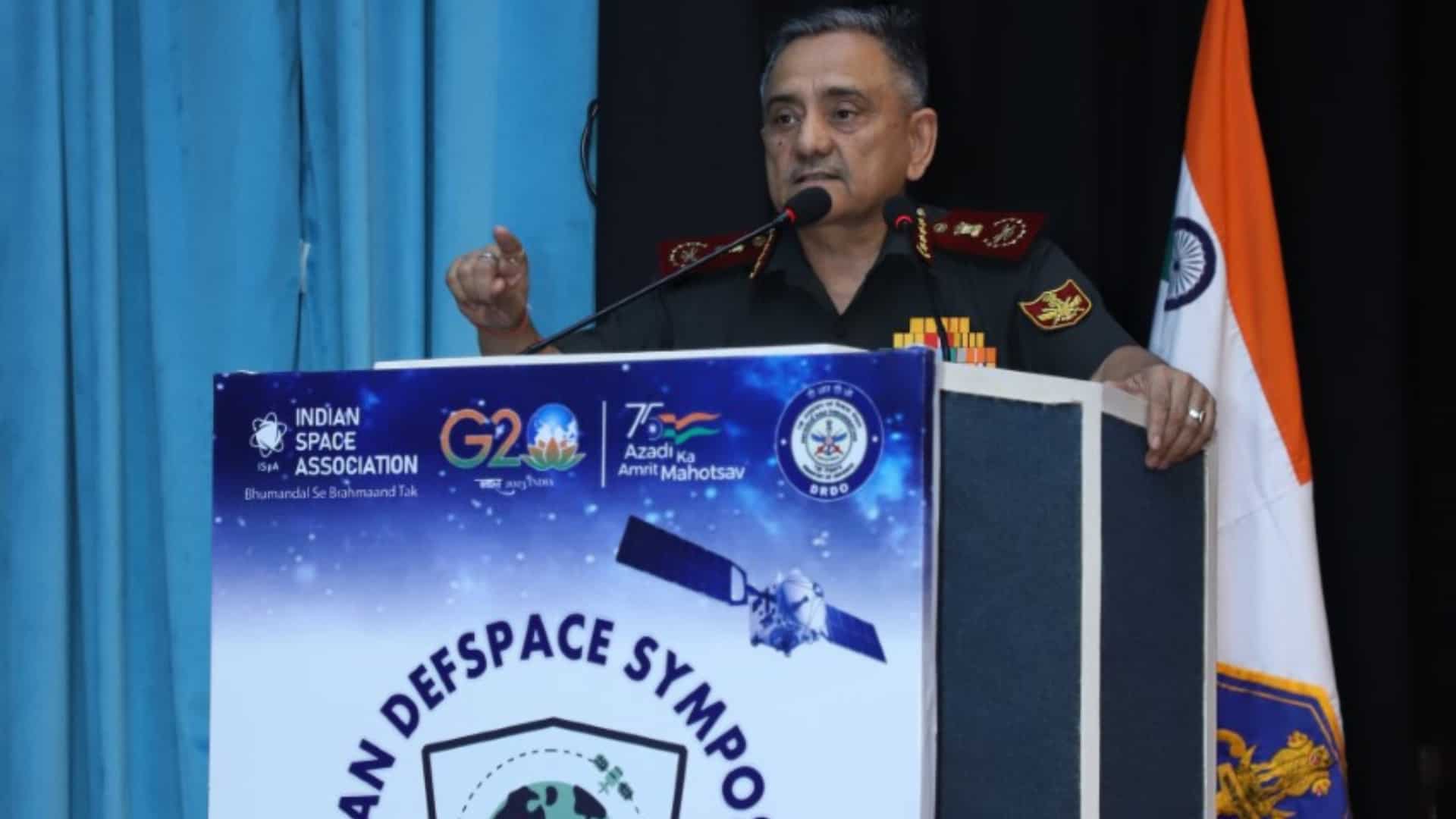
Gen Anil Chauhan
India must work on expanding its existing navigation with the Indian Constellation ('NavIC') series of satellites, provide space-based Intelligence Surveillance and Reconnaissance (ISR) and ensure secure satellite-assisted communications, said Chief of Defence Staff, Gen Anil Chauhan.
India's highest-ranking military officer was speaking at the ‘Indian DefSpace Symposium 2023’, organised by the Indian Space Association and the Defence Research and Development Organization (DRDO).
Speaking on the occasion, Lt Gen AK Bhatt (Retd.), Director General, Indian Space Association, said, “the symposium will pave the way forward of how we leverage international space cooperation and also the policy and strategy for building an overall comprehensive defence space strategy."

ALSO READ |India to soon conduct trial run of its first underwater metro
At the event aimed at enhancing collaboration between India's Space and Defence sectors, GenChauhan emphasised on the need to develop dual-use(utilised for civilian and military purposes) platforms with special focus towards incorporating cutting-edge technology.
Touching upon what was expected from the Indian space sector, he said that India needed to focus on miniaturisation of satellites, reusable launch vehicles and similar cost-effective solutions. He also mentioned the need to safeguard India's space assets with counter-space capabilities(anti-satellite weapons).
)
IND vs JPN one-off T20I: India survive scare from Japan to win five-over a side match by 2 runs
)
Putin's United Russia party wins 355 seats in Duma election; 4 other parties cross threshold to enter parliament
)
AI models chose to harm humans to stop ‘pain,’ alarming study raises fresh safety questions
)
‘0% chance’: Nvidia CEO Jensen Huang dismisses AI extinction fears by 2030
)
Samay Raina-Mukesh Chhabra controversy explained: What happened over girlfriend joke on India's Got Latent?
)
Trump's helipad event overshadowed by audio failure as major TV networks suspend pool coverage
)
Russia-Ukraine war: Russian strikes knock out three of Ukraine's largest steel plants
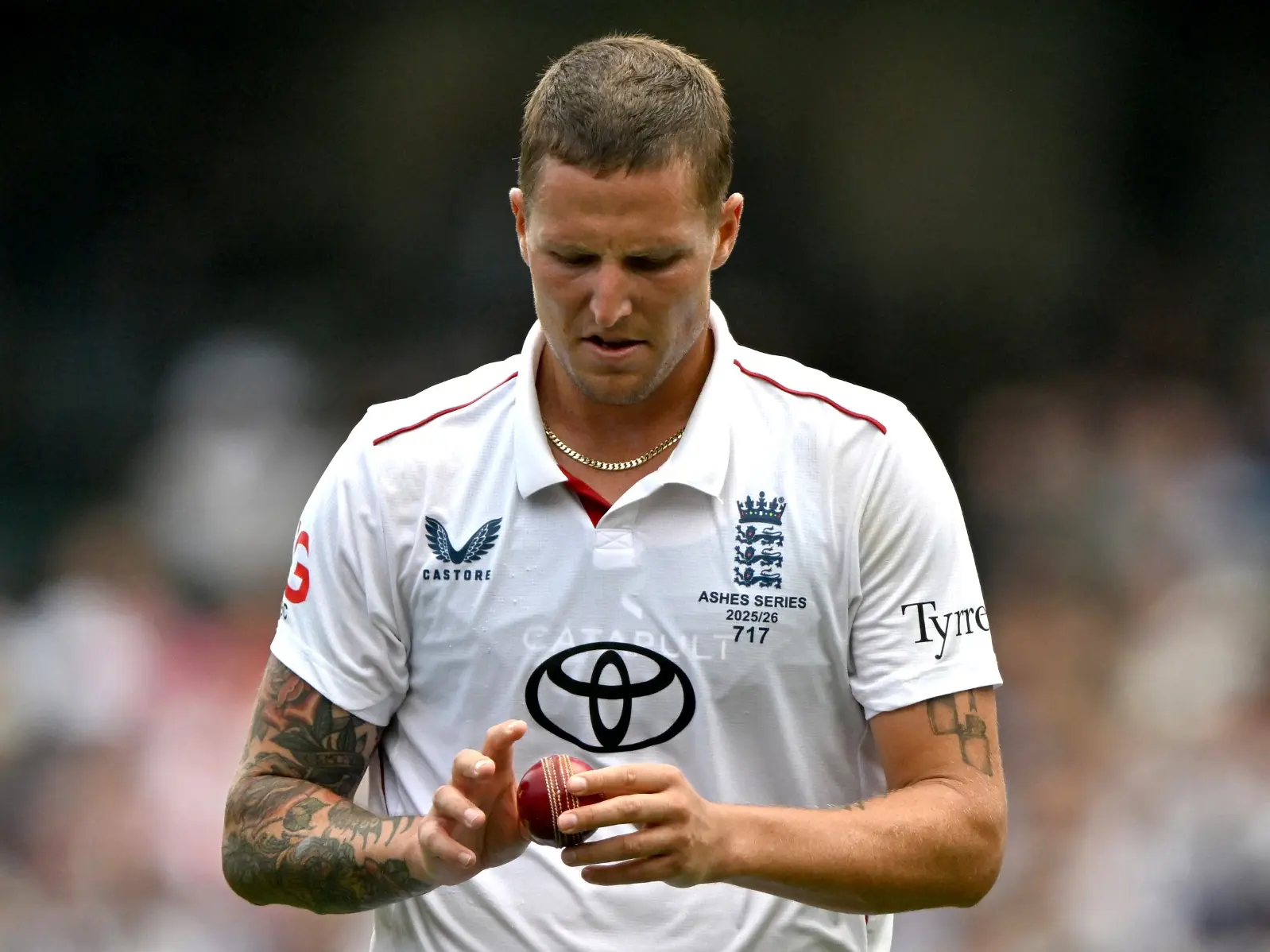)
'Needs time away from the international scene': England white-ball captain Brook on pacer Brydon Carse's future
)
Glitch in the matrix caught on camera: Woman vanishes after talking to reporter
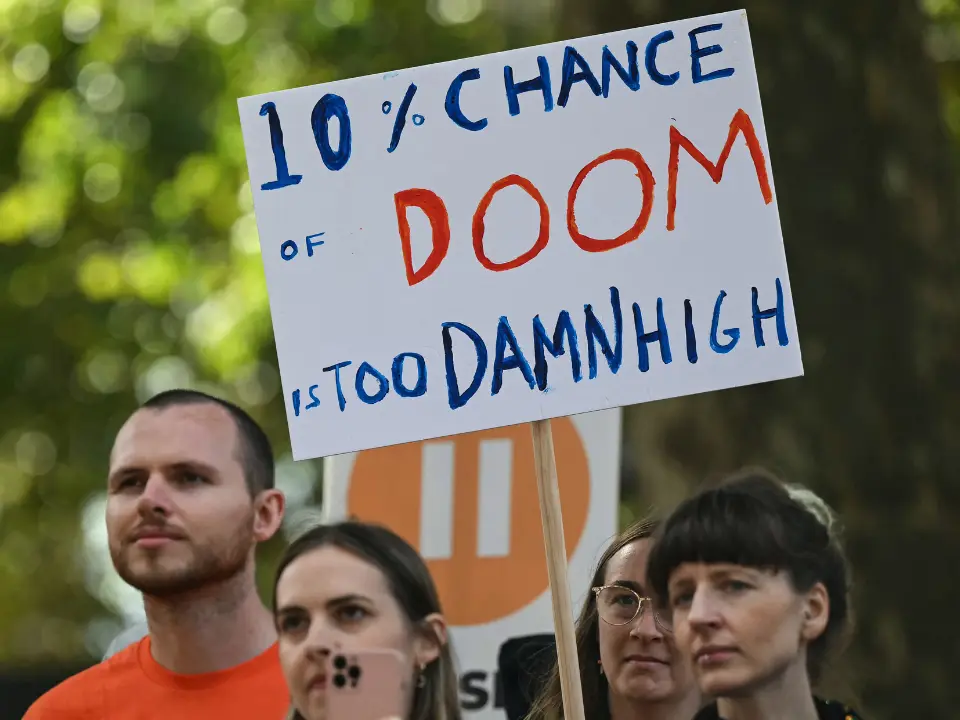)
Anti-AI activists storm summit, say 'incompetent' leaders are leading us into a disaster - 'We need a vote'
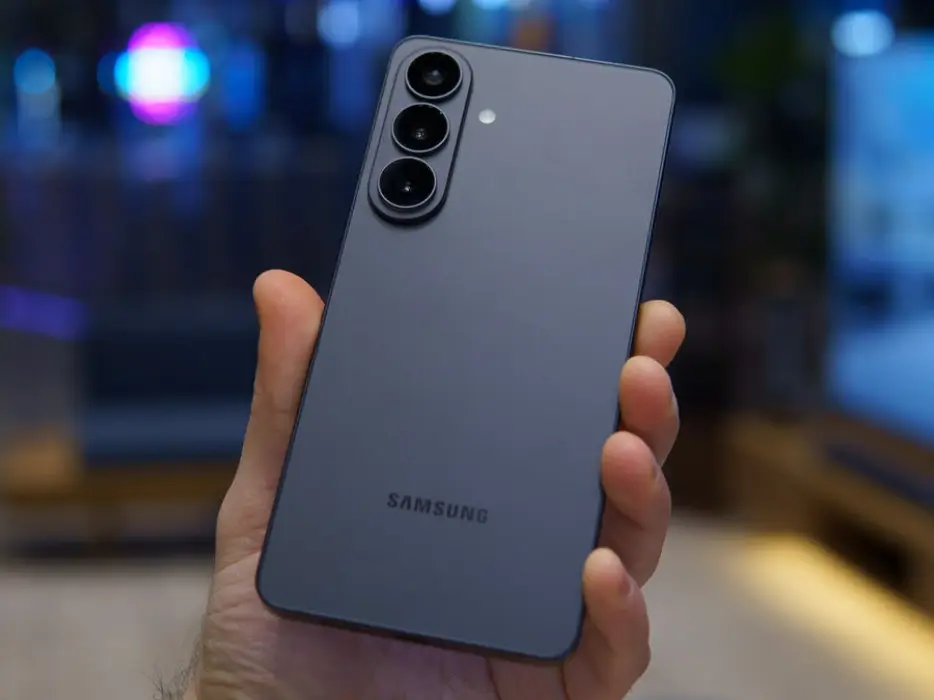)
Samsung raises Galaxy S26 prices by Rs 20,000: Here’s what each model now costs
)
J&K Assembly Session begins amid chaos: BJP, ruling alliance clash as statehood demand dominates
)
Key accused in Bihar's Jamui molestation case, arrested after police shoot him in leg
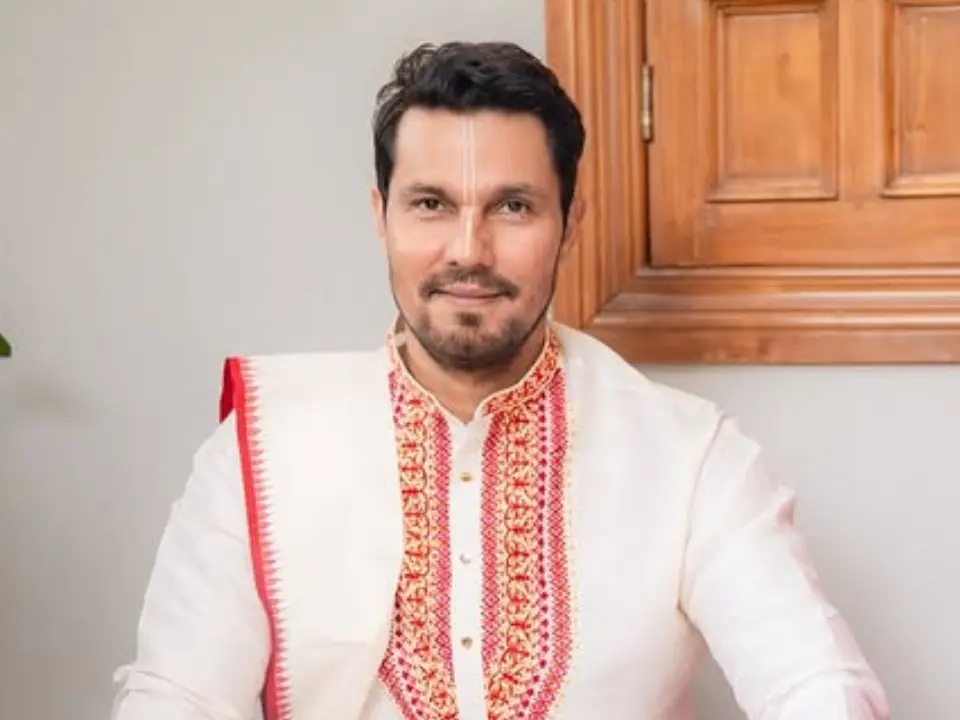)
Randeep Hooda arrives in Gujarat for his first National Film Award: ‘Very grateful’
)
US and China vie for AI dominance as calls grow for regulation | Gravitas
&im=FitAndFill=(700,400))
Anant Nag to recieve Dadasaheb Phalke Award: From Ankur to Nishant- Revisit his best films and iconic performances on OTT
)
FIFA chief Infantino wants to reform governing body with consultation from federations
)
The Verdict | The Mecca Agreement is under scrutiny as Houthis attack Saudis
)
India at UNGA81: Jaishankar warns global order under 'growing stress', pushes for ‘reformed multilateralism’
)
Raaka creates history! Allu Arjun’s film secures Guinness World Record ahead of release
)
Saudi Arabia exits China-led mBridge digital currency platform amid Saudi-Houthi conflict
)
'Lot of things to learn from experienced players': Jayasuriya backs Rohit, Virat for 2027 ODI World Cup
)
$110 billion Warner Bros merger: Paramount reaches settlement with 12 US states
&im=FitAndFill=(700,400))
New OTT releases this week (September 21-27, 2026): Shaque: Trust No One, Hunkkaar, Don’t Be Shy- 5 new titles coming to Netflix, Prime Video and more
)
From ‘communist’ to ‘great mayor’: Trump praises Mamdani after New York meeting, discusses immigration and housing
)
Report: Zelensky meets CIA chief Ratcliffe at Shannon airport, weeks after his secret Moscow trip
)
How Zaheer Khan came to be CSK's head coach of IPL 2027
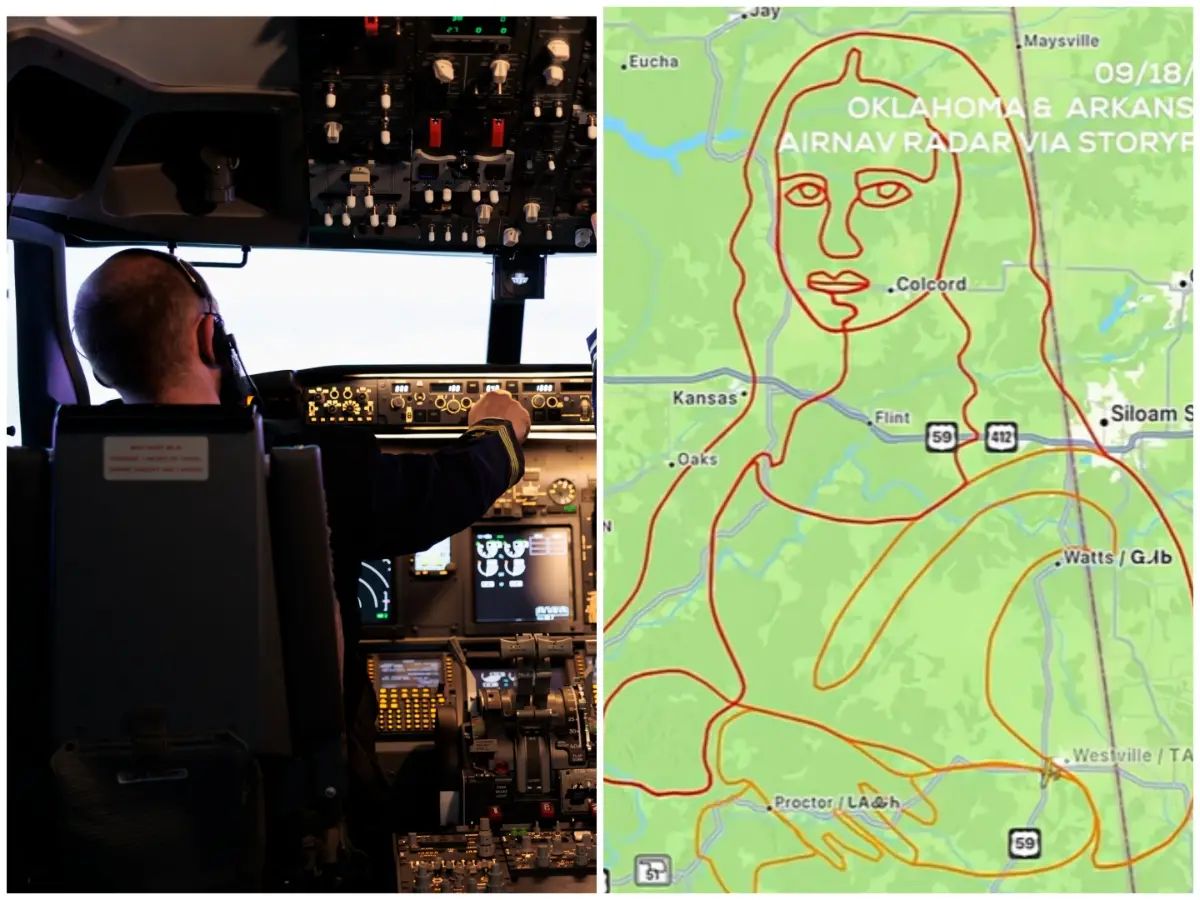)
Pilot recreates Mona Lisa in sky over Oklahoma and Arkansas in four-hour flight: VIDEO
)
UK PM Burnham agrees to 'defensive' military support for Saudi Arabia against Houthis
)
Jailer 2: Vidya Balan joins Rajinikanth's upcoming film as Kantha | Watch
)
Microsoft executive called AI training the ‘largest theft of labour in human history’
)
40-foot waves crash into cruise ship in dangerous stretch near Antarctica. Watch
)
US-Iran war, peace deals and more: What to expect from Trump's UNGA 2026 speech
)
Explainer: Why rare-earth export licences and Board of Trade are US priorities ahead of Trump-Xi summit
)
BTS fans mock iHeartRadio’s day 2 turnout after short set controversy
)
Two infants die after fire breaks out at RIMS newborn care unit in Telangana's Adilabad
India's NavIC series of navigation satellites presently provide coverage throughout the Indian landmass and up to 1500 kms further from India's frontiers. WION has learnt that the Indian Space agency ISRO is likely to launch the next-generation of NavIC satellite 'NVS-01' in May, on-board a GSLV rocket.
ALSO READ |India: Police officer places order on e-com firm, his details get leaked to scammers
This will be the first of the series of NaVIC satellites with L1 frequency band and will offer greater security. While India does have more than 50 satellites orbiting the earth and performing various functions, most of them are large and expensive ones.
Developing low-cost and highly-efficient nano satellites that can be built and deployed rapidly are an area that requires attention, in India. While India operates four types of launch vehicles of varying sizes and payload capacities, all of them are expendable. India is working on reusable rocket technology.
Speaking at the event, Dr Samir V Kamat, Chairman, Defence Research and Development Organisation (DRDO), mentioned how the premier defence lab has started increasing focus on space-based surveillance, space situational awareness, protecting space-based assets.
"We are now looking at working very closely with industry as well as academia right from the development stage and have started DRDO industry-academia Centers of excellence in about 15 institutions mostly within the country. We request academia, startups, MSMEs and larger companies to work with us closely so we can help our country achieve these capabilities much faster than what we have been able to do for all other systems,” he said.
WATCH WION LIVE HERE: