IAF Sukhoi Su-30 goes missing from radar in Assam during training mission, crashes

&imwidth=600&imheight=450&format=webp&quality=medium "IAF Sukhoi Su-30 goes missing from radar in Assam during training mission, crashes")
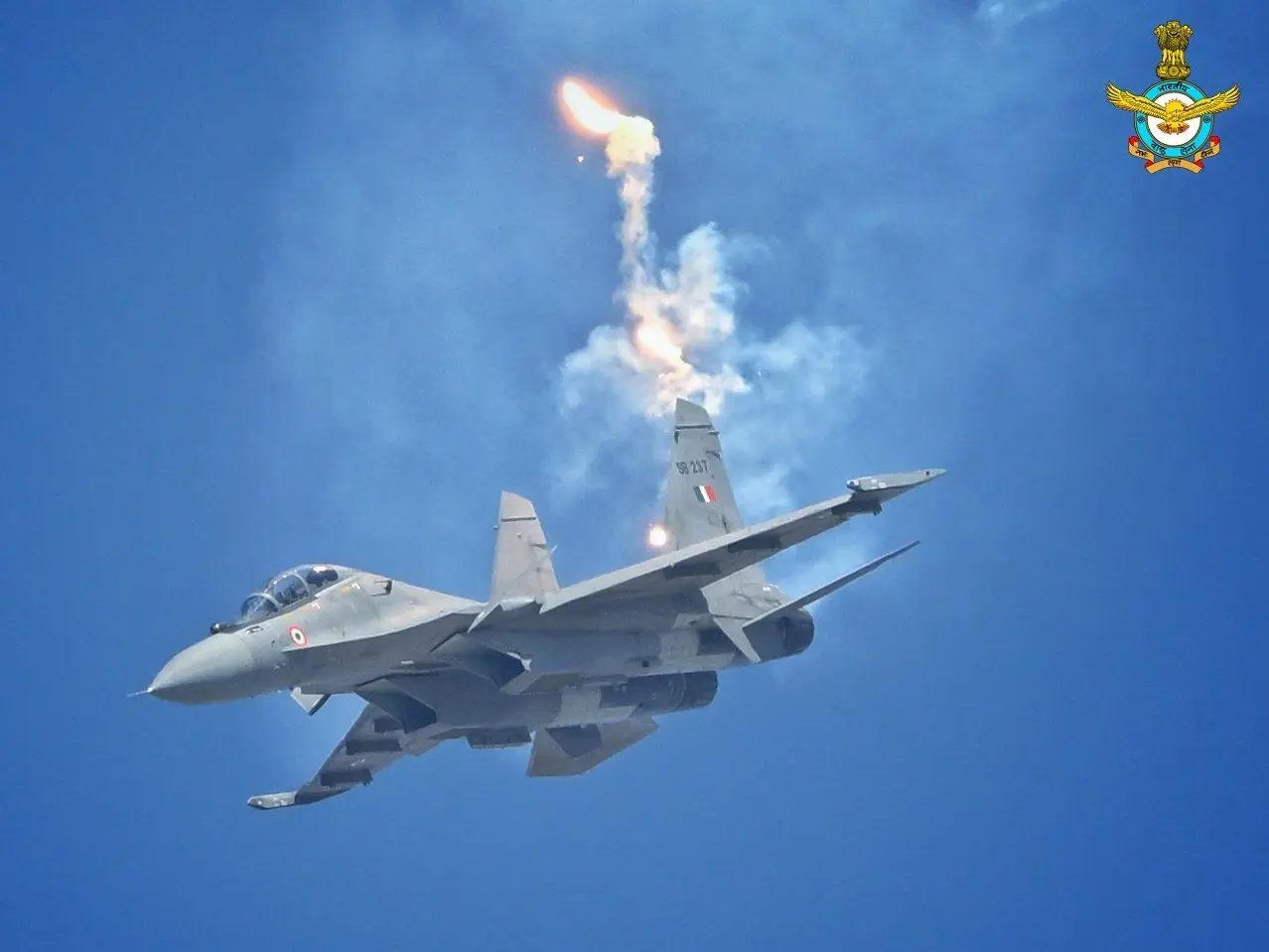
IAF Sukhoi Su-30 goes missing from radar in Assam Photograph: (Indian Air Force)
IAF Sukhoi Su-30 fighter jet goes missing from the radar contact in Assam; officials say search operations are underway to trace the missing aircraft and crew
A Sukhoi Su-30 fighter jet, which lost radar contact in Assam on Thursday (March 5), crashed in the area of Karbi Anglong, Assam, approximately 60 kms from Jorhat, the Indian Air Force confirmed in a post on X. The aircraft had taken off from Jorhat, Assam, and was last in contact at 7.42 pm, the Indian Air Force earlier said in a post on X.
The Sukhoi Su-30MKI, a heavily customised variant of a fighter aircraft originally developed by Russia in the 1980s, has long served as the backbone of the Indian Air Force. Several squadrons of the Su-30MKI are stationed in India’s northeastern region. The Russian-built jets were first delivered in 1997, and they are now manufactured in India by Hindustan Aeronautics Limited. At present, the Indian Air Force operates more than 250 of these aircraft.
So what exactly happened to the Sukhoi Su-30?
In this case, the fighter jet lost both radar contact and communication links, meaning ground controllers can no longer monitor its position through standard tracking systems. When an aircraft’s exact location cannot be confirmed, the Air Force typically treats the situation as a potential emergency until the aircraft or its crew are located.
In such scenarios, a search-and-rescue operation is usually launched. Helicopters, aircraft, and ground teams are deployed to comb the last known location or the jet’s possible flight path. The primary objective is to quickly re-establish contact, locate the aircraft, and ensure the safety of both the pilot and the jet. However, an aircraft being described as “overdue” does not necessarily mean it has crashed. In some cases, it may simply be due to communication failure, technical issues, adverse weather conditions, or diversion to another airbase.
&imwidth=280&imheight=210&format=webp&quality=medium)
&im=FitAndFill=(700,400)&imwidth=280&imheight=210&format=webp&quality=medium)
&imwidth=280&imheight=210&format=webp&quality=medium)
&imwidth=280&imheight=210&format=webp&quality=medium)
&imwidth=280&imheight=210&format=webp&quality=medium)
&imwidth=280&imheight=210&format=webp&quality=medium)
&imwidth=280&imheight=210&format=webp&quality=medium)
&imwidth=280&imheight=210&format=webp&quality=medium)
&imwidth=280&imheight=210&format=webp&quality=medium)
&imwidth=280&imheight=210&format=webp&quality=medium)
&imwidth=280&imheight=210&format=webp&quality=medium)
&imwidth=280&imheight=210&format=webp&quality=medium)
&imwidth=280&imheight=210&format=webp&quality=medium)
&imwidth=280&imheight=210&format=webp&quality=medium)
&imwidth=280&imheight=210&format=webp&quality=medium)
&imwidth=280&imheight=210&format=webp&quality=medium)
&imwidth=280&imheight=210&format=webp&quality=medium)
&imwidth=280&imheight=210&format=webp&quality=medium)
&imwidth=280&imheight=210&format=webp&quality=medium)
&im=FitAndFill=(700,400)&imwidth=280&imheight=210&format=webp&quality=medium)
&imwidth=280&imheight=210&format=webp&quality=medium)
&imwidth=280&imheight=210&format=webp&quality=medium)
&imwidth=280&imheight=210&format=webp&quality=medium)
&imwidth=280&imheight=210&format=webp&quality=medium)
&imwidth=280&imheight=210&format=webp&quality=medium)
&imwidth=280&imheight=210&format=webp&quality=medium)
&imwidth=280&imheight=210&format=webp&quality=medium)
&imwidth=280&imheight=210&format=webp&quality=medium)
&im=FitAndFill=(700,400)&imwidth=280&imheight=210&format=webp&quality=medium)

&im=FitAndFill=(700,400)&imwidth=280&imheight=210&format=webp&quality=medium)
&imwidth=280&imheight=210&format=webp&quality=medium)
&imwidth=280&imheight=210&format=webp&quality=medium)
&imwidth=280&imheight=210&format=webp&quality=medium)
&imwidth=280&imheight=210&format=webp&quality=medium)
&imwidth=280&imheight=210&format=webp&quality=medium)
&imwidth=280&imheight=210&format=webp&quality=medium)

