G20 summit in Delhi: Trends show gaps in leaders’ attendance each year

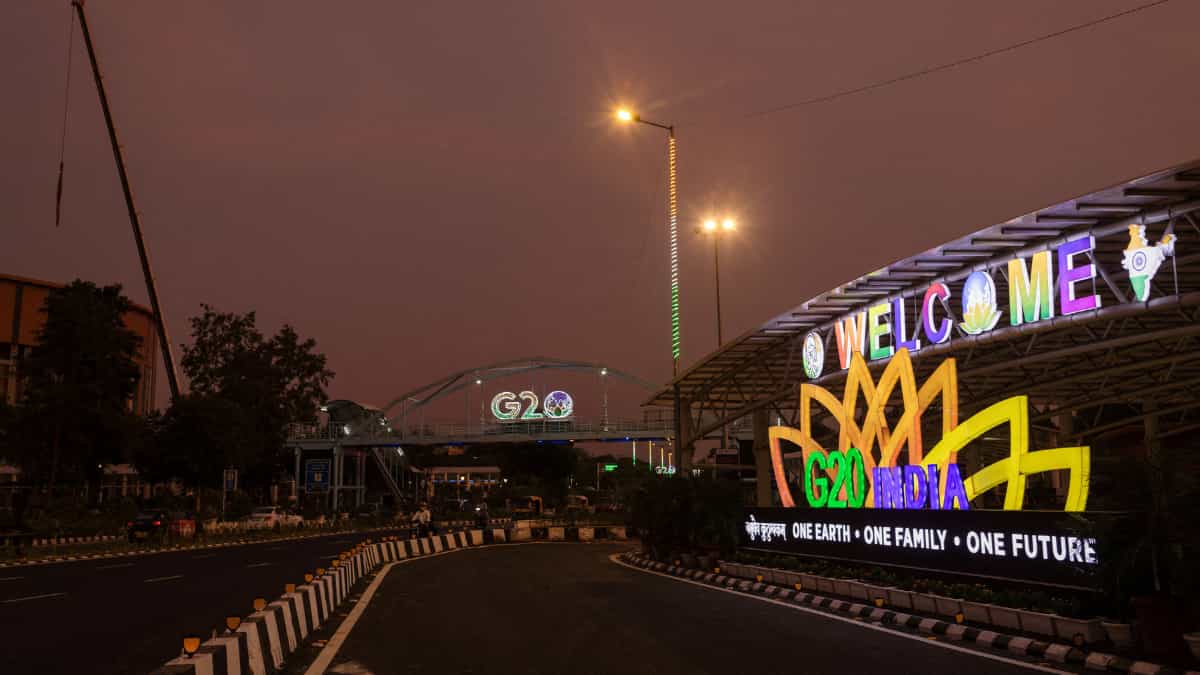
G20 Delhi
In just a week, the world’s attention will converge on New Delhi as the Indian capital plays host to its inaugural G20 Summit, an event that has drawn global leaders to address some of the most pressing issues of our time. As anticipation builds, the international community eagerly awaits confirmation from leaders, understanding that attendance dynamics are shaped by geopolitics and domestic priorities.
Delving into the annals of G20 Summit history reveals a remarkable consistency – since 2010, there hasn’t been a single instance where all member countries attended at the head of state/head of government (HOS/HOG) or leaders level. This pattern underscores the complexity of factors influencing leaders’ decisions to attend these pivotal gatherings.
The variability in attendance becomes even more striking when examining specific instances of countries being represented below the leadership level. On six occasions, a single leader from a country was absent (2010, 2011, 2012, 2013, 2016, 2017), while on five occasions, two leaders chose not to attend (2010, 2014, 2015, 2018, 2019).

ALSO READ |G20 Summit: Biden, Xi, Erdogan among 25+ world leaders to be present at Delhi high table
The 2021 Rome Summit stands out as an anomaly, with a record-breaking six leaders skipping the G20 meeting. This occurred even as the world was recovering from the COVID-19 pandemic, a time when leaders faced critical domestic challenges.
In contrast, the 2022 Bali Summit saw three leaders absent, overshadowed by the Ukraine conflict. Notably, this summit marked the first time the traditional “leaders’ family photo” was absent, as Western leaders hesitated to stand alongside Russian Foreign Minister Sergey Lavrov.
&imwidth=180&imheight=135&format=webp&quality=medium)
'Baseless and misconceived': India issues statement after Elon Musk's 'oligarchs' claim over Starlink delay
&imwidth=180&imheight=135&format=webp&quality=medium)
‘You earned that love’: Messi’s wife shares heartfelt message as football icon bids farewell to international stage
&imwidth=180&imheight=135&format=webp&quality=medium)
BJP chief Nitin Nabin calls Rahul Gandhi ‘anarchist’, says Oppn ‘spreading poison’ in society
&imwidth=180&imheight=135&format=webp&quality=medium)
‘Team first and team ahead’: India coach Gambhir pens heartfelt wish for chief selector Ajit Agarkar
&imwidth=180&imheight=135&format=webp&quality=medium)
Trump's naked 23-karat gold statue unveiled near European Parliament
&imwidth=180&imheight=135&format=webp&quality=medium)
Nana Patekar: Remembering a legend of the Indian cinema
&imwidth=180&imheight=135&format=webp&quality=medium)
Thai Actors Fourth Nattawat, Gemini Norawit face racism accusations from Indian fans over viral Bollywood act
&imwidth=180&imheight=135&format=webp&quality=medium)
Captain Smit Machchhar on feet again, walks 10 steps as recovery continues after Flydubai flight attack
&imwidth=180&imheight=135&format=webp&quality=medium)
Ronaldo sends 'a hug' after Messi says he misses 'wearing the blue and white'
&imwidth=180&imheight=135&format=webp&quality=medium)
Trump distances himself from senior political advisers over work for pro-Russian government
&imwidth=180&imheight=135&format=webp&quality=medium)
A Love Other Than Yours: The temptation to cheat and what pushes people over the edge
&imwidth=180&imheight=135&format=webp&quality=medium)
Narendra Modi Stadium bomb threat declared hoax; India & Australia U19 squads safe
&imwidth=180&imheight=135&format=webp&quality=medium)
US midterms 2026: Why the Latino vote could shape control of Congress
&imwidth=180&imheight=135&format=webp&quality=medium)
BTS agency HYBE announces first-ever Weverse Con Festival in India
&imwidth=180&imheight=135&format=webp&quality=medium)
US Midterms 2026: Barack Obama hits campaign trail to boost Democratic candidates
&imwidth=180&imheight=135&format=webp&quality=medium)
Shia LaBeouf and Mia Goth head for divorce after nearly 10 years
&imwidth=180&imheight=135&format=webp&quality=medium)
Who is DogeDesigner? All we know about the X account that sparked India-Musk-Starlink ‘oligarchs’ controversy
&imwidth=180&imheight=135&format=webp&quality=medium)
Christa Pike wakes after failed execution, asks 'Where am I and who are you?'
&imwidth=180&imheight=135&format=webp&quality=medium)
Christa Pike 'angry' and 'confused' after failed execution; judge orders to preserve evidence
&imwidth=180&imheight=135&format=webp&quality=medium)
Nigerian President Bola Ahmed Tinubu hails Modi’s 25-year leadership milestone, calls for deeper Nigeria-India strategic ties
&im=FitAndFill=(700,400)&imwidth=180&imheight=135&format=webp&quality=medium)
US midterms 2026: 10 leaders and candidates to watch in the battle for Congress
&imwidth=180&imheight=135&format=webp&quality=medium)
Nana Patekar's #MeToo controversy: From Tanushree Dutta’s allegations to court ruling
&imwidth=180&imheight=135&format=webp&quality=medium)
Atlantic hurricane Isaias could make landfall as a strong Category 2 storm, tornado warnings issued
&imwidth=180&imheight=135&format=webp&quality=medium)
Veteran actor Nana Patekar dies at 75 after suffering cardiac arrest
&imwidth=180&imheight=135&format=webp&quality=medium)
Musk alleges ‘oligarchs’ blocking Starlink in India, here is what we know so far
&imwidth=180&imheight=135&format=webp&quality=medium)
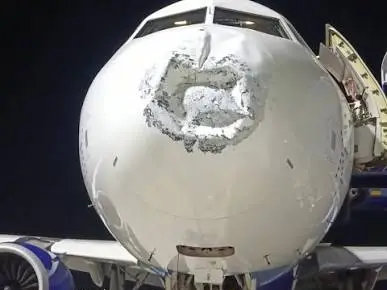
Lightning strikes IndiGo Patna-Lucknow flight at 17,000 feet, damages nose; all 110 safe
&imwidth=180&imheight=135&format=webp&quality=medium)
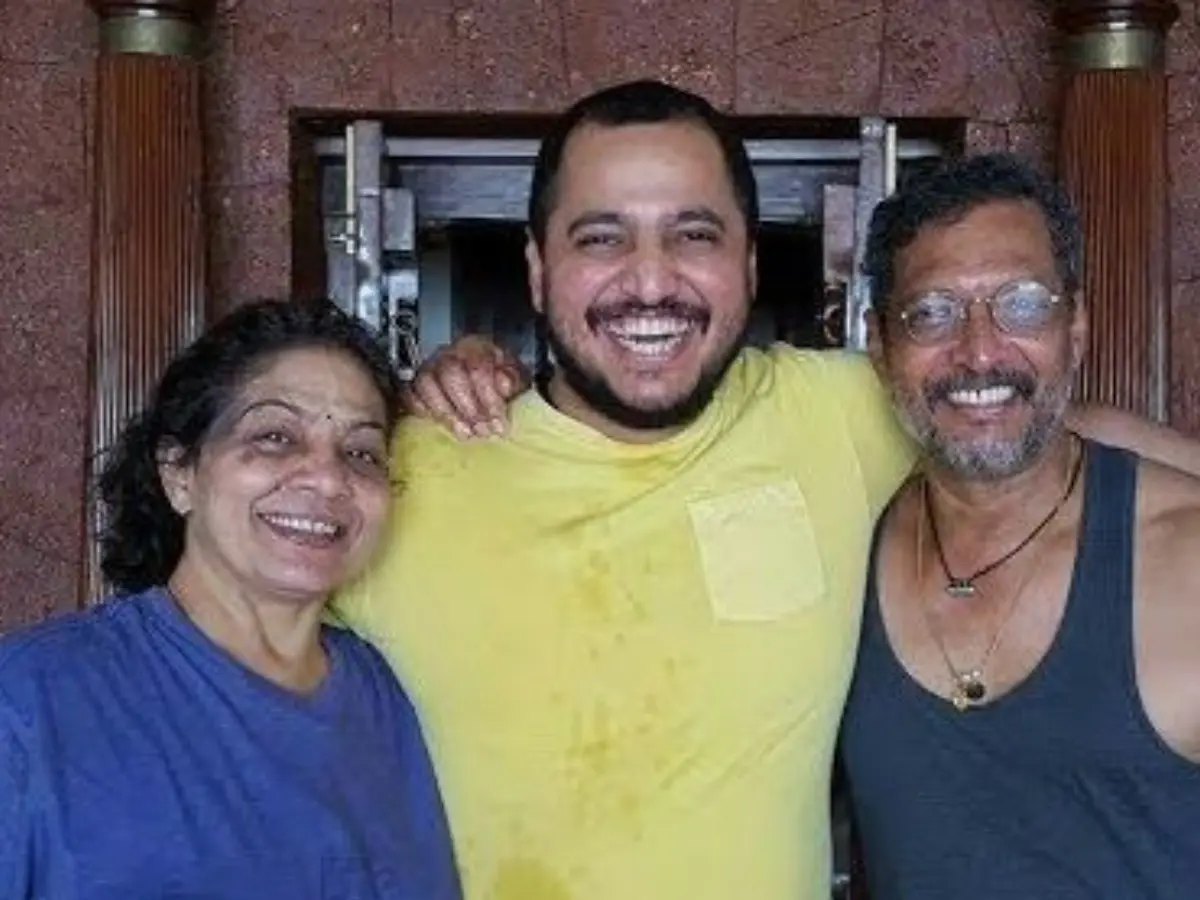
Who is Nana Patekar's wife Neelakanti? The bank officer who earned Rs 2,500 when he earned Rs 50
&imwidth=180&imheight=135&format=webp&quality=medium)
France holds talks with Taliban government amid diplomatic outreach
&imwidth=180&imheight=135&format=webp&quality=medium)
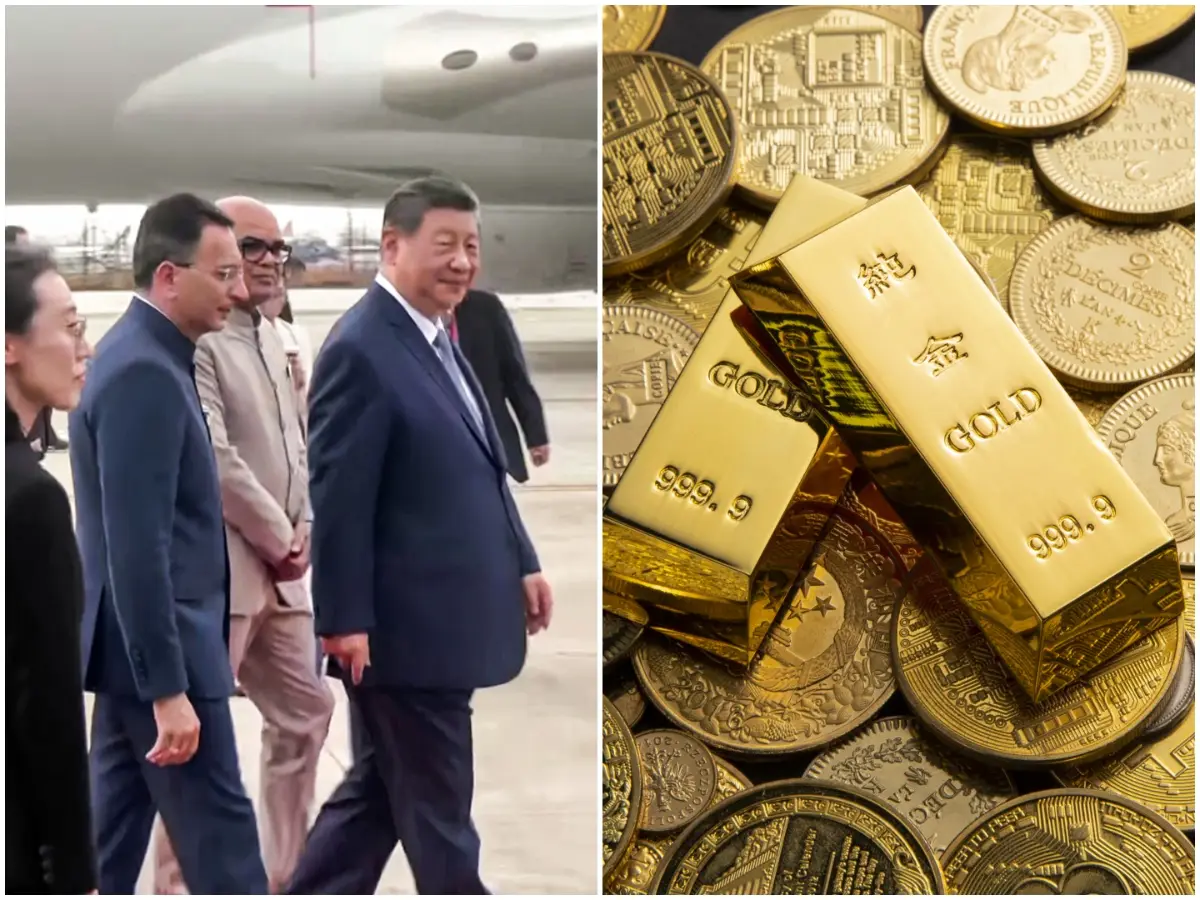
New Cold War: Why is China buying more gold? Explained
&imwidth=180&imheight=135&format=webp&quality=medium)
Nadella to be honoured with national medal of technology & innovation
&imwidth=180&imheight=135&format=webp&quality=medium)
IndiGo flight struck by lightning at 17,000 feet, nose of Patna-Lucknow flight damaged
&imwidth=180&imheight=135&format=webp&quality=medium)
US readying to strike Iran? Report suggests Trump preparing to put on show of strength ahead of US midterms
&imwidth=180&imheight=135&format=webp&quality=medium)
Zendaya gives The Odyssey white lace jacket a stylish twist at Paris Fashion Week 2026
&im=FitAndFill=(700,400)&imwidth=180&imheight=135&format=webp&quality=medium)
World’s top vehicle producers: Top 10 countries making the most cars. Check where India stands
&imwidth=180&imheight=135&format=webp&quality=medium)
'We don't think so': Trump says Russian plague lab worker's death not linked to bio-weapon
&imwidth=180&imheight=135&format=webp&quality=medium)
Sri Lankan Tamil worker gets death sentence in Saudi Arabia over blasphemy, calls for pardon intensify
&imwidth=180&imheight=135&format=webp&quality=medium)
France protests: How a Gen Z school movement turned into a political war | The Verdict
Examining individual country data reveals a spectrum of commitment to G20 Summit attendance. Nations such as Canada, Germany, India, Italy, South Korea, Turkey, the UK, the USA, and the European Union have consistently upheld leadership-level attendance, underscoring their dedication to the global stage.
ALSO READ |Putin will not attend G20 in India but set to visit China for Belt and Road forum
In contrast, some nations have experienced sporadic attendance. Mexico, for instance, has been represented by a minister since 2018 instead of its president.
Argentina, Australia, Brazil, and Russia each have had two instances of lower-level representation, while China, France, Indonesia, Japan, and South Africa have experienced a single such occurrence. A notable exception is Saudi Arabia, which attended G20 summits below the leadership level on nine occasions, including one instance featuring a Minister of State without portfolio in 2017.
Russian President Vladimir Putin hasn’t attended a G20 summit in person since the 2019 Osaka summit. He was notably absent from the Italy (2021) and Indonesia (2022) summits and is set to skip the upcoming India (2023) summit. Just like last year, Russia will be represented by Foreign Minister Lavrov this year.
ALSO READ |I hope Xi Jinping attends G20 Summit in New Delhi, says Biden
The G20 Summit, elevated to the leaders’ level in 2008, has continued to evolve as a pivotal diplomatic forum. With two summits held in 2009 and 2010, the rotation, after India extends to Brazil in 2024, South Africa in 2025, and the United States in 2026.
WATCH WION LIVE HERE
You can now write for wionews.com and be a part of the community. Share your stories and opinions with us here.