
&imwidth=800&imheight=600&format=webp&quality=medium "From target to shield: Empowering youth against information warfare")
India’s biggest demographic advantage, its young population, is increasingly being tested in an age of digital influence and online manipulation. With over half the country under the age of 30, Indian youth are not only shaping culture and politics but are also at the centre of a growing global contest over information.
Unlike traditional conflicts, information warfare does not involve armies or borders. It unfolds quietly across social media platforms, video feeds and private messaging apps, blending seamlessly into everyday online life. For India’s Gen Z, digitally fluent, politically alert and emotionally engaged—this makes them both powerful participants and vulnerable targets.
Indian Gen Z relies heavily on digital platforms for news, debate and self-expression. Instagram reels, YouTube explainers and trending hashtags often reach young audiences faster than traditional journalism. This connectivity has enabled youth-led movements and greater civic engagement, but it has also opened the door to manipulation.
Modern disinformation rarely invents problems. Instead, it reframes real issues, such as unemployment, social inequality or global conflicts, through emotionally charged narratives. These messages are often designed to provoke outrage, reinforce existing divisions or encourage cynicism toward institutions. In India, such narratives can deepen polarisation along social, regional or ideological lines. The objective is not always to persuade people to adopt a particular view, but to create confusion, fatigue and distrust.

One defining feature of today’s information warfare is participation. Young users are not just consumers of content but active amplifiers. A repost, a reaction video or a viral meme can push a narrative far beyond its original source. The pressure to respond quickly, to appear informed, morally engaged or socially aligned, often leaves little room for verification. In a digital economy that rewards speed and visibility, nuance is easily lost.
This has real-world consequences. Online narratives can influence public opinion, shape political conversations and, in some cases, spill over into offline tensions. Content originating outside India can gain domestic traction when it aligns with emotional or ideological fault lines. From a geopolitical standpoint, India’s youth represent long-term influence. They are future voters, policymakers and opinion leaders. Shaping their perceptions today can have lasting effects on the country’s political and social direction.
As a result, influence operations are increasingly subtle. Rather than overt propaganda, narratives often appear as independent commentary, advocacy or influencer-driven content. The challenge lies in separating genuine domestic debate, which is vital in a democracy, from coordinated attempts to distort it. Analysts caution against equating criticism with foreign interference. A healthy society requires dissent. The concern is manipulation, not disagreement.
Trending Stories
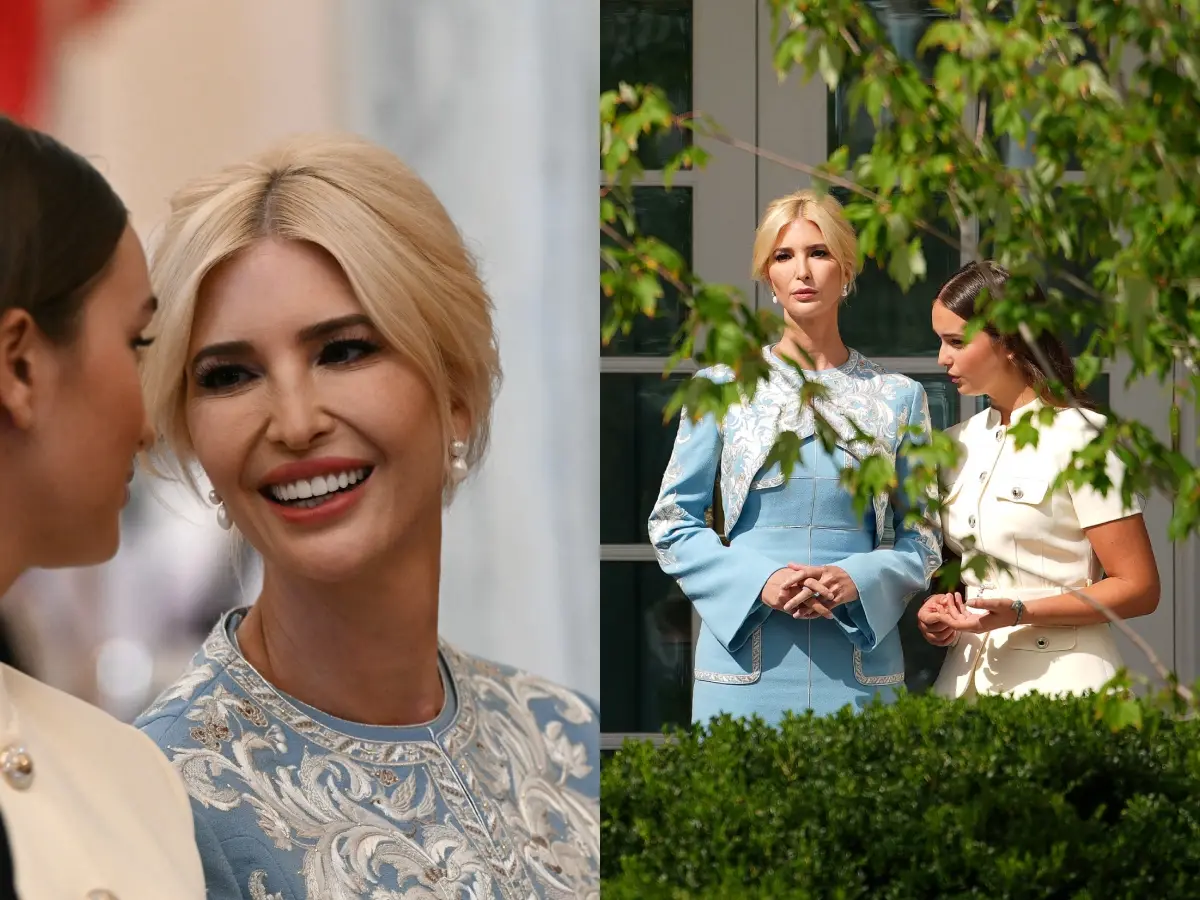)
Beijing to Washington! Ivanka Trump makes a style statement in Chinese designer Guo Pei for President Xi Jinping’s White House welcome
)
New wellness trend focuses on a natural inner glow
)
Outrage erupts after 3-year-old is married to 60-year-old man in Pakistan, link to her sister's murder being probed
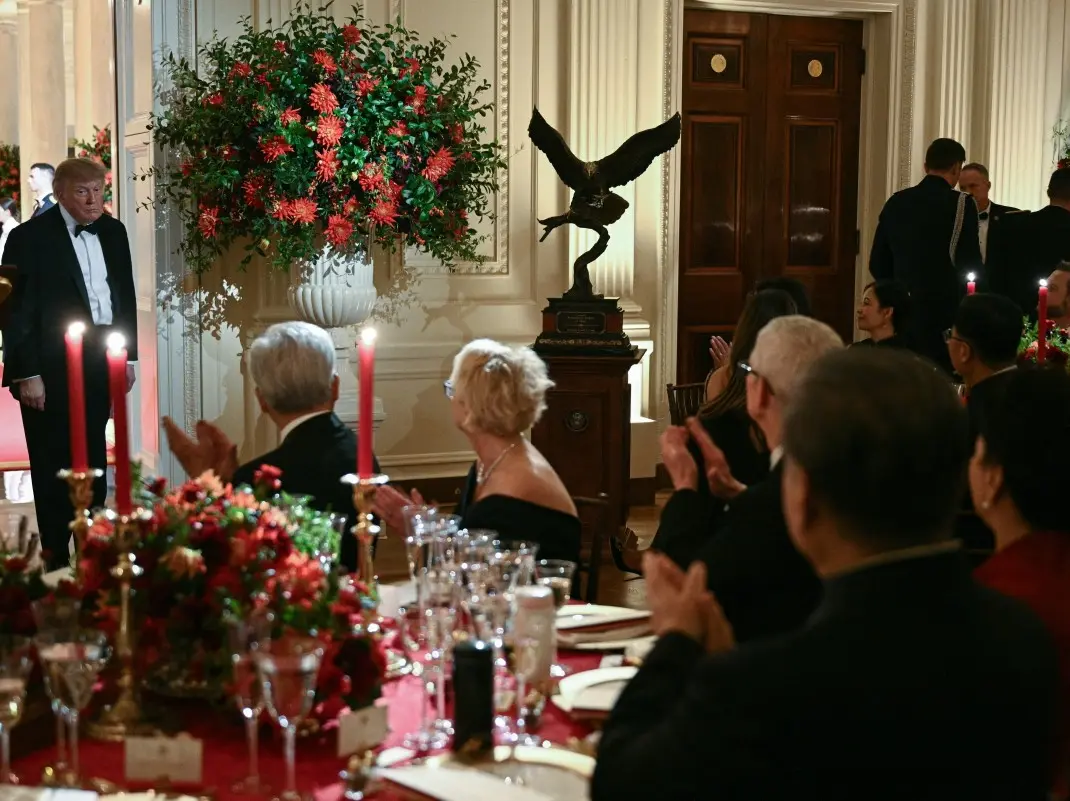)
Trump gifts Xi a bald eagle sculpture at White House dinner: Here’s what it symbolises
)
‘Not just a local tragedy’: Nepal PM Shah warns UN of growing climate threat, says Nepal floods were 'a warning to the world'
)
India-New Zealand FTA is ‘an expression of trust’, NZ High Commissioner Patrick John Rata says
&im=FitAndFill=(700,400))
New Friday OTT releases (September 25, 2026): Don’t Be Shy, Hunkkaar: The Roar, Mango Pachcha- 6 movies and TV shows on Netflix, Prime Video and more
)
Watch: PM Modi joins Bhajan Clubbing event in Delhi on Deendayal Upadhyaya's birth anniversary
)
‘Attack on Mecca a red line for Pakistan’: Shehbaz Sharif warns Houthis at UN
)
Tesla is preparing something big for Optimus: new Gen 3 models surface in app
)
Bias or safety concerns? Bengaluru CEO says firm will not hire men from UP, Bihar, Rajasthan, MP. Here's why
)
Double shock for Israel: Furious Trump refuses to meet humiliated Netanyahu | Gravitas
)
Trump's welcome to Xi demonstrates 'attraction' to dictators: Chuck Schumer
)
Scientists detect first radio signals directly from faraway planet
)
A seven-day roadmap? Iran proposes plan to end war, reopen Strait of Hormuz and resume nuclear talks
)
Xi Jinping's 'special plane' vs Trump's Air Force One: What's the difference?
)
‘It is all possible’: Putin weighs next steps on Ukraine talks, rules out Europe conflict
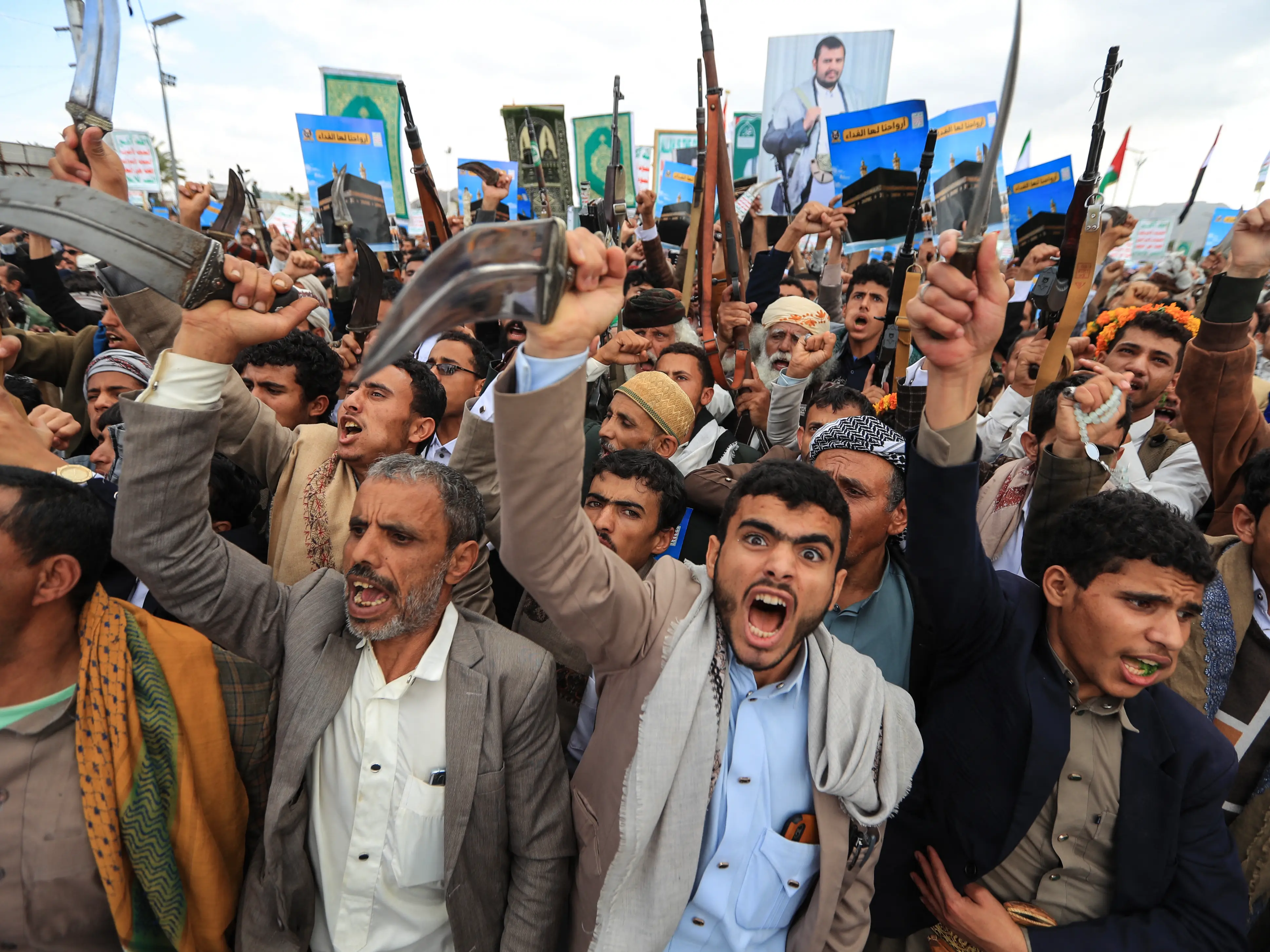)
Saudi Arabia, Turkey and Pakistan to hold urgent military talks amid intensifying Houthi attacks
)
Ex-Liverpool forward Mohamed Salah banned from driving in United Kingdom for six months
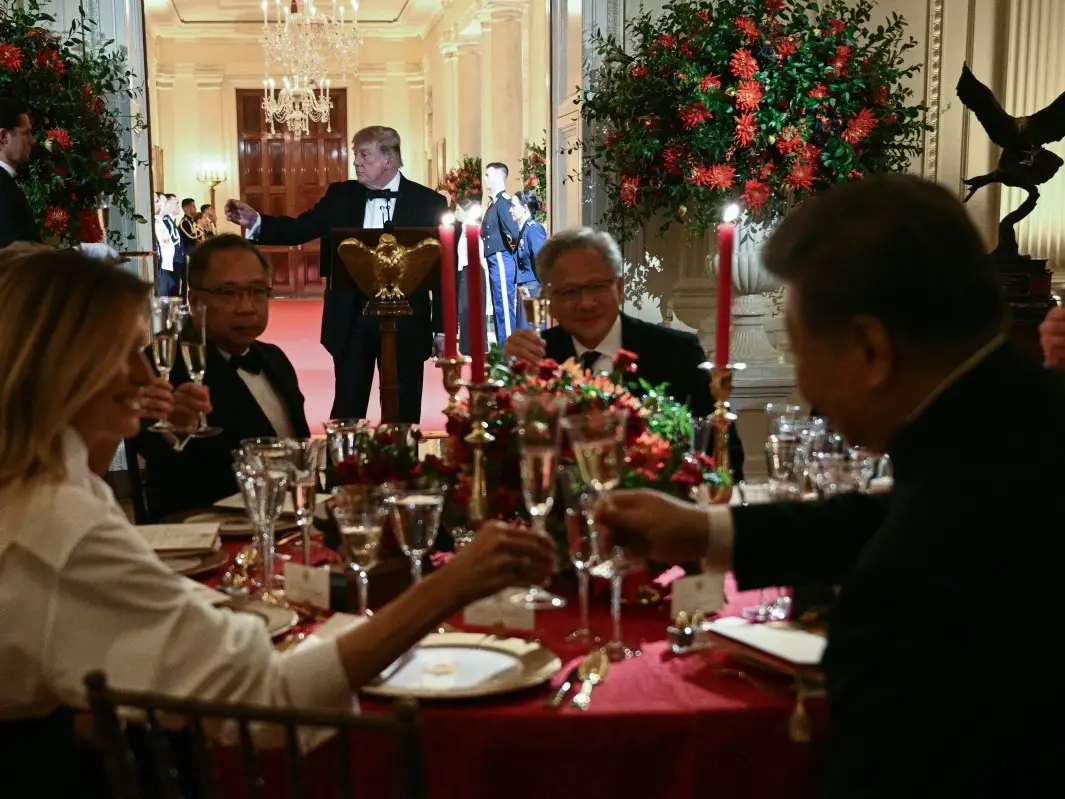)
‘We’ve never gotten along better’: Trump praises Xi, jokes about White House ballroom at high-stakes state dinner
)
Meet Adrian Abraham: 9-year-old Indian-origin guitar prodigy aiming for a Guinness World Record
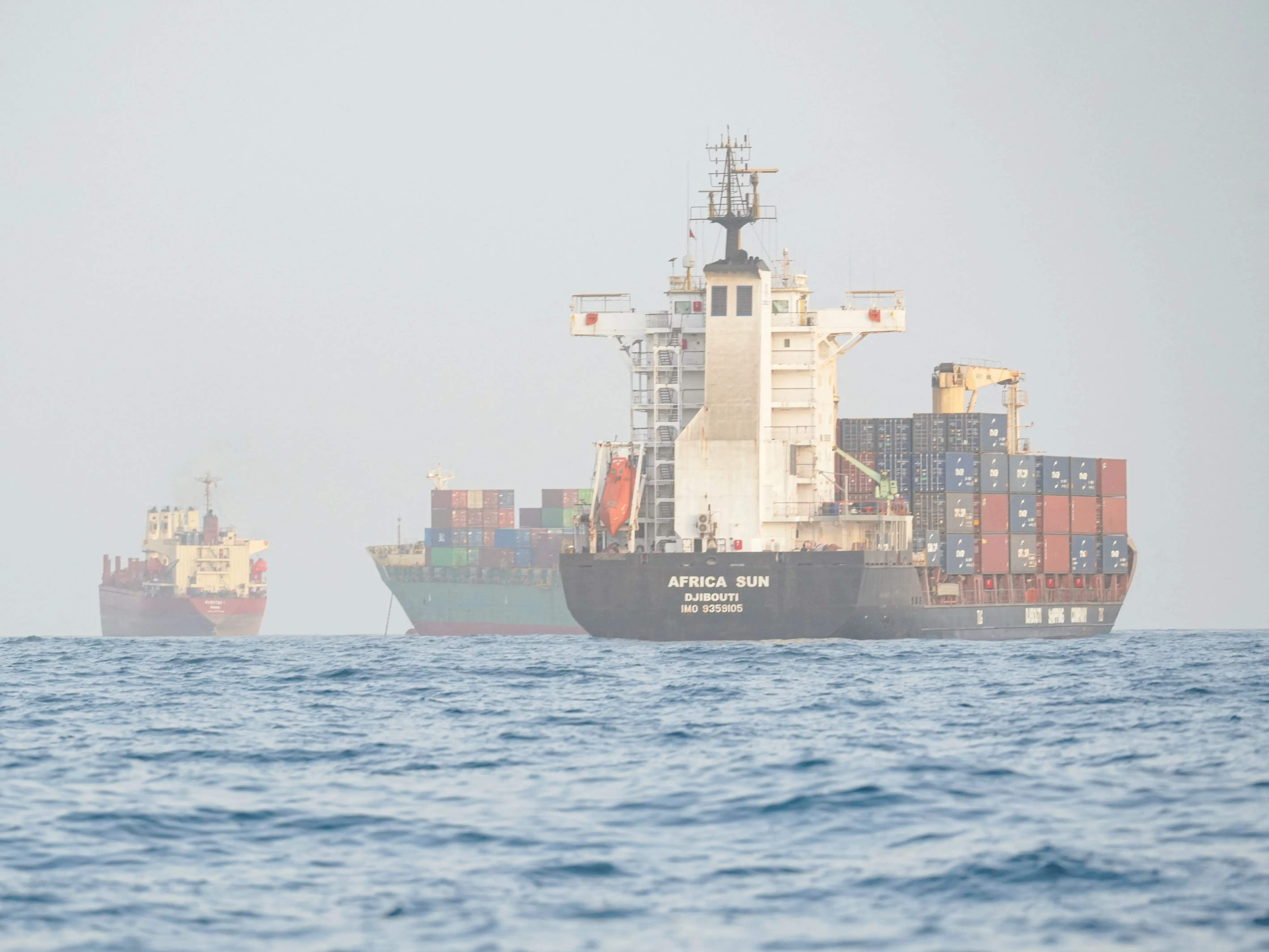)
Red Sea crisis: Houthis promise not to target European ships; UNSC condemns Saudi attacks
)
'Blockbuster' nor'easter develops an eye similar to hurricanes as warnings are issued
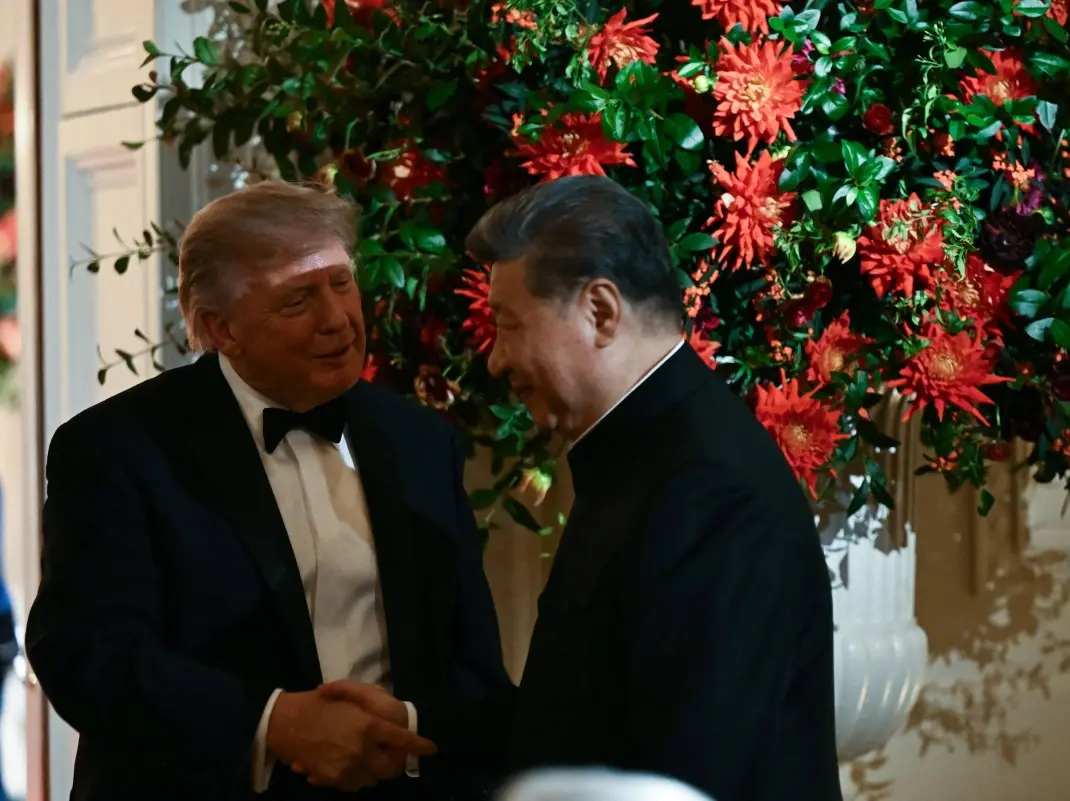)
'Making history': Xi Jinping praises Trump as US-China leaders dine at White House
)
'We do not wish to continue. It's America that must choose': Iran president Pezeshkian calls on US to end war
)
Exclusive | 'We always want to improve': Suruchi, Kamaljeet after winning Asian Games gold
)
Bollywood mourns Mushtaq Khan: Sunny Deol, Rajpal Yadav and others pay tribute
)
Myanmar training camp case: US national, 6 Ukrainians allowed to meet their families abroad
)
'FIRST LOOK from inside Noah’s Ark': Researchers share video from inside mysterious mound in Turkey
)
99.9% more powerful - Scientists find boy who can recall memories from just 3 months of age
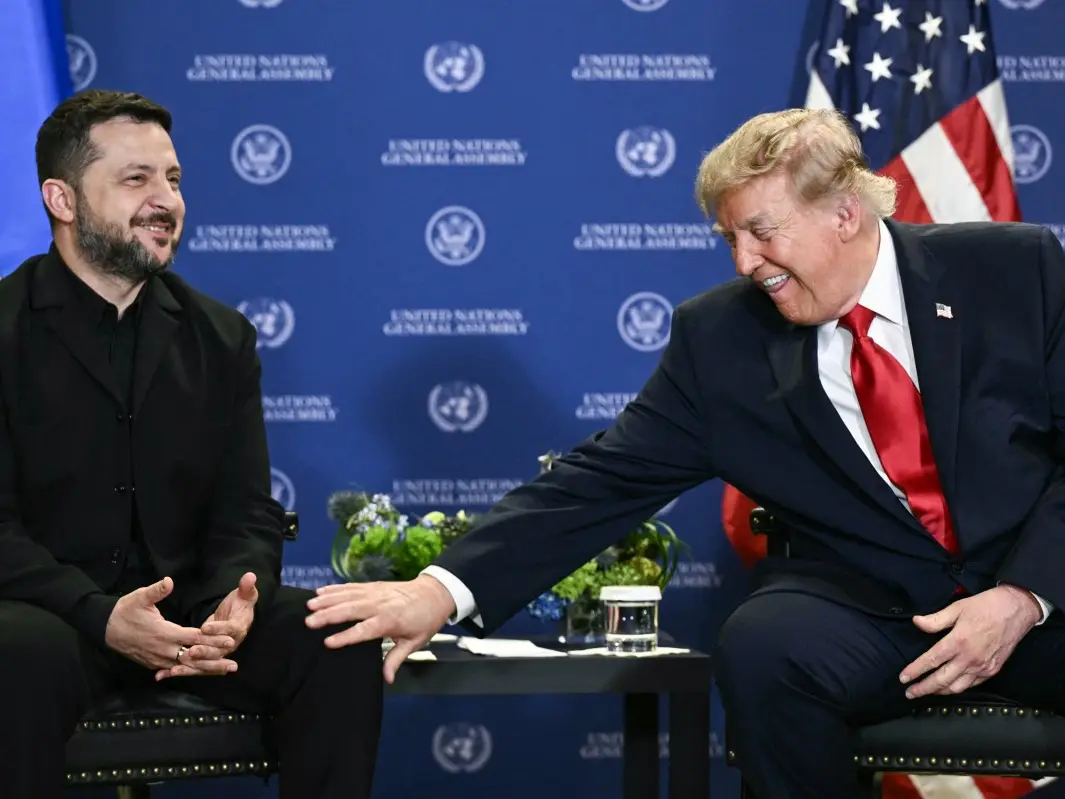)
Trump made 'final decision' to give Ukraine Patriot missile production license: Zelensky
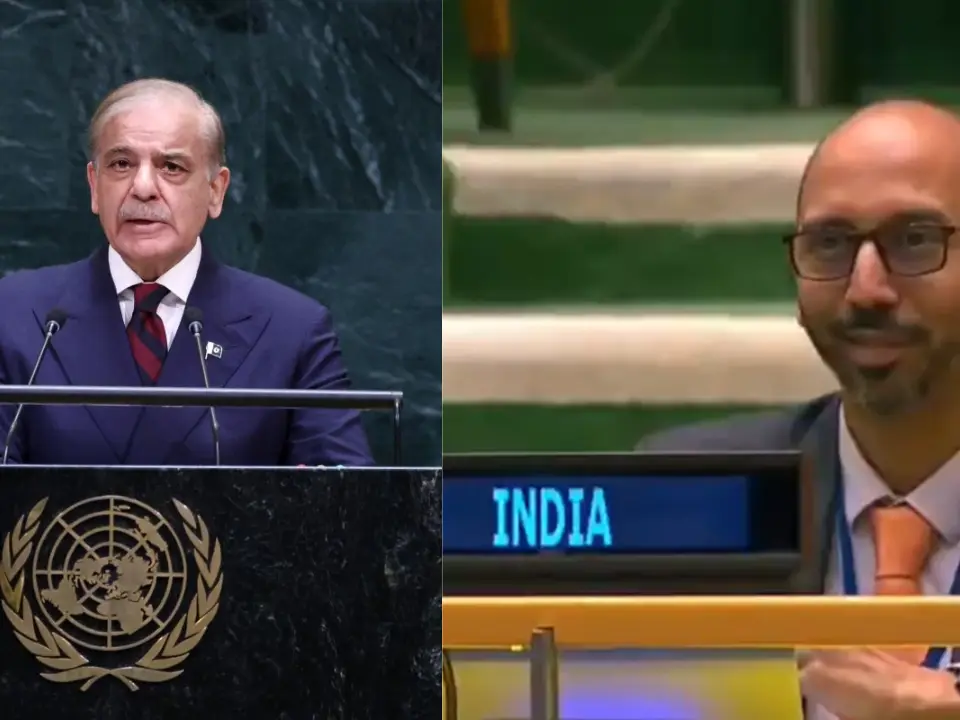)
WATCH | As Shehbaz Sharif claims Pakistan’s ‘victory’ during 2025 conflict, Indian diplomat R Srinivas laughs at UN
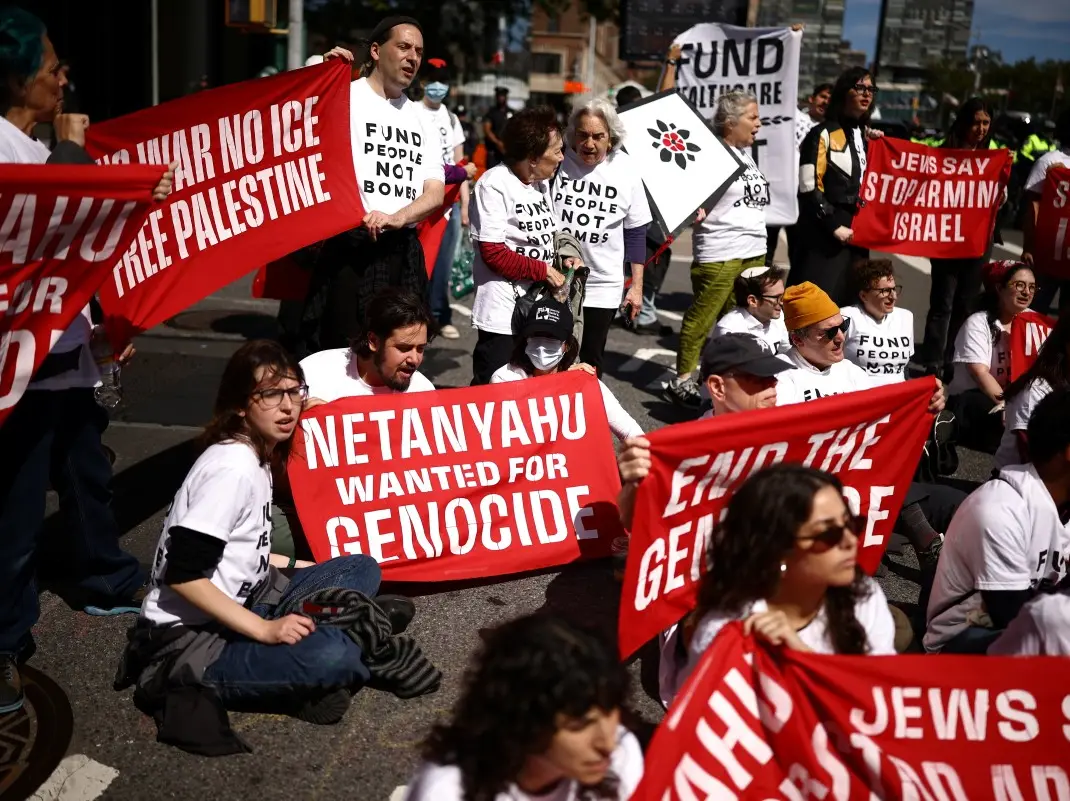)
'Fund people, not bombs': Hundreds take to New York streets as Netanyahu delivers speech at UN; dozens arrested
)
'A terrorist country is asking me that question?': Jaishankar hits back at Pakistani journalist at UN; flags attacks on commercial shipping
)
Army chief reviews operational preparedness along LoC, visits mega eye camp in Tangdhar
&im=FitAndFill=(700,400))
‘Absolutely savage, sickening’: Zelensky slams Russia as daytime strikes kill 5 in Kyiv
)
‘Totally unacceptable’: Trump warns Xi over China’s support for Iran
Many experts argue the solution lies in education rather than restriction. Media literacy, understanding how information is framed, funded and amplified, is emerging as a key defence. Across India, some educational institutions and civil society groups are introducing programmes on fact-checking, source evaluation and algorithm awareness. The aim is to equip young people with critical thinking tools, not prescribe what they should believe.
Equally important is institutional trust. Governments and platforms face pressure to communicate clearly, respond quickly to misinformation and increase transparency around how online content is promoted. The most significant shift may be psychological. When young users recognise that their attention and emotions are valuable commodities, they are more likely to pause before sharing and question before reacting.
In that sense, Gen Z can move from being targets of information warfare to becoming its first line of defence. By absorbing, questioning and neutralising harmful narratives, they can limit the spread of manipulation. India’s youth have already demonstrated leadership in technology, entrepreneurship and social change. Applying the same awareness to the information space may prove equally vital. In a world where influence often travels faster than facts, an informed and alert generation may be one of India’s strongest safeguards.
