

&imwidth=800&imheight=600&format=webp&quality=medium "From Babita to Khadija: How 'curiosity' allegedly drew a Jaipur woman into Jaish-e-Mohammed's web before a UAPA arrest")
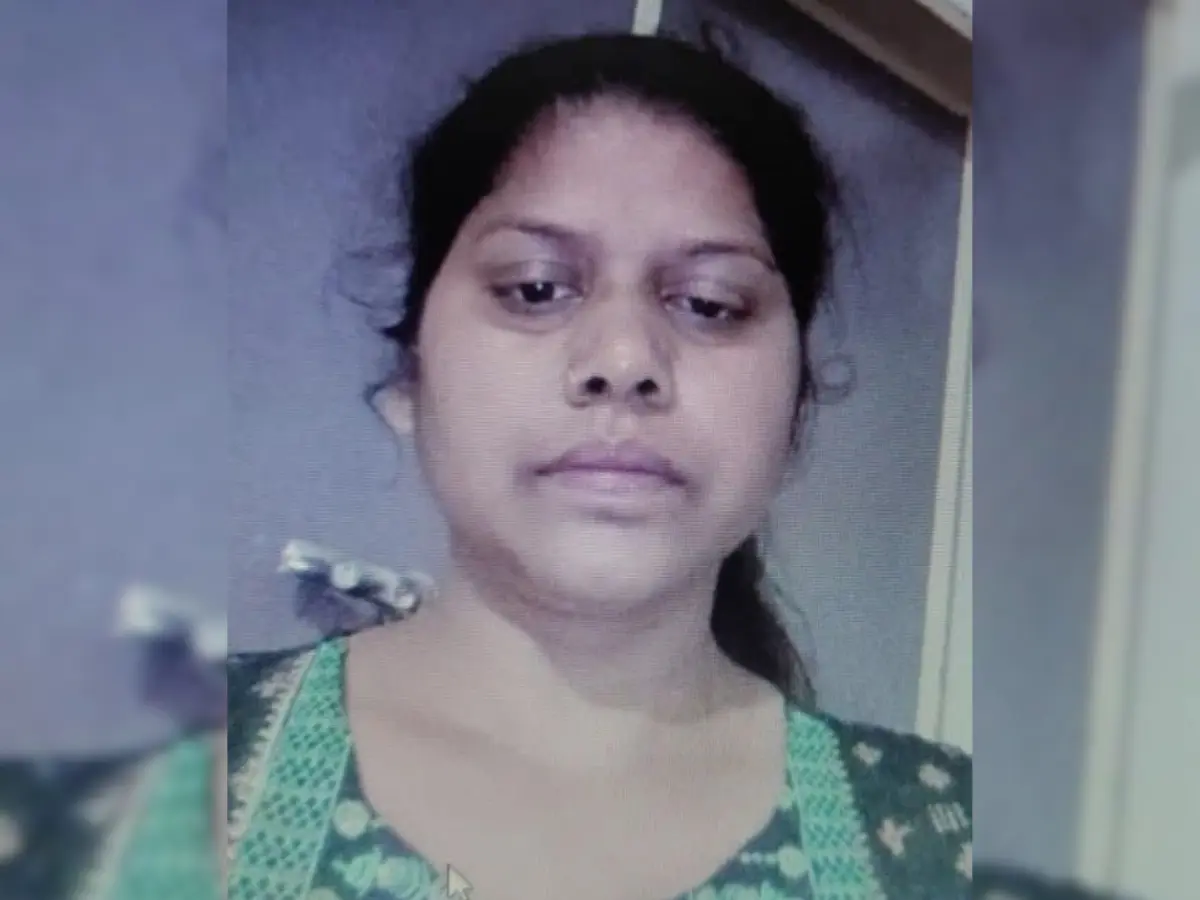
Days after the Rajasthan Anti-Terrorism Squad (ATS) arrested a woman identified as Babita Dhakad on charges of involvement in anti-national activities, investigators are now searching for answers on how an ordinary person ended up in conversation with one of the most wanted terror networks. Babita alias Khadija has been booked under the stringent Unlawful Activities (Prevention) Act (UAPA). According to reports, the 38-year-old Jaipur woman's descent into extremist circles was simply "borne out of curiosity".
A curious case of curiosity
Talking to the Indian Express, an official revealed that Babita's interactions with Jihadi and anti-national social media pages, and eventually terror outfits like Jaish-e-Mohammed (JeM), were simply "borne out of curiosity". The official revealed that the Jiapur woman "used to watch their videos and found them to be brave and charismatic".
According to the report, Babita’s disillusionment with society and life may have contributed to her alleged anti-national activities.
The story of Babita, aka Khadija's purported disillusionment with life
Trending Stories
&imwidth=180&imheight=135&format=webp&quality=medium)
Viral video shows cross falling on Colombia priest, no official confirmation | WATCH
&imwidth=180&imheight=135&format=webp&quality=medium)
Rafale Marine fighter begins flight trials in Goa ahead of Indian Navy induction
&imwidth=180&imheight=135&format=webp&quality=medium)
Ranbir Kapoor apologises for Dussehra speech slip, clarifies remark at Ramayana event
&imwidth=180&imheight=135&format=webp&quality=medium)
Meta slapped with $25 billion fine in New Mexico over Facebook data practices, company plans appeal
&imwidth=180&imheight=135&format=webp&quality=medium)
WATCH: Woman IPS officer fires several rounds of AK-47, ignites debate online
&imwidth=180&imheight=135&format=webp&quality=medium)
EU probes Booking.com under Digital Services Act
&imwidth=180&imheight=135&format=webp&quality=medium)
Pakistan signs another defence pact even as Makkah Alliance shows no teeth. This time, it's with Qatar, Indonesia, Turkey
&imwidth=180&imheight=135&format=webp&quality=medium)
Ilhan Omar breaks silence over alleged marriage to her brother; Trump thinks it's 'really good answer'
&imwidth=180&imheight=135&format=webp&quality=medium)
US-Iran war: Bibi, Trump gamble on new Iran war to save themselves in polls
&imwidth=180&imheight=135&format=webp&quality=medium)
From Agni-V to Project Kusha: How are India’s indigenous missile systems and defence shield reshaping modern warfare
&imwidth=180&imheight=135&format=webp&quality=medium)
'It's a crime not to see this scene': Tehran puts Trump 'behind bars'
&imwidth=180&imheight=135&format=webp&quality=medium)
Will Rohit and Kohli play ODI World Cup 2027? BCCI president Manhas says board 'not in a position to comment'
&imwidth=180&imheight=135&format=webp&quality=medium)
Why websites around the world are suddenly going offline? What you need to know about PHP
&imwidth=180&imheight=135&format=webp&quality=medium)
US midterms 2026: What polls and prediction markets indicate about Congress
&imwidth=180&imheight=135&format=webp&quality=medium)
'You are a dummy, you are a stupid person': Trump loses temper with CNN, ABC reporters after questions about Russia sanctions
&imwidth=180&imheight=135&format=webp&quality=medium)
China's dancing robot turns violent bodyguard, lifts cars and fights intruders - Watch
&imwidth=180&imheight=135&format=webp&quality=medium)
16-foot doomsday fish in Chile triggers fears that the next earthquake is coming
&imwidth=180&imheight=135&format=webp&quality=medium)
US to get 850 F-35 stealth fighter jets under 10-year Pentagon-Lockheed deal
&imwidth=180&imheight=135&format=webp&quality=medium)
Are the US and Israel preparing for another major attack on Iran? Here's what report claims
&imwidth=180&imheight=135&format=webp&quality=medium)
Priyanka Chopra celebrates Dussehra 2026 with Nick Jonas and daughter Malti Marie | See pics
&im=FitAndFill=(700,400)&imwidth=180&imheight=135&format=webp&quality=medium)
New OTT releases this week (October 19-25, 2026): Gajab Raat to Chaar Yaar-8 titles to watch during Dussehra week on Netflix, Prime Video and more
&imwidth=180&imheight=135&format=webp&quality=medium)
‘I caution the president...’: Trump’s ex-press secretary warns after Zacharia’s exit
&imwidth=180&imheight=135&format=webp&quality=medium)
'Father of all bombs' vs 'mother of all bombs': Iran threatens US with new weapon as Trump hints at MOAB strike
&imwidth=180&imheight=135&format=webp&quality=medium)
Diljit Dosanjh's Oct 30 Delhi show hits roadblock, Delhi Police denies permission
&imwidth=180&imheight=135&format=webp&quality=medium)
Australia police arrest former national 100m champ Jake Doran for alleged child abuse
&imwidth=180&imheight=135&format=webp&quality=medium)
'Gyanu must go': CJP's Saurav Das, Ashutosh Ranka after release, despite Jantar Mantar protest undertaking
&imwidth=180&imheight=135&format=webp&quality=medium)
Kolkata airport: CISF detects ₹1.13 crore in US dollars hidden in bags of 2 Bangkok-bound passengers
&imwidth=180&imheight=135&format=webp&quality=medium)
Feds obtain DNA evidence that could prove Ilhan Omar married her brother: Report
&imwidth=180&imheight=135&format=webp&quality=medium)
US midterms 2026: Trump's approval rating hits record low as Democrats gain ground
As per the report, Babita got married in 2017, but the marriage did not last even a month. She later took up a computer course, which led her to spend more time on the internet. Over time, she allegedly began interacting with questionable pages, handles, and profiles on social media.
Allegedly, as she started getting more and more into the ideology, she started interacting with pages associated with JM, Pakistan's Inter-Services Intelligence (ISI), and Tehrik-e-Taliban Pakistan (TTP), among others. Babita especially started "liking the pages with guns as the profile picture", an officer told the publication.
The Jaipur woman reportedly joined more than 300 such social media groups and eventually exchanged phone numbers with some individuals behind them. Police also found contacts from Afghanistan and Pakistan on her phone.
Online friendships, marriage, and the name Khadija
According to the report, the purportedly disillusioned woman was lured by a man who identified himself as Abu Ubaidah, a close associate of JeM founder and leader Masood Azhar. The person kept praising her beauty and eventually the two got married in a "ceremony" that was arranged with a Muslim cleric, where she was asked to recite a kalma for conversion, taught about the Islamic holy book Namaz and given the name, Khadija.
After her arrest on June 22, police allegedly found evidence of concerning anti-national activity that she had been carrying out online.
Also read | Suvendu Adhikari proposes anti-conversion law to tackle 'love jihad' in West Bengal: Key provisions, penalties and more | WION Decodes
The case against Babita has been lodged under UAPA sections 38, which deals with membership of a terrorist organisation) and 39 (offence relating to support given to a terrorist organisation), as well as BNS section 238, which deals with causing the disappearance of evidence. Babita had allegedly deleted data from her phone, which is currently with the Forensic Science Laboratory (FSL).'
Investigators say she was caught early. and hadn’t been assigned any tasks yet, and neither did she pass on confidential info. But she allegedly bought SIM cards that others were using on WhatsApp.Officials called her “ultra-radicalised” and a “major potential threat.”

