India's BrahMos vs USA's Tomahawk, Russia's Kalibr and China's YJ-18: Why nations are lining up for the Make-in-India missile

For decades, India was one of the world's largest arms importers. BrahMos is helping reverse that narrative. The missile is emerging as a flagship example of India's shift from "Make in India" to “Make for the World”. Here's why nations are lining up to buy BrahMos.
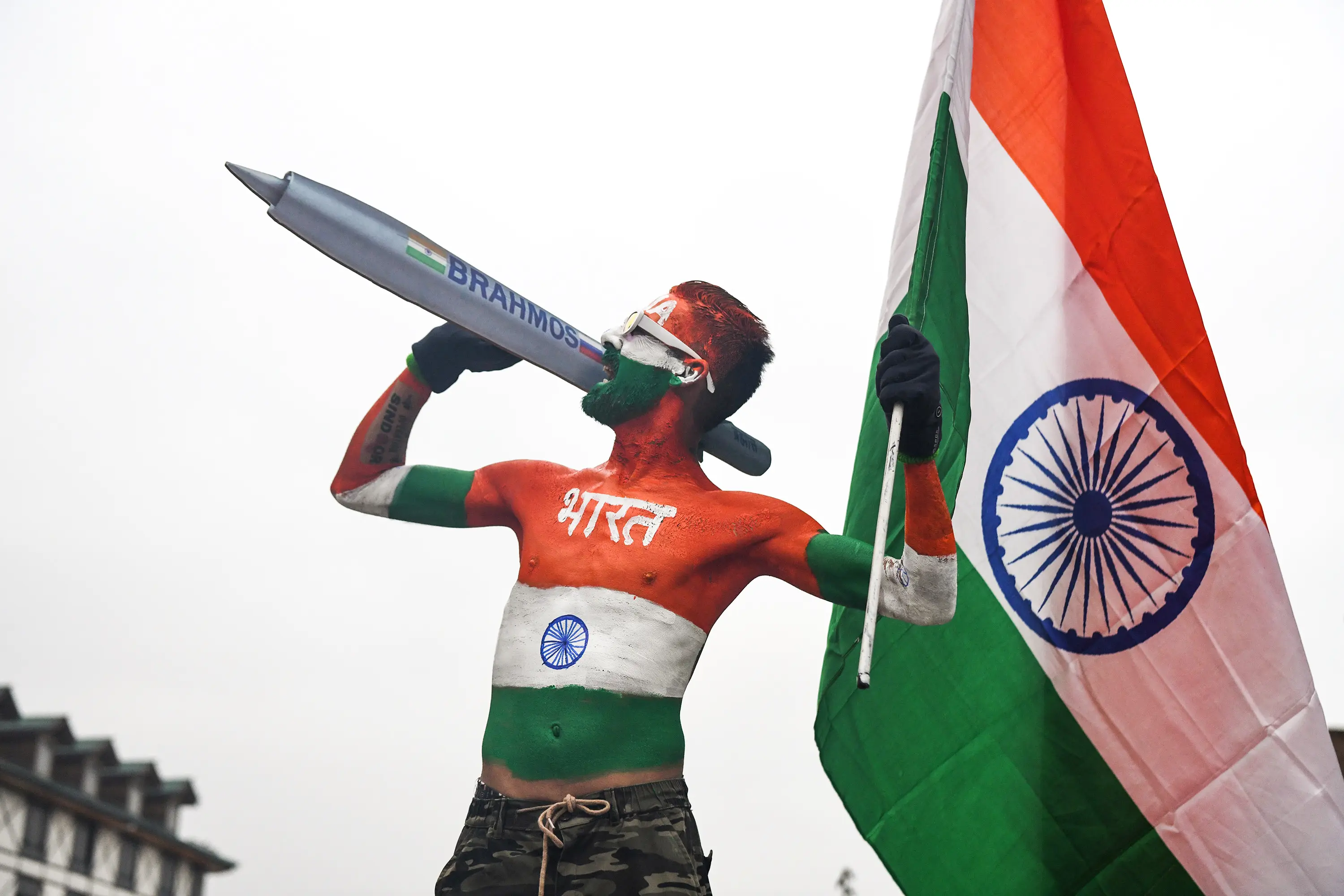
Why are nations lining up to buy BrahMos?
Make-in-India supersonic cruise missile Brahmos, as per reports, is attracting growing international interest with at least six nations reaching out to New Delhi for procurement. This means that India's BrahMos missile is no longer just a symbol of military strength. It is increasingly becoming one of the country's most sought-after defence exports.

Make-in-India to Make-for-the-world
After the Philippines became the first foreign operator of the missile, several other countries have either entered negotiations or expressed interest. Vietnam and Indonesia are among the most advanced prospective buyers, while reports suggest Saudi Arabia, Egypt, Thailand, Brazil and Chile are also exploring the system.
But what makes BrahMos stand out in an increasingly crowded missile market?
Here's how India's flagship missile compares with some of the world's most prominent cruise missile systems.
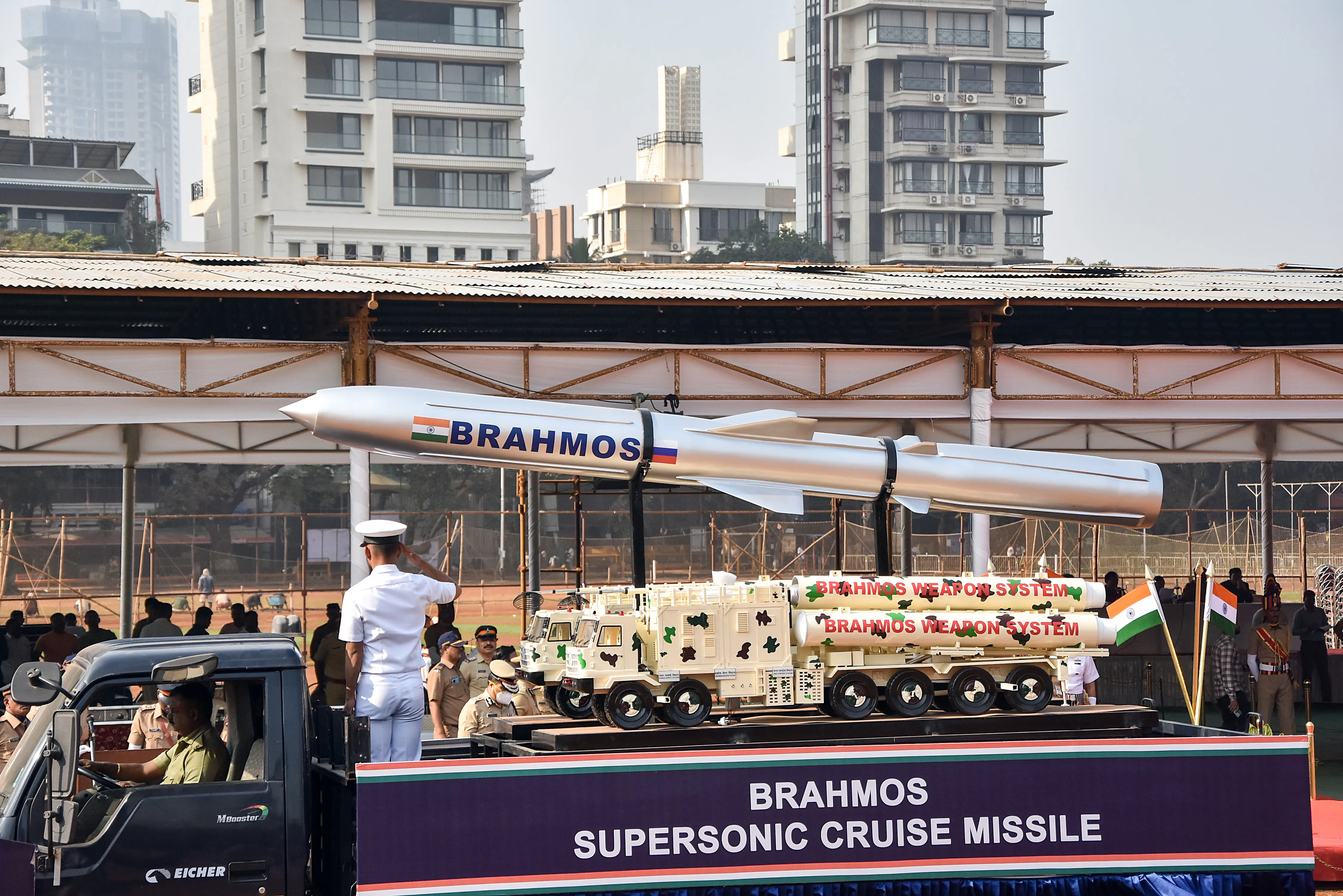
BrahMos vs the world's top cruise missiles
The BrahMos is often described as one of the fastest operational cruise missiles currently in service.
Its biggest selling point is speed, but range, flexibility and combat roles also shape how it compares with rival systems from the US, Russia, China and Europe.
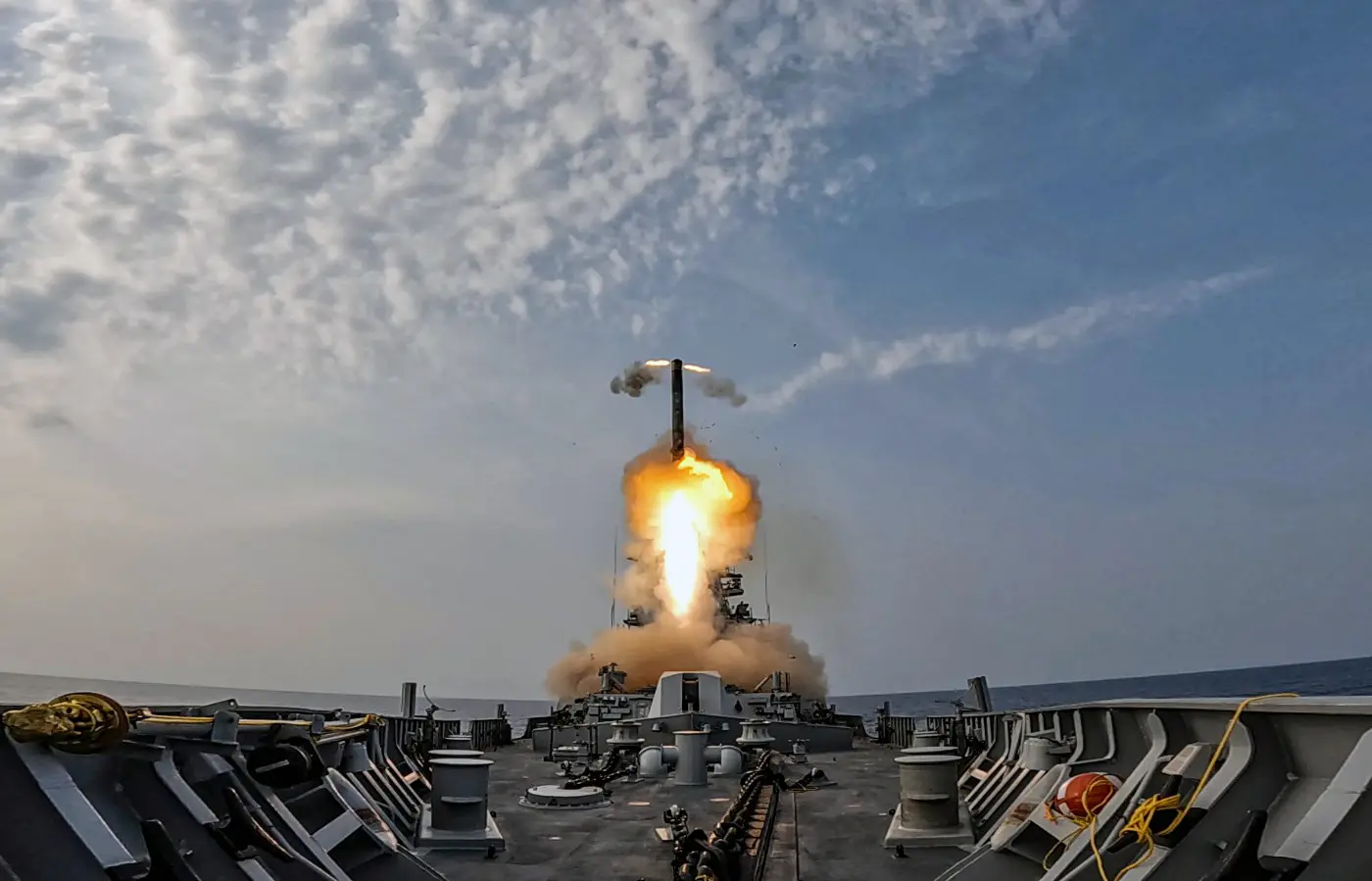
Speed - Where BrahMos dominates
BrahMos flies at roughly Mach 2.8 to Mach 3 throughout most of its flight.
That makes it significantly faster than many Western cruise missiles.
- BrahMos (India): Mach 2.8 to 3.0
- Tomahawk (US): Around Mach 0.8
- Storm Shadow/SCALP (Europe): Around Mach 0.8
- Kalibr (Russia): Mostly subsonic
- YJ-18 (China): Subsonic before accelerating to Mach 2.5 to 3 in the final phase
The higher speed gives defenders less time to react and intercept incoming missiles.
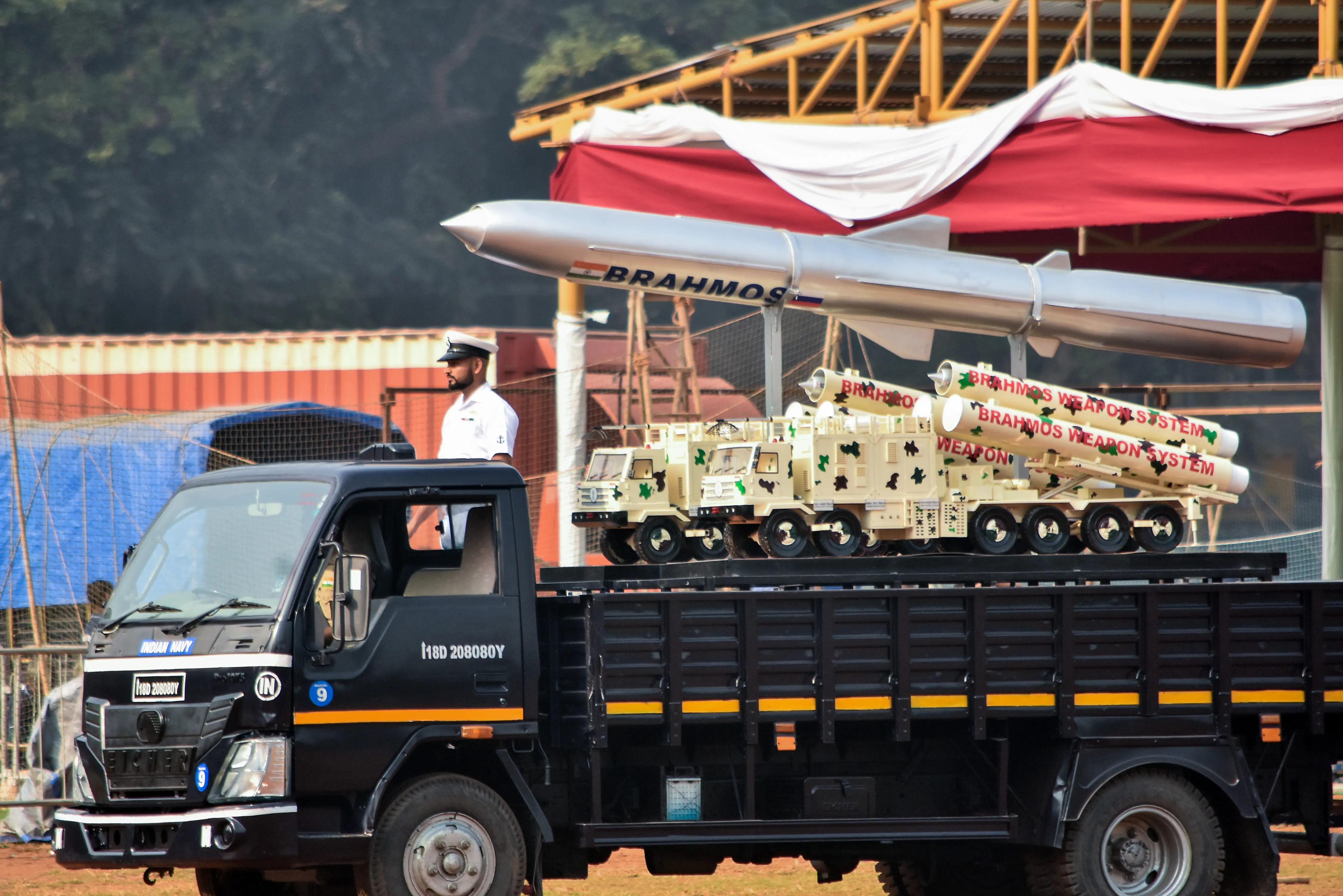
Range
Speed is BrahMos's strength. Range is where some competitors have the advantage.
- BrahMos Export Version: 290 km
- BrahMos Indian Variant: 400 to 450+ km
- Tomahawk (USA): Around 1,600 km
- Kalibr (Russia): Up to 2,500 km
- YJ-18 (China): 220 to 540 km
- Storm Shadow/SCALP (Europe): More than 250 km
While India is developing longer-range versions, American and Russian systems currently operate at much greater distances.
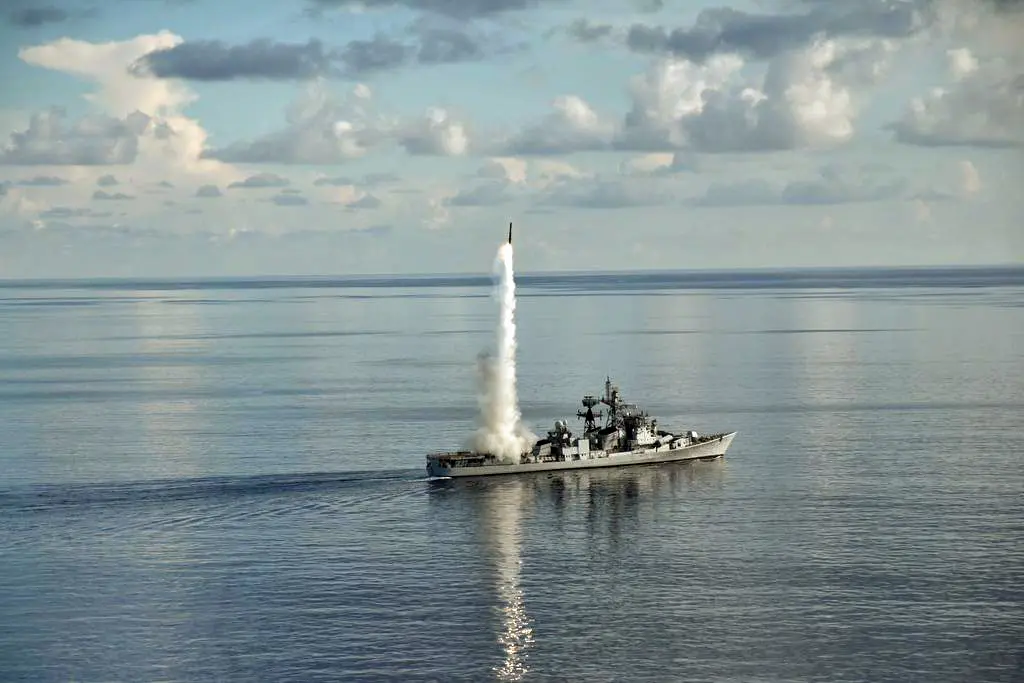
Combat role - Why militaries like BrahMos
Unlike some competitors designed mainly for one mission, BrahMos can perform multiple roles.
It can be launched from:
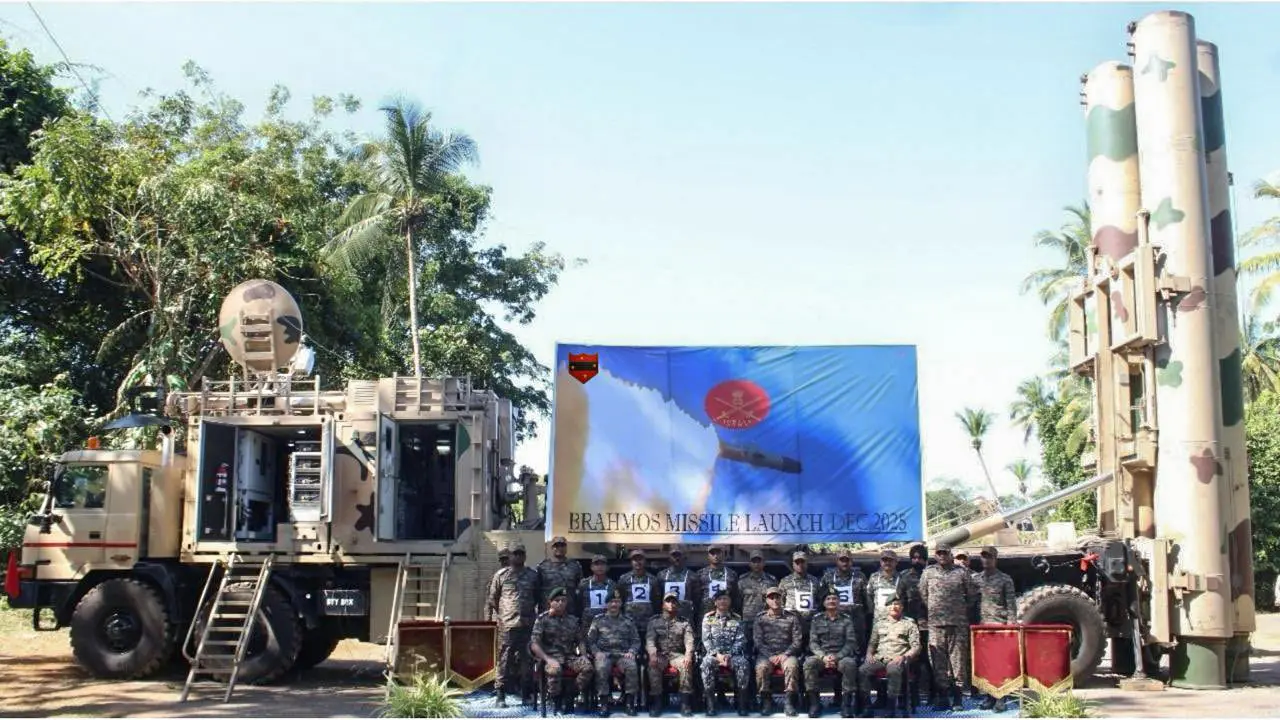
- Land
- Warships
- Submarines
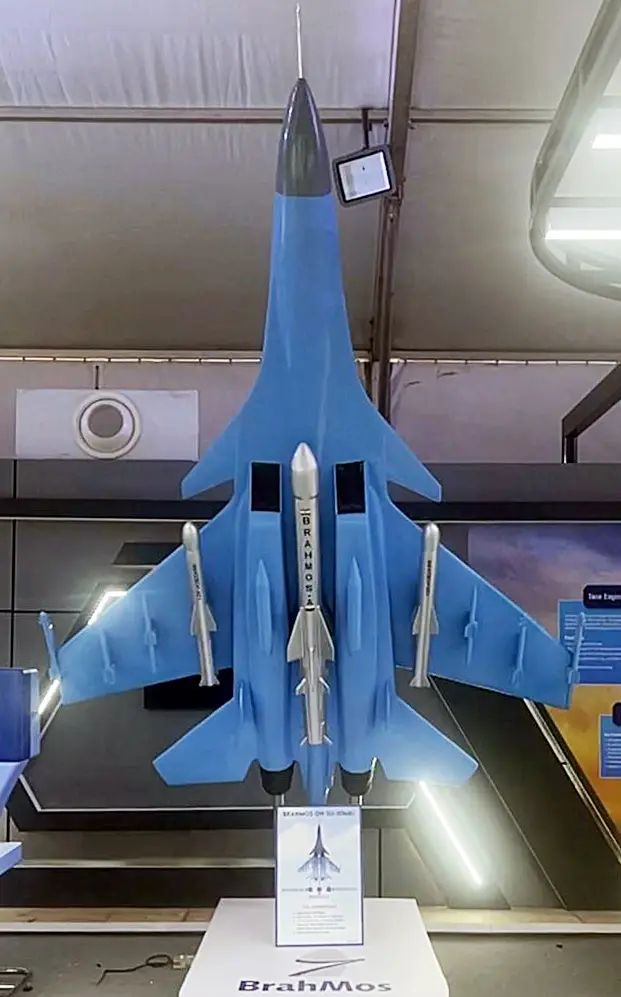
- Fighter aircraft
This flexibility makes it attractive for countries seeking a single missile for different operational requirements.
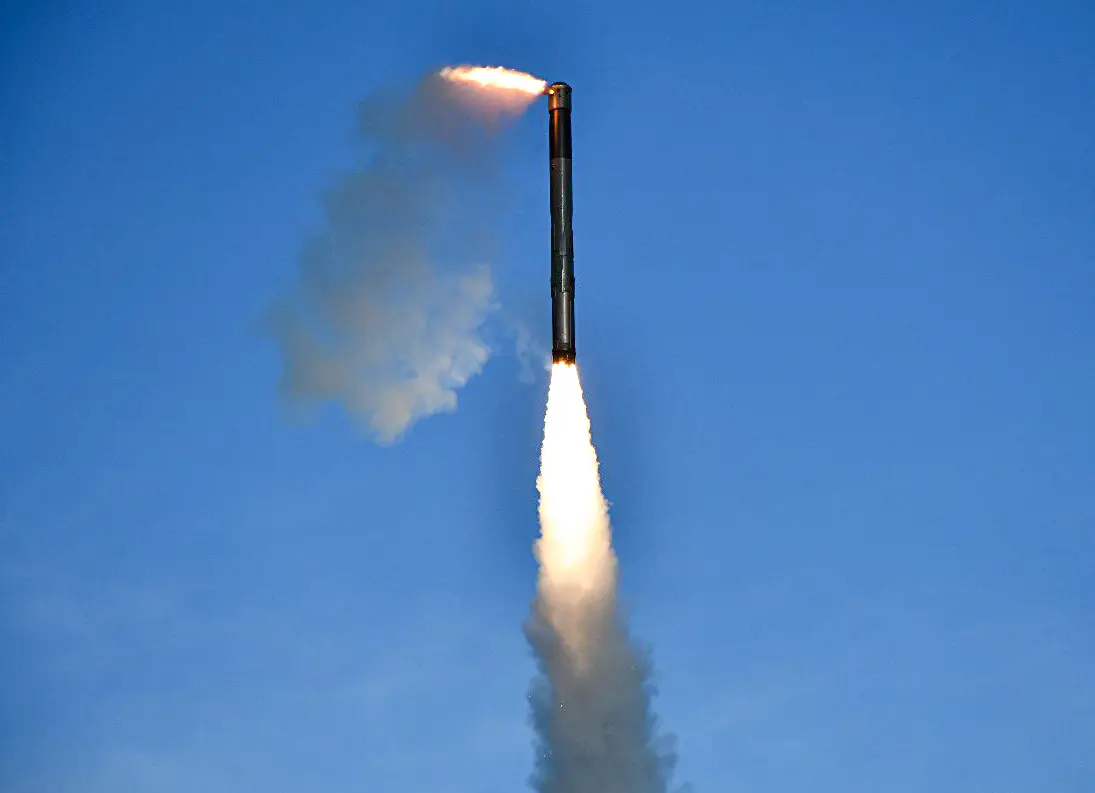
Combat role - How the rival missiles stack up
Tomahawk (USA): The Tomahawk remains one of the most battle-tested cruise missiles in the world. It is primarily a long-range land-attack missile, primarily meant for deep land-attack missions and precision strikes against strategic targets.
YJ-18 (China): China's YJ-18 is mainly an anti-ship missile and forms an important part of China's maritime strategy.
Kalibr (Russia): Russia's Kalibr has both anti-ship and land-attack variants.
Storm Shadow/SCALP (Europe): It is primarily a land-attack cruise missile designed to strike fixed, hardened bunkers and infrastructure.
Accuracy - Can BrahMos match its rivals?
Modern cruise missiles rely on multiple navigation systems. Here's how BrahMos compares to its rivals.
BrahMos:
- Inertial Navigation System (INS)
- Satellite navigation (GPS/GLONASS/NavIC variants)
- Active Radar Homing (ARH)
Tomahawk:
- GPS
- INS
- TERCOM
- DSMAC
Storm Shadow:
- GPS and INS
- Terrain matching
- Infrared imaging
- Advanced target recognition
YJ-18:
- INS
- Real-time positioning updates from the indigenous BeiDou Navigation Satellite System
- Active Radar Homing (ARH)
Kalibr:
- INS
- Primary guidance relies on GLONASS (Russia’s satellite navigation network)
- ARH
In practical terms, all five systems are considered highly accurate modern precision weapons.
Why so many countries want BrahMos
For many potential buyers, BrahMos offers a combination that few rivals can match:
- Supersonic speed
- Multi-platform launch capability
- Proven operational performance
- Competitive cost
- Strong India-Russia technology partnership
)
)
)
)
)