Farmers’ protest: Chaos at Delhi borders amid tear gas firing, stone pelting; cops detain many protesters


Police fires tear gas on protesting farmers.
Police officials fired tear gas to disperse protesting farmers at the Punjab-Haryana Shambhu border on Tuesday to stop them from marching to the capital city to hold protests after the five-hour meeting with the cabinet ministers a day before remained inconclusive. The protesters have been pressing for a law guaranteeing minimum support pricefor crops, loan waiver and other demands.
The protesting farmers tried to move towards the barricade in their efforts tocross over the Haryana-Punjab Shambhu border and even forcibly removed the cement barricades with their tractors.
As the police continued to firemultiple rounds of tear gas, protesting farmers dispersed and entered inside farmlands on theborder. The protesters were later detained by Haryana Police at Shambu border amid chaos.Stones werebeing pelted at security personnel by protesting farmers,said aHaryana Police spokesperson.

The ministers failed to reach any resolution on themain demands of the farmers, one of them being alaw to guarantee a Minimum Support Price for all crops.India's Agriculture Minister Arjun Munda, along with Food and Consumer Affairs Minister Piyush Goyal held the meeting with the farmers.
After 11 pm local time on Feb 12 (Monday), both sides agreed to repeal the Electricity Act 2020 and also decided on the withdrawal of cases filed against farmers during the movement as well as compensation to farmers who were killed in Lakhimpur Kheri in the state of Uttar Pradesh.
&imwidth=180&imheight=135&format=webp&quality=medium)
‘Every game against Liverpool is special’: Erling Haaland ahead of Anfield clash
&imwidth=180&imheight=135&format=webp&quality=medium)
100,000 strikes in 3 years: How October 7 redefined Israel's war
&imwidth=180&imheight=135&format=webp&quality=medium)
Putin conveys Iran’s proposal to Trump, offers to take Tehran’s enriched uranium
&imwidth=180&imheight=135&format=webp&quality=medium)
US mid-term elections: What are PACs - Unique American System that lets corporates shape voting
&imwidth=180&imheight=135&format=webp&quality=medium)
Powerful 7.7 magnitude earthquake strikes Panama, tsunami warning issued
&imwidth=180&imheight=135&format=webp&quality=medium)
Why was CJP founder Abhijeet Dipke detained? What Delhi Police said
&imwidth=180&imheight=135&format=webp&quality=medium)
AUS vs SA 1st Test, Day 2: Renshaw shines with 190 as Australia dominate South Africa
&imwidth=180&imheight=135&format=webp&quality=medium)
Delhi on high alert for CJP protest: Delhi police to use body cams to 'prove whether we did anything’; Pink Force, RAF, 35,000 personnel deployed
&imwidth=180&imheight=135&format=webp&quality=medium)
Hamas used double agents, deceived Israel to carry out October 7 massacre
&imwidth=180&imheight=135&format=webp&quality=medium)
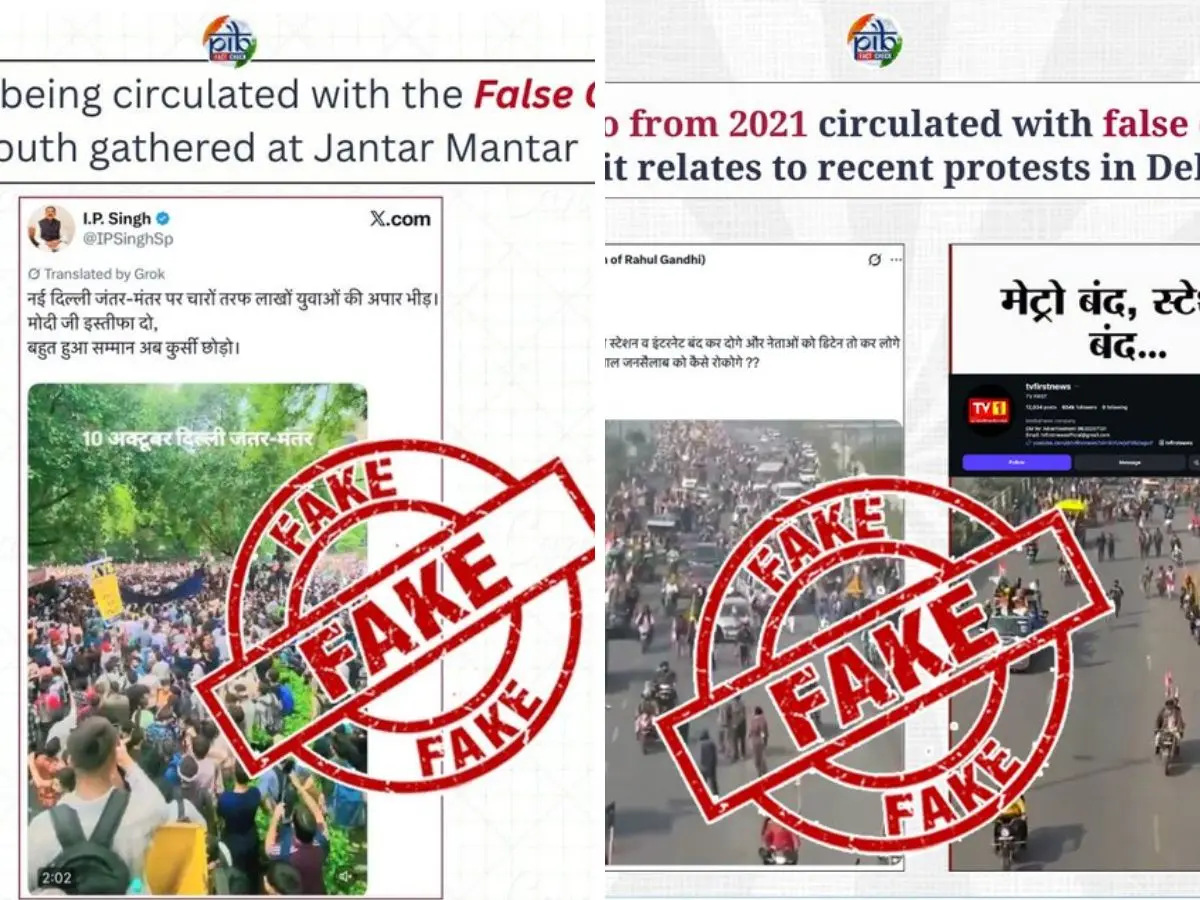
Real or fake? PIB fact-checks protest videos; Delhi Police clarifies on Gurdwara Bangla Sahib clip
&imwidth=180&imheight=135&format=webp&quality=medium)
Elon musk & India clash over Starlink's market entry terms
&imwidth=180&imheight=135&format=webp&quality=medium)
Who is Ajinkya Shinde, announced to lead CJP protest after Dipke, Das and Ranka's detention?
&imwidth=180&imheight=135&format=webp&quality=medium)
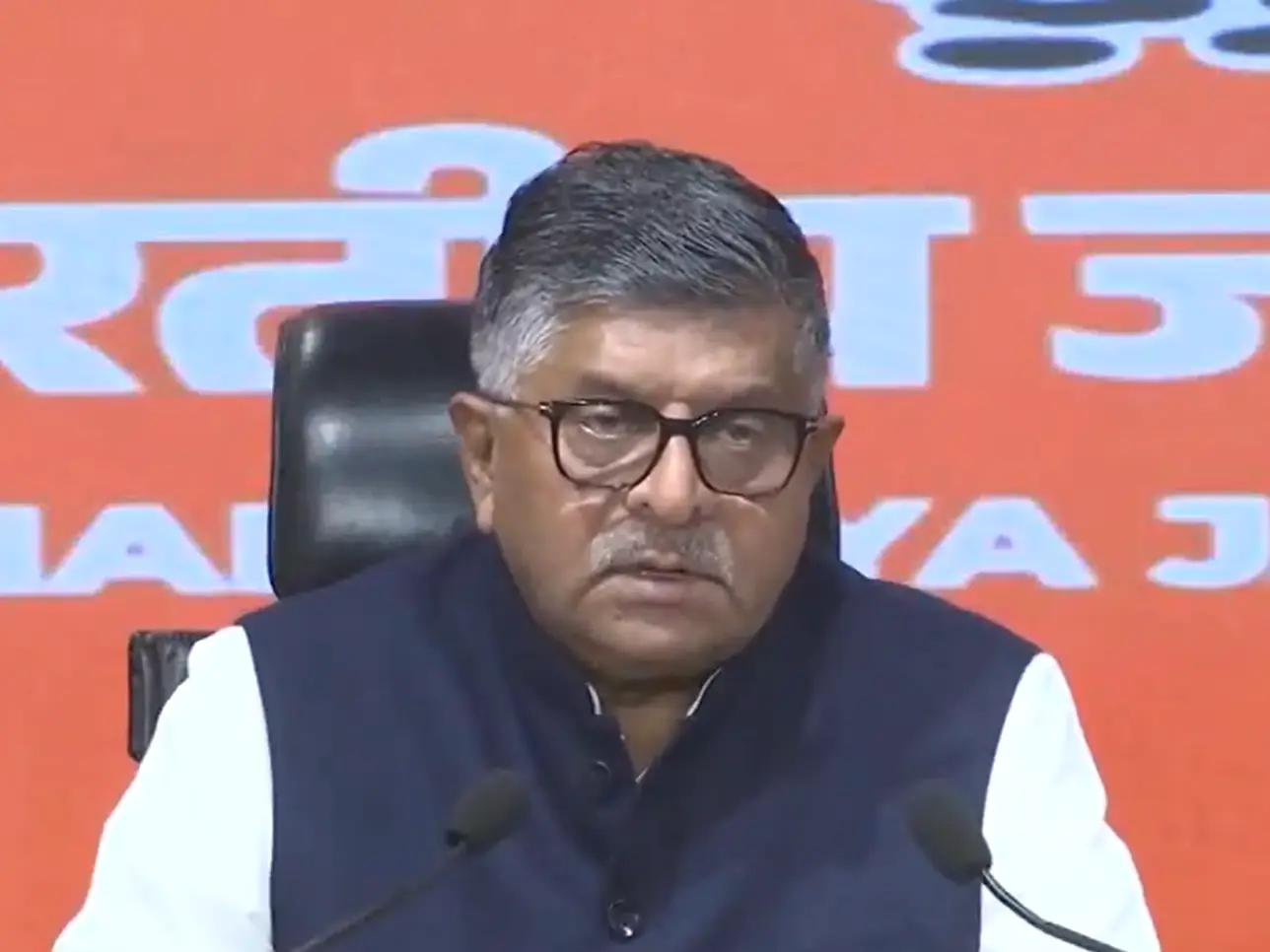
BJP MP Ravi Shankar Prasad slams CJP protests, calls it 'shadow boxing for AAP'
&imwidth=180&imheight=135&format=webp&quality=medium)
‘Time for Ukraine to get a new president’: Trump lashes out at Zelensky over Russia strikes
&imwidth=180&imheight=135&format=webp&quality=medium)
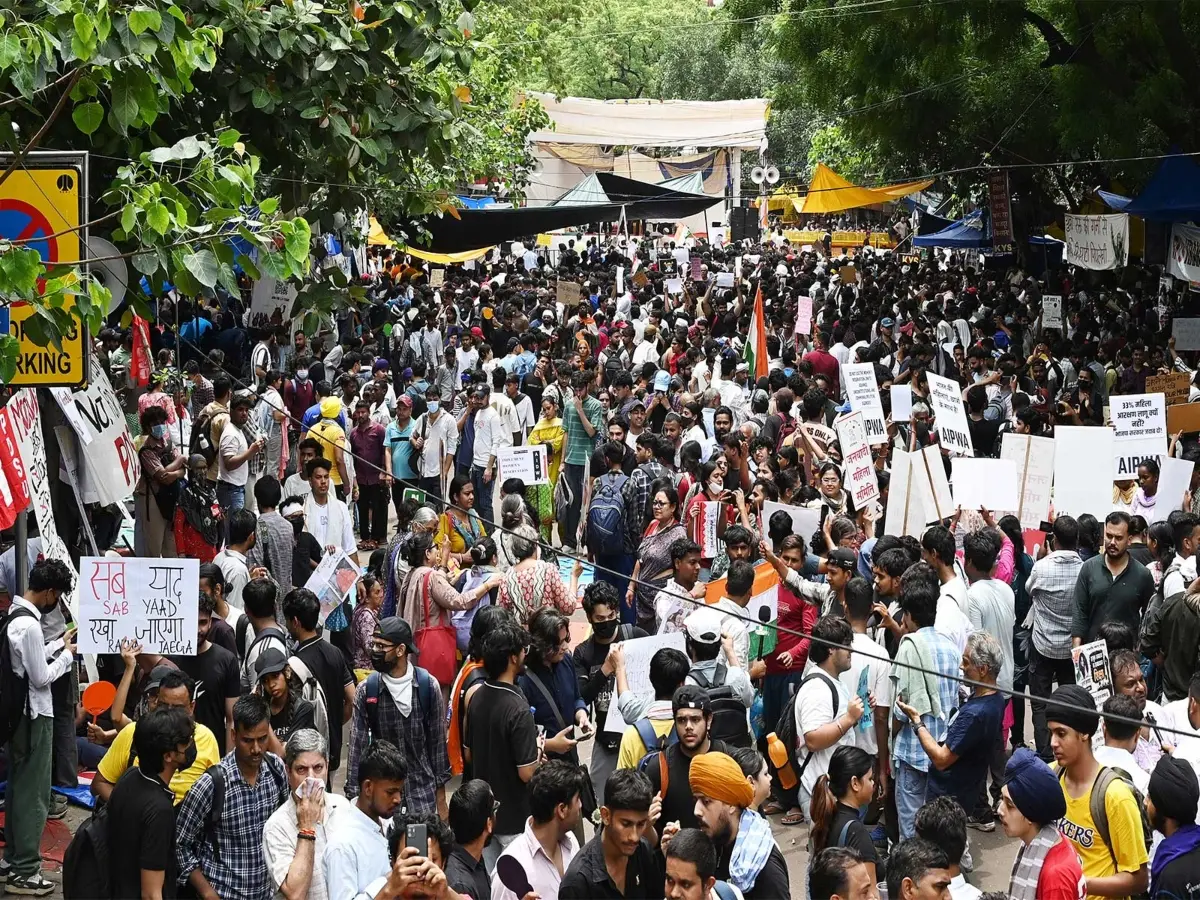
'Jantar Mantar not the story of India': BJP's Sambit Patra claims 'anarchists' tried to hold Delhi captive
&imwidth=180&imheight=135&format=webp&quality=medium)
Drishyam: The Conclusion week 1 box office report: With no competition, Ajay Devgn's film crosses Rs 400 crore mark
&imwidth=180&imheight=135&format=webp&quality=medium)
Portugal Federation confirms Cristiano Ronaldo’s return to national team despite suspension
&imwidth=180&imheight=135&format=webp&quality=medium)
'It’s been 12 hours': CJP writes to Delhi Police, demands release of Dipke, Saurav Das and Ranka
&imwidth=180&imheight=135&format=webp&quality=medium)
Thai queen becomes first reigning monarch to fly jet solothailand #queen #wion
&imwidth=180&imheight=135&format=webp&quality=medium)
US midterm elections: Why Zohran Mamdani's influence could become a headache for Democrats and Republicans
&imwidth=180&imheight=135&format=webp&quality=medium)
‘Your people don’t even let us near it’: IAF chief’s blunt response on US F-35; India yet to decide on Russia’s Su-57
&im=FitAndFill=(700,400)&imwidth=180&imheight=135&format=webp&quality=medium)
Happy Birthday Rekha: Watch these 7 evergreen Bollywood hits on Netflix, Prime Video and more
&imwidth=180&imheight=135&format=webp&quality=medium)
‘Right to protest must be protected, but...’: Delhi Police reveals why it denied CJP permission for October 10 Jantar Mantar protest
&imwidth=180&imheight=135&format=webp&quality=medium)
All 22 Indian seafarers safe in attack on Panama-flagged tanker off UAE coast
&imwidth=180&imheight=135&format=webp&quality=medium)
'Spent Rs 2,000 cr to elect Trump': Elon Musk bought US President's loyalty by writing the biggest political cheque in human history
&imwidth=180&imheight=135&format=webp&quality=medium)
Rahul Gandhi calls Modi, Shah ‘cowards’ amid CJP protest crackdown in Delhi
&imwidth=180&imheight=135&format=webp&quality=medium)
‘Never-ending flow of cheap labour’: JD Vance hits back at Indian-origin Congresswoman over US green card curbs for major tech companies
&imwidth=180&imheight=135&format=webp&quality=medium)
Four years, 3 licenses, zero launch: Why is Elon Musk’s Starlink still struggling to crack Indian market? EXPLAINED
&imwidth=180&imheight=135&format=webp&quality=medium)
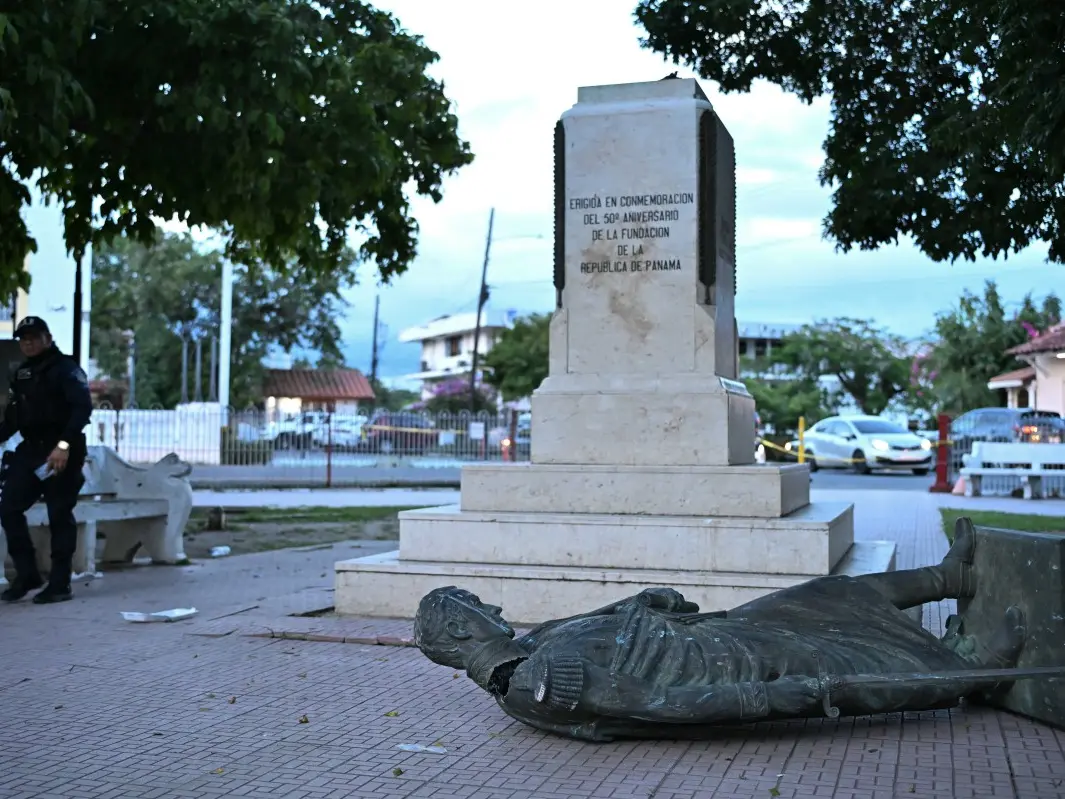
Panama president declares ‘major disaster’ after powerful 7.7-magnitude earthquake; over 80 aftershocks recorded
&imwidth=180&imheight=135&format=webp&quality=medium)
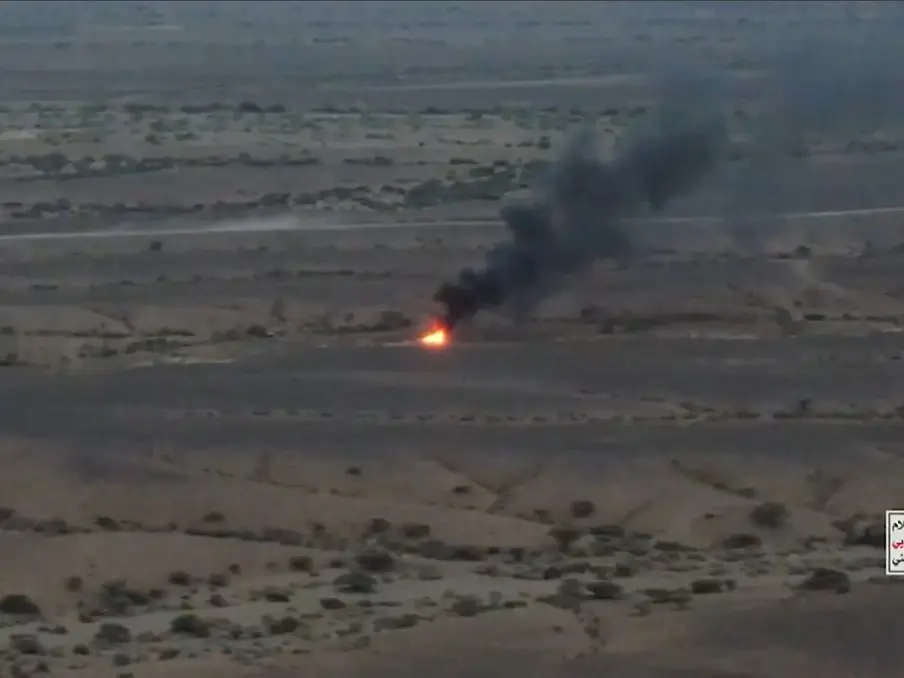
Riyadh airport hit in missile attack, dozens injured; 5 in intensive care
&imwidth=180&imheight=135&format=webp&quality=medium)
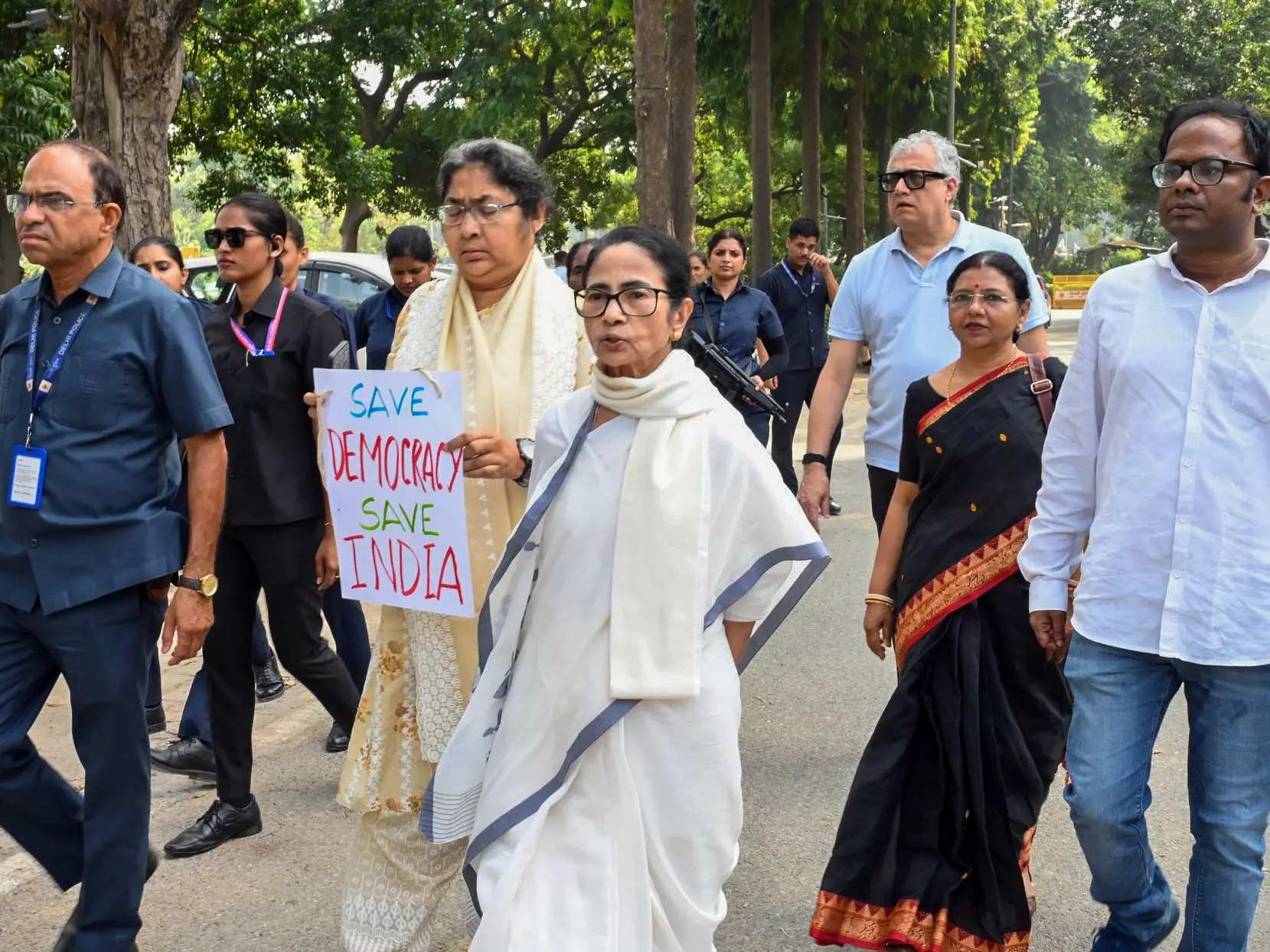
INDIA bloc plans mega protest on Monday amid Delhi crackdown, Wangchuk's warns to launch 'padyatra'
&imwidth=180&imheight=135&format=webp&quality=medium)
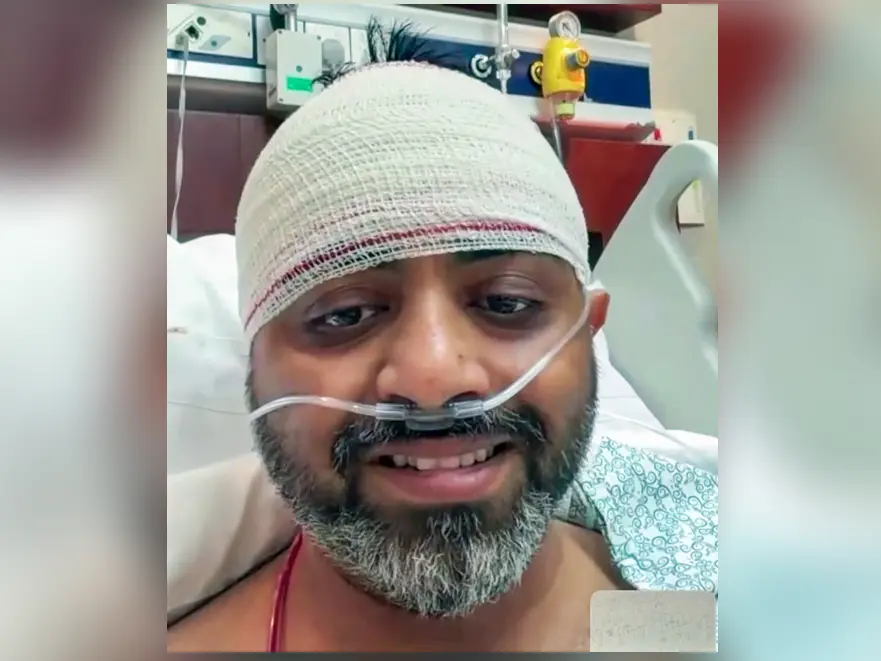
NIA files FIR in Flydubai hijack attempt and attack on Smit Machchhar, probes ‘larger conspiracy’
&imwidth=180&imheight=135&format=webp&quality=medium)
'Ouch!!! That must hurt': Kangana Ranaut hails Kamal Haasan's sharp reply to Elon Musk over Starlink row
&im=FitAndFill=(700,400)&imwidth=180&imheight=135&format=webp&quality=medium)
Food shortages, suicide attempts and more: USS Abraham Lincoln returns to US after 321 day deployment — What happened aboard the US carrier?
However, they failed to reach a consensus on three key demands - farmer loan waiver, implementation of the Swaminathan Commission recommendations and enactment of a law for guaranteeing a Minimum Support Price for all crops.
Also Read:India: Haryana government suspends internet services in several districts ahead of farmers' march
After the meeting came to an end, Kisan Mazdoor Sangharsh Committee's Sarwan Singh Pandher announced that the 'Delhi Chalo' march was on.
"Two years ago, the government had promised to meet half of our demands in writing... We wanted to resolve the issue peacefully. But the government is not sincere. They just want to waste time," said a farmers' representativewhile speaking to the reporters.
How FarmerProtest 2.0 differs from the 2020 stir?
In 2020, the farmers were protesting against the three laws which were finally repealed in 2021.
In 2023, 'Delhi Chalo' was announced with the demand of a legal guarantee to MSP for all crops, full debt waiver for farmers, the implementation of Swaminathan Commission's formula,withdrawal of cases filed against farmers during the 2020-21 protest, and pension for farmers and labourers.
Various unions have been spearheading the farmers'protest 2.0 as the landscape of the farmers' unions has changed in the last few years.
Delhi Chalo 2.0 has been announced by Samyukt Kisan Morcha (Non-Political) and the Kisan Mazdoor Morcha.
Samyukt Kisan Morcha and Bharatiya Kisan Union, which led the 2020 protest of the farmers, went through turbulence and split into several factions.
Watch:India: More than 200 farmers' union announce March on Feb 13, police impose precautionary measures
Rakesh Tikait and Gurnam Singh Charuni were the two main leaders who led the 2020 protest. However, they are missing from theprotest this year so far.
Sarwan Singh Pandher, general secretary of Punjab Kisan Mazdoor Sangharsh Committeeand Jagjit Singh Dallewal, leader of SKM (non-political) are at the forefront now.
In 2020, the farmers had entered the national capital. However, this time the administration has adopted strict pre-emptive measures to stop them from entering Delhi.
They have used nails on roads, cement barricades and barbed wire to block all routes to Delhi. The government has imposed Section 144 across the capital. The Haryana government has also sealed its borders along with Punjab.
The negotiation process before the start of the farmers' Delhi Chalo march was initiated by the government but remained unfruitful. The farmers' protest becomes crucial as general elections are just few months away.
Meanwhile, commuters inDelhi-NCR bore the brunt of the farmers' protest as traffic slowed to a crawl amid heavy barricading at Singhu, Tikri, and Ghazipur borders.
(With inputs from agencies)